You grab your insulated mug, fill it with hot coffee, and walk to your desk. Ten minutes later, you’re wiping brown liquid off your keyboard. The lid slipped. The coffee was too hot to sip. Or the mug tipped over because the base is narrower than you thought.
Insulated mugs are supposed to make life easier, but they come with their own set of problems. The good news is most of those problems are avoidable. This guide covers the specific habits, lid techniques, and cleaning routines that keep your coffee in the cup and off your desk.

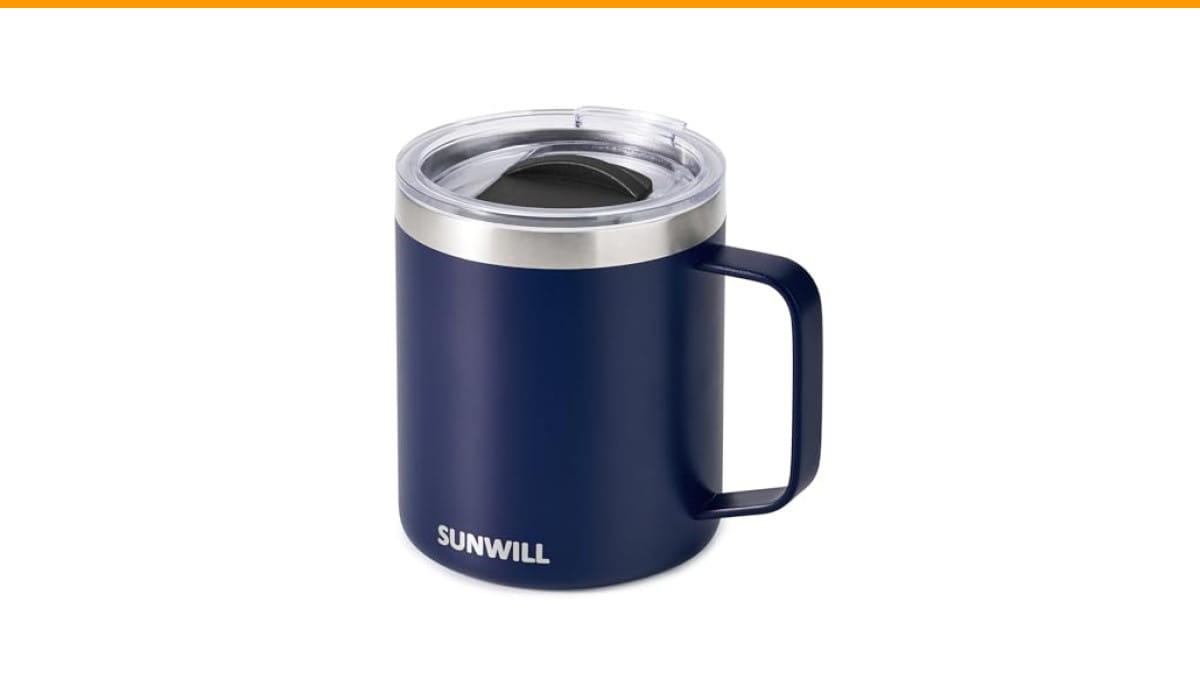
SUNWILL
SUNWILL Insulated Coffee Mug, Stainless Steel 14…
- NO-SWEAT, MESS-FREE DESIGN: Ideal for Hot & Iced Beverages. Keep your coffee, tea, or hot chocolate hot for 3h+, and iced coffee o…
- Ultra-Durable Powder Coating & Dishwasher Safe: Premium powder coated exterior provides a textured, comfortable grip that won't sl…
- Splash Resistant Sliding Lid: Designed to reduce splashes and keep your drinks cleaner during everyday use. The BPA-free lid featu…
As an Amazon Associate I earn from qualifying purchases.
You’ll learn why the lid design matters more than you think, how to pour without splashing, and what to do when your coffee is still boiling hot after two hours. No generic advice here — just what actually works.
If you’re shopping for a mug that handles most of these issues out of the box, the SUNWILL Insulated Coffee Mug is a solid starting point. Its splash-resistant sliding lid and low-profile base solve two of the most common mess problems before they start.
Myth: A Tighter Lid Means Fewer Spills
Most people think a lid that seals completely is the safest option. That’s true for transport, but it creates a different mess at your desk. When you open a fully sealed lid, pressure changes inside the mug can push hot liquid out. You’ve seen this happen with travel mugs — you crack the seal and coffee bubbles up over the rim.
Sliding lids, like the one on the SUNWILL mug, vent pressure gradually. You don’t get that sudden release. The trade-off is that sliding lids aren’t leak-proof if the mug tips over. So you’re choosing between two failure modes: sudden pressure burps versus slow drips from a tipped mug.
For desk use, the sliding lid wins. You control the opening size, which means you control the flow. Keep the opening small while walking, then slide it fully open when you’re seated and ready to sip.
One more thing: always close the lid before you set the mug down. It sounds obvious, but most spills happen in that two-second window between sipping and placing the mug on a surface.
Myth: You Can Pour Straight From the Coffee Maker
The coffee maker cleaning routine matters, but so does how you fill the mug. Brewing directly into an insulated mug seems efficient, but it creates a mess in two ways.
First, the brew basket drips after the cycle ends. That drip lands on the lid, not inside the mug, and runs down the side. Second, hot coffee hitting a cold stainless steel interior can cause micro-splashing, especially if the mug was in a cold cabinet overnight.
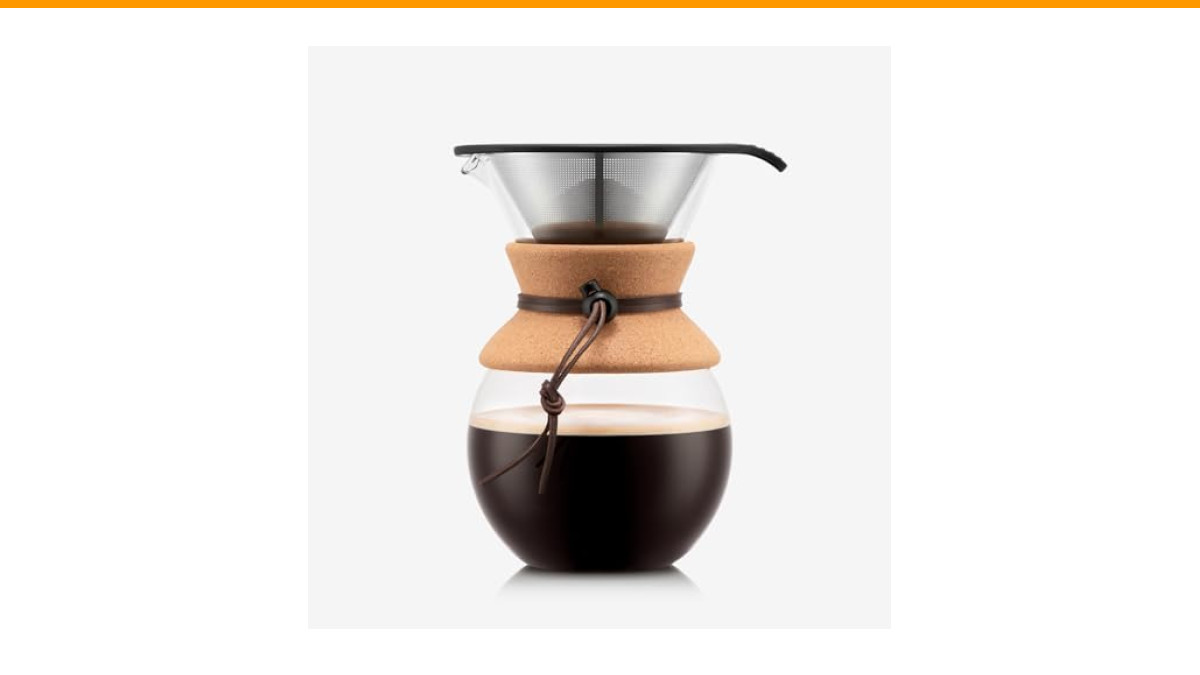
Instead, brew into a glass carafe or a ceramic mug first, then pour into the insulated mug. This gives you control over the pour speed and lets you avoid the last drips from the basket.
If you insist on direct brewing, position the mug so the coffee stream hits the center of the interior wall, not the bottom. That reduces splashing. And keep the lid off until the brew cycle finishes — the steam needs somewhere to go.
The Right Way to Fill, Sip, and Carry
Filling an insulated mug correctly is about three things: leaving headspace, wiping the rim, and managing temperature.
Leave Room at the Top
Fill the mug to about 80% capacity. That leaves space for the lid to seat properly and prevents coffee from touching the lid’s sliding mechanism. Coffee that sits against the lid leaves residue that hardens and makes the slider stick. A stuck slider means you’ll pull harder, which usually results in a sudden jerk and a splash.
For a 14-ounce mug like the SUNWILL, that means pouring about 11 ounces of coffee. It feels like you’re wasting space, but you’re not. The insulation keeps the coffee hot longer, so you don’t need the extra volume.
Wipe the Rim Before You Sip
Condensation forms on the lid’s underside, especially with hot drinks. When you open the slider, that condensation collects on the rim. Take a napkin or your sleeve and wipe the rim before your first sip. It’s a small habit that prevents drips down your chin and onto your shirt.
This matters more with iced drinks. Cold beverages create condensation on the outside of the mug, but they also create it on the inside of the lid. The temperature difference causes water to collect and drip when you tilt the mug.
Test the Temperature Before Tilting
Insulated mugs keep coffee hot for hours. That’s the point, but it’s also a problem. You take a sip expecting lukewarm coffee and get a mouthful of near-boiling liquid. You jerk back, the mug tilts, and coffee spills.
Before your first sip, take a tiny test sip with the slider barely open. If it’s too hot, leave the lid open for five minutes to let steam escape. This drops the temperature faster than you’d think. On the SUNWILL mug, leaving the slider fully open for five minutes drops the coffee from scalding to drinkable.
Cleaning Habits That Prevent Messes Later
A dirty lid is a leaky lid. Coffee oils build up in the sliding track, making it stiff. Stiff sliders fail at the worst moment — usually when you’re carrying the mug across a room.
Rinse the lid after every use, even if you don’t wash the whole mug. Warm water and a drop of dish soap, then run the slider back and forth a few times. That clears the track where residue collects.
Once a week, do a deeper clean. The SUNWILL mug is dishwasher safe, but hand washing the lid is better because the dishwasher can warp the slider over time. If you use a dishwasher, place the lid on the top rack and remove it before the drying cycle starts. The high heat of the drying cycle is what causes warping.
For the mug body itself, a deep cleaning routine keeps the interior from developing a stale coffee smell. A weekly soak with warm water and baking soda works well. Avoid abrasive scrubbers — they scratch the stainless steel, and scratches create spots where coffee residue clings.
If you use your insulated mug for both hot and cold drinks, clean it between types. Switching from iced coffee to hot tea without washing leaves a faint oily film that affects the taste of the next drink.
Comparing Lid Types and Their Mess Potential
| Lid Type | Spill Risk While Carrying | Spill Risk While Sipping | Ease of Cleaning | Best Use Case |
|---|---|---|---|---|
| Sliding (e.g., SUNWILL) | Low if closed | Low — you control opening size | Moderate — track needs regular rinsing | Desk work, commuting short distances |
| Flip-top (hinged spout) | Moderate — can flip open in a bag | Moderate — spout collects drips | Hard — hinge traps residue | Walking or hiking |
| Press-and-turn (sealed) | Very low — fully sealed | High — pressure release causes splash | Moderate — gasket needs removal | Car commutes, long transport |
| Open (no lid) | High — obviously | None — but liquid can slosh | Easy — just the mug | Home use only, sitting at a desk |
Your choice depends on where you use the mug. For a stationary desk setup, the sliding lid is the sweet spot. For a car cup holder, the sealed press-and-turn lid is safer, though it has the pressure issue. Nobody makes a perfect lid — you’re picking which mess you can tolerate.
One note on the SUNWILL mug: its wide base means it won’t fit in most car cup holders. That’s a deliberate trade-off for stability on a desk. If you need a mug for your commute, look for a narrower profile instead.
Fixing a Stuck Slider Before It Causes a Spill
A slider that sticks is a mess waiting to happen. You pull harder, it suddenly releases, and coffee sloshes over the rim. Fix it before that happens.
Take the lid off and run it under hot water for thirty seconds. This softens the coffee oils. Then apply a drop of dish soap directly to the track and work the slider back and forth twenty times. Rinse thoroughly. If it’s still stiff, use a toothpick to scrape the track corners where a cloth can’t reach.
Don’t use oil or grease on the slider. It will mix with your coffee and ruin the taste. If hot water and soap don’t fix it, the gasket inside the lid may have shifted. Check that the rubber gasket sits flush in its groove — a misaligned gasket creates friction that makes the slider hard to move.
Temperature Management Without Burning Your Mouth
Insulated mugs keep drinks hot for three hours or more. That’s great until you forget and take a full sip an hour later. The solution is to treat the mug like a thermos, not a regular cup.
If you want coffee that’s drinkable immediately, pour it into the insulated mug and leave the lid off for ten minutes before sealing it. This brings the temperature down to a comfortable range while still keeping it warm for the next two hours.
If you want coffee that stays hot for the long haul, fill the mug with hot water first, let it sit for two minutes, then dump the water and add your coffee. Pre-heating the stainless steel means the mug doesn’t steal heat from the coffee during the first few minutes.
For iced drinks, the opposite applies. Fill the mug with ice first, then pour the cold beverage. The double-wall insulation keeps the outside of the mug sweat-free, but it also keeps the cold in. Your drink stays cold longer, and the ice melts slower.
Questions People Actually Ask
Why does my insulated mug leak from the bottom?
It’s not leaking from the bottom. Condensation builds up on the exterior when you fill a cold mug with a hot drink. The double-wall design prevents this, but if the mug has a crack in the outer wall, condensation can collect inside the gap and seep out through the base. Check for hairline cracks around the bottom seam. If you see one, the vacuum seal is broken and the mug won’t insulate properly anymore.
Can I put my insulated mug in the microwave?
No. The stainless steel interior reflects microwaves, which can damage the magnetron and cause sparking. Also, the double-wall vacuum will expand and possibly burst. Always heat your beverage in a microwave-safe container, then pour it into the insulated mug.
How do I get the coffee smell out of my insulated mug?
Fill the mug with warm water and two tablespoons of baking soda. Let it sit for thirty minutes, then scrub with a soft sponge. Rinse thoroughly. For stubborn smells, use white vinegar instead of baking soda — same process. Avoid bleach, which can damage the stainless steel finish.
Why does my coffee taste metallic from a new insulated mug?
New stainless steel mugs sometimes have a metallic taste from manufacturing residue. Wash the mug and lid with warm soapy water, rinse well, then fill with hot water and let it sit for ten minutes. Dump the water and repeat. If the taste persists, it might be the coffee itself reacting with the steel — lighter roasts are more acidic and can pick up a metallic note.
Is it safe to put my insulated mug in the dishwasher?
It depends on the mug. The SUNWILL mug is dishwasher safe, but the lid is better hand-washed. Dishwasher detergent is harsh and can degrade the rubber gasket over time. If you do use the dishwasher, place the mug on the top rack and skip the heated dry cycle.
What to Do Differently Starting Tomorrow
- Fill to 80% capacity — leave headspace for the lid and pressure
- Wipe the lid rim before your first sip every time
- Test the temperature with a small sip before committing
- Rinse the lid track after each use to keep the slider smooth
- Pre-heat the mug with hot water for long-lasting heat
- Brew into a carafe, not directly into the insulated mug
- Hand-wash the lid to prevent warping and gasket wear
Insulated mugs aren’t complicated, but they do require a few habits that regular mugs don’t. Once you get the routine down, it becomes second nature — and your keyboard stays dry. If your mug is past saving, check the maintenance guide for keeping your whole setup in good shape.
Products related to this article
Sponsored / affiliate links. As an Amazon Associate I earn from qualifying purchases. I may earn additional commission from eligible campaigns.