You pull a shot, and it tastes dull. Slightly bitter, maybe a little oily. You change beans, adjust grind, fiddle with dose. Nothing fixes it. Then you remember the last time you actually cleaned the group head. Was it last month? Last season? That lingering flavor is old coffee oil, and no amount of fresh beans will mask it.
Cleaning tablets exist for one reason: to break down coffee oils and residue that hot water alone can’t touch. This guide walks you through exactly how to use espresso machine cleaning tablets, what to expect, and the mistakes that quietly wreck machines. You’ll know when to clean, how to run the cycle, and what to do if your machine has a removable group head versus a fully automatic system.

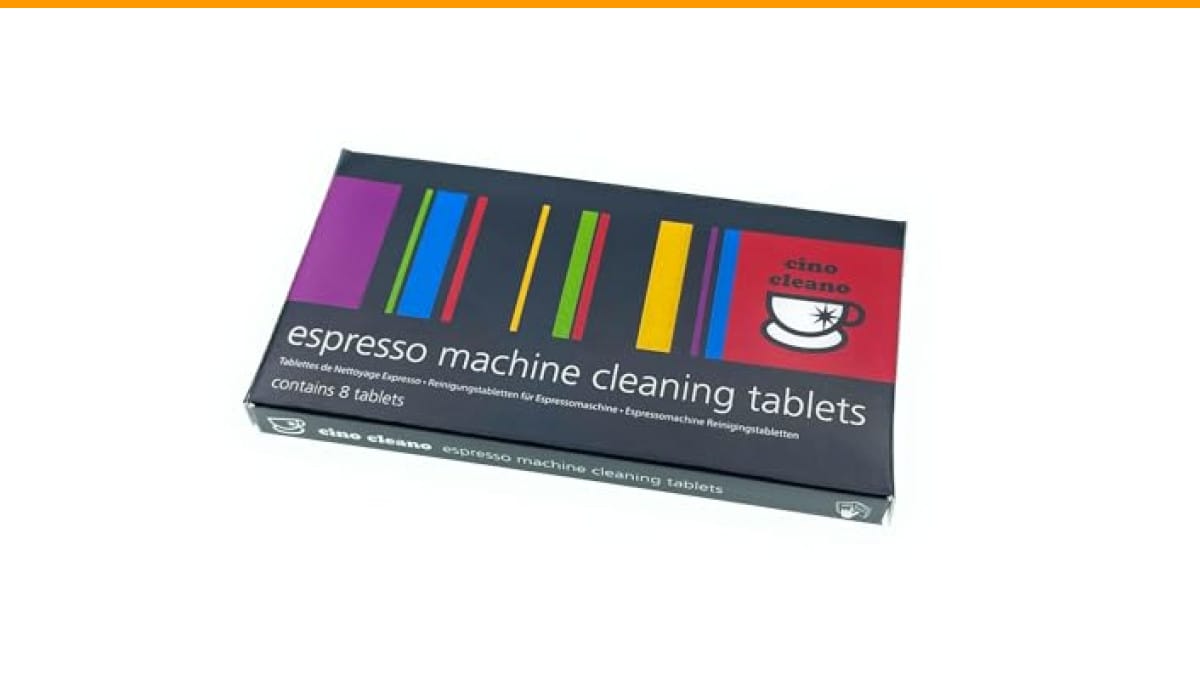
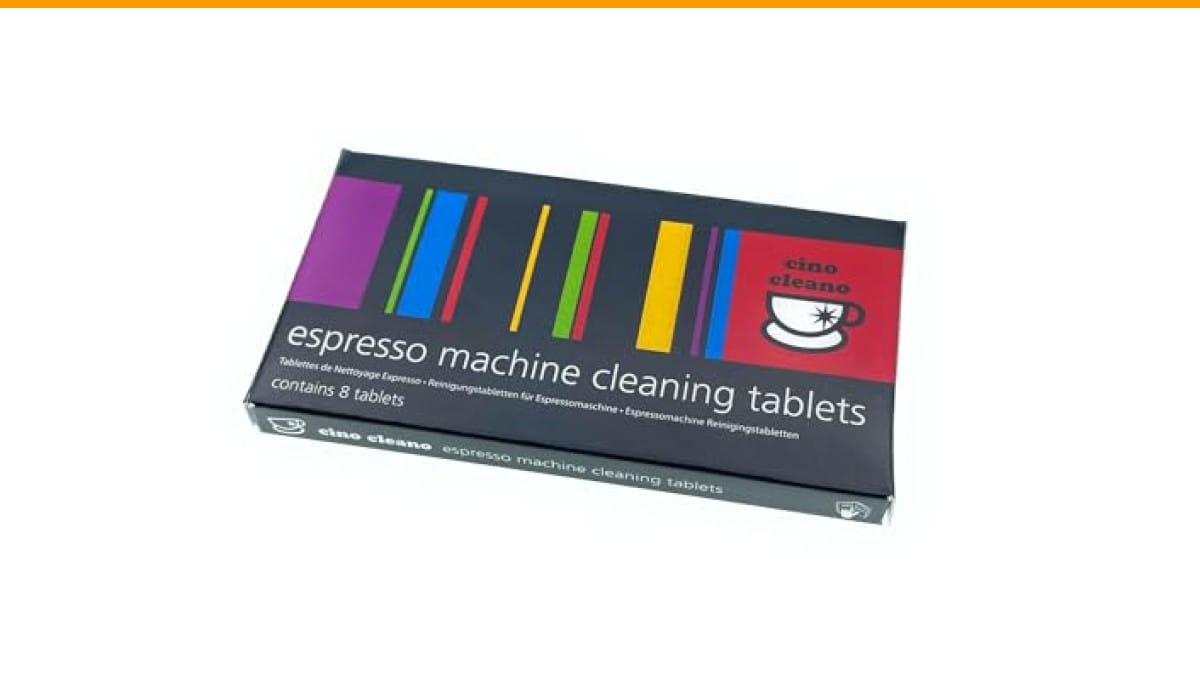
Cino Cleano
Cino Cleano Espresso Machine Cleaning Tablets (8…
- Listing is for 1 Packet which contains 8 tablets Suitable for use with all Breville Espresso machines
- Precision dissolution time to provide optimal cleaning performance
- All pharmaceutical and food grade ingredients
As an Amazon Associate I earn from qualifying purchases.
If you own a Breville, DeLonghi, or any super-automatic, the process takes about ten minutes. Ten minutes every few weeks saves you from a repair bill that starts with a three.
For Breville owners, a pack like Cino Cleano Espresso Machine Cleaning Tablets dissolves at a controlled rate, so the cleaning solution stays active long enough to actually lift residue. It’s formulated with food-grade ingredients and won’t corrode internal parts, which matters more than you’d think on machines with aluminum boilers.
Why a Tablet Instead of Just Hot Water or Vinegar?
Hot water rinses. It doesn’t clean. Coffee oil has a higher melting point than water, and once it polymerizes onto metal, it turns into a sticky film that traps grounds and alters flavor.
Vinegar or citric acid can break down scale, but they don’t emulsify oils. They also leave a residual smell that lingers in hoses and gaskets. Cleaning tablets use a combination of surfactants and mild alkaline agents that dissolve both organic residue and light scale without attacking the machine’s seals.
The chemical action matters. A tablet in hot water creates a solution with a specific pH that’s aggressive toward coffee oils but neutral toward brass, aluminum, and rubber. That’s why you don’t just drop a dish soap pod in there.
How to Use Cleaning Tablets on a Breville or Semi-Automatic Machine
Most home espresso machines like the Breville Barista Express or Bambino use a removable group head and a cleaning cycle. Here’s the step-by-step.
- Empty the portafilter and remove the basket. You want the bare metal basket holder, not the filter basket with holes.
- Drop one tablet into the empty portafilter. Place it back into the group head, but don’t lock it in fully. Leave it slightly loose so water can flow around it.
- Fill the water tank, then press the cleaning button or start a manual shot with no portafilter locked. On Breville machines, hold the power button for a few seconds to enter cleaning mode. Check your manual, but most models run a timed cycle that pauses halfway.
- When the cycle pauses, let the machine sit for 10-15 minutes. This soak time lets the solution dissolve oils in the group head and solenoid valve.
- Resume the cycle. It will flush hot water through the group head and out the portafilter.
- Remove the portafilter, rinse it thoroughly, and run one or two blank shots with no tablet to clear any leftover solution.
The key step people skip is the soak. If you run the cycle start to finish without pausing, you only get a rinse, not a clean. The tablet needs contact time.
Super-Automatic Machines: A Slightly Different Routine
Machines like the DeLonghi Magnifica or Miele use a brew unit that you remove by hand. Cleaning tablets for these machines go into a dedicated cleaning cycle, not the portafilter.
- Remove the brew unit according to your manual. Rinse it under warm water and let it dry completely.
- Place one tablet in the ground coffee compartment or the tablet slot, depending on the model.
- Start the cleaning program from the menu. The machine will run a cycle that flushes the tablet through the brew chamber and internal lines.
- Empty the drip tray when done. You’ll see brown, foamy water — that’s the dissolved residue.
One honest caveat: super-automatics hide a lot of plumbing. The tablet cleans the brew path, but it won’t touch the milk frother. That’s a separate steam wand cleaning routine you still need to do manually.
How Often Should You Actually Do This?
Every 200-300 shots is the general rule for home machines. If you pull two shots a day, that’s roughly every three to four months. If you pull six shots on weekends, it’s every six weeks.
Some machines have a cleaning indicator light. Don’t ignore it. That light triggers based on shot counter, not calendar days, so it’s a better guide than a reminder app.
Heavy milk drinkers should clean more often. Milk residue is biological, not just oil, and it turns rancid faster. If your shots taste sour or the steam wand sputters, clean everything sooner rather than later.
Tablet vs. Powder vs. Liquid Cleaner
| Method | Best For | Dose Control | Residue Action |
|---|---|---|---|
| Tablets | Group head, brew unit | Pre-measured, consistent | Dissolves oils and light scale |
| Powder | Commercial machines | Needs measuring scoop | Stronger, can be too harsh for home |
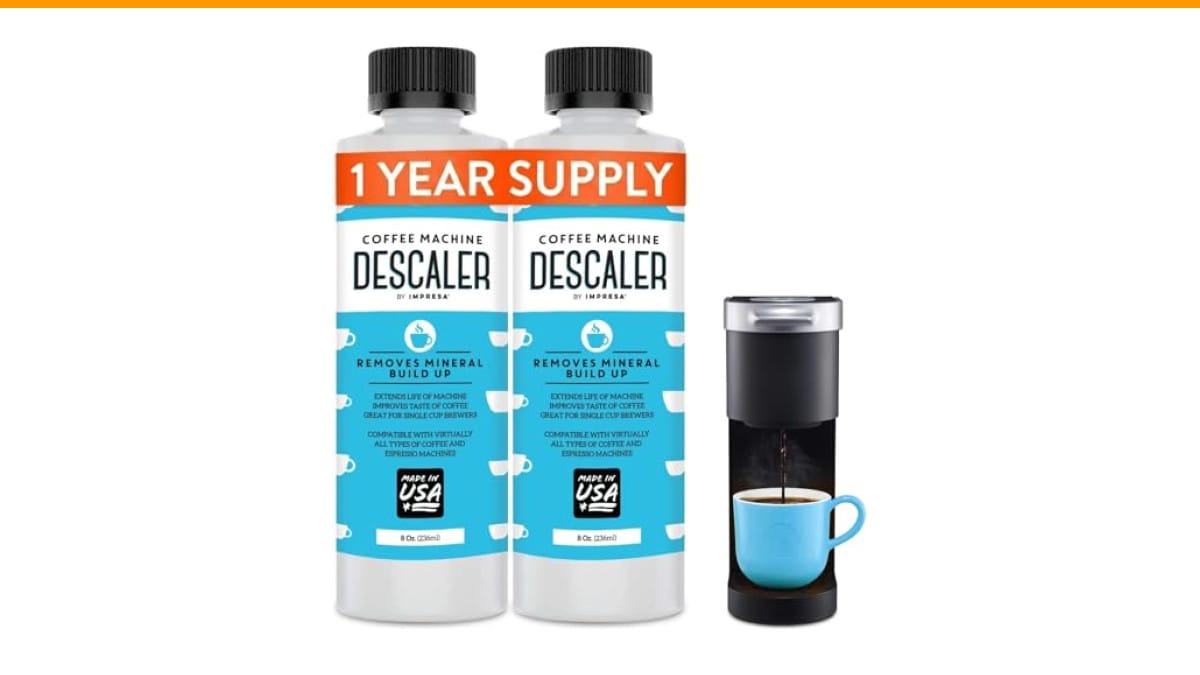
| Liquid descaler | Boiler and internal lines | Dilution ratio matters | Removes scale, not oils |
Tablets win for home use because you can’t mess up the dose. Powder is cheaper per use, but you’ll accidentally use too much at some point, and that foam will overflow your drip tray. Liquid descaler is a different job — it’s for limescale, not coffee oil. You need both at some point.
Mistakes That Shorten Machine Life
Using a tablet in a machine that’s already heavily scaled is a waste. The tablet is a cleaner, not a descaler. If your water is hard and you see white flakes in the tank, run a proper descaling cycle first, then clean with a tablet.
Another common error: leaving the portafilter locked tight during the cleaning cycle. The tablet needs to dissolve and flow around the gasket. Locking it fully forces the solution through a tiny gap and reduces contact with the group head walls.
Don’t reuse tablets. One tablet per cycle, always. A half-tablet won’t create enough concentration, and a whole one is already the right amount. Cino Cleano tablets are individually wrapped, so you don’t have to worry about moisture ruining the rest of the pack.
Finally, don’t forget the drip tray. The cleaning cycle produces brown, foamy water that can overflow if the tray is already full. Empty it before you start.
Frequently Asked Questions
Can I use cleaning tablets in a manual espresso machine with no cleaning cycle?
Yes. Put the tablet in the portafilter, lock it in, and run a blank shot. Stop the flow halfway, let it sit for 10 minutes, then finish the shot. Rinse with two blank shots. That’s the same process as a programmed cycle.
Do I need to clean after every use?
No. A quick rinse by running water through the empty portafilter after each day’s shots is enough. Tablets are for weekly or monthly deep cleaning, not daily maintenance.
What if my machine doesn’t have a cleaning button?
Run a manual shot with the tablet in the portafilter, pause it, soak, and finish. That’s the universal method. Some machines need the portafilter slightly loose to avoid pressure buildup, so check your manual.
Can I use a tablet if my machine is still under warranty?
Using a proper cleaning tablet won’t void a warranty. In fact, manufacturers expect it. What voids warranties is using vinegar or harsh chemicals that corrode seals. Stick to food-grade tablets like Cino Cleano.
Why does my machine still taste bad after cleaning?
You probably didn’t descale. Cleaning removes oil; descaling removes mineral scale. If your water is hard, scale buildup can trap old flavors even after a clean cycle. Run a descaler, then clean again. Also check the maintenance guide for deeper issues.
What to Do Next (A Practical Checklist)
- Clean every 200-300 shots, not by calendar alone.
- Always soak for 10-15 minutes mid-cycle. That’s the actual cleaning step.
- Use one tablet per cycle. Never split or reuse.
- Empty the drip tray before starting. The foam will overflow.
- Run two blank shots afterward to clear the solution.
- Clean and descale are separate jobs. Do both, in that order.
- If your machine has a removable brew unit, rinse it by hand monthly.
Cleaning tablets aren’t complicated. The hard part is remembering to use them. Set a reminder on your phone for every two months if you’re a daily drinker. Your next shot will taste like the beans you paid for, not the ghosts of shots past.
Products related to this article
Sponsored / affiliate links. As an Amazon Associate I earn from qualifying purchases. I may earn additional commission from eligible campaigns.