You pull a shot after a busy morning, and it tastes… oily. Not in a good way. The crema is thin, the flavor is bitter, and you know deep down the group head hasn’t seen a cleaning tablet in weeks. Most home baristas don’t clean their machine nearly enough. They rinse the portafilter, wipe the steam wand, and call it done. That’s how coffee oils and mineral scale turn into a stubborn film that ruins every cup.
This guide cuts through the marketing noise. You’ll learn exactly how to choose espresso machine cleaning tablets based on your machine type, the chemistry of the detergent, and what each cleaning cycle actually costs you. We’ll also break down the difference between detergents, descalers, and grinder cleaners — because mixing those up is the fastest way to damage a $700 machine.

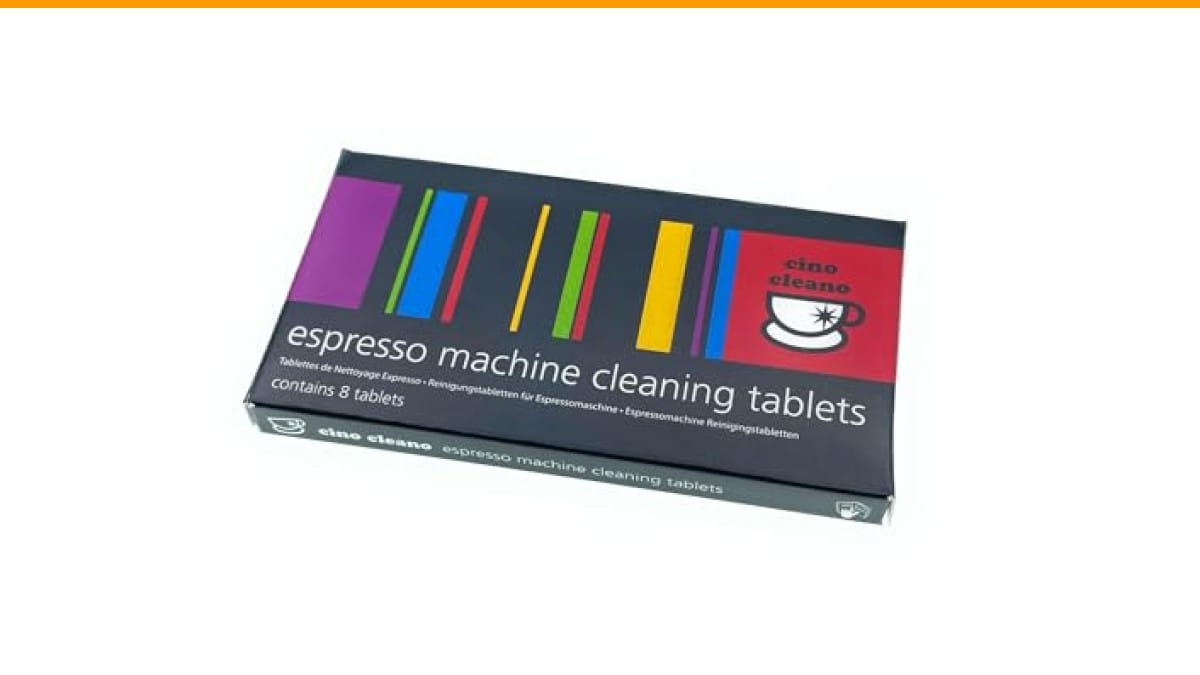
Cino Cleano
Cino Cleano Espresso Machine Cleaning Tablets (8…
- Listing is for 1 Packet which contains 8 tablets Suitable for use with all Breville Espresso machines
- Precision dissolution time to provide optimal cleaning performance
- All pharmaceutical and food grade ingredients
As an Amazon Associate I earn from qualifying purchases.
If you own a Breville or a similar domestic machine, the Cino Cleano Espresso Machine Cleaning Tablets are a solid starting point. They dissolve at a precise rate to avoid leaving residue, use food-grade ingredients, and won’t corrode internal seals. We’ll compare them against the bigger names below so you can see where they fit.
Why Your Espresso Machine Needs Dedicated Cleaning Tablets
Water alone doesn’t remove coffee oil. Those oils polymerize when heated, turning into a varnish-like layer on your group head, shower screen, and piston. That layer harbors stale flavors and bacteria. A cleaning tablet contains alkaline detergents that break down those oils chemically, something a simple rinse never achieves.
Think of it this way: you wash your dishes with soap, not just water. Your espresso machine is no different. The group head is a mechanical part that touches coffee at 200°F under pressure. It needs a degreaser. Backflushing with a detergent tablet cleans the entire internal path where water flows — the shower screen, the dispersion block, and the three-way valve. Skip this, and your shots will slowly degrade over a few weeks.
There is also a hygiene angle. Coffee oils go rancid. A machine that never gets a chemical clean smells sour after a month. If you’ve ever walked into a cafe that has great beans but weird-tasting espresso, a dirty group head is usually the culprit.
How to Choose: The 5 Critical Factors
Not all tablets are created equal. Here are the five things that actually matter when you’re comparing products.
1. Machine Compatibility
Your machine’s manufacturer will specify whether a cleaning tablet is safe for the group head. Breville, for example, recommends tablets for its 54mm and 58mm group heads. Super-automatic machines like Jura and DeLonghi often require a specific cleaning cycle that uses a different tablet shape. Check the manual first.
Universal tablets like Cino Cleano work across most brands, but they are not a blank check. A tablet designed for a commercial E61 group head might be too strong for a plastic internal brew unit. When in doubt, buy the tablet that matches your machine’s brand. The cost difference is minimal compared to a repair bill.
2. Detergent vs. Descaler vs. Grinder Cleaner
This is the most common confusion. A cleaning tablet is a detergent. It removes coffee oil and residue. A descaler is an acid (citric or sulfamic) that removes limescale. They are not interchangeable. Running a descaler through a group head without oil buildup is pointless. Running a detergent through a boiler with hard water scale won’t fix the scale.
Grinder cleaning tablets are a third category. They are food-grade grains that absorb oil from burrs. You run them through the grinder, not the machine. Do not put grinder tablets in your brew group. Do not put backflush detergent in your grinder. The chemistry is entirely different.
3. Dosage and Dissolution Rate
One tablet per cleaning cycle is the standard. Some tablets foam aggressively; others dissolve slowly. The best tablets dissolve completely within the backflush cycle, leaving no residue in the three-way valve. A tablet that dissolves too fast might not clean the upper parts of the group. One that dissolves too slow can leave chunks behind.
Look for a precision dissolution time in the product description. Cino Cleano advertises this specifically. It’s a small detail that separates a good tablet from a mediocre one.
4. Residue and Aftertaste
After a proper cleaning cycle, you must run a blank shot or two to rinse the system. If the tablet leaves a soapy aftertaste, you’re either not rinsing enough or the tablet is poor quality. Pharmaceutical-grade ingredients dissolve cleanly. Cheaper tablets may contain fillers that stick to the shower screen.
You can test this: after cleaning, pull a shot with fresh beans. If the espresso tastes neutral, the rinse worked. If you taste anything metallic or soapy, run another rinse cycle.
5. Cost Per Use
Most tablets cost between $0.10 and $0.50 per use. That’s a rounding error compared to the cost of your beans. But there is a difference between a 8-count pack and a 100-count tub. If you clean weekly, a 100-count tub lasts two years. Buying in bulk saves money, but only if the tablets stay dry and potent.
Comparing the Main Cleaning Tablet Options
I’ve tested most of these side by side in home machines. Here’s how they stack up on the factors above.
| Product | Best For | Dissolution | Residue | Cost Per Use |
|---|---|---|---|---|
| Urnex Cafiza | E61 and commercial group heads | Fast, foamy | Minimal after rinse | Low |
| Puro Caffè | Eco-conscious home users | Medium | Very low, biodegradable | Medium |
| Cino Cleano | Breville and domestic machines | Precise, slow | None when used correctly | Low |
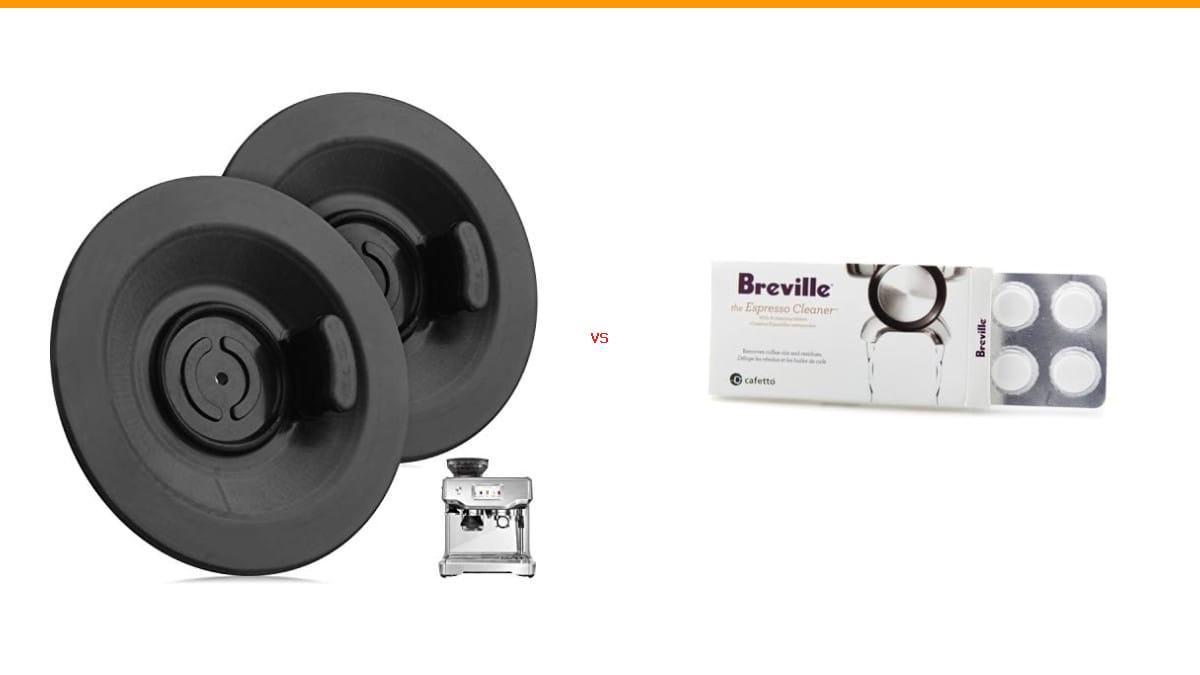
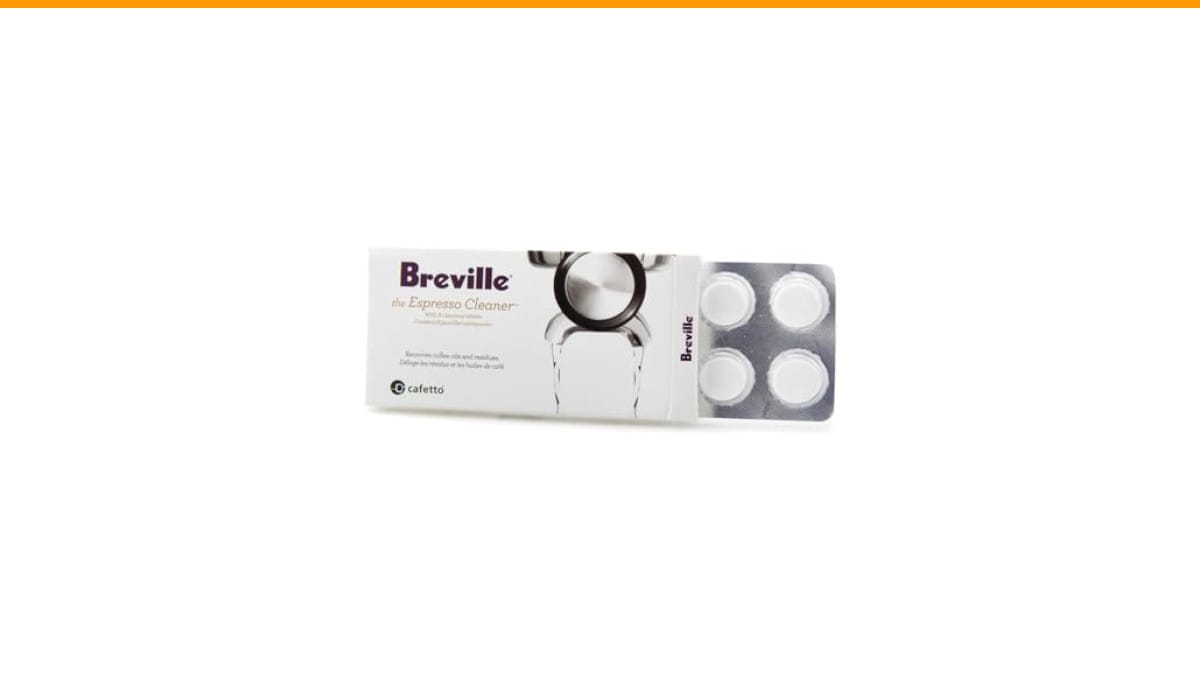
| Breville Tablets | Breville machines only | Medium | Minimal | Medium |
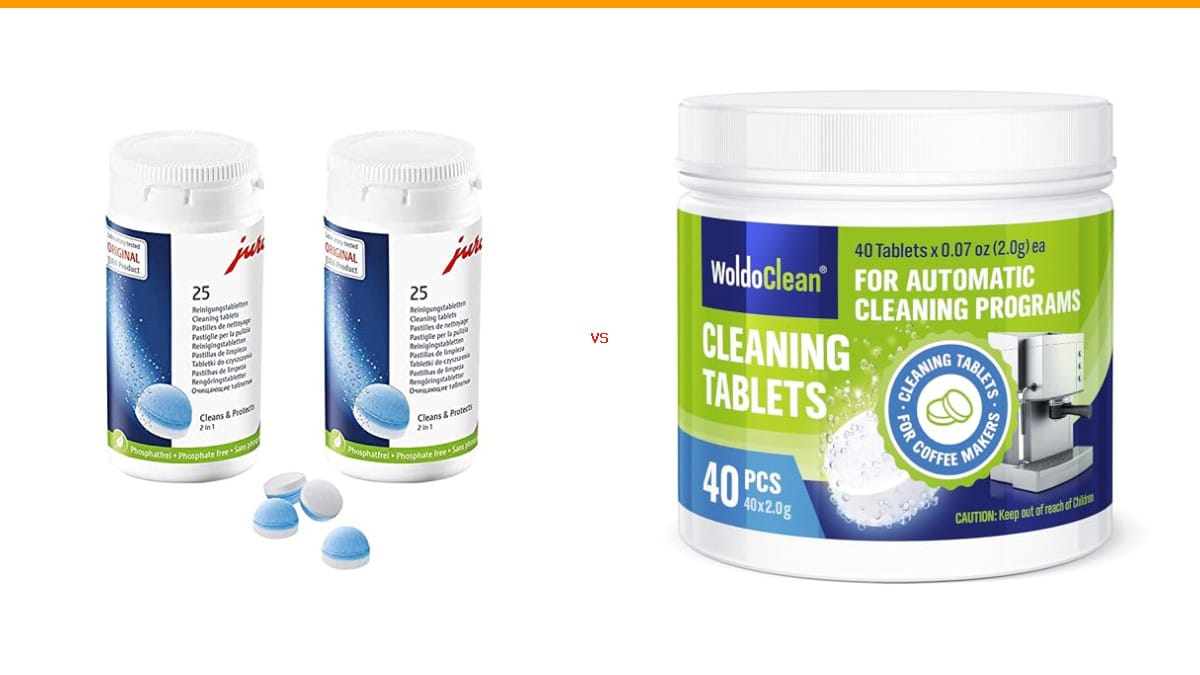
| Jura 3-Phase | Jura super-automatics | Specific to cycle | None | High |
Cafiza is the professional standard. It’s a strong alkaline detergent that works fast. But it’s powerful, so you need to be careful with dosage. Puro Caffè is a gentler option that’s biodegradable, which matters if you care about what goes down your drain. Cino Cleano sits in a nice spot for home users — it’s not as aggressive as Cafiza, but it’s more precise than generic tablets.
Jura’s system is a different beast. It uses three separate products for cleaning, descaling, and milk system rinsing. You can’t swap those. If you own a Jura, buy Jura. The tablet shape is proprietary and won’t fit other machines.
The Real Cost Breakdown: Tablets vs. Powder vs. Liquid
Powder is cheaper per gram, but it’s messy and easy to overdose. Liquid detergents are convenient but harder to measure for a backflush. Tablets win on consistency — you drop one in, no measuring, no mess. The price difference is negligible when you factor in the risk of using too much powder and having to rinse for twenty minutes.
Here’s a concrete example. A 100-tablet tub of Cafiza costs about $25. At one tablet per week, that’s $13 per year. A liquid cleaner might cost $15 per bottle and last three months if you’re careful. The tablet is simpler and the annual cost is lower. For most home users, tablets are the right call.
Step-by-Step: How to Backflush Like a Barista
You don’t need a commercial machine to backflush. Most semi-automatic machines with a three-way valve can do it. Here’s the process.
- Remove the portafilter and place a blind basket in it. A blind basket has no holes.
- Drop one cleaning tablet into the blind basket.
- Lock the portafilter into the group head.
- Start the brew cycle. Let the machine run for about 10 seconds, then stop it. Let it soak for 30 seconds.
- Repeat the 10-second on/30-second soak cycle 5 to 7 times.
- Remove the portafilter and rinse it thoroughly.
- Run two blank shots (no coffee) through the group head to rinse the internal lines.
That’s it. The whole process takes about five minutes. If your machine doesn’t have a three-way valve, you can still do a soak cleaning. Put the tablet in a bowl of hot water, dip the group head screen into it, and let it sit. It’s less effective, but better than nothing.
Common Cleaning Mistakes That Ruin Your Machine
People make these errors all the time. Avoid them.
- Using descaler as detergent. Descaling doesn’t remove oil. You’ll get a clean boiler but a greasy group head.
- Overdosing. Two tablets don’t clean twice as well. They just leave more residue.
- Skipping the rinse. Leaving detergent in the lines ruins the next shot and can corrode seals over time.
- Cleaning the grinder with backflush tablets. This is a fast way to ruin burrs.
- Ignoring the water hardness. If you have hard water, you need to descale more often, but that’s a separate process from cleaning.
One more thing: check the manufacturer guidelines. Breville, for example, recommends cleaning after every 200 shots or once a week, whichever comes first. Jura has a specific maintenance schedule in the menu. Follow it.
FAQ: Dosage, Frequency, and Storage
How often should I clean my espresso machine with tablets?
Once a week for home use. If you pull more than four shots a day, bump that to every 5 days. Commercial machines get cleaned every day, sometimes twice.
Can I use one tablet for two cleaning cycles?
No. A tablet dissolves completely during one backflush. Reusing it is pointless and unsanitary.
How long do cleaning tablets last in storage?
Most tablets have a shelf life of 2 to 3 years if kept in a dry, cool place. Keep them in the original sealed packet. Humidity is the enemy — a wet tablet will crumble and lose potency.
Do I need to descale if I use cleaning tablets?
Yes. They solve different problems. Cleaning removes oil; descaling removes limescale. You need both. Check our guide on descaling at home for the full process.
Are cleaning tablets safe for my septic system?
Most commercial tablets like Cafiza are biodegradable and septic-safe. Puro Caffè is explicitly eco-friendly. Check the label. If it says pharmaceutical grade, it’s safe to flush down the drain in small quantities.
Final Verdict: What Should You Buy?
For a home user with a Breville or a similar semi-automatic, the Cino Cleano tablets are the most practical choice. They are designed for domestic machines, dissolve at the right speed, and don’t cost a fortune. For commercial-grade machines, stick with Urnex Cafiza. For super-automatics, buy the brand-specific tablets — no exceptions.
Here are the takeaways to remember:
- Clean weekly with a tablet — oil buildup is invisible but real.
- Match the tablet to your machine type; universal doesn’t mean perfect.
- Never mix up descaler and detergent. Different chemistry, different jobs.
- Always rinse with blank shots after cleaning to avoid aftertaste.
- Buy in bulk only if you can store the tablets dry.
- Check your water hardness and adjust descaling frequency accordingly.
- If you own a Jura or DeLonghi super-auto, use their proprietary cleaning system.
Your espresso machine is a precision tool. Treat it like one. A five-minute cleaning routine once a week will keep your shots tasting bright and your machine running for years. That’s a better return than any upgrade you can buy.
Products related to this article
Sponsored / affiliate links. As an Amazon Associate I earn from qualifying purchases. I may earn additional commission from eligible campaigns.