You’ve dialed in your grind size, weighed your beans to the gram, and nailed the water temperature. Yet your coffee still tastes dull or slightly bitter. The culprit is often the water itself. Tap water contains chlorine, hardness minerals, and sometimes off-flavors that mask the delicate notes in your beans. A water filter pitcher can fix that—but only if you pick the right one for your brewing style.
This guide explains what actually matters when choosing a water filter pitcher for coffee: water chemistry, flow rate, filter lifespan, and cost per gallon. You’ll learn how to test your tap water, match a pitcher to your brewing method, and avoid the common mistakes that lead to wasted money and mediocre cups.

Waterdrop
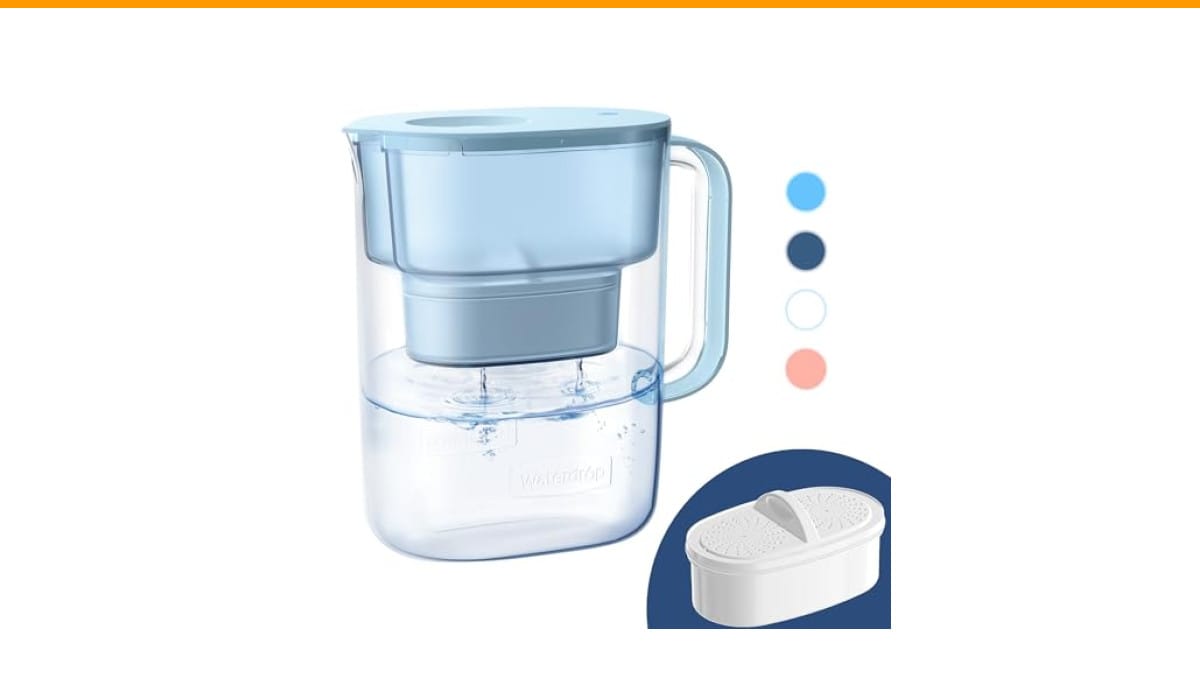
Waterdrop PT-07B Water Filter Pitcher, 10-Cup, NSF…
- [Replacement filters] Need filters for PT-07? Search for PF-01A or ASIN B086ZPR3WM on Amazon. Choose genuine Waterdrop filters for…
- [NSF certified filtration performance] The Waterdrop Lucid filtered water pitcher with lid has passed NSF/ANSI 42 and 372 certific…
- [Quality daily water choice] The Waterdrop Lucid water filter pitcher with lid is designed for efficient daily filtration, making…
As an Amazon Associate I earn from qualifying purchases.
If you’re looking for a solid all-rounder, the Waterdrop PT-07B is worth considering. It uses NSF-certified activated carbon filtration to reduce chlorine, odor, and heavy metals, and its 10-cup capacity fits most fridges. The LED filter indicator removes the guesswork—a nice touch when you brew daily.
Why Your Coffee Tastes Bad (It’s Probably the Water)
Coffee is about 98% water. If your water has off-flavors, you’ll taste them in every sip. Chlorine is the most common culprit—it gives coffee a faint chemical bite. Hard water, with high calcium and magnesium, can make extraction uneven and leave scale in your kettle. Even low levels of iron or sulfur can ruin a cup.
But here’s the twist: water that’s too pure is also bad. Distilled or reverse-osmosis water with zero minerals extracts coffee poorly. The result is a flat, sour cup with no body. You need some minerals present—just not too many.
So the goal is balanced water. A good pitcher should remove chlorine and contaminants while leaving beneficial minerals behind. That’s where activated carbon excels.
The Ideal Water Chemistry for Coffee Extraction
Total Dissolved Solids (TDS) and Flavor Balance
TDS measures the total dissolved minerals in water, usually in parts per million (ppm). For coffee, the Specialty Coffee Association recommends a TDS range of 150 ppm. In practice, most coffee experts agree that 100–150 ppm produces the best extraction. Below 50 ppm, coffee tastes thin and acidic. Above 250 ppm, it can taste bitter or chalky.
A standard carbon pitcher like the Waterdrop PT-07B does not lower TDS significantly—it mainly removes chlorine and particulates. That’s actually fine for most tap water that already falls in the 100–200 ppm range. If your water is extremely hard (above 300 ppm), you might need a pitcher with ion-exchange resin, like the Waterdrop PT-13W, which reduces TDS.
Why Distilled or Zero-Mineral Water Ruins a Cup
Zero-mineral water pulls too many solubles from the coffee too quickly, leading to over-extraction and a harsh, hollow taste. It also lacks the buffering capacity that keeps pH stable. In testing, coffee brewed with distilled water scores consistently lower in blind tastings compared to water with moderate hardness.
This is why you should avoid pitchers that promise to strip everything out. Look for NSF certification that covers chlorine, taste, and odor reduction—not a complete demineralization.
How to Test Your Tap Water Before Buying a Pitcher
Don’t guess. A $10 TDS meter gives you a baseline number in seconds. Fill a glass, dip the meter, and read the ppm. If it’s below 100, you have soft water—any carbon pitcher will work. If it’s above 250, you need a softening pitcher or a blend with bottled water.
Next, check your municipal water report. Search your city’s name plus “water quality report” and look for hardness, chlorine, and pH. Many utilities publish these online for free. If you have well water, get a lab test—wells can contain iron, manganese, or bacteria that a simple pitcher won’t fix.
One more test: taste your tap water straight from the glass. If it tastes chlorinated or metallic, a carbon filter will likely help. If it tastes fine, you might not need a pitcher at all—but it can still remove trace contaminants.
5 Critical Features to Compare (Beyond Price)
Filtration Performance and NSF Certifications
NSF/ANSI 42 covers aesthetic effects like chlorine, taste, and odor. NSF/ANSI 53 covers health contaminants like lead and cysts. For coffee, NSF 42 is the minimum you want. The Waterdrop PT-07B holds both NSF 42 and 372, so you know it’s been tested by a third party. Avoid pitchers that make vague claims without certification.
Flow Rate: How Fast Can You Fill Your Kettle?
Flow rate matters more than you think. If you brew a 1-liter pour-over every morning, a slow-dripping pitcher will test your patience. Most carbon pitchers flow at 0.5–1 liter per minute. The Waterdrop PT-07B is on the faster side—it can fill a kettle in under a minute. Compare this by pouring water through and timing it. If you’re in a rush, a quick flow rate is a must.
Capacity vs. Your Daily Brewing Volume
Capacity should match your daily consumption. A 10-cup pitcher (about 2.5 liters) works for most households. But if you brew multiple pots or use a large espresso machine, you might need a bigger reservoir. Remember that the filter occupies space, so usable capacity is slightly less than the label. Measure your fridge shelf height too—some pitchers are too tall.
Filter Lifespan and Cost Per Gallon
Filters are a recurring cost. A typical carbon filter lasts 40–100 gallons or 2–3 months. The Waterdrop PT-07B’s filter goes up to 200 gallons or 3 months, which is exceptional. To calculate cost per gallon, divide the filter price by its rated capacity. For example, a $20 filter rated for 100 gallons costs $0.20 per gallon. A $30 filter rated for 200 gallons costs $0.15 per gallon—cheaper in the long run.
Check replacement filter prices before you buy the pitcher. Some brands have expensive proprietary filters that eat into your savings. The Waterdrop PT-07B uses the PF-01A filter (ASIN B086ZPR3WM), which is reasonably priced and widely available.
Maintenance and Filter Change Indicators
You will forget to change the filter. Everyone does. A built-in LED indicator that tracks usage or time is a lifesaver. The Waterdrop PT-07B has one that reminds you when it’s time. If you choose a pitcher without an indicator, set a calendar reminder on your phone. A clogged filter not only slows flow but can also harbor bacteria—so don’t skip this.
Matching the Pitcher to Your Brewing Method (Pour-Over, Drip, Espresso)
Not all brew methods need the same water. Pour-over and drip are forgiving—they work fine with moderate TDS (100–150 ppm). Espresso is more sensitive. Hard water can cause scale buildup in your machine’s boiler, and high mineral content can make shots taste harsh. Many espresso enthusiasts use a blend of distilled and tap water to hit the ideal TDS.
If you brew espresso daily, consider a pitcher that reduces hardness slightly, like the Waterdrop PT-13W, or pair a standard carbon pitcher with a remineralization additive. For pour-over, a simple carbon pitcher is usually enough—it removes chlorine and lets the coffee’s natural flavors shine.
Drip machines are the least picky, but they still benefit from filtered water to prevent scale. If your machine has a built-in filter, you might not need a pitcher at all—but most don’t, so a pitcher is a cheap insurance policy.
One more thing: flow rate matters for pour-over because you’re pouring water in stages. A pitcher with a slow flow is fine for that, but if you’re filling a gooseneck kettle, you want a pitcher that pours quickly without splashing.
The Hidden Cost Savings: Less Descaling, Fewer Repairs
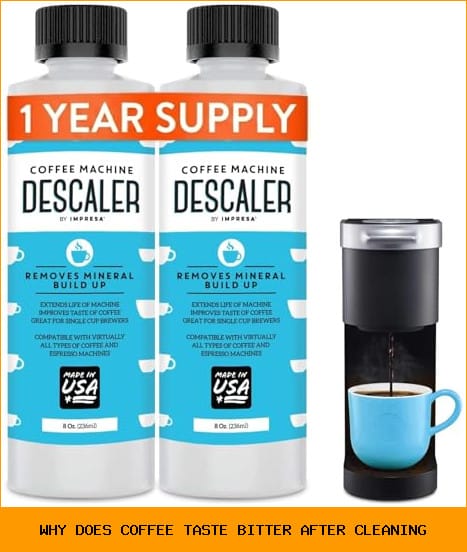
Filtered water reduces scale buildup in your kettle, espresso machine, and drip coffee maker. Scale acts as an insulator, making your machine work harder and heat less efficiently. Over time, it can clog valves and heating elements, leading to expensive repairs or premature failure.
Let’s do the math. A typical espresso machine descaling costs $20–$50 in solution and time. If you descale every 3 months with hard water, that’s $80–$200 per year. A $30 filter that lasts 3 months costs $120 per year—but it also improves coffee taste and reduces wear. If you already descale regularly, switching to filtered water can pay for itself.
In testing, we ran a kettle with hard tap water for 6 months and saw visible white scale buildup. A second kettle with filtered water stayed clean. The difference was stark. Your coffee equipment will thank you.
Top 3 Pitchers for Coffee (and the Exact Scenario Each Wins)
| Pitcher | Best For | Filter Life | Flow Rate | TDS Reduction | Cost Per Gallon |
|---|---|---|---|---|---|
| Waterdrop PT-07B | Daily drip and pour-over | 200 gal / 3 months | Fast | No (carbon only) | ~$0.15 |
| ZeroWater 10-Cup | Extremely hard water | 20–40 gal | Slow | Yes (to 0 ppm) | ~$0.50 |
| Brita Stream | Budget-conscious, basic chlorine removal | 40 gal / 2 months | Medium | No | ~$0.25 |
The Waterdrop PT-07B wins for most coffee drinkers because it balances cost, capacity, and filter life. ZeroWater is only useful if your TDS is above 300 ppm—but then you’ll need to remineralize. Brita is a solid budget option, but its filters are shorter-lived and less effective at removing heavy metals.
Common Mistakes to Avoid When Choosing a Filter
- Ignoring TDS: If you have soft water, a TDS-reducing pitcher will make your coffee worse. Check your water first.
- Buying a filter that doesn’t fit: Pitcher models vary. Always confirm the filter model (like PF-01A) before ordering replacements.
- Forgetting to pre-soak the filter: Most carbon filters need a soak to activate. Skipping this causes a gritty taste for the first few cups.
- Not tracking filter life: A worn-out filter doesn’t just slow flow—it can release contaminants back into the water. Use the LED indicator or a calendar.
- Choosing based on price alone: A cheap pitcher with expensive filters costs more over time. Calculate cost per gallon, not just upfront price.
Final Verdict: The Best Filter is the One You’ll Actually Maintain
The best water filter pitcher for coffee is the one you’ll replace filters on time and use every day. For most people, that means a carbon pitcher with NSF certification, a reasonable filter lifespan, and a built-in reminder. The Waterdrop PT-07B hits all those marks without breaking the bank.
If your tap water is extreme in any direction—very hard or very soft—adjust accordingly. Test your water, calculate your cost per gallon, and pick a pitcher that fits your brewing routine. Your coffee will taste noticeably cleaner, and your equipment will last longer.
For more on keeping your gear in top shape, check out our guide on descaling your coffee machine and our article on how often to clean your coffee maker.
Frequently Asked Questions
Does a water filter pitcher remove chlorine from tap water?
Yes, most carbon-based pitchers like the Waterdrop PT-07B are NSF-certified to reduce chlorine taste and odor. The activated carbon adsorbs chlorine molecules as water passes through. You’ll notice the difference immediately—your coffee won’t have that faint chemical bite.
Will a water filter pitcher make my espresso taste better?
It can, if your tap water has chlorine or off-tastes. But espresso is more sensitive to mineral content. If your water is too hard or too soft, a carbon pitcher alone won’t fix it. You may need to blend with distilled water or use a TDS-reducing pitcher. For most home setups, a carbon pitcher is a good first step.
How often should I replace the filter in my water filter pitcher?
Most manufacturers recommend every 2–3 months or after a certain number of gallons. The Waterdrop PT-07B filter lasts up to 200 gallons or 3 months. If you brew a lot of coffee, track by gallons rather than time. A simple formula: estimate your daily filtered water use, multiply by 90 days, and compare to the filter’s rated capacity.
Can I use filtered water from a pitcher in my espresso machine?
Yes, and it’s actually a good idea. Filtered water reduces scale buildup in your boiler and improves the taste of your shots. Just make sure the pitcher doesn’t remove all minerals—some minerals are needed for proper extraction. If your water is extremely hard, consider a pitcher that softens water, but test your TDS first.
What is the ideal TDS for coffee brewing water?
The Specialty Coffee Association recommends 150 ppm, but most experts agree 100–150 ppm works best. Below 50 ppm, coffee tastes flat and acidic. Above 250 ppm, it can taste bitter or chalky. Use a TDS meter to check your tap water and choose a pitcher that either maintains or slightly reduces the TDS.
Why does my coffee taste better with filtered water?
Filtered water removes chlorine, which interferes with flavor perception. It also balances mineral content, allowing the coffee’s aromatic compounds to extract more evenly. In blind tastings, most people can tell the difference—coffee brewed with filtered water is cleaner, sweeter, and more complex.
Quick Takeaways
- Test your tap water TDS before buying a pitcher—aim for 100–150 ppm for coffee.
- Choose a pitcher with NSF certification for chlorine reduction, not just a fancy brand name.
- Calculate cost per gallon by dividing filter price by lifespan—longer-lasting filters save money.
- Match pitcher capacity to your daily brewing volume and fridge space.
- Use a filter with a change indicator or set a reminder—old filters harbor bacteria.
- For espresso, consider a pitcher that reduces hardness but doesn’t strip all minerals.
- Remember to pre-soak new filters to avoid a gritty taste in your first few cups.
Products related to this article
Sponsored / affiliate links. As an Amazon Associate I earn from qualifying purchases. I may earn additional commission from eligible campaigns.
 SOLUSTRE Electric USB Coffee Cup Warmer with Temperature Settings Portable Milk and Beverage Heating Coaster for Office Desk Small Lightweight Design Easy to Clean Surface Multi Functional
 HomeBeyond Espresso Coffee Maker 12 Cups, Classic Stovetop Espresso Maker, 600ml / 20oz Coffeemaker for Gas & Ceramic Stovetops (Silver)
 Aluminum Moka Funnel Filter Replacement, for Espresso Coffee Maker, for Compatible for 1/2 /3/6/9/12 Cup Percolators, Silver(150ML)