Most coffee drinkers never think twice about the filter. They grab whatever paper cone is on sale and move on. But the filter is doing more work than you realize. It controls how much oil reaches your cup, how much sediment you taste, and how much money you burn through each year.
| Our Pick | Runner Up |

|

|
| Delibru Delibru Gold Toned Reusable 8-12 Cup Basket… | Melitta Melitta #4 Unbleached Coffee Filters, Natural Brown… |
| See on Amazon | See on Amazon |
As an Amazon Associate I earn from qualifying purchases.
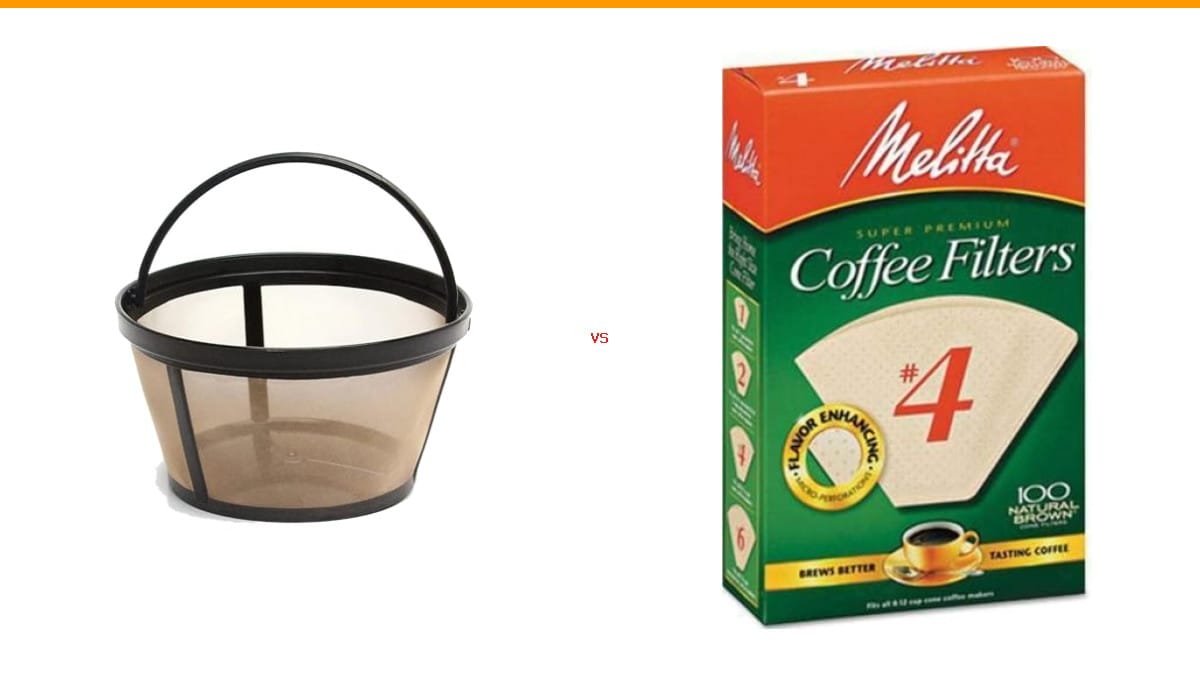
I ran both the Delibru reusable basket filter and the Melitta #4 unbleached paper cone through my daily routine for two weeks. Same beans, same grind size, same water temperature. The differences showed up fast — in flavor, in cleanup, and in the math that matters if you brew daily.
Here is the short version: the Delibru gives you a heavier, richer cup with visible oils and a bit of sediment. The Melitta gives you a cleaner, brighter cup that is more forgiving of a sloppy pour. Neither is wrong. But one of them fits your habits better than the other, and this comparison will show you which.
The Filter Face-Off: Why Your Choice Matters More Than You Think
Paper and metal filters are not interchangeable accessories. They are two different brewing philosophies. Paper traps the coffee oils and fine particles. Metal lets them through. That single difference changes the body, the mouthfeel, and the flavor profile of whatever you brew.
If you are coming from a French press or an Aeropress with a metal disc, you already know the oily texture I am talking about. If you have only ever used paper, switching to metal will feel like someone turned up the volume on your coffee. The Delibru uses a gold-toned stainless steel mesh that is specifically designed to let micro-grounds and natural oils pass through. That is not marketing fluff — you can see the oil swirling on top of the brew immediately.
The Science of Extraction: How Paper vs. Metal Changes Your Cup
Extraction is the process of pulling flavor out of ground coffee. The filter is the gatekeeper. It decides what makes it into your mug and what stays in the basket.
Paper Filters: The Fat and Oil Trap
Melitta builds their #4 cones with what they call Microfine Flavor Enhancing perforations. The paper grabs the oils and the fine sediment. What lands in your cup is a cleaner, more transparent brew. Acidity reads higher, sweetness is more pronounced, and the finish is crisp. The trade-off is body. Paper filters strip out the fats that give coffee that velvety weight. If you drink light roasts, this is often a good thing. You taste the origin notes without any muddiness.
There is a second effect worth noting. The paper also absorbs some of the bitter compounds. That makes paper filters more forgiving when you over-extract or use water that is a touch too hot. For a beginner, that safety net is valuable.
Metal Filters: The Full-Bodied Pass-Through
The Delibru’s stainless steel mesh does the opposite. It holds back the big chunks but lets the fines and oils flow straight through. The result is a cup with more body, more texture, and a heavier mouthfeel. You taste the roast character — the dark chocolate, the nuttiness, the caramel — in a way that paper filters mute.
But it is not perfect. The fines that pass through settle at the bottom of your mug. The last sip is gritty. And rancid oil buildup is a real issue if you do not clean the mesh properly. I will get to that in the maintenance section, because it is the reason some people give up on reusable filters after a month.
For a deeper look at how grind size interacts with filter type, check our burr grinder vs blade guide — the grind consistency determines how much sediment a metal filter lets through.
Head-to-Head: Taste, Texture, and Clarity
I brewed the same medium-roast Colombian beans through both filters on the same morning. Here is what changed.
| Attribute | Delibru Reusable (Metal Mesh) | Melitta #4 Paper |
|---|---|---|
| Body | Heavy, syrupy, almost French press-like | Light, tea-like, clean |
| Sediment | Noticeable fines at the bottom of the cup | None — crystal clear |
| Flavor profile | Roast-forward, earthy, oils prominent | Bright, acidic notes stand out |
| Bitterness | Higher if over-extracted | Muted — paper absorbs bitter compounds |
| Mouthfeel | Coating, dense | Crisp, refreshing |
| Grind sensitivity | Needs consistent medium-coarse grind | Forgiving of finer grinds |
That table sums up the practical difference. The Delibru is not better or worse — it is a different style. If you like your coffee with cream and sugar, the metal filter’s body will cut through the dairy better. If you drink black, the paper filter lets you taste the origin story of the bean more clearly.
The Cost Equation: Upfront Price vs. Long-Term Savings
Here is where the reusable filter starts to look smart. A box of Melitta #4 paper filters costs a few dollars for 100 cones. That sounds cheap until you realize you are burning through a box every three weeks if you brew a pot a day. Over a year, that is roughly 365 filters.
The Delibru costs more upfront — check the current price on Amazon — but it is a one-time purchase. You buy it once, and it sits in your basket for years. The gold-toned stainless steel mesh does not degrade, and the BPA-free plastic frame is dishwasher safe. There is no recurring cost after the initial buy.
The Break-Even Point Calculator
Do the math for your own situation. The formula is simple: divide the price of the reusable filter by the cost of a single paper filter. That number is how many brews it takes before the Delibru pays for itself.
For example, if a 100-count box of Melitta costs $8, each filter costs 8 cents. If the Delibru costs $16, you break even after 200 cups. That is about seven months of daily brewing. Every cup after that is free. If you brew two pots a day, you break even in under four months.
I have had my Delibru for over a year now. It has paid for itself multiple times over. The only cost I factor in is the occasional vinegar soak for deep cleaning, which costs pennies.
Environmental Impact: Beyond the Landfill
The eco-friendly argument for reusable filters is obvious — you stop throwing away paper every day. The Melitta filters are unbleached, compostable, and biodegradable, which is better than bleached white filters. But they still end up in the trash or compost bin, and the packaging adds up.
The Delibru eliminates that daily waste entirely. One filter replaces hundreds of paper cones. For anyone trying to reduce their kitchen footprint, that is a meaningful change. The product description itself emphasizes the waste reduction angle, and it is the strongest argument for making the switch.
The Microplastic and Nickel Question
This is the part most reviews skip. Bleached paper filters can shed trace amounts of dioxins during the brewing process. Melitta’s unbleached natural brown filters avoid that issue entirely. On the metal side, some stainless steel meshes can leach nickel, especially with acidic coffee. The Delibru is made from food-grade stainless steel, which minimizes that risk, but if you have a nickel sensitivity, it is worth knowing before you buy.
Neither option is dangerous for the average person. But it is a real consideration that nobody talks about, and you deserve the facts before you choose.
Brew Method Matchmaker: Which Filter Wins for Pour Over, French Press, and Aeropress
The Delibru is a basket-style filter designed for Mr. Coffee machines and similar 8-12 cup brewers. It drops into the flat basket and replaces the paper cone. It is not made for pour-over cones or Aeropress chambers. If you use a V60 or a Chemex, this filter will not fit.
The Melitta #4 is a cone filter. It fits any 8-12 cup electric cone brewer and most pour-over devices. It is the universal option. If you travel or switch brew methods often, the paper cone is the safer bet because it works everywhere.
For French press drinkers, neither of these is relevant — you already use a metal mesh plunger. But if you want to replicate that French press body in a drip machine, the Delibru gets you closer than paper ever will.
If your machine is acting up and you suspect the filter is not the issue, read our guide on Mr. Coffee not pumping water to rule out a clogged line.
Maintenance and Cleanup: The Daily Grind
Paper filters win on convenience. You use it once, you throw it away, you are done. No scrubbing, no drying, no worrying about old coffee oils going rancid. The Melitta is double-crimped to prevent bursting, and I never had a tear or a collapse in two weeks of testing.
The Delibru requires a habit shift. After each brew, you rinse the mesh under running water to flush out the fines. That takes ten seconds. But if you skip it and let the filter dry with coffee residue on it, the oils go rancid and the next cup tastes bitter and stale. I learned this the hard way on day three.
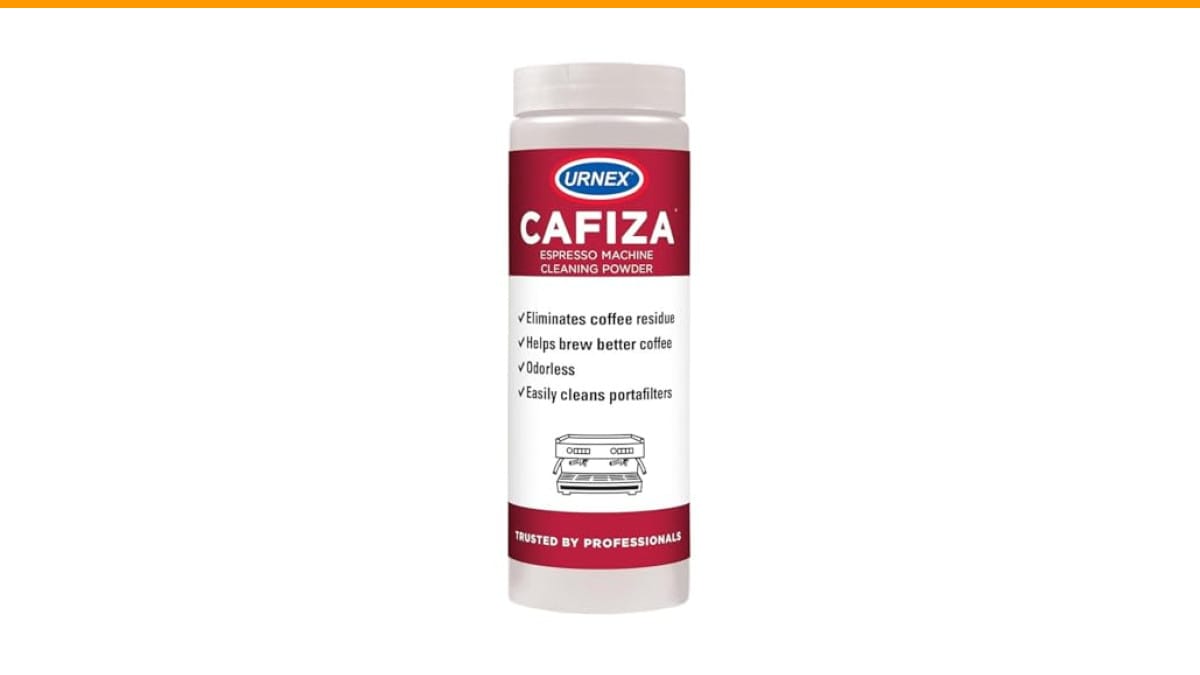
Once a week, you need a deeper clean. Soak the filter in a solution of hot water and white vinegar, or use a coffee equipment cleaner like Cafiza. This dissolves the oil film that rinsing cannot remove. The Delibru is dishwasher safe, which helps, but I found hand washing with a soft brush worked better for getting into the mesh corners.
If you are the kind of person who barely rinses your French press, the metal filter will frustrate you. If you are already meticulous about your gear, the maintenance is a five-minute weekly ritual you will not mind.
The Verdict: How to Choose Based on Your Coffee Personality
There is no single winner here because the right choice depends on what you value in a cup of coffee and how much effort you want to put into cleaning.
Buy the Delibru reusable filter if you want the boldest, oiliest, most textured cup your drip machine can produce. You will save money after a few months, you will stop sending paper to the landfill, and you will get a coffee that sits close to a French press in body. You just have to commit to the rinse-and-soak cleaning routine.
Buy the Melitta paper filters if you want a clean, bright, sediment-free cup and you do not want to think about maintenance. The unbleached paper is compostable, the filters are reliable, and the flavor clarity is excellent for light and medium roasts. The recurring cost is small, and the convenience is unmatched.
My honest recommendation: most people should start with paper filters to learn their brewer and their grind size. Once you dial in your routine, switch to the Delibru and see if you like the heavier body. Keep the paper cones around for when you brew for guests who prefer a cleaner cup. Both have a place in a well-stocked coffee kitchen.
For those times when your brewer stops working entirely, check our troubleshooting piece on Mr. Coffee buttons not working before you buy a new machine.
FAQ: Quick Answers to Your Burning Filter Questions
Will the Delibru filter fit my Mr. Coffee machine?
The Delibru is designed for 8-12 cup basket-style brewers, which covers most Mr. Coffee models. It drops into the flat basket where the paper filter goes. If your machine uses a cone-shaped filter holder, this will not fit. Measure your basket before ordering.
Does the metal filter change the caffeine content?
No. Caffeine extraction is driven by water temperature, grind size, and brew time — not the filter material. Both filters will deliver similar caffeine levels with the same coffee and water ratio. The metal filter does not boost caffeine.
How often do I need to replace the Delibru filter?
The stainless steel mesh does not wear out under normal use. The plastic frame is durable and BPA-free. With proper cleaning, the filter should last for years. The only reason to replace it is if the mesh gets bent or punctured, which would require rough handling.
Can I compost the Melitta paper filters after use?
Yes. The Melitta #4 filters are unbleached, biodegradable, and compostable. Used coffee grounds are also compostable, so you can toss the whole thing in your compost bin. Just tear the filter open to speed up decomposition.
Products related to this article
Sponsored / affiliate links. As an Amazon Associate I earn from qualifying purchases. I may earn additional commission from eligible campaigns.