You pull your cold brew out of the fridge after 18 hours, pour a glass over ice, and notice two things. The coffee looks beautiful — a deep amber brown, no visible sludge. But the mouthfeel is a little gritty, and the grounds at the bottom of the jar tell you the filter didn’t catch everything. That’s the moment you start wondering if a different filter type would fix it.
This is the paper vs metal filter debate, and it’s not just about particles. It changes the flavor profile, the body, the cleanup routine, and even how long your brew lasts. I’ve tested both sides of this argument with the same beans, same grind size, and same steeping time. The differences are real, and one is clearly better for certain situations. This guide walks through every angle so you can pick the right one without buying a second brewer.

Fermus
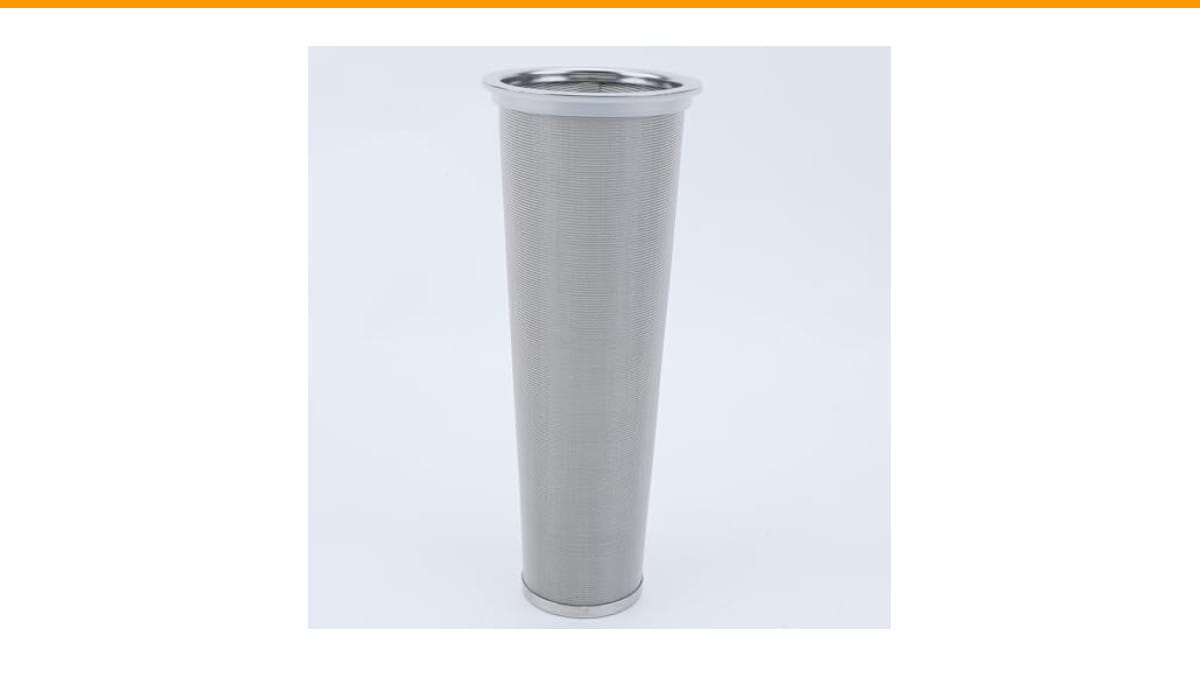
Fermus Cold Brew Coffee Filter for 64oz…
- Fit 64 oz Wide Mouth Mason Jar for convenient brewing.! Enjoy smooth, rich coffee with our fine mesh stainless steel filter.
- Bottom diameter is 2", top is 3 1/4, on the flange it’s 8 1/2 tall.
- A silicone rings around the cone filter and lid ensure that there is no leaking.
As an Amazon Associate I earn from qualifying purchases.
You’ll walk away knowing exactly what each filter does to your cup, what it costs you in time and money, and which one matches how you actually drink cold brew.
If you’re brewing in a wide-mouth mason jar, the Fermus Cold Brew Coffee Filter is a solid metal option that fits 64oz jars. It uses a fine 304 stainless steel mesh with a silicone seal around the cone and lid, so you don’t get leaks or stray grounds when you lift it out. Worth a look if you want the metal route done right.
What Each Filter Actually Does to Your Cold Brew
Metal filters are basically a mesh screen. The holes sit around 100 to 300 microns, which catches the big chunks of coffee but lets fine sediment and some coffee oils pass straight through. Paper filters, on the other hand, trap particles down to around 20 microns. They also absorb a good portion of the natural oils that carry flavor compounds.
That difference shows up immediately in the glass. Metal-filtered cold brew has a heavier body — almost syrupy in some cases. It coats your tongue like a full-bodied red wine. Paper-filtered brew tastes cleaner and lighter, closer to what you’d get from a pour-over. The oils that paper strips out are the same ones that make cold brew taste rich and chocolatey, so removing them changes the flavor noticeably.
There’s also a clarity factor. Hold both glasses up to light and metal-filtered brew looks slightly hazy, even after a long steep. Paper-filtered brew is crystal clear. That haze isn’t a defect — it’s just the micro-grounds and oils still in suspension. Some people find that haze adds character. Others find it off-putting.
One thing nobody talks about enough: the grind size you use matters more than the filter type. With a metal filter, you need a coarser grind — think kosher salt or slightly bigger. Fine grind particles will slip through the mesh and make your brew muddy. Paper filters are more forgiving because they catch those fines, so you can get away with a medium-coarse grind without ruining the cup.
Cleanup, Cost, and the Daily Routine
This is where the two filters really diverge. Paper filters are single-use. You brew, you toss the saturated paper and grounds into the compost bin, and you rinse the brewer. Total cleanup time is maybe two minutes. No scrubbing, no soaking, no worrying about leftover oils going rancid.
Metal filters require more attention. The mesh traps oils that polymerize over time — that’s the sticky film you feel when you run your finger across the screen. If you don’t rinse it immediately after use, that film hardens and gets harder to remove. A quick rinse under hot water right after brewing keeps it manageable. A weekly soak in a baking soda solution or a dedicated coffee cleaner handles the stubborn buildup.
Cost-wise, paper filters add up. A pack of 100 cold brew paper filters runs somewhere between $8 and $15 depending on the brand and where you shop. If you brew once a week, that’s roughly $40 to $75 a year. Metal filters cost more upfront — usually $15 to $40 for a decent one — but they last for years with proper care. The Fermus filter I mentioned earlier is built from 304 stainless steel, which resists rust and holds up to repeated use without warping.
There’s a convenience angle too. Paper filters are great for travel or camping because you don’t need to carry cleaning supplies. Metal filters mean you’re committed to finding a sink with hot water after every brew. If you’re the type who forgets to rinse a strainer until the next morning, metal might frustrate you.
Flavor Shelf Life and Storage Differences
Here’s a subtle point that most comparisons skip. The oils in cold brew go rancid faster than you think. Metal-filtered cold brew, with all its oils intact, starts losing its bright notes after about 5 to 7 days in the fridge. The flavor turns flat, and sometimes you get a cardboard-like taste from oxidized oils.
Paper-filtered cold brew lasts longer. Because the paper strips out most of those oils, there’s less material to oxidize. You can comfortably store it for 10 to 14 days without noticing much degradation. If you brew a big batch and sip it slowly through the week, paper gives you more margin.
That said, the trade-off is flavor intensity. Metal-filtered cold brew tastes more vibrant on day one. The oils carry aromatic compounds that hit your nose right as you take a sip. Paper-filtered brew is more muted initially, but it stays consistent. For me personally, I’d rather have the vibrant day-one cup and finish the batch within a week. If you’re brewing for a crowd or tend to forget your coffee in the back of the fridge, paper is the safer bet.
There’s also a texture consideration for milk drinkers. Metal-filtered cold brew holds up better when you add milk or cream. The extra body keeps the drink from feeling watery. Paper-filtered brew can get thin and tea-like with milk, which some people find disappointing.
Paper vs Metal Filter for Cold Brew Coffee Maker: Side-by-Side Comparison
| Factor | Paper Filter | Metal Filter |
|---|---|---|
| Mouthfeel | Light, clean, tea-like | Heavy, syrupy, full-bodied |
| Flavor clarity | Bright but muted oils | Rich, chocolatey, more aromatic |
| Sediment in cup | Minimal, almost none | Fine particles, visible haze |
| Cleanup time | 2 minutes, toss and rinse | 5-10 minutes, needs scrubbing |
| Annual cost (weekly brewing) | $40–$75 for disposables | $0 after initial purchase |
| Upfront cost | $8–$15 per pack | $15–$40 for a durable one |
| Fridge shelf life | 10–14 days | 5–7 days before flavor fades |
| Grind size tolerance | Medium-coarse works fine | Must be coarse, fines slip through |
| Environmental impact | Single-use waste, but compostable | Zero waste if maintained |
| Best for | Long storage, easy cleanup | Rich flavor, daily brewing |
One more thing worth noting: metal filters work better with cold brew concentrate. If you’re making a strong batch to dilute with water or milk later, the extra body from the oils helps the concentrate stand up to dilution. Paper filters work fine for concentrate too, but the final drink will be less intense after you add water.
Which Filter Should You Choose?
Start with your drinking habits. If you brew once a week and finish the batch in three or four days, metal is the better choice. You get the richer flavor, you save money over time, and the cleanup isn’t a big deal if you rinse right away.
If you brew every other week or make large batches that sit in the fridge for a while, paper wins. The longer shelf life and the lighter body make it more versatile for mixing into cocktails or using as a base for flavored syrups. You also avoid the frustration of scrubbing a mesh screen that you only use twice a month.
There’s a middle path. Use a metal filter for your main brewing and keep a pack of paper filters around for when you’re making a batch you know will sit longer. That way you get the best of both without committing to one system. It’s a bit more gear to store, but it costs less than a second brewer.
For most home users, I’d lean metal. The flavor difference is noticeable enough that once you try a properly filtered metal brew, going back to paper feels like drinking diluted coffee. Just be honest with yourself about whether you’ll keep up with the cleaning. A neglected metal filter produces worse coffee than a paper filter ever will.
If you’re already dealing with filter clogs or weird flow issues in your regular coffee maker, the same logic applies to cold brew. A clean filter is non-negotiable, and that’s true for cleaning a clogged coffee maker just as much as it is for your cold brew setup.
Common Questions About Cold Brew Filters
Does a metal filter make cold brew stronger?
Not in terms of caffeine, but it tastes stronger. The oils and fine particles that pass through the metal mesh carry flavor compounds that paper traps. So the same beans and same brew time will produce a cup with more body and a more intense coffee taste through a metal filter. The caffeine extraction is roughly the same because caffeine dissolves in water regardless of filter type.
Can I use a paper filter in a metal cold brew maker?
Sometimes, but it’s awkward. Most metal filters are shaped like cones or cylinders that sit inside a jar. Paper filters are designed for flat-bottomed brewers or pour-over cones. You can try cutting a paper filter to fit, but it tends to collapse and clog. If you want paper filtration, buy a brewer designed for it rather than forcing a hybrid setup.
Why is my cold brew cloudy with a metal filter?
That’s the micro-grounds and coffee oils. Even a fine metal mesh can’t catch everything. The cloudiness is harmless, but if it bothers you, try a coarser grind or let the brew sit in the fridge for a few hours after straining. The sediment will settle to the bottom and you can pour off the clearer liquid on top.
How often should I replace a metal cold brew filter?
A good stainless steel filter lasts years. The mesh doesn’t wear out under normal use. What fails is the frame or the gasket. Silicone rings can crack or stretch over time, and cheap plastic frames can warp. If you notice leaks around the edges or grounds getting through, it’s time to replace it. The Fermus filter uses a silicone ring design specifically to avoid that leak problem.
Are paper filters worth the extra cost?
Only if you value convenience and longer shelf life. The $40 to $75 a year for paper is real money, but you save time on cleanup and you don’t have to worry about rancid oils. If you brew less than once a week, the cost per cup is low enough that paper might make more sense than buying a metal filter you’ll barely use.
What to Remember When Choosing a Filter
- Metal filters give you a richer, heavier cup with more aroma, but they require immediate rinsing and occasional deep cleaning.
- Paper filters produce a cleaner, lighter brew that stores longer, but they cost money every single time you brew.
- Grind size matters more with metal — use a coarse grind or you’ll get muddy coffee.
- If you brew concentrate to dilute later, metal handles it better because the extra body survives dilution.
- For occasional brewers, paper is simpler and more forgiving. For weekly rituals, metal pays off within a year.
- A hybrid approach — metal for regular use, paper for long storage — gives you flexibility without much extra cost.
Whichever you pick, remember that a dirty filter ruins good beans. Regular cleaning keeps your setup working right, whether it’s your cold brew filter or your main machine. If you’re troubleshooting a Ninja coffee maker brew button issue or any other gear problem, the fix is often simpler than you think — start with a thorough clean.
Products related to this article
Sponsored / affiliate links. As an Amazon Associate I earn from qualifying purchases. I may earn additional commission from eligible campaigns.
 HomeBeyond Espresso Coffee Maker 12 Cups, Classic Stovetop Espresso Maker, 600ml / 20oz Coffeemaker for Gas & Ceramic Stovetops (Silver)
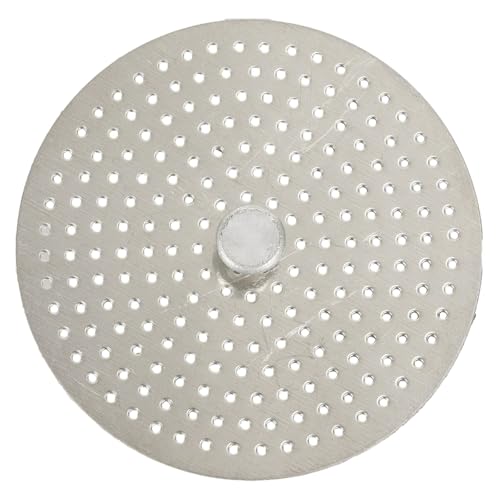 Stainless Steel Moka Pot Coffee Filter Disc for Espresso Brewing, Coffee Maker Replacement Filter Plate for Home Office Coffee Bar Cafe (FOR 4 Cups)
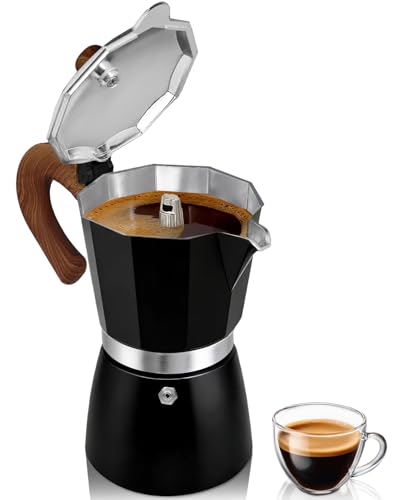 Belly Moka Coffee Maker Stovetop Espresso Maker 9 Cup Aluminum Moka Pot Percolator 15oz 450ml Easy Brewing for Electric Ceramic Stoves Home Camping Italian Cuban Café Classic Black