You press the brew button, expecting the gentle trickle of morning coffee. Instead, the machine sounds like a blender fighting a bag of marbles. It’s a common problem.
That racket isn’t just annoying. It is a clue. Your single serve coffee maker is trying to tell you something is wrong, and ignoring it can turn a $100 machine into a paperweight.
Ninja
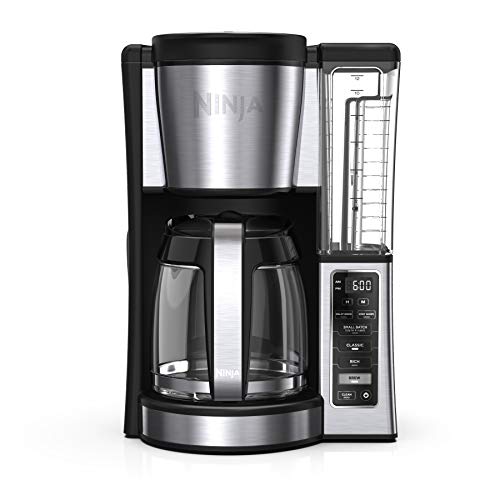
Ninja Fresh Brew Coffee Maker, 12 Cup…
- 2 BREW STYLES: Classic or Rich, each brew is flavorful and never bitter with custom brew strengths.
- 12-CUP GLASS CARAFE: Brew small or large batches of coffee – perfect for day to day or entertaining.
- HOTTER BREWING TECHNOLOGY: Delivers even saturation and temperature control for ultra-flavorful coffee.
As an Amazon Associate I earn from qualifying purchases.
This guide walks you through the exact causes of loud noises, how to fix them in minutes, and when to stop troubleshooting and buy a new brewer. You’ll get real, practical steps from someone who has taken these machines apart, not generic advice.
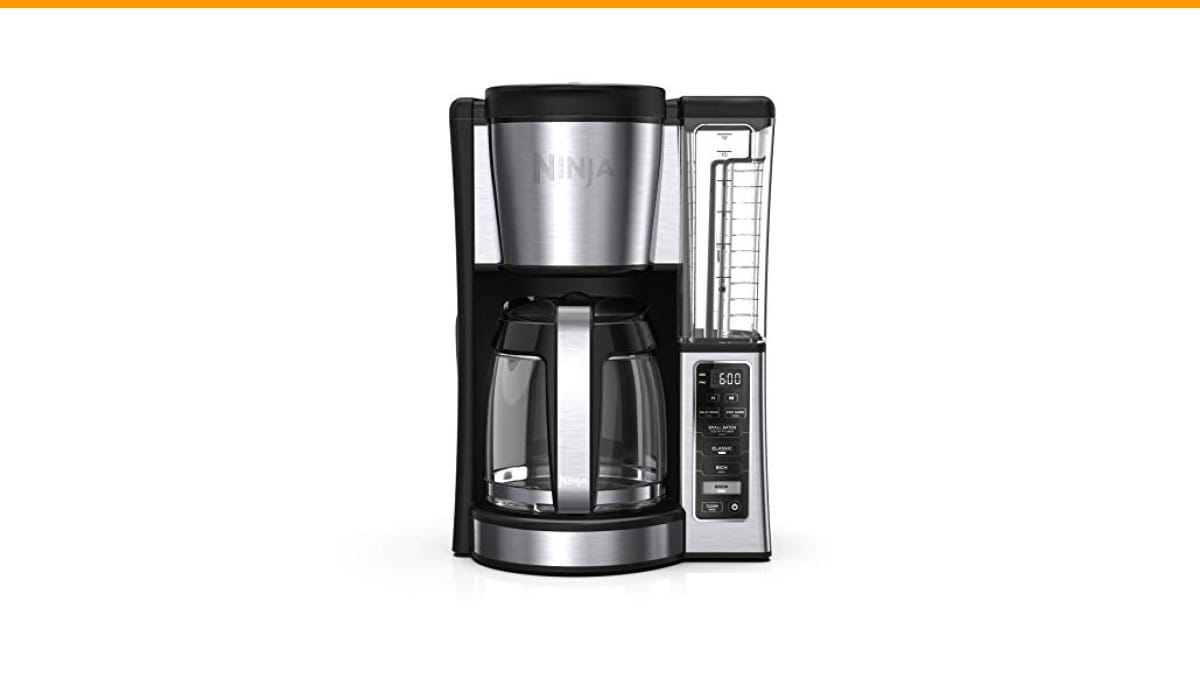
If the noise persists after a full descale and cleaning, and you’re ready for a replacement, the Ninja Fresh Brew Coffee Maker offers a quieter, more reliable brewing experience with a 12-cup glass carafe and 24-hour programmable delay brew. It’s a solid upgrade from a noisy single-serve unit.
What That Noise Actually Means
Not all loud noises are the same. Before you take anything apart, listen closely. The sound tells you where the problem lives.
High-pitched whining or screeching almost always points to air in the water pump. This happens when the water reservoir runs dry or the pump loses its prime. The pump is a small electric motor pushing a piston. When it sucks air, it screams.
Loud gurgling or sputtering means scale buildup. Mineral deposits from hard water restrict the flow inside the heating tube. Water boils, creates steam bubbles, and forces its way through the narrow passage. That sounds like a coffee maker with a stomach ache.
Rattling or vibrating is usually mechanical. The drip tray might be loose. A pod holder could be misaligned. Sometimes, the entire machine sits unevenly on the counter.
Loud grinding right after you insert a pod points to the needle that pierces the pod. It might be dull, bent, or blocked by coffee grounds.
Step-by-Step Fixes for a Noisy Single Serve Coffee Maker
Try these fixes in order. Most people solve the problem at step one or two. Each step takes about ten minutes.
Step 1: Descale the Machine
This is the number one fix. If you have not descaled in three months, skip the other steps and do this first.
- Empty the water reservoir.
- Mix a descaling solution with water. Follow the ratio on the bottle. White vinegar mixed 50/50 with water works too.
- Pour the solution into the reservoir.
- Run a brew cycle without a pod. Let the machine sit for 30 minutes.
- Run two full cycles with plain water to rinse out all the vinegar or solution.
The noise should drop significantly. Scale acts like sandpaper on the internal heating element. Removing it also makes your coffee taste better. Check our guide on proper cleaning methods for more detail.
Step 2: Check the Water Reservoir
Lift the reservoir and push it back down firmly. A poor seal lets air get sucked into the line. Make sure the bottom valve aligns with the machine’s intake port. If the reservoir is cracked, replace it. Even a hairline crack causes air intake.
Step 3: Inspect the Pod Holder and Needle
Remove the pod holder. Look at the exit needle at the bottom. If it is clogged with grounds, use a paperclip to clear it. Check the top needle that pierces the foil. If it looks bent, do not try to straighten it. Replace the assembly.
Step 4: Level the Machine
Place a small level on top of the machine. If it is off, adjust the feet. A machine that rocks while running will vibrate loudly on a hard counter. A silicone mat under the machine absorbs most of that vibration.
When to Stop Fixing and Replace the Machine
You can fix a lot with vinegar and a paperclip. But some noises mean the end is near.
Continuous grinding that gets worse usually means the internal pump is failing. Pump replacement costs almost as much as a new machine. It is not worth the labor.
Loud noise accompanied by leaking signals a cracked internal manifold. This is a terminal condition for most single-serve brewers.
Burning smell with the noise means the heating element is overheating. Turn it off immediately.
If your machine is over two years old and makes these sounds, start shopping. You will spend more on replacement parts and your time than a new brewer costs. For a larger household, a traditional drip machine like the Ninja Fresh Brew Coffee Maker removes the pump noise entirely.
Comparing Your Options: Fix, Repair, or Replace
| Option | Cost | Time | Best For |
|---|---|---|---|
| Descale & Clean | $5 (vinegar) | 30 minutes | First response for any noise. Works 80% of the time. |
| Replace Pod Holder / Needle | $15 – $25 | 10 minutes | Visible clogs or bent needles on a machine under 1 year old. |
| Professional Repair | $60 – $90 | 1 week | Only for expensive machines over $200. Rarely worth it. |
| Buy New Coffee Maker | Check current price | Immediate | Machines over 2 years old with pump or heating element failure. |
Five Common Questions About Noisy Coffee Makers
Why is my new single-serve coffee maker so loud?
New machines often have air in the pump from shipping. Run two or three water-only cycles before your first cup. The noise should disappear as the pump primes. If it continues, it is a manufacturing defect. Return it.
Can I use vinegar instead of descaling solution?
Yes. White vinegar works well. Use a 50/50 mix with water. Run the cycle, let it sit, then rinse thoroughly. The downside is the vinegar smell lingers for a couple of brews. Commercial descalers are faster and smell better.
How often should I descale to prevent this?
Every 3 to 6 months. Hard water requires the shorter end of that range. If you live in an area with mineral-heavy water, descale every 60 days. You can also use filtered water to slow scale buildup. Here is a helpful guide on cleaning frequency.
Is it safe to keep using a coffee maker that makes a loud noise?
If it is just scale or air, yes. If you hear grinding metal or smell burning, no. Stop using it immediately. A failing pump can overheat and become a fire hazard. Those two symptoms are your cue to unplug it.
Does the type of coffee pod affect the noise level?
Yes. Finely ground coffee packs tighter. The machine has to work harder to push water through. Some third-party pods are packed too densely. Switch to a different brand and see if the noise changes. If it does, stick with the quieter pod.
Three Mistakes That Make the Problem Worse
Most people turn a small issue into a dead machine by doing the wrong thing first.
Mistake 1: Running the machine without water. This burns out the pump instantly. Always check the reservoir level before pressing brew.
Mistake 2: Using descaling solution and not rinsing. The acidic solution eats the internal seals if left inside. Run at least three full water cycles after descaling. Your next cup of coffee will taste like vinegar if you don’t.
Mistake 3: Overtightening the pod holder. You only need it snug. Cranking it down warps the gasket and creates a leak path for air and water. This actually makes the noise louder.
What You Should Do Right Now
Stop reading and go check your machine. You will know the fix within five minutes.
- Listen to the sound. Whining means air. Gurgling means scale. Rattling means loose parts.
- Descale first. It is the cheapest fix and the most common solution.
- Check the reservoir seal and pod holder alignment.
- Clear any clogged needles with a paperclip.
- Level the machine and use a mat to reduce vibration.
- Stop using the machine if you smell burning or hear metal grinding.
- If the machine is old and the noise persists, replace it. Your time is worth more than the repair cost.
A loud coffee maker is a fixable problem most of the time. A few minutes of maintenance keeps your mornings quiet. And if you are looking for a reliable upgrade, check the Ninja Fresh Brew Coffee Maker on Amazon. It brews a full carafe without the high-pitched pump whine of a single-serve unit.
Products related to this article
Sponsored / affiliate links. As an Amazon Associate I earn from qualifying purchases. I may earn additional commission from eligible campaigns.
 HomeBeyond Espresso Coffee Maker 12 Cups, Classic Stovetop Espresso Maker, 600ml / 20oz Coffeemaker for Gas & Ceramic Stovetops (Silver)
 Belly Moka Coffee Maker Stovetop Espresso Maker 9 Cup Aluminum Moka Pot Percolator 15oz 450ml Easy Brewing for Electric Ceramic Stoves Home Camping Italian Cuban Café Classic Black
 Belly Moka Coffee Maker Stovetop Espresso Maker 6 Cup Aluminum Moka Pot Percolator 10oz 300ml Easy Brewing for Electric Ceramic Stoves Home Camping Italian Cuban Café Classic Silver