You love starting your day with a fresh cup of coffee. But have you ever stopped to think about how clean your coffee maker really is?
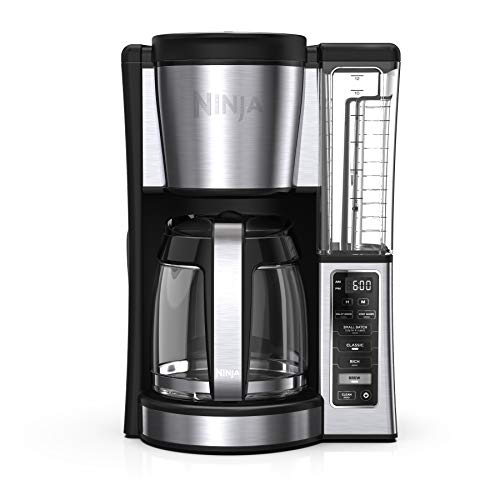
Ninja
Ninja Fresh Brew Coffee Maker, 12 Cup…
- 2 BREW STYLES: Classic or Rich, each brew is flavorful and never bitter with custom brew strengths.
- 12-CUP GLASS CARAFE: Brew small or large batches of coffee – perfect for day to day or entertaining.
- HOTTER BREWING TECHNOLOGY: Delivers even saturation and temperature control for ultra-flavorful coffee.
As an Amazon Associate I earn from qualifying purchases.
If you want every cup to taste great and avoid any hidden health risks, keeping your machine clean is key. So, how often should you clean your coffee maker to get the best flavor and keep it running smoothly? Keep reading, because the answer might surprise you—and it could save you time, money, and a lot of frustration.

Credit: www.purehqfilters.com
Why Clean Your Coffee Maker
Cleaning your coffee maker is not just a chore. It is key to enjoying great coffee every day. Regular cleaning keeps your machine working well and protects your health. Let’s explore why cleaning matters.
Impact On Coffee Taste
Old coffee oils and mineral build-up change the flavor. Coffee tastes bitter or stale. Clean machines brew fresh, rich coffee. Cleaning removes old residues. Each cup tastes better and more enjoyable.
Preventing Bacteria And Mold
Moist environments inside coffee makers invite germs. Bacteria and mold grow quickly in warm, wet places. Drinking from a dirty machine can cause illness. Cleaning stops harmful germs from growing. It keeps your coffee safe and healthy.
Extending Appliance Lifespan
Mineral deposits and grime damage parts over time. A dirty machine works harder and breaks sooner. Cleaning reduces wear and tear. It keeps your coffee maker running longer. Save money by avoiding early replacements.
Signs Your Coffee Maker Needs Cleaning
Knowing when to clean your coffee maker helps keep your brew fresh and tasty. Over time, residue and minerals build up inside your machine. This affects the coffee flavor and brewing speed. Watch for these common signs that your coffee maker needs cleaning.
Unusual Taste Or Smell
Your coffee tastes bitter or strange. It might smell sour or stale. These are clues that old coffee oils or mold are inside. Cleaning removes these bad flavors and smells.
Slow Brewing Time
Does your coffee maker take longer than usual to brew? Mineral deposits can block water flow. Slow brewing means your machine needs a deep clean. This helps water pass through smoothly.
Visible Residue Or Build-up
Look inside the coffee pot and water reservoir. White or dark spots show mineral scale or coffee stains. These deposits harm the machine and flavor. Regular cleaning clears away this residue.
Recommended Cleaning Frequency
Cleaning your coffee maker regularly keeps it working well and your coffee tasting fresh. Dirt and minerals build up fast. This can cause bad flavors and damage your machine.
Follow a simple schedule to keep your coffee maker clean. This helps it last longer and makes your coffee better every day.
Daily Maintenance Tips
Rinse the removable parts after each use. Wash the filter basket and carafe with warm soapy water. Wipe the outside with a damp cloth. This stops old coffee oils from building up. It keeps your coffee fresh and your machine clean.
Weekly Deep Cleaning
Once a week, clean the coffee maker more thoroughly. Use a mixture of water and mild soap. Clean inside the water reservoir and the coffee basket. Scrub any parts with coffee stains. Rinse well to remove soap. This prevents mold and bacteria growth.
Monthly Descaling
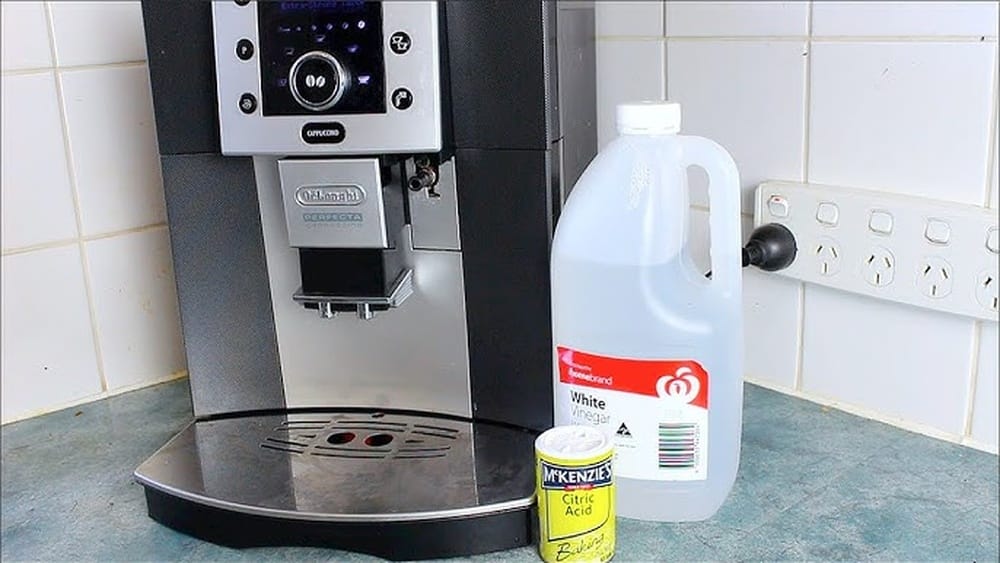
Mineral deposits from water can block your coffee maker. Descale it every month to remove these deposits. Use a descaling solution or white vinegar. Run it through a brew cycle, then rinse with fresh water. This keeps your machine working well and your coffee tasting good.

Credit: iamzchef.com
Step-by-step Cleaning Methods
Cleaning your coffee maker regularly helps it work better and last longer. Follow these simple steps to keep your machine clean and your coffee tasting great. Each step focuses on a key part of the cleaning process. Doing this often prevents buildup and keeps your coffee fresh.
Routine Cleaning With Soap And Water
Start by unplugging the coffee maker. Remove the coffee grounds and discard them. Use warm water and a mild dish soap. Wash the basket and carafe by hand. Rinse well to remove all soap. Wipe the outside of the machine with a damp cloth. Dry all parts before putting them back.
Descaling With Vinegar Or Commercial Solutions
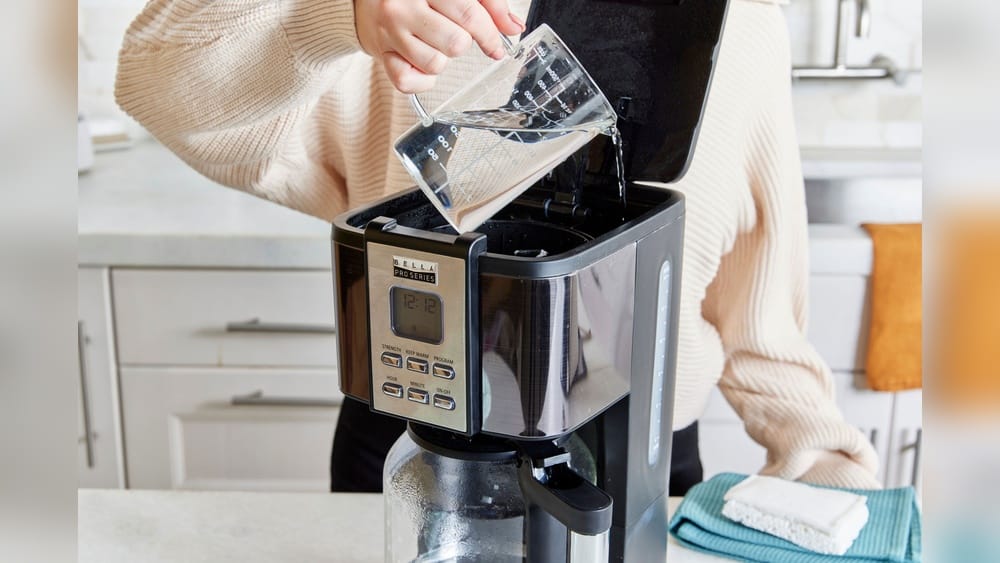
Fill the water reservoir with equal parts white vinegar and water. Run a full brew cycle without coffee grounds. Turn off the machine halfway and let it sit for 30 minutes. Finish the cycle and discard the vinegar mix. Run two or three cycles with clean water to rinse. Use a commercial descaling product as directed for tough buildup.
Cleaning Removable Parts
Take out all removable parts like filters and drip trays. Soak them in warm, soapy water for 15 minutes. Use a soft brush to clean hard-to-reach areas. Rinse thoroughly and dry each part. Check the machine’s manual for parts that are dishwasher safe. Replace all parts properly before using the coffee maker again.
Tips For Different Coffee Maker Types
Coffee makers need regular cleaning to keep coffee tasting fresh and machines working well. Different types of coffee makers need different cleaning routines. Knowing how often and how to clean each type helps you avoid bad taste and machine damage.
Drip Coffee Makers
Drip coffee makers should be cleaned every 1 to 3 months. Remove the filter basket and wash it after every use. Run a cycle with equal parts water and white vinegar once a month. This helps remove mineral buildup inside the machine. Rinse by running two cycles of clean water afterward.
Single-serve Machines
Clean single-serve machines every 1 to 2 months. Empty and wash the drip tray and pod holder after each use. Run a cleaning cycle with water and vinegar or a manufacturer-recommended cleaner monthly. Wipe the exterior and needle area often to prevent clogging and buildup.
Espresso Machines
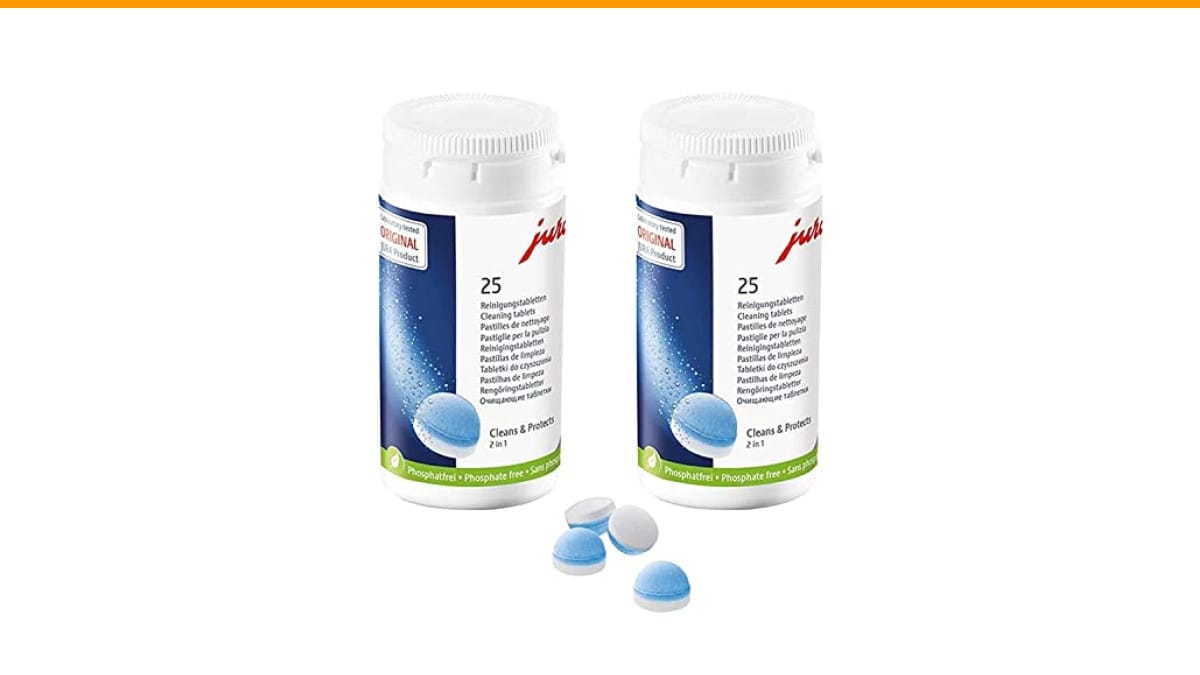
Espresso machines need cleaning after every use and deep cleaning weekly. Clean the portafilter and group head with hot water. Use a brush to remove coffee grounds. Backflush with a cleaning tablet once a week to clear oils and residue. Descale every 3 months to stop mineral deposits.
:max_bytes(150000):strip_icc()/GettyImages-6542-000125-e81b37daf0214ea1b2e7fd3c26ec75a3.jpg)
Credit: www.southernliving.com
Avoiding Common Cleaning Mistakes
Cleaning your coffee maker is important for good taste and machine health. Many people make simple mistakes that can harm the machine or reduce its life. Avoiding these errors keeps your coffee fresh and your machine working well.
Using Harsh Chemicals
Harsh chemicals can damage your coffee maker’s parts. Strong cleaners may leave harmful residues behind. These residues can affect the taste of your coffee. Use mild cleaning solutions or special coffee maker cleaners instead. Always rinse the machine well after cleaning.
Ignoring Manufacturer Guidelines
Each coffee maker has its own cleaning rules. Ignoring the manual can cause problems. You might use the wrong cleaner or clean too often. Follow the instructions to protect your machine. This helps avoid damage and keeps the warranty valid.
Overlooking Filter Replacement
Filters trap dirt and coffee oils. Old filters can clog and reduce flavor. Replace filters regularly to keep coffee fresh. Check the manual for how often to change them. Clean filters help your machine run smoothly.
Maintaining Your Coffee Maker For Best Results
Keeping your coffee maker clean and well-maintained helps it work better. It also makes your coffee taste fresh. A clean machine lasts longer and avoids problems. Simple care steps keep your coffee maker in top shape. Small habits can prevent build-up and keep water flowing smoothly.
These tips focus on easy ways to care for your coffee maker. Follow them to enjoy great coffee every day. Your machine will thank you with better performance and taste.
Using Filtered Water
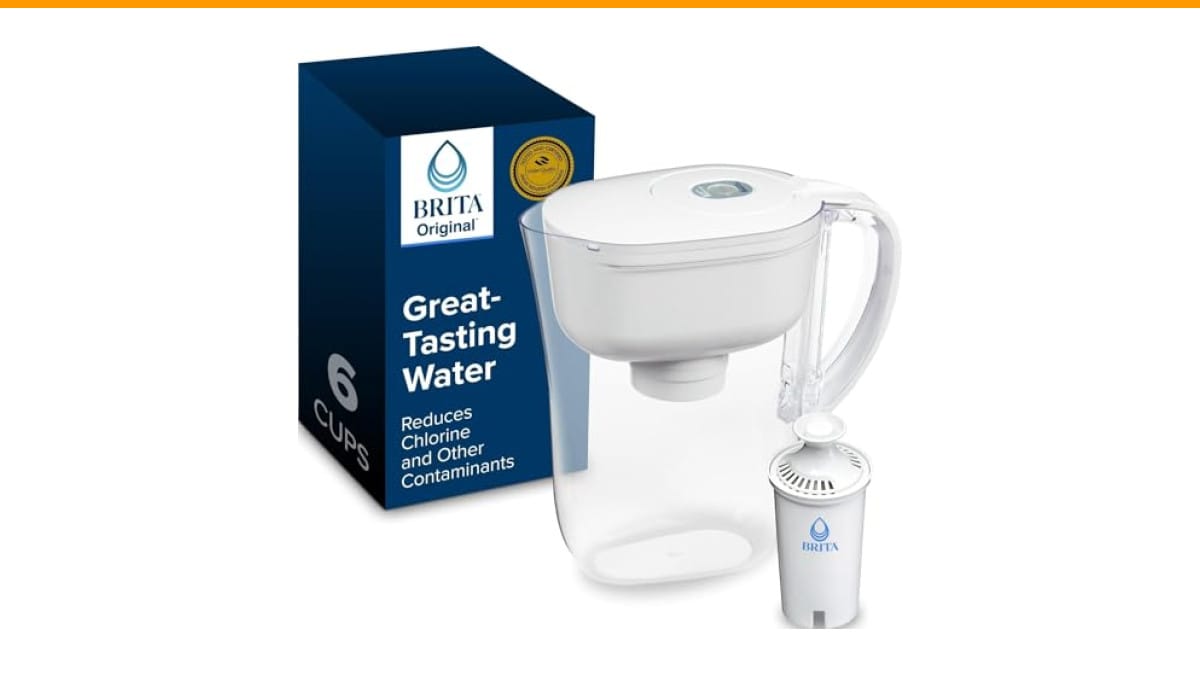
Filtered water reduces minerals that cause build-up inside your coffee maker. It prevents scaling and keeps parts clean. Using filtered water means fewer cleanings are needed. Your coffee will taste better without strange flavors from tap water. Always pour fresh filtered water for each brew.
Regularly Replacing Filters
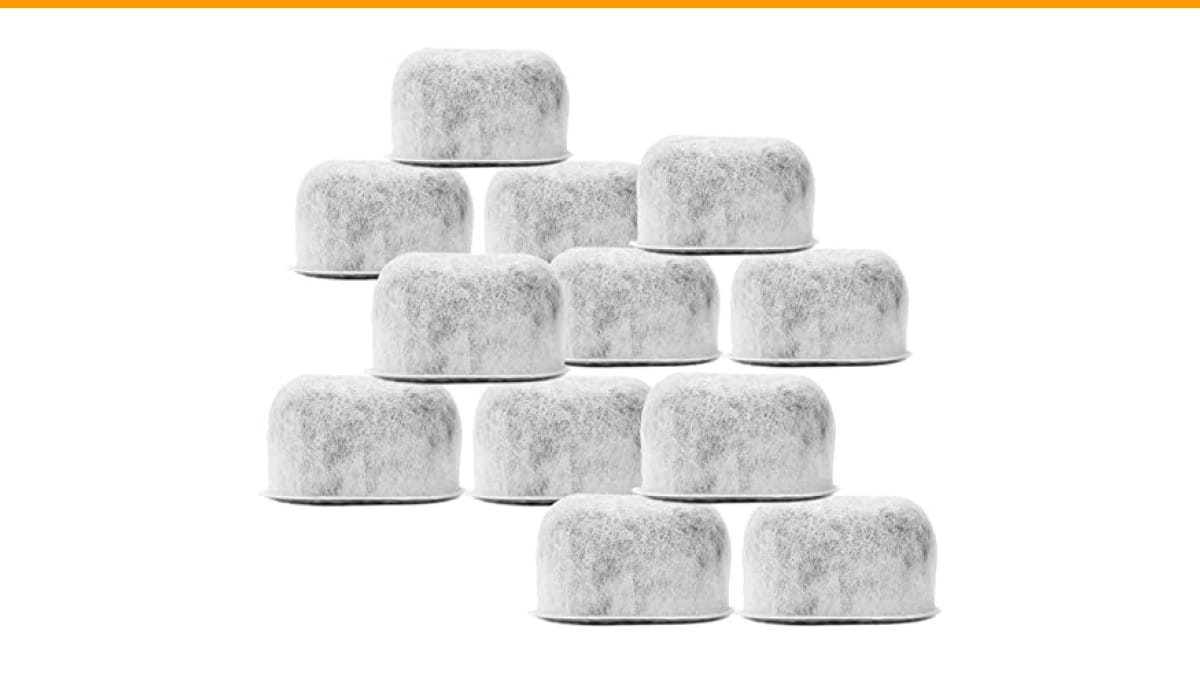
Many coffee makers have water or coffee filters. Change these filters as the manufacturer suggests. Old filters slow down brewing and reduce taste quality. A fresh filter traps impurities and keeps the machine clean. Check the filter regularly and replace it on time.
Proper Storage
Store your coffee maker in a dry place to avoid mold and mildew. Make sure it is empty and dry before storing. Leaving water inside can cause damage or bad smells. Cover the machine to stop dust from settling on it. Proper storage keeps your coffee maker ready for use.
Frequently Asked Questions
How Often Should I Clean My Coffee Maker?
Clean your coffee maker every 1 to 3 months. Frequent cleaning prevents buildup and ensures better tasting coffee. If you use it daily, cleaning once a month is ideal. For occasional use, every 3 months is sufficient.
What Happens If I Don’t Clean My Coffee Maker?
Not cleaning your coffee maker leads to mineral buildup and mold growth. This can affect coffee flavor and machine performance. It may also cause clogging and shorten the appliance’s lifespan. Regular cleaning keeps it safe and efficient.
Can I Use Vinegar To Clean My Coffee Maker?
Yes, white vinegar is an effective natural cleaner for coffee makers. It dissolves mineral deposits and removes odors. Run a vinegar-water solution through the machine, then rinse with fresh water. Avoid using harsh chemicals that may damage your coffee maker.
How Do I Know When My Coffee Maker Needs Cleaning?
Signs include slow brewing, strange odors, or off-tasting coffee. Visible residue or mold inside the machine also indicates it’s time to clean. Regular maintenance helps avoid these issues and keeps your coffee tasting fresh.
Conclusion
Cleaning your coffee maker regularly keeps your coffee fresh and tasty. Aim to clean it every one to two weeks. This prevents build-up of old coffee oils and minerals. A clean machine lasts longer and works better. Simple steps make cleaning easy and quick.
Set a reminder to keep your routine steady. Enjoy better coffee with a clean coffee maker. Small effort, big difference.
Related pick: Check today's price on Amazon Sponsored / affiliate links. As an Amazon Associate I earn from qualifying purchases. I may earn additional commission from eligible campaigns.Products related to this article
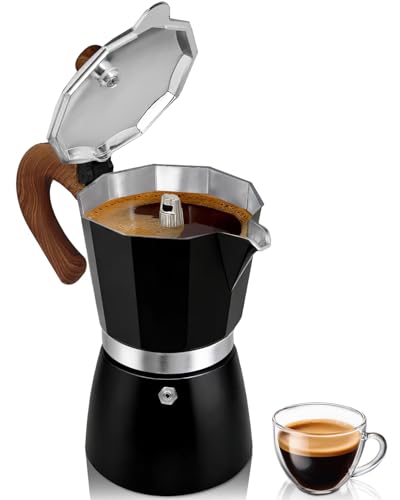 Belly Moka Coffee Maker Stovetop Espresso Maker 9 Cup Aluminum Moka Pot Percolator 15oz 450ml Easy Brewing for Electric Ceramic Stoves Home Camping Italian Cuban Café Classic Black
 Belly Moka Coffee Maker Stovetop Espresso Maker 6 Cup Aluminum Moka Pot Percolator 10oz 300ml Easy Brewing for Electric Ceramic Stoves Home Camping Italian Cuban Café Classic Silver
 HomeBeyond Espresso Coffee Maker 12 Cups, Classic Stovetop Espresso Maker, 600ml / 20oz Coffeemaker for Gas & Ceramic Stovetops (Silver)