That grinding, whining, or rattling sound from your countertop is enough to ruin a morning. You press the button, and instead of a quiet hum, you get a noise that sounds like the machine is chewing rocks. Most people assume the whole unit is dying. That is rarely true.
This guide shows you how to identify the problem by the specific sound your machine makes. You’ll learn which noises mean a simple cleaning fix, which ones mean a worn part, and which ones mean it’s time to shop for a replacement. You’ll also get a straight answer on whether a DIY repair is worth your time and money.

ERETOW
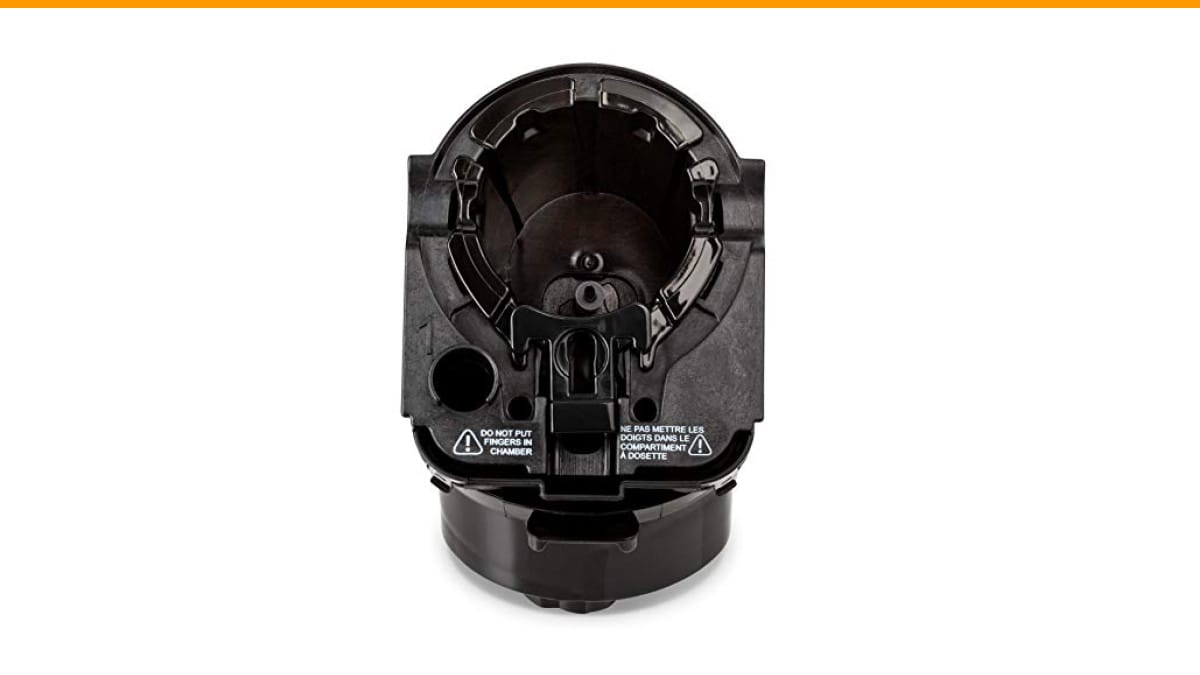
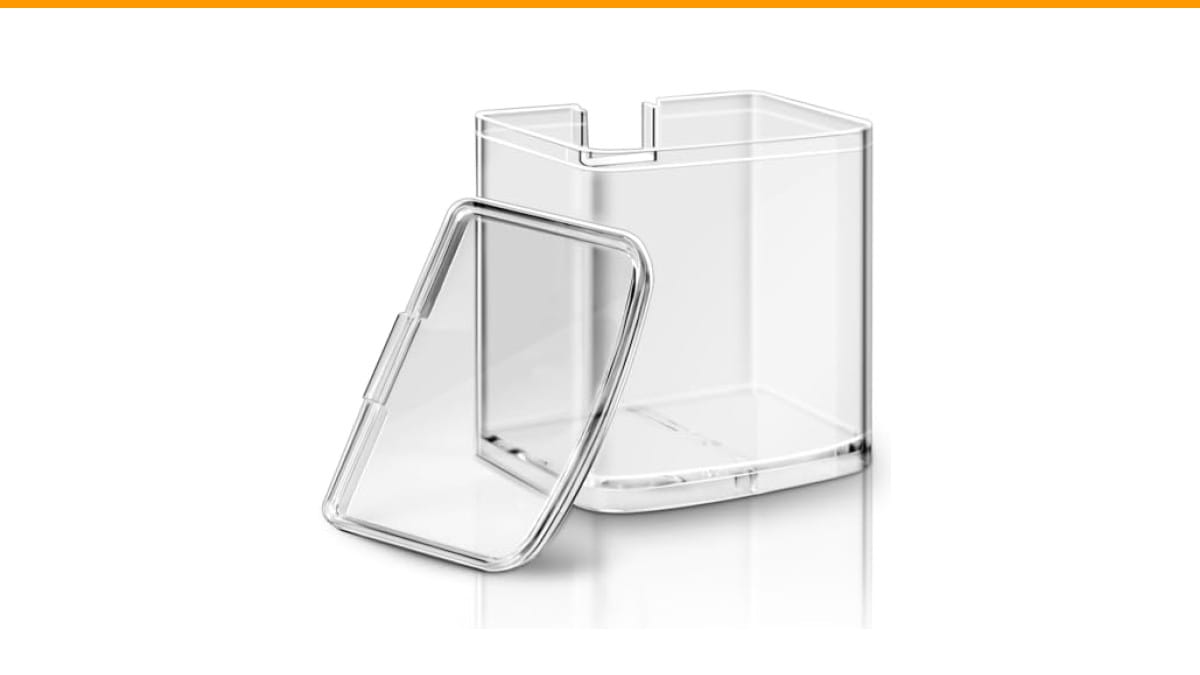
DBM-8GC Grind Chamber With Lid for Cuisinart…
- Fits for Cuisinart Burr Coffee Grinder Parts- Part Number DBM-8GC, this grind chamber with lid is compatible with Cuisinart coffee…
- Storage Function - This replacement coffee grind chamber is ideal for storing coffee grounds, effectively replacing worn or cracke…
- Premium Material - Crafted from lightweight and durable polystyrene(PS) material, this food processor parts for Cuisinart automati…
As an Amazon Associate I earn from qualifying purchases.
For many Cuisinart burr grinder owners, the loud noise starts after months of daily use. The grind chamber gets scratched, the burrs accumulate oily residue, or a small piece of bean gets wedged somewhere it shouldn’t. Before you panic, read through the diagnostic chart below.
If you own a Cuisinart DBM-8P1 and the noise comes from a cracked or warped grind chamber, a replacement part like the DBM-8GC grind chamber with lid can restore normal operation for about the cost of a bag of premium beans. It’s a direct fit and takes under a minute to swap out.
Identify the Noise: A Quick Diagnostic Chart
Your machine’s sound is a clue. Listen carefully before you take anything apart. The type of noise tells you which system is failing.
| Sound You Hear | Likely Cause | Difficulty of Fix |
|---|---|---|
| Loud grinding or crunching | Dirty burrs, foreign object, or worn burrs | Easy to Moderate |
| High-pitched whining or hissing | Pump strain, air in the line, or scale buildup | Easy |
| Rattling or vibration | Loose screws, misaligned tank, or detached feet | Easy |
| Rhythmic clicking | Normal operation of the one-way valve | No fix needed |
| Loud popping | Jammed beans or a cracked burr | Moderate |
Pay attention to rhythm. A rhythmic noise that matches the rotation speed points to a mechanical part hitting something. A random, sporadic noise often means loose debris or a foreign object bouncing around inside.
Fix 1: Loud Grinding or Crunching (Grinder Issues)
This is the most common complaint. The grinder sounds like it is struggling, and the coffee tastes bitter because the grind size is inconsistent.
Clean the Burrs and Hopper
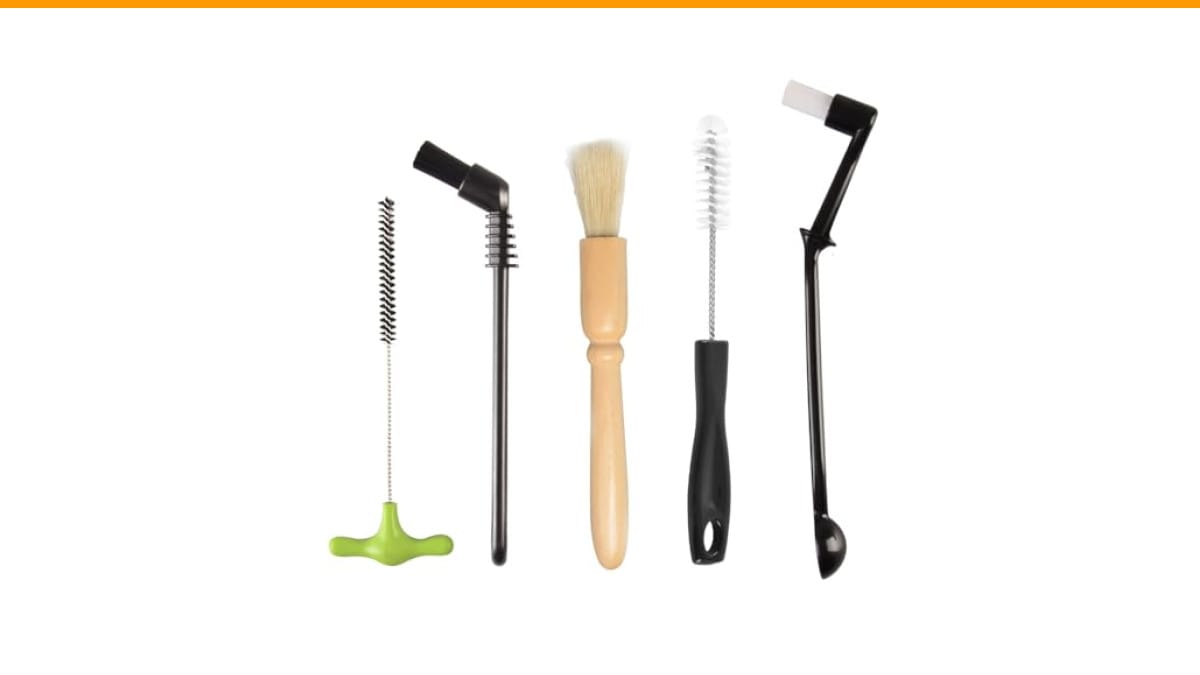
Oily beans leave residue on burrs. That residue hardens and makes the motor work harder, which translates directly to noise. Remove the hopper and brush the burrs with a stiff nylon brush. Do this over a trash can, not the sink. Grinder dust clogs drains.
For a deeper clean, use grinder cleaning tablets. Run them through the machine exactly as the package directs. This breaks down the oil film that brushing cannot reach. You should do this every two to three weeks if you grind daily.
Check for Foreign Objects and Jammed Beans
A single pebble or a piece of chaff can make a racket. Unplug the machine. Remove the hopper and inspect the burr chamber with a flashlight. If you see a bean stuck sideways between the burrs, use tweezers to pull it out. Do not use a metal screwdriver, which can nick the burr edges.
Some beans, particularly very hard light roasts, can jam the mechanism. If the machine stalls and makes a loud buzz, turn it off immediately. Running it jammed burns out the motor bearings.
Inspect and Replace Worn Burrs
Burrs dull over time. A dull burr produces more fines and more noise because it tears the bean instead of cutting it. If your grinder is over two years old and you use it daily, the burrs are likely worn.
Replacement burr sets cost between $20 and $40 for most home grinders. Compare that to the $100+ price of a new machine. If the burrs are removable, take them out and look at the cutting edges. Shiny, rounded edges mean they are done. Sharp, matte edges mean they are fine.
If you have a Cuisinart DBM-8P1, check the grind chamber itself for cracks. A cracked chamber causes the burr carrier to sit unevenly, which creates a loud scraping sound. The replacement grind chamber solves this specific issue without needing new burrs.
Fix 2: High-Pitched Whining or Hissing (Pump Problems)
Whining sounds different from grinding. It is a steady, high-frequency tone that happens during brewing, not during the grind cycle.
Prime the Pump
If you ran the machine dry or let the water tank empty, air gets into the pump line. Air compresses, which makes the pump work harder and whine. Run a water-only cycle with a full tank. This usually pushes the air bubble out and the noise stops.
If the whine persists, turn the machine off for 30 minutes. Sometimes the pump needs to cool down and reset its pressure.
Descale to Remove Scale Buildup
Hard water leaves calcium deposits inside the boiler and pump. Scale narrows the water path, forcing the pump to work at higher pressure. That extra strain sounds like a high-pitched hiss or whine.
Run a descaling solution through the machine every three months if you use tap water, or every six months if you use filtered water. A simple vinegar solution works, but dedicated descalers are faster and do not leave a smell. You can find the full procedure in our vinegar cleaning guide.
Fix 3: Rattling and Vibrating (Loose Components)
Rattling is the easiest problem to fix. It usually means something is physically loose, not broken.
Tighten Screws and Fittings
Turn the machine over and check the rubber feet. If one is missing, the machine vibrates against the counter. Replace the foot or place a silicone mat underneath. Check the screws on the bottom plate. They back out over time from the machine’s own vibration.
Check the hopper lock. A hopper that is not fully seated will rattle during the grind cycle. Press down and twist until you feel it click into place.
Check the Water Tank and Drip Tray
An empty water tank vibrates loudly because it has no mass to dampen the sound. Fill it and see if the noise changes. The drip tray also rattles if it is not pushed in all the way. Remove it and reinsert it firmly.
One thing most people miss: the coffee mug itself. A ceramic mug sitting on the warming plate amplifies vibration. Set the mug on a folded towel and the rattling often disappears.
Fix 4: Gurgling and Clicking (Normal vs. Problematic)
Not every noise is a malfunction. A gurgling sound during brewing is normal. That is the pump pushing water through the boiler. A soft clicking during the grind cycle is the one-way valve opening and closing. Both are harmless.
The problem starts when these sounds get suddenly louder. A gurgle that turns into a violent sputter means the water line is partially blocked. A click that turns into a metallic snap means a gear is stripped. Trust your ears. If the sound changes character, investigate.
Safety First: What to Do Before Opening Your Machine
Unplug the machine before you touch anything inside. That is non-negotiable. Even with the power off, the capacitors inside the machine can hold a charge for several minutes. Wait at least five minutes after unplugging before opening the housing.
Do not poke around the motor area with a metal tool. Use a plastic spudger or wooden skewer for inspection. If you see any burnt smell or discolored wires, stop and call a professional. That indicates an electrical fault, not a mechanical one.
When to Call a Pro or Buy a New Machine (Cost Analysis)
Here is the honest math. A repair shop charges $50 to $80 just for diagnosis. Labor runs $60 to $100 per hour, plus parts. If your machine is worth less than $150 new, a repair bill over $100 is a bad deal.
DIY fixes are worth it when the part costs under $30 and takes under 30 minutes. The grind chamber replacement fits that category. A motor replacement, however, is rarely worth it. The motor costs nearly as much as a new machine, and you risk damaging other parts during installation.
Consider the age of your machine. A budget grinder that is four years old has likely paid for itself. Spending $50 on new burrs for a $60 grinder makes no sense. Spend that money on an upgrade instead. If you are comparing options, our burr vs. blade grinder comparison explains what to look for in a replacement.
Preventative Maintenance Schedule to Keep It Quiet
A quiet machine is a clean machine. Stick to this schedule and you will avoid 90% of noise issues.
- Daily: Empty the grind chamber and knock out loose grounds.
- Weekly: Brush the burrs and wipe the hopper with a dry cloth.
- Monthly: Run grinder cleaning tablets through the machine.
- Quarterly: Descale the entire machine if you use tap water.
- Every 6 months: Inspect burrs for dullness and check all screws for tightness.
- Every 2 years: Replace burrs if you grind more than 2 cups per day.
This routine takes about 10 minutes a week. It is far cheaper than a repair call.
FAQ: Quick Answers to Common Noise Questions
Why does my coffee maker with grinder make a loud noise only sometimes?
Intermittent noise usually points to a foreign object or a jammed bean. A single hard bean can cause a crunching sound that disappears once it is ground. If the noise happens only on light roast beans, that is normal. Light roasts are denser and harder to cut.
Can I lubricate the grinder burrs to reduce noise?
No. Do not lubricate burrs. Oil attracts coffee dust and turns into a sticky paste that makes the noise worse. Burrs are designed to run dry. If they are noisy, they are either dirty or worn, not dry.
Is it safe to run the grinder while it is making a crunching noise?
No. Running a jammed grinder strains the motor and can burn out the windings. Turn it off, unplug it, and clear the obstruction. Continuing to run it turns a $20 fix into a $100 replacement.
Why does my machine make a loud noise when brewing but not when grinding?
That points to the pump or the water line, not the grinder. The grind cycle uses the motor only. The brewing cycle uses the pump. If the noise is during brewing, check for scale buildup or air in the line, as described in the pump section above.
How do I know if the loud noise is from the grinder or the motor?
Run the grinder with the hopper empty. If it is still loud, the problem is in the motor or bearings. If it is quiet empty but loud with beans, the burrs are struggling to cut. This simple test isolates the faulty component in under a minute.
What to Do Next
- Listen to the noise and match it to the chart before buying any parts.
- Clean the burrs and hopper first. It solves most noise complaints.
- Check for cracks in the grind chamber if you own a Cuisinart DBM-8P1.
- Never run a jammed grinder. Turn it off and clear the obstruction.
- Skip repairs that cost more than half the price of a new machine.
- Descale quarterly if you use tap water.
- Replace worn burrs every two years with daily use.
Products related to this article
Sponsored / affiliate links. As an Amazon Associate I earn from qualifying purchases. I may earn additional commission from eligible campaigns.
 HomeBeyond Espresso Coffee Maker 12 Cups, Classic Stovetop Espresso Maker, 600ml / 20oz Coffeemaker for Gas & Ceramic Stovetops (Silver)
 Linnkyfloa Coffee Espresso Maker Handle Replacement for Stovetop Moka Pot or Percolator, Black Plastic for Spare Part Compatible with Italian(9-12 Cup)
 Belly Moka Coffee Maker Stovetop Espresso Maker 9 Cup Aluminum Moka Pot Percolator 15oz 450ml Easy Brewing for Electric Ceramic Stoves Home Camping Italian Cuban Café Classic Black