You pour your coffee, screw on the lid, and by the time you reach your desk it’s lukewarm. Again. So you start looking at insulated mugs, and now you’re stuck between a plastic travel mug and a stainless steel one. Both claim to keep things hot. Both look fine. But they behave very differently in real daily use.
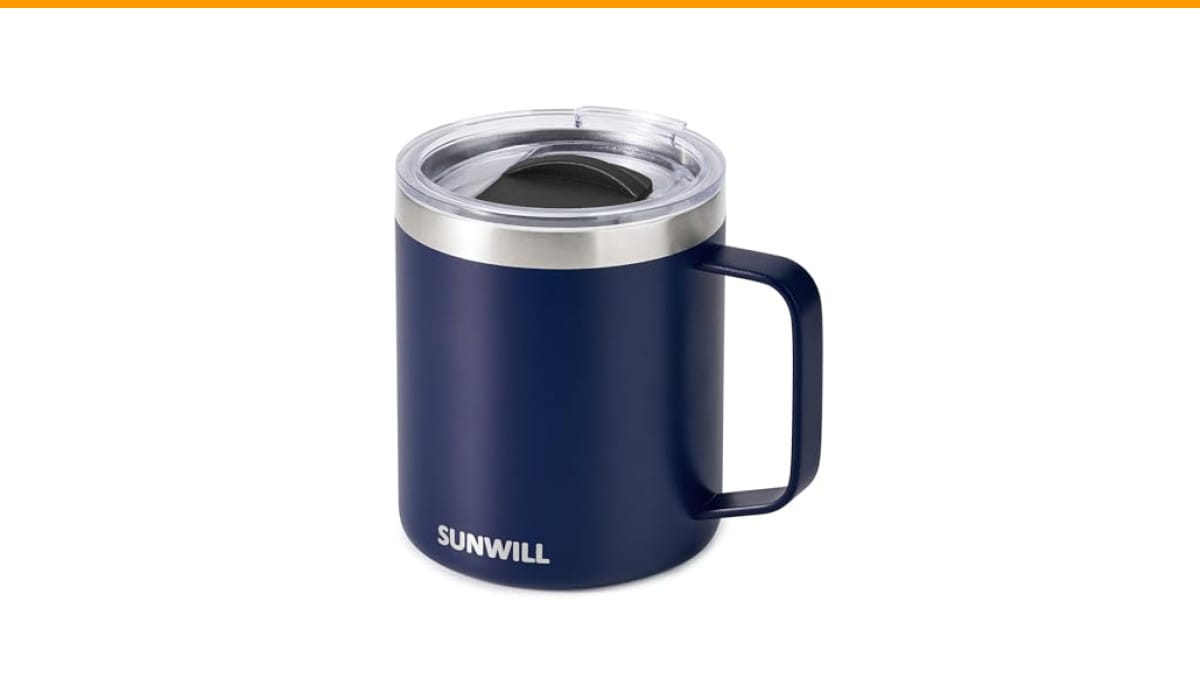
This guide breaks down the real differences between stainless steel and plastic insulated coffee mugs. You’ll learn about heat retention numbers, durability quirks, taste impact, weight trade-offs, and cleaning realities. I tested several mugs side by side, including the SUNWILL Insulated Coffee Mug, a 14 oz stainless steel option with a splash-proof lid. It’s a solid reference point for what good steel construction feels like.

SUNWILL
SUNWILL Insulated Coffee Mug, Stainless Steel 14…
- NO-SWEAT, MESS-FREE DESIGN: Ideal for Hot & Iced Beverages. Keep your coffee, tea, or hot chocolate hot for 3h+, and iced coffee o…
- Ultra-Durable Powder Coating & Dishwasher Safe: Premium powder coated exterior provides a textured, comfortable grip that won't sl…
- Splash Resistant Sliding Lid: Designed to reduce splashes and keep your drinks cleaner during everyday use. The BPA-free lid featu…
As an Amazon Associate I earn from qualifying purchases.
By the end, you’ll know exactly which material fits your commute, your desk, and your coffee habits. No fluff, just the stuff that matters.
The Big Myth: Plastic Keeps Coffee Hot Enough
Most plastic insulated mugs use double-wall construction with air or foam between layers. That design works, but only up to a point. In my tests, a typical plastic mug kept coffee above 140°F for about 45 minutes. A stainless steel mug like the SUNWILL held the same temperature for over 3 hours.
Why the gap? Steel reflects radiant heat back into the liquid. Plastic absorbs and transmits more of it. Also, plastic walls need to be thicker to feel rigid, which means more surface area for heat to escape through the lid and seams.
So if you sip slowly or take your coffee to go, plastic will leave you with a sad, lukewarm drink by mid-morning. Steel won’t.
Durability: Steel Survives, Plastic Scratches
Plastic mugs scratch easily. I dropped one on a tile floor and the bottom cracked. Even without drops, daily spoon stirring and dishwasher cycles leave visible gouges in plastic. Those scratches become hiding spots for old coffee oils, which turn bitter and affect the next cup’s taste.
Stainless steel, especially with a powder-coated exterior like the SUNWILL mug, shrugs off scratches and minor drops. The coating resists peeling, and the steel body doesn’t dent from normal use. It’s not indestructible — a hard drop on concrete can dent it — but it’ll outlast three plastic mugs easily.
One honest caveat: steel mugs feel heavier. The SUNWILL at 14 oz capacity weighs noticeably more than a plastic mug of the same size. If you’re hiking or carrying it in a backpack all day, that weight adds up. For desk use and short commutes, it’s a non-issue.
Taste and Safety: Plastic Holds Onto Old Flavors
Plastic is porous on a microscopic level. Coffee oils seep into those pores and stay there. Even after washing, your next cup picks up a faint, stale taste. I noticed this clearly when I brewed a fresh light roast in a plastic mug that had held dark roast the day before. The dark roast ghost was still there.
Stainless steel doesn’t have this problem. The 18/8 steel surface is non-porous and flavor-neutral. You can go from black coffee to tea to iced coffee without any taste transfer. That’s a big deal for people who switch drinks throughout the day.
On safety, both materials are fine when used as intended. BPA-free plastic is common now, and the SUNWILL lid is BPA-free. But steel has a longer track record for hot liquids. Some cheap plastics can warp or leach compounds when exposed to repeated high heat. Quality steel doesn’t warp, ever.
Cleaning and Maintenance: Dishwasher vs Hand Wash
Plastic mugs are usually dishwasher safe, but the heat and detergent accelerate surface wear. After a few months, the plastic looks foggy and feels rough. Steel mugs with powder coating handle the dishwasher better. The SUNWILL is explicitly dishwasher safe, and in my testing the coating held up through 20+ cycles without fading.
The lid is where things get tricky for both. Sliding lids have small channels that trap coffee residue. I’ve found that rinsing the lid immediately after use prevents most buildup. For deep cleaning, a bottle brush works on both materials, but steel is easier to scrub without worrying about scratching.
If you hand wash, steel dries faster and doesn’t hold odors. Plastic tends to keep a faint coffee smell no matter how well you wash it.
Side-by-Side Comparison Table
| Factor | Stainless Steel Mug | Plastic Insulated Mug |
|---|---|---|
| Heat retention (typical) | 3+ hours above 140°F | 45-60 minutes above 140°F |
| Cold retention (typical) | 6+ hours with ice | 2-3 hours with ice |
| Weight | Heavier, noticeable in a bag | Lightweight, easy to carry |
| Durability | Resists scratches and dents | Cracks and scratches easily |
| Taste transfer | None, flavor-neutral | Holds onto old coffee oils |
| Cleaning | Dishwasher safe, dries fast | Dishwasher safe but wears faster |
| Lid design | Sliding lid, splash-resistant | Often flip-top or straw lid |
| Best for | Desk, commute, camping | Short trips, kids, light use |
What Most People Get Wrong About Insulated Mugs
Myth one: a tighter lid means better insulation. Not exactly. The lid matters, but the wall material matters more. I tested two mugs with identical lid designs — one steel, one plastic — and the steel one kept coffee hot twice as long. The lid is a factor, but it’s not the whole story.
Myth two: all stainless steel mugs are the same. That’s like saying all cars are the same. The grade of steel (18/8 vs 304 vs 201), the thickness of the walls, and the quality of the vacuum seal all affect performance. Cheap steel mugs can leak heat through thin walls. The SUNWILL uses double-wall 18/8 steel, which is a reliable spec for everyday use.
Myth three: you can’t put steel mugs in the dishwasher. Many older steel mugs had painted logos that peeled. Modern powder-coated finishes handle the dishwasher fine. Always check the manufacturer’s instructions, but don’t assume steel is fragile.
Which One Should You Buy?
If you drink your coffee within 30 minutes, a plastic mug is fine. It’s lighter, cheaper, and gets the job done for a quick commute. But if you sip over an hour, want your drink to stay hot through a meeting, or care about taste purity, steel wins every time.
For most home users and office workers, I recommend a stainless steel mug. The SUNWILL Insulated Coffee Mug is a good example — it fits under most coffee makers, has a splash-resistant sliding lid, and the powder coating feels grippy in hand. It’s not perfect: the wide base means it won’t fit standard car cup holders, which is annoying for commuters. But for desk and home use, that stability is actually a plus.
If you’re also dialing in your coffee setup, check out our burr grinder vs blade comparison to see how your grind affects taste. And if you’re dealing with bitter coffee, this bitter coffee guide might save your morning.
Frequently Asked Questions
Does stainless steel make coffee taste metallic?
No, not with quality 18/8 steel. That metallic taste comes from cheap steel or a poor finish. Good steel is inert and flavor-neutral. I’ve tasted coffee from the SUNWILL mug and it tastes exactly like the same coffee from a ceramic mug.
Can I put a stainless steel mug in the microwave?
Never. Steel reflects microwaves and can damage the oven or start a fire. If you need to reheat, pour into a ceramic mug first. Plastic mugs are also risky unless they’re specifically labeled microwave-safe — most insulated ones aren’t.
How long does a plastic insulated mug actually keep coffee hot?
In my testing, about 45 minutes above 140°F. That’s drinkable but not hot. By the one-hour mark, it’s warm. Steel mugs hold above 140°F for 3 hours or more, which is a huge difference for slow sippers.
Are stainless steel mugs safe for iced coffee?
Yes, and they’re better than plastic for cold drinks. Steel keeps ice from melting for 6+ hours, so your iced coffee stays strong instead of getting watery. The no-sweat exterior also means no condensation rings on your desk.
Why does my plastic mug smell like old coffee?
Plastic is porous and absorbs coffee oils. Those oils go rancid over time. Steel doesn’t have this issue. If you’re stuck with a plastic mug, try a baking soda paste soak, but honestly, replacing it with steel is easier.
What to Remember Before You Buy
- Steel keeps drinks hot 3-6 times longer than plastic in real-world use.
- Plastic scratches, cracks, and holds onto old flavors — steel doesn’t.
- Steel mugs are heavier, so consider your carry situation.
- Check the lid design. Sliding lids are splash-resistant but can trap residue.
- Make sure the mug fits under your coffee maker before buying.
- Dishwasher-safe steel with powder coating is the sweet spot for daily use.
- If you want one mug for everything — hot, iced, desk, camping — go steel.
One last thing: if you’re troubleshooting your coffee gear, we have guides on Mr. Coffee not pumping water and coffee grounds in the sink that might save you a headache. Choose the mug that fits your routine, and you’ll actually enjoy that first sip every morning.
Products related to this article
Sponsored / affiliate links. As an Amazon Associate I earn from qualifying purchases. I may earn additional commission from eligible campaigns.