You pull a shot and see water pooling around the portafilter. Or you find a puddle under the machine after it sits overnight. Both are frustrating, and both are more common than most owners think. The good news: most leaks on semi-automatic machines come from a handful of repeatable failure points.
This guide covers the usual suspects, how to diagnose each one, and what to fix yourself versus what needs a shop. You’ll also see when a repair kit makes sense versus buying new parts individually. I’ve owned and repaired several semi-automatic machines over the years, and the patterns are remarkably consistent.

Rancilio
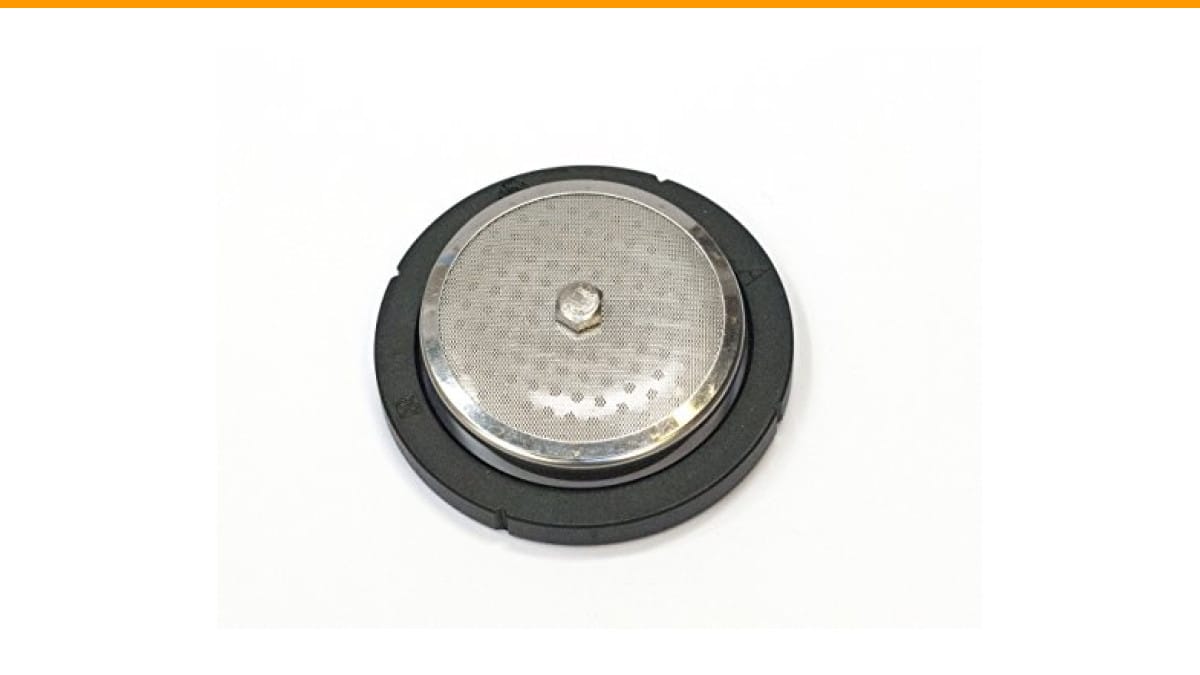
Rancilio Silvia Espresso Machine Repair Kit.
- This OEM repair kit can help you to fix some of the most common Rancilio Silvia problems.
- Water leaking around the portafilter: Usually the grouphead gasket needs to be replaced.
- Flow or no flow of water from grouphead. Your screen is probably clogged and needs to be replaced.
As an Amazon Associate I earn from qualifying purchases.
If you have a Rancilio Silvia, the Rancilio Silvia Espresso Machine Repair Kit covers two of the most common leak sources: the grouphead gasket and the shower screen. It’s worth having on hand before you start tearing things apart.
Where Leaks Actually Come From
Water escaping from a semi-automatic machine almost always traces back to one of four places:
- Grouphead gasket – the rubber ring that seals the portafilter to the grouphead. When it hardens or wears, water squirts out around the edges.
- Shower screen – if it’s clogged with old coffee oils, water backs up and leaks sideways instead of flowing straight down.
- Steam wand – a worn tip gasket or a loose connection drips water even when the wand is off.
- Internal hoses and fittings – these fail less often, but when they do, you’ll see water under the machine, not around the portafilter.
Start by figuring out where the water appears. That single observation narrows the problem down fast. A leak around the portafilter points to the gasket or screen. A drip from the wand points to the wand itself. Water underneath points to the internal plumbing.
Don’t skip the obvious checks first. A loose portafilter that isn’t twisted fully into place will leak even with a brand new gasket. And a machine that hasn’t been backflushed in months will push water around a clogged screen before it leaks anywhere else.
Grouphead Gasket: The Most Common Culprit
The grouphead gasket is a rubber ring that sits inside the grouphead. It compresses when you lock in the portafilter, creating a watertight seal. Over time, heat and pressure harden the rubber. It loses its flexibility, and the seal breaks.
You’ll notice the portafilter feels loose when you lock it in. A healthy gasket gives firm resistance at around the 90-degree mark. If the handle swings past that and points toward the floor, the gasket is worn.
Replacing it takes about ten minutes. You’ll need a hex key or a flathead screwdriver to remove the shower screen, then the old gasket pops out with a small pick. Clean the groove, press the new gasket in, and reassemble. The Rancilio Silvia repair kit includes the OEM gasket, so you know it’s the right size.
One thing to watch: some aftermarket gaskets are slightly thicker or thinner than stock. A thicker gasket makes the portafilter harder to lock in. A thinner one leaks. Stick with OEM parts unless you know what you’re doing.
Clogged Shower Screen: The Silent Backup
A clogged shower screen doesn’t look broken. It looks fine. But old coffee oils and fines build up in the tiny holes over weeks, and the water can’t flow through evenly. Instead of a steady rain of water onto the puck, you get a few streams and a lot of pressure buildup.
That pressure has to go somewhere. It pushes water out around the portafilter gasket, even if the gasket itself is still good. A quick test: take the portafilter out, run the pump, and watch the water pattern. A clean screen distributes water evenly across the grouphead. A clogged one spits and channels.
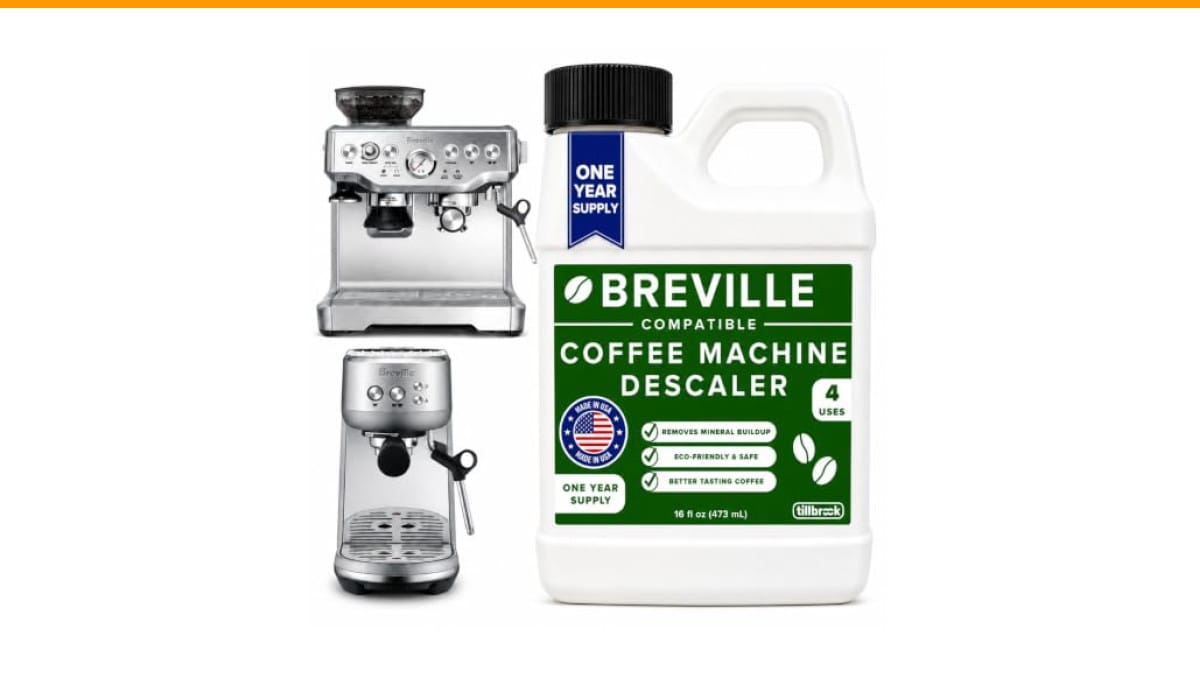
Remove the screen and soak it in a descaling solution or espresso cleaner for 20 minutes. Scrub it with a soft brush. If the holes are still blocked, replace it. The repair kit includes a new screen, which is why it’s a sensible buy if you’re already taking things apart.
Prevention is simple: backflush with water after every shot and use a proper espresso cleaner once a week. It takes 30 seconds and saves you from this exact problem. If you’ve never backflushed, check descaling guide for the full routine.
Steam Wand and Internal Leaks
Steam wand leaks are sneaky. The wand looks dry, but you find a few drops under the machine after steaming milk. The culprit is usually the small rubber gasket where the wand connects to the boiler. It dries out and shrinks, and steam escapes slowly.
Testing is easy. Wipe the wand dry, then leave the machine on for an hour without using it. If moisture appears, the gasket is failing. Replacing it is a five-minute job on most machines. Unscrew the wand, swap the gasket, and reassemble.
Internal hose leaks are less common but more serious. You’ll see water pooling under the machine, often near the pump or the boiler. This usually means a hose clamp has loosened or a hose has cracked from heat exposure. Fixing it requires opening the machine’s shell, which means unplugging it and draining the boiler first.
If you’re not comfortable working inside the machine, this is the point to call a repair shop. The parts are cheap, but a mistake can short the electronics or cause a steam burn. There’s no shame in stopping here.
Repair Kit vs. Individual Parts vs. New Machine
You have three paths when a leak appears. The right one depends on the machine’s age and the scope of the problem.
| Option | Best For | Cost Range | Time Required | Risk Level |
|---|---|---|---|---|
| Repair kit (gasket + screen) | Machines under 5 years old with portafilter leaks | Low | 30–60 minutes | Low |
| Individual OEM parts | Specific failures like a steam wand gasket | Low to medium | 15 minutes per part | Low |
| Professional repair | Internal hose or boiler leaks | Medium to high | 1–3 days at shop | None for you |
| New machine | Leaks plus other failures on a machine over 7 years old | High | Immediate | Low |
My rule of thumb: if the repair costs less than half the price of a comparable new machine, fix it. If the machine has other issues — weak pump pressure, erratic temperature, rust — it’s time to shop. A leak is often the first symptom of a machine that’s nearing the end of its life.
For a machine that’s otherwise healthy, a semi-automatic vs automatic comparison helps if you’re weighing whether to upgrade. But for most owners, a $20 gasket beats a $600 new machine.
Frequently Asked Questions
Why is my semi-automatic espresso machine leaking from the bottom?
Water under the machine usually means an internal hose or fitting is loose. Check the hose clamps connecting the pump to the boiler. Tighten them with a screwdriver, but unplug the machine and drain the boiler first. If the leak persists, the hose itself may be cracked and needs replacement.
How often should I replace the grouphead gasket?
Most manufacturers recommend every 6–12 months with daily use. But you’ll feel it before you see it. When the portafilter locks in with less resistance than usual, or you see water seeping around the edges during a shot, replace it. Some gaskets last two years if the machine gets light use.
Can a clogged shower screen cause a leak?
Yes, and it’s more common than people think. A clogged screen creates backpressure that forces water out around the portafilter. If your gasket looks fine but you’re still getting leaks, clean or replace the screen first. It’s a cheap fix and often solves the problem.
Is it safe to use a machine that’s leaking?
For a small leak around the portafilter, yes, but you’re not getting proper extraction pressure, so the shots will taste off. For a leak under the machine, stop using it. Water can reach electrical components and cause shorts. Unplug it and address the leak before pulling another shot.
Should I buy a repair kit or just replace the gasket?
If you only need the gasket, buy just that. But if the machine is a few years old, the shower screen is likely due too. A kit like the Rancilio one covers both at once, and you avoid paying shipping twice. It’s a practical choice if you plan to do your own maintenance going forward.
What I’d Do Right Now
- Watch where the water appears — portafilter, wand, or underneath. That tells you which part to inspect first.
- Test the portafilter lock-in resistance. If it swings past vertical, the gasket is worn.
- Run the pump without the portafilter. Uneven water flow means a clogged screen.
- Keep a repair kit on hand. Gaskets and screens fail predictably, and having parts ready means fixing it in minutes instead of waiting for shipping.
- Backflush weekly with espresso cleaner. It prevents the most common leaks before they start.
- Don’t ignore leaks under the machine. Electrical components and water don’t mix.
- Know when to stop. Internal boiler work is a job for a professional unless you’re experienced with appliance repair.
Most leaks on a semi-automatic machine are straightforward. A worn gasket or a clogged screen causes nine out of ten of them. You can fix both in under an hour with basic tools. If you’re dealing with a more complex issue, like one of the automatic machine leak problems covered elsewhere, the same diagnostic steps apply. Start with the simple parts, and you’ll usually find the problem quickly.
Products related to this article
Sponsored / affiliate links. As an Amazon Associate I earn from qualifying purchases. I may earn additional commission from eligible campaigns.
 Coffee Espresso Machine Handle Replacement Parts, Cafe Bracket Handle for Lidl Silvercrest CM4621 CM4218 KF5002 KF500S Barista (for 51mm Portafilter Basket - Not included)
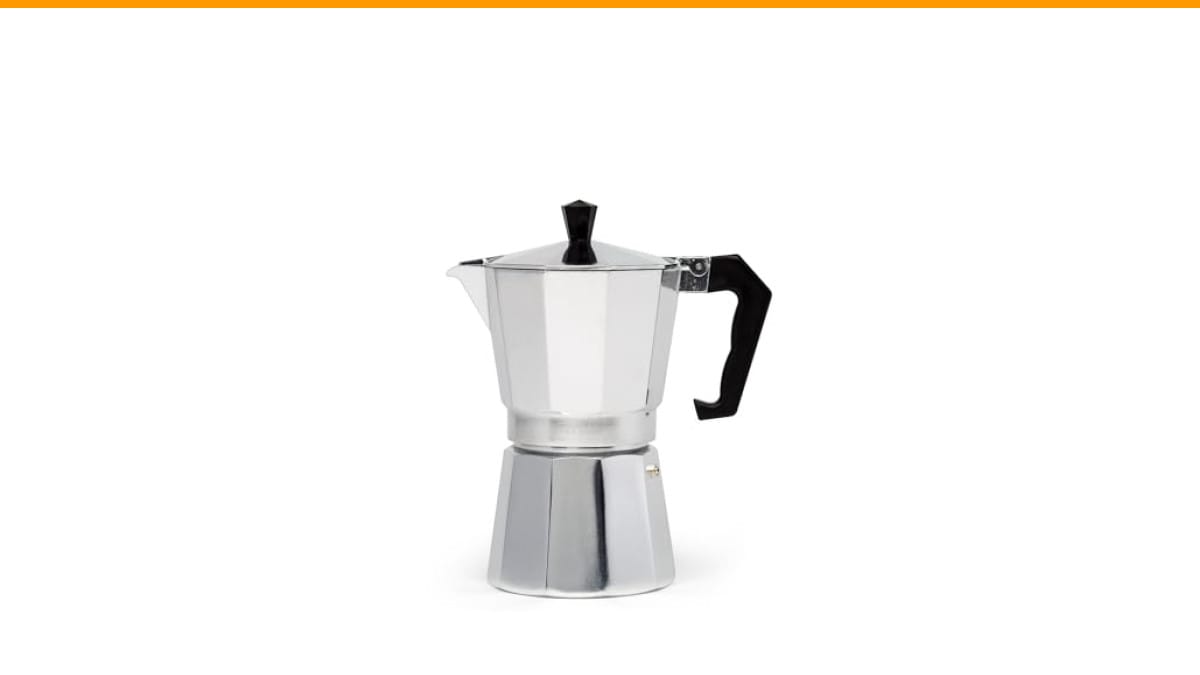
 Linnkyfloa Coffee Espresso Maker Handle Replacement for Stovetop Moka Pot or Percolator, Black Plastic for Spare Part Compatible with Italian(9-12 Cup)
 Wrenmor Replacement Handle For Coffee Espresso Moka Stove Pot, Black Plastic Accessory Compatible With 1/3/6/9/12 Cup Sizes For Easy Installation And Long-Lasting Use(1 Cup)