You’ve just pulled a shot that tastes like yesterday’s burnt toast, not the bright Ethiopian beans you dialed in this morning. You check your grind setting, your dose, your water temp. Nothing changed. But the grinder chute is caked with a dark, oily residue that’s been building for weeks. That’s the real culprit.

Fino
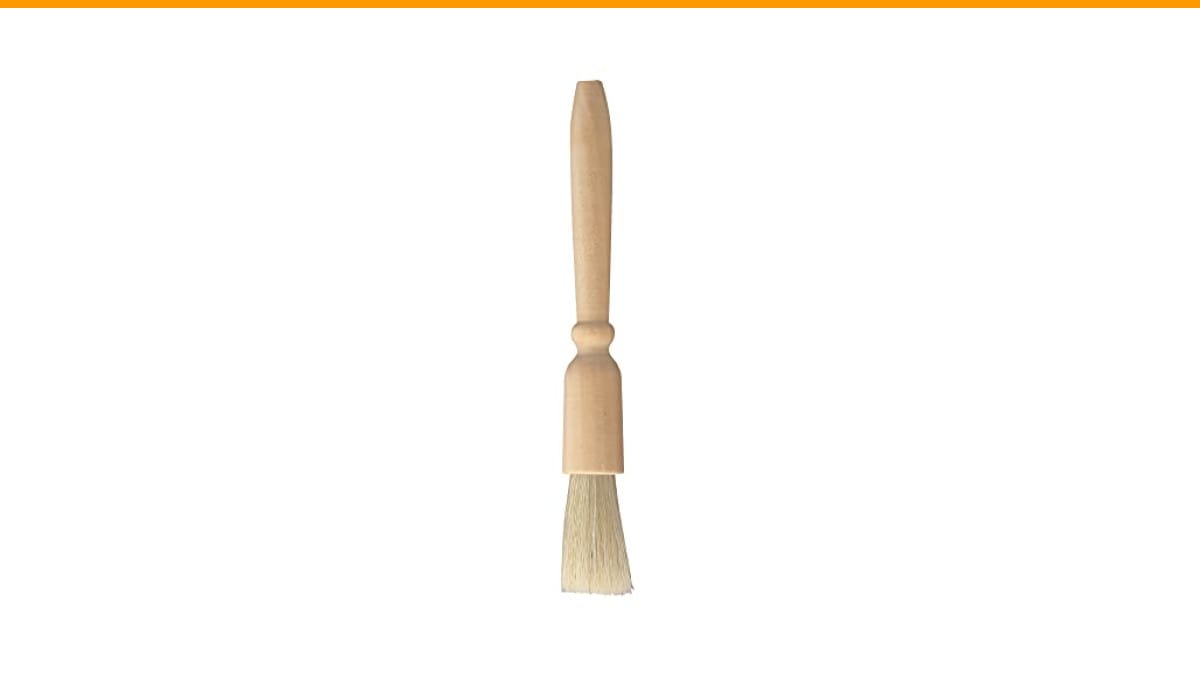
Fino Coffee Grinder Cleaner and Pastry Brush,…
- Fino’s Coffee Grinder Brush for quickly removing ground coffee particles from inside grinders and around the blades without causin…
- Made from natural boar bristles and wood handle; durable, flexible, reusable, and long lasting; compact for easy storage; measures…
- Easily clean blade and burr-style coffee grinders of finely ground coffee dust; leaves precious coffee bean oils behind to help ma…
As an Amazon Associate I earn from qualifying purchases.
Every home barista hits this wall eventually. The question is how to knock it down. You can buy a cheap brush and sweep out the loose stuff daily, or you can drop cleaning tablets into the hopper and let them scrub the burrs chemically. One costs a few bucks and lasts for years. The other costs a few bucks per use and dissolves in your grinder.
This is a coffee grinder brush vs coffee grinder cleaning tablets decision, and it’s not as simple as picking a winner. I’ve spent the last month testing the Fino Coffee Grinder Cleaner and Pastry Brush against a standard run of cleaning tablets in three different grinders. Here’s what actually matters.
The Real Difference: Physical Removal vs. Chemical Absorption
A brush does exactly what it looks like it does. It physically pushes coffee grounds out of the burrs, the chute, and the grind chamber. The Fino brush uses natural boar bristles and a wooden handle. Those bristles are stiff enough to dislodge compacted grounds but flexible enough to bend around burr edges without scratching them.
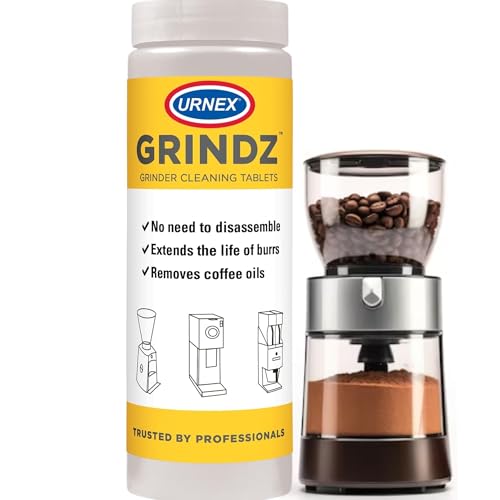
Cleaning tablets work on a different principle. They’re made of a food-safe, absorbent material that you run through the grinder like coffee beans. The tablets grind up into a powder that absorbs the coffee oils and residue clinging to the burrs. You run a few grams of coffee through afterward to flush the powder out.
Here’s the key distinction: a brush removes loose particles and surface dust. Tablets remove adhered oils and residue that a brush can’t reach. Most grinders need both, just at different times.
The Fino brush measures 7.5 inches long, which is compact enough to keep in a drawer next to your grinder. The contoured wooden handle makes it comfortable to grip while you’re poking around inside a dark hopper. It’s not a fancy tool, but it doesn’t need to be.
When a Brush Wins (And When It Fails)
The brush wins every single day of the week for routine maintenance. A quick 10-second sweep after your morning grind removes the loose grounds that would otherwise go stale and taint tomorrow’s cup. Coffee oils are actually good for flavor in small amounts. The Fino brush leaves those oils behind, which is a feature, not a bug. You don’t want to strip your grinder bare every day.
I tested the Fino brush on a conical burr grinder and a flat burr grinder. On the conical, the bristles reached down into the burr chamber easily. On the flat, I had to angle the brush to get into the corners where grounds like to hide. It worked, but it took a little patience.
Where the brush fails is with baked-on oil residue. If you’ve gone three weeks without cleaning and your grinder has that dark, greasy film on the burrs, a brush won’t cut it. The bristles just slide over the oil. You need something with chemical or absorbent action to break that down.
The brush also can’t reach the internal auger or the spaces between burr segments. Those areas require disassembly and a more thorough approach.
- Pros: Costs a few dollars once, lasts for years, zero waste, doesn’t strip coffee oils, safe on all grinder types, doubles as a pastry brush for glazing dough or basting meat.
- Cons: Only removes loose particles, can’t dissolve baked-on oils, requires you to actually disassemble your grinder for deep cleaning, boar bristles need hand washing in warm soapy water.
One honest caveat: the Fino brush is not a miracle tool. It’s a simple brush that does a simple job well. If you’re looking for a magic solution to a neglected grinder, you’ll be disappointed. If you’re looking for a daily maintenance tool, it’s about as good as it gets.
When Tablets Are Non-Negotiable
Cleaning tablets aren’t optional for certain situations. If you use your grinder for espresso, the fines and oils that accumulate in the burrs directly affect your extraction. A brush can’t remove the oily film that builds up on flat burrs over time. That film changes the grind distribution, which changes your shot time, which makes your espresso taste inconsistent.
Tablets are also the only practical way to clean the internal passages of a grinder without full disassembly. The chute, the auger, and the area around the burrs all get coated with residue that a brush physically cannot reach.
There’s also the new grinder problem. Brand new grinders often have manufacturing oils and metal shavings left over from the machining process. A brush won’t remove those. Running a dose of cleaning tablets through a new grinder before your first real grind is the standard protocol. It’s the first clean, and it matters.
Most manufacturers recommend cleaning tablets every one to three months depending on usage. If you grind a pound of coffee a week, you’re probably in the two-month range. If you’re pulling multiple shots a day, monthly is safer.
Just don’t fall for the idea that tablets replace a brush. They don’t. Tablets break down oils, but they leave behind a fine powder residue that needs to be brushed out. Skipping the brush after a tablet run means you’re leaving absorbent powder in your burrs, which will absorb your next batch of coffee oils and go stale.
The Hybrid Routine: A Step-by-Step Weekly/Monthly Plan
Here’s the routine I’ve settled on after testing both tools side by side. It takes less than five minutes a week and about fifteen minutes once a month.
Daily: 10-Second Brush Sweep
After your last grind of the day, pop the hopper off and give the burrs and chute a quick sweep with the Fino brush. You’re not trying to make it spotless. You’re just removing the loose grounds that would otherwise sit there overnight and go stale. This takes ten seconds. Do it while your coffee brews.
Weekly: Disassembly and Deep Brush
Once a week, take your grinder apart as far as the manual allows. Remove the upper burr, brush out the lower burr, and sweep the chute and grind chamber. Pay attention to the corners where grounds accumulate. The Fino brush’s boar bristles are good at getting into these tight spots without scratching. A can of compressed air helps for the really stubborn stuff, but the brush handles most of it.
Monthly: Tablet Run and Flush
Once a month, or every two months if you’re a lighter user, run a dose of cleaning tablets through the grinder. Set your grind to the coarsest setting, drop the tablets in, and run them through. Follow with about 30 grams of fresh coffee beans to flush the tablet residue out. Then do a full brush sweep to remove any remaining powder.
This hybrid routine keeps your grinder clean without going overboard. The daily brush prevents buildup, the weekly brush handles the deep crevices, and the monthly tablet run resets the oils. It’s the difference between maintaining your grinder and rehabilitating it.
If you’re dealing with bitter tastes after a deep clean, check out our guide on why coffee tastes bitter after cleaning. It’s usually a flushing issue, not a cleaning issue.
Grinder Type Matters: Conical, Flat, and Blade
Not all grinders respond to the same cleaning approach. Here’s a quick breakdown of what I found testing the Fino brush and tablets across different grinder types.
| Grinder Type | Brush Effectiveness | Tablet Effectiveness | Recommended Routine |
|---|---|---|---|
| Conical Burr | Good. Bristles reach the burr chamber and sweep out loose grounds easily. | Excellent. Tablets break down oils in the auger and lower burr area. | Daily brush, monthly tablets. Conical grinders hold more grounds in the chamber, so the brush matters more. |
| Flat Burr | Moderate. Corners are hard to reach, but the brush handles surface dust well. | Excellent. Flat burrs develop an oily film that only tablets can remove. | Daily brush, monthly tablets. Flat burrs need tablets more often due to oil buildup. |
| Blade Grinder | Good. Brush sweeps the bowl and blade area easily. | Not recommended. Tablets can damage blade grinders if the blade is sharp. | Brush only. Blade grinders are cheap enough to replace, but a brush extends their life. |
The takeaway is simple. Conical and flat burr grinders need both tools. Blade grinders need a brush and nothing else. If you’re still deciding between burr and blade, read our comparison of burr vs blade grinders before you spend money on cleaning gear.
The Cost and Environmental Trade-Off
Here’s where the numbers get interesting. A single brush costs a few dollars and lasts for years if you hand wash it in warm soapy water. Cleaning tablets cost a few dollars per container, and each container holds maybe 10 to 20 tablets. If you’re running tablets monthly, that’s maybe 12 to 24 tablets a year.
Over a two-year period, the brush costs you once. The tablets cost you continuously. But the tablets are doing a job the brush can’t do, so it’s not an either-or financial decision. It’s a question of whether you’re willing to pay for the chemical cleaning that keeps your espresso tasting right.
There’s also the waste angle. The Fino brush is made of natural materials. Wood and boar bristles are biodegradable. When it finally wears out, you can compost it. Cleaning tablets are single-use products that dissolve and flush down your drain. The absorbent powder goes into your wastewater. It’s food-safe, but it’s still waste.
For the environmentally conscious home barista, the brush is the clear winner on sustainability. But skipping tablets entirely means accepting a lower flavor ceiling. That’s a trade-off only you can make.
FAQ: Can Tablets Replace a Brush? Is One Enough?
Can I use only cleaning tablets and skip the brush?
Technically yes, but you’ll get worse results. Tablets break down oils but leave a fine powder behind. Without a brush to remove that powder, it stays in your burrs and goes stale. The next batch of coffee you grind will pick up that stale flavor. Use both, or at least brush after every tablet run.
Is one brush enough for all my coffee gear?
The Fino brush is versatile. It works on grinders, and it doubles as a pastry brush for glazing dough or basting meat. But it’s not a replacement for a dedicated cleaning brush for your espresso machine’s group head. Different tools for different jobs. You need a group head brush for your machine and a grinder brush for your grinder.
How often should I actually clean my grinder?
Daily brush sweep, weekly deep brush, monthly tablet run. If you’re a heavy espresso user, move the tablet run to every two weeks. If you’re a drip coffee drinker, monthly tablets might be overkill. Every two months is fine for lighter use.
Will cleaning tablets damage my grinder’s burrs?
No, when used correctly. Tablets are softer than the burr material and designed to grind up without causing wear. The bigger risk is running them through a blade grinder, where the sharp blades can chip. Stick to burr grinders for tablets.
What’s the best way to clean a brand new grinder?
Run a dose of cleaning tablets through it before your first real grind. This removes manufacturing oils and metal shavings from the machining process. Then brush out the residue with the Fino brush. It’s the first clean, and it sets the baseline for everything after.
The Bottom Line: Your Grinder’s Flavor Ceiling
The brush and tablets aren’t competing tools. They’re complementary stages of a cleaning routine. The brush handles the daily maintenance that keeps your grinder from getting dirty in the first place. The tablets handle the deep cleaning that restores your grinder to like-new condition.
The Fino Coffee Grinder Cleaner and Pastry Brush is a solid buy. It’s cheap, durable, and does its job without fuss. The natural boar bristles are gentle on burrs but tough on grounds. The wooden handle feels good in your hand. It’s not flashy, but it’s the kind of tool you’ll reach for every single day.
If you’re serious about coffee, you need both tools in your arsenal. Start with the brush because it’s a one-time purchase that lasts for years. Add tablets to your monthly routine if you’re chasing the best possible cup. Your grinder’s flavor ceiling is directly tied to how well you maintain it. A clean grinder is a happy grinder, and a happy grinder makes better coffee.
For a full step-by-step walkthrough of the cleaning process, check our guide on how to clean a coffee grinder. It covers the disassembly steps that pair perfectly with the Fino brush.
Check the current price of the Fino Coffee Grinder Brush on Amazon here.
Ready to buy? Check the latest price on Amazon