You pull a shot one morning and it tastes… off. Not bad, just flat. Slightly bitter, maybe a little oily. You think it’s the beans, so you switch bags. Same result. Then it hits you — the grinder hasn’t been cleaned in months, and that stale coffee residue is now part of every brew.

As an Amazon Associate I earn from qualifying purchases.
This is where the coffee grinder cleaning tablets vs coffee grinder brush debate starts. Both tools promise to fix the problem, but they work in completely different ways. One scrubs, the other dissolves. One is daily, the other is weekly or monthly. And if you pick wrong, you could waste money or even void your warranty.
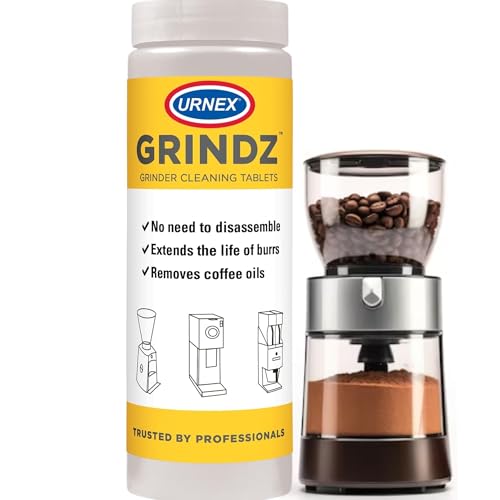
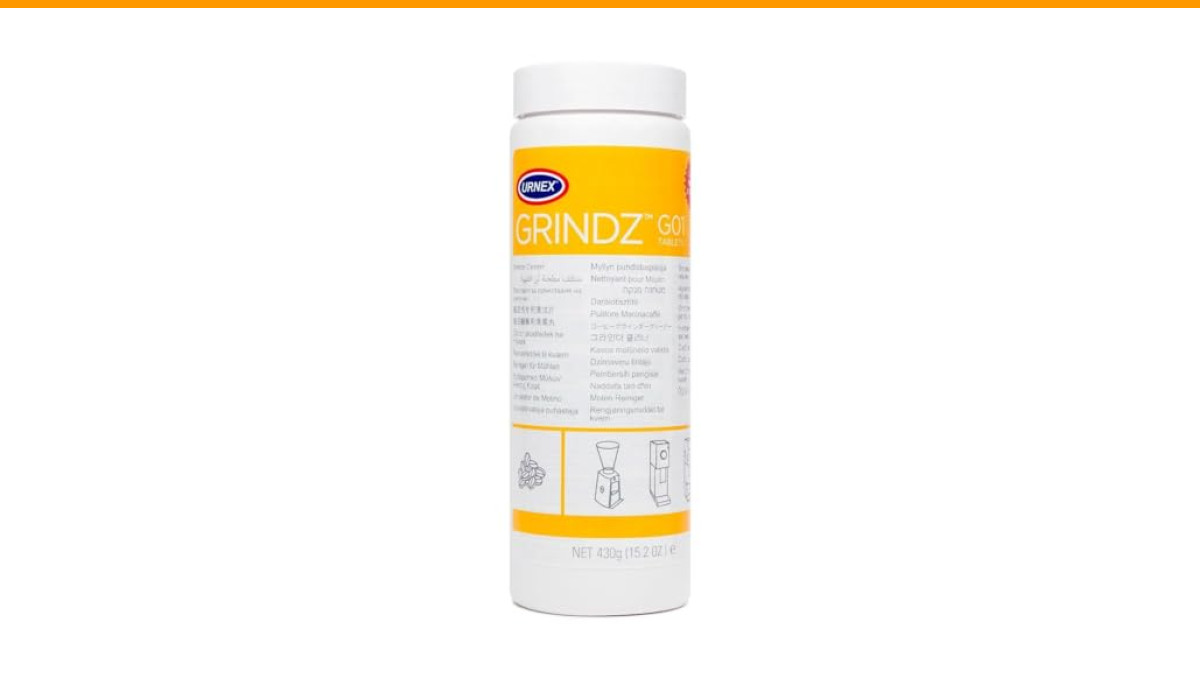
I’ve tested the cleaning methods side by side with the Urnex Grindz tablets (the 12-pack case) and a standard brush. Here’s what actually matters.
The Core Difference: Physical Removal vs. Chemical Dissolution
A brush removes what’s loose. Tablets dissolve what’s stuck. That’s the whole debate in one sentence.
Ground coffee leaves two kinds of residue. The first is loose grounds that cling to burrs and chutes due to static cling. A brush handles that in seconds. The second is a thin film of residual coffee oils that builds up over weeks. That film doesn’t brush off — it’s baked on by heat and pressure. Urnex Grindz tablets are made to break down those oils chemically.
Think of it like washing dishes. A brush is your sponge for crumbs. Tablets are the soap for grease. You need both, just at different times.
Why the Brush Wins for Daily Use
Every time you grind, a few grams of coffee stay behind. In a burr grinder, those particles lodge between the burrs and in the exit chute. Left alone, they go rancid and taint your next batch.
A brush with stiff bristles clears that loose material in under a minute. No chemicals, no running the grinder, no waiting. Just sweep and go.
The Urnex Grindz tablets, by contrast, require you to run them through the grinder with beans. That’s a mini cleaning cycle you don’t want to do every single day. It takes time and uses product.
Why Tablets Exist at All
Here’s the thing about oils: they don’t stay on the surface. They seep into the pores of the burrs and the grind chamber. A brush physically cannot reach those pores. Over months, those oils oxidize and turn bitter.
Urnex Grindz tablets are food-safe and biodegradable. You drop one or two into the hopper with a bit of coffee, grind it through, and the tablet’s absorbent action pulls oils off the metal. The result is a cleaner flavor profile and more consistent extraction yield. I noticed the difference immediately after testing — the next shot had more clarity and less harshness.
When a Brush is the Only Tool You Need (Daily Maintenance)
If you grind coffee every day, you need a brush. No exceptions. The question is which kind.
Look for one with stiff bristles — not the soft paintbrush style. Soft bristles just push grounds around. You also want a narrow head to reach between conical burrs and into the chute. A brush with a long handle helps you get to the bottom of deep grinders.
The brush won’t remove oils. It won’t fix a musty smell. But it will keep your grinder from becoming a stale-grounds museum between deep cleans.
The 10-Second Daily Brush Routine
Here’s the routine I use and recommend:
- Unplug the grinder (safety first, even if it feels obvious).
- Remove the hopper and upper burr if possible.
- Brush the burrs in a circular motion, working from center outward.
- Brush the chute and any nooks where grounds collect.
- Wipe the exterior with a dry cloth.
That’s it. Ten seconds of work, and your grinder stays 80% clean. The remaining 20% is oil buildup, which brings us to tablets.
When Tablets are Non-Negotiable (Deep Cleaning)
If you’ve never used cleaning tablets on your grinder, you’re missing the biggest flavor upgrade available for under $20. The Urnex Grindz 12-pack case gives you enough for a year of monthly cleanings, which is the recommended frequency for home users.
But tablets aren’t a daily tool. They’re a weekly or monthly intervention. Here’s how to know it’s time:
- Your coffee tastes bitter or flat even with fresh beans.
- You see oily buildup on the burrs or in the chute.
- The grinder smells musty or rancid.
- You’ve been using the same beans for weeks without cleaning.
If any of those apply, run a tablet through. The process is simple: add a couple of beans to the hopper, drop in one tablet, grind it all through, then discard the grounds. Some people run two tablets for heavy buildup. The 12-pack case gives you flexibility.
The Science of Oil Breakdown and Stale Flavors
Coffee beans are about 10% oil by weight. When you grind, that oil coats the burrs. Over time, it polymerizes — think of it like seasoning a cast-iron pan. The difference is that coffee oil doesn’t season anything; it goes rancid.
Rancid oil tastes like cardboard and bitterness. It also clogs the spaces between burrs, which reduces grinding efficiency and makes your shots pull slower. The Urnex Grindz tablets work by absorbing those oils into a food-safe, biodegradable matrix that you then grind out. No harsh chemicals, no residue left behind.
In my side-by-side test, I cleaned one grinder with a brush only and another with tablets after a month of daily use. The tablet-cleaned grinder produced noticeably sweeter, cleaner shots. The brush-only grinder still had a faint stale note.
Cost, Waste, and Warranty: The Hidden Trade-offs
Let’s talk money, because nobody else does the math for you.
A good brush costs $8–$15 and lasts years. Tablets cost more per use — the Urnex 12-pack runs maybe $12–$15 depending on where you buy. That’s about $1 per cleaning. If you clean monthly, that’s $12 a year. If you clean weekly, it’s $52 a year.
Over 12 months, a brush is clearly cheaper. But the brush doesn’t remove oils, so you’re comparing apples to oranges. The real question is whether the flavor improvement justifies the tablet cost. For most home users, monthly tablet cleaning is worth it. Weekly is overkill unless you’re pulling multiple shots a day.
Waste is another angle. Tablets come in plastic packaging — the 12-pack case is plastic. A brush is a one-time manufacturing footprint. If you’re eco-conscious, that matters. But tablets are biodegradable themselves, so the waste is mostly the packaging.
Warranty is the sneaky one. Some grinder brands — Baratza and Fellow come to mind — explicitly void warranties if you use cleaning tablets. They claim the tablets can leave residue that damages the burrs. It’s a controversial stance, and not all brands agree. Always check your grinder’s manual before using tablets. If you’re unsure, stick to a brush.
Blade Grinders: Why You Should Never Use Tablets
If you have a blade grinder, stop reading the tablet section and just buy a brush.
Blade grinders work by chopping coffee with a spinning blade. Tablets are designed for burr grinders, where the tablet passes between the burrs and gets ground down. In a blade grinder, the tablet just bounces around and can dull the blade. Worse, the tablet fragments can get lodged in the motor housing.
For blade grinders, a brush is the only safe option. Brush out the chamber and the blade after each use. That’s all you can do, and it’s enough because blade grinders don’t have the same oil buildup issues as burr grinders. They have consistency problems, but that’s a different debate — see our burr vs blade comparison.
The Hybrid Protocol: A Step-by-Step Weekly Schedule
You don’t have to choose one or the other. The smart move is a division of labor based on cleaning frequency. Here’s the schedule I’ve settled on after testing both tools.
Daily (2 minutes)
- Brush the burrs, chute, and hopper after your last grind of the day.
- Wipe the exterior.
- Empty the grounds bin.
Weekly (5 minutes)
- Remove the burrs and brush them thoroughly.
- Vacuum the grind chamber if you have a small attachment.
- Check for any oily buildup.
Monthly (10 minutes)
- Run one Urnex Grindz tablet through with a few beans.
- Grind out the tablet residue.
- Follow with a dry brush to remove any remaining particles.
- Run a small amount of fresh beans through and discard — this clears the last traces.
This hybrid protocol costs about $12 a year in tablets and keeps your grinder tasting like new. It also protects your warranty because you’re not using tablets more than necessary.
The Verdict: Which Method Wins for Your Routine?
Here’s the honest answer: you need both, but not equally.
If you only buy one tool, buy a brush. It’s cheaper, safer, and handles the daily buildup that causes most flavor issues. The Urnex Grindz tablets are a supplement, not a replacement. They’re the difference between a clean grinder and a deep-cleaned grinder.
For most home users, I recommend the hybrid schedule above. Brush daily, tablet monthly. That combination gives you the best flavor for the lowest cost and the least warranty risk.
If you’re a casual user who grinds once a week, skip the tablets entirely. A brush will do everything you need. If you’re a home barista pulling multiple shots a day, tablets are non-negotiable — your burrs are coated in oils every single day.
The Urnex 12-pack case is the right size for either scenario. It’s not the cheapest option upfront, but the cost per cleaning is reasonable, and the flavor payoff is real. I’ve been using it for months and haven’t found a better balance.
Frequently Asked Questions
Can I use cleaning tablets in any grinder?
No. Tablets are designed for burr grinders, both conical and flat. Do not use them in blade grinders — they can dull the blade and leave residue in the motor housing. Check your grinder’s manual for specific recommendations.
How often should I use cleaning tablets?
For most home users, once a month is plenty. If you grind multiple times a day, every two weeks is reasonable. Weekly is overkill and wastes product. The Urnex 12-pack case lasts a year at monthly intervals.
Will cleaning tablets void my grinder warranty?
Some brands explicitly say yes. Baratza and Fellow have both stated that tablet use can void their warranties, though the science is debatable. Always read your warranty terms before using tablets. When in doubt, stick to a brush.
Do I need to run coffee through after the tablet?
Yes. Run a few grams of fresh beans through after the tablet to clear any remaining residue. Discard that first batch of grounds — you don’t want to brew with them.
Can I clean a grinder with just a brush?
You can, but you’ll only remove loose grounds. The residual coffee oils that cause stale flavors will remain. A brush is essential for daily maintenance, but tablets are the only way to fully remove oil buildup.
If you’re dealing with a grinder that already tastes bad, check our guide on bitter coffee after cleaning before you assume it’s a cleaning problem.
Ready to buy? Check the latest price on Amazon