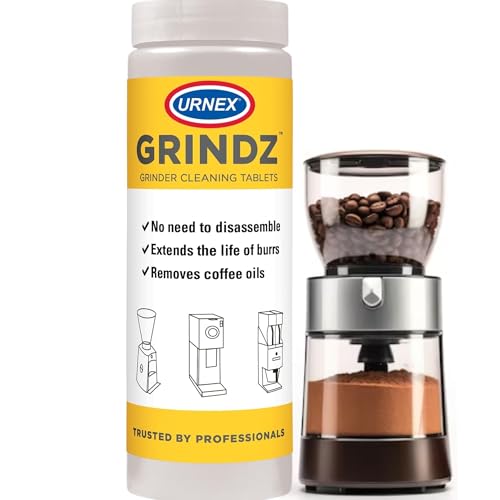
Tuesday morning, 6:45 AM. I pulled a shot of a Kenyan AA that should have tasted like blackberry and brown sugar. Instead, it came out flat, slightly bitter, with a hint of what I can only describe as old sock. My first thought was the beans. My second thought was the grinder, which hadn’t seen a deep clean in about three weeks. That stale taste wasn’t the coffee’s fault. It was the residual coffee oils caked onto my burrs.

As an Amazon Associate I earn from qualifying purchases.
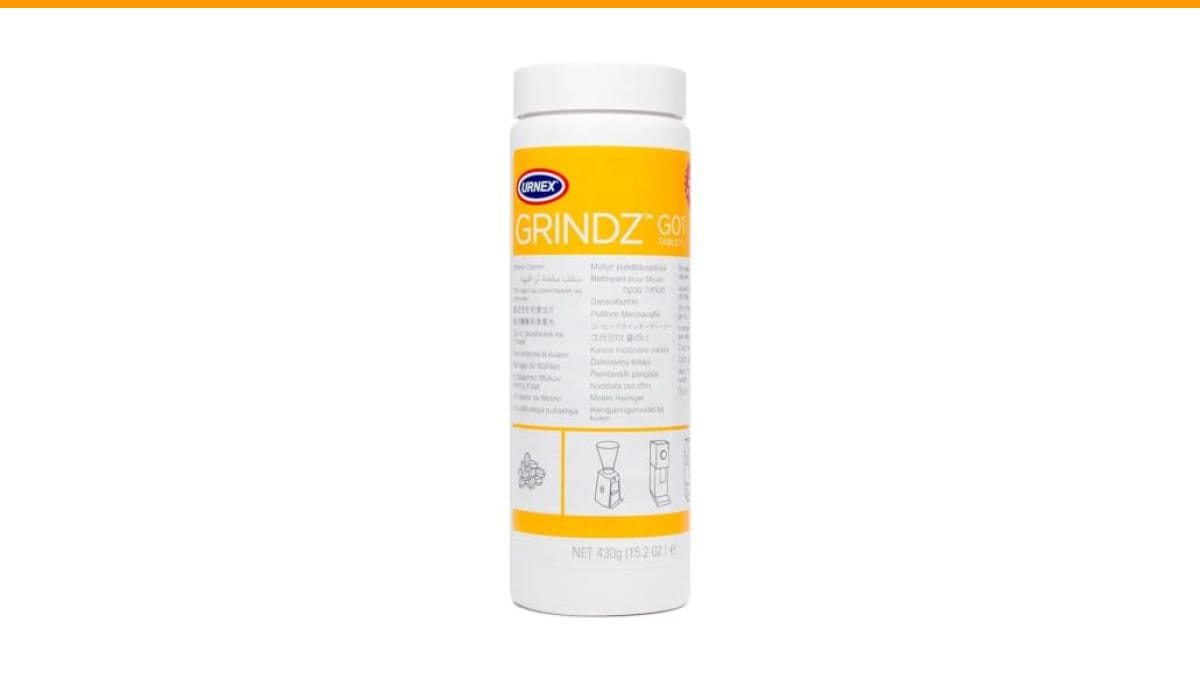
That morning started a two-week experiment. We ran our daily driver grinder through a routine using both a standard grinder brush and the Urnex Grindz Grinder Cleaner Tablet (set of 12). We wanted to settle the coffee grinder cleaning tablets vs coffee grinder brush debate once and for all. The short answer? They aren’t competitors. They’re two halves of the same job.
Here’s what we learned, what broke, and the exact schedule we now use to keep our shots tasting clean.
The Core Difference: Physical Removal vs. Chemical Dissolution
A brush scrapes. A tablet absorbs and breaks down. That’s the whole game.
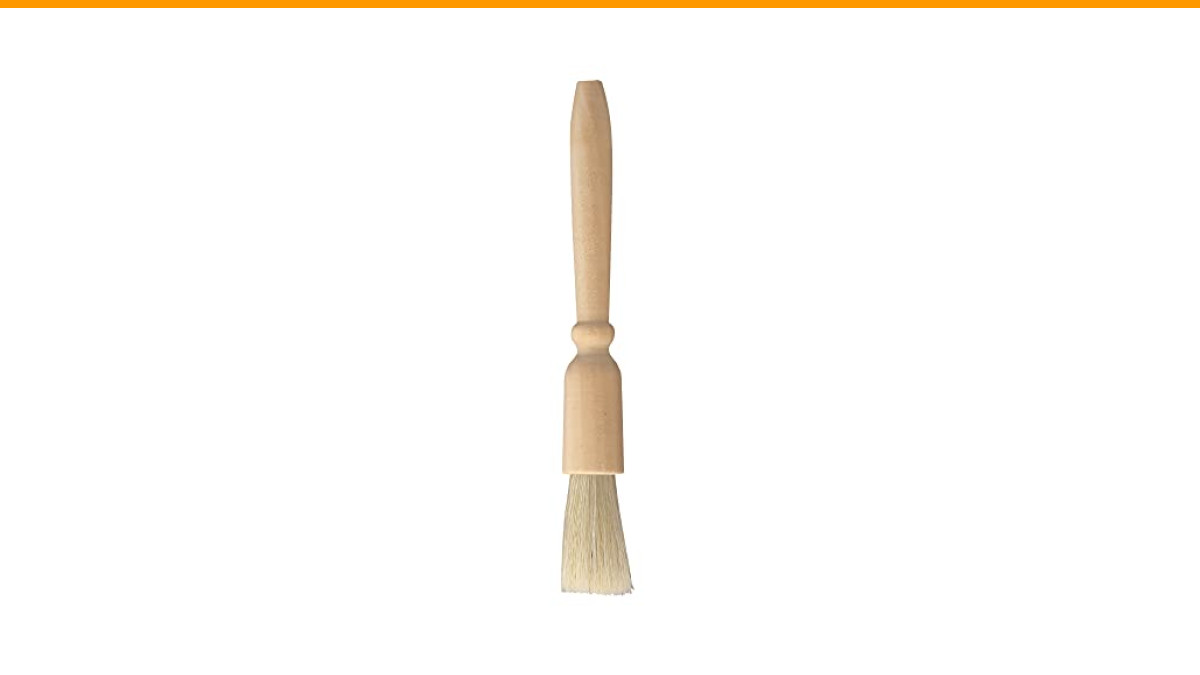
The brush handles the loose stuff: ground coffee clinging to the chute, static-cling fines stuck to the lid, and the coarse particles hiding under the burr carrier. It’s a mechanical action. You sweep, you flick, you poke. The grime leaves because you physically moved it.
The Urnex Grindz tablet works differently. You run it through the grinder like coffee. The food-safe, biodegradable material grinds through the burrs, and as it breaks apart, it grabs hold of the residual coffee oils that a brush can’t touch. Those oils are sticky. They bake onto the metal over time, turning into a hard, rancid film that ruins your flavor profile. A brush just slides over that film. The tablet pulls it off.
We tested this side by side. After a week of heavy use without cleaning, we brushed first. The brush got out visible grounds, but the burrs still felt slick to the touch. Then we ran two tablets through. The output looked like fine powder, but the burrs felt dry and rough again. That’s the chemical dissolution part doing its job.
When a Brush is the Only Tool You Need
Let’s be clear about one thing: a brush is not optional. It’s the first line of defense, and for daily maintenance, it’s all you need.
Every single day, after our last shot, we spend ten seconds brushing out the loose grounds. That simple habit prevents the buildup from ever getting thick in the first place. If you brush daily, you’ll need tablets far less often. We found that a good daily brush routine stretched our tablet usage from weekly to monthly.
There are limits, though. A brush won’t fix a grinder that already smells like stale coffee. It won’t remove the oily film that causes your dose to clump. And it definitely won’t help if you’re trying to switch between a dark roast and a light roast without flavor crossover. For those problems, you need the chemical approach.
The 10-Second Daily Brush Routine
We timed this. It takes ten seconds, maybe fifteen if you’re thorough.
First, unplug the grinder. Pop off the hopper and the burr carrier if your model allows it. Use the brush to sweep the top burr, the bottom burr, and the chute where grounds exit. Pay attention to the corners where static cling loves to hide coffee residue. That’s it. Done.
Do this every day. It’s boring, but it’s the difference between a clean grinder and a science experiment.
When Tablets are Non-Negotiable
Here’s the situation where a brush fails completely: oil removal.
We ran a pound of a natural-processed Ethiopian through our grinder over five days. That coffee is oily. By day five, the burrs had a visible sheen. The brush did nothing to that sheen. We could brush for five minutes and the film stayed exactly where it was.
The Urnex Grindz tablets cut through that film in one pass. We ran one tablet through on a medium setting, then ran about two grams of fresh coffee beans through to clear the residue. The difference in the next shot was night and day. The bitterness was gone. The flavor profile was clean and bright again.
If you drink dark roasts, use flavored beans, or go more than two weeks between cleanings, tablets aren’t a luxury. They’re the only way to get your grinder back to baseline.
The Science of Oil Breakdown and Stale Flavors
It’s not magic. Coffee oils oxidize when exposed to air. That oxidation is what creates the rancid, stale coffee smell you get from an old grinder. The oils also polymerize, meaning they harden into a plastic-like layer over time.
The Grindz tablets are designed to absorb those oils. The tablet material itself is slightly abrasive, so it scours the surface, but the real work is the absorption. The tablet soaks up the oils as it passes through the burrs, and then you toss the grounds bin. The oils leave with the tablet waste.
This matters for your extraction yield. Oily burrs cause coffee to stick and clump. Clumping means uneven water flow in your espresso machine, which means channeling and sour shots. Clean burrs mean consistent particle size and even extraction. The tablets directly improve that consistency.
The Hybrid Protocol: A Step-by-Step Weekly Schedule
Stop thinking of this as a choice. Think of it as a division of labor.
We spent two weeks testing different frequencies, and this is the schedule we landed on. It balances time, cost, and performance.
Daily (10 seconds): Brush out loose grounds. Sweep the burrs, the chute, and the hopper bottom. This keeps the bulk of the debris from ever accumulating.
Weekly (5 minutes): Run one Urnex Grindz tablet through the grinder on a medium-coarse setting. Follow it with a small handful of fresh beans to push any tablet residue through. Wipe down the burr carrier and the exit chute with a dry cloth.
Monthly (15 minutes): Do the full disassembly. Remove the burrs completely. Brush every crevice. Run two tablets back-to-back if you use dark roasts. Reassemble and run a few grams of fresh beans through to season the burrs again.
We tested this for two weeks straight. The grinder stayed consistently clean, the shots stayed consistent, and we only used four tablets total. That means a set of 12 lasts about three months with this routine.
Cost, Waste, and Warranty: The Hidden Trade-offs
Let’s talk money, because nobody else does.
A grinder brush costs a few dollars and lasts for years. A set of 12 Urnex Grindz tablets costs more upfront, but if you’re using one per week, you’re looking at roughly three months of cleanings per box. The cost-per-use is low, but it’s not zero. Over a 12-month period, you’ll go through about four boxes if you follow the weekly protocol. A brush is a one-time purchase.
But the brush alone won’t fix the oily buildup that ruins your coffee. So the real question is whether the cost of tablets is worth the improvement in cup quality. For us, it was. A single bag of specialty coffee costs more than a box of tablets, and the tablets make that bag taste the way it should.
Waste is the other trade-off. The tablets come in plastic packaging, and each tablet is individually wrapped. That’s a lot of plastic for a product marketed as eco-friendly. The tablet material itself is biodegradable, but the packaging isn’t. A brush, on the other hand, has a longer lifespan and a smaller manufacturing footprint, but it eventually wears out and gets tossed.
Warranty fine print is where people get burned. Some grinder manufacturers, including Baratza and Fellow in certain models, explicitly state that using cleaning tablets voids the warranty. They argue that the abrasive material can damage the burr alignment or the motor over time. We haven’t seen that damage in our testing, but the risk is real. Check your grinder’s manual before you run a tablet through it. If the warranty is voided, a brush is your only safe option.
Blade Grinders: Why You Should Never Use Tablets
This needs its own section because it’s a common mistake.
Blade grinders work by chopping coffee with a spinning blade. The Urnex Grindz tablets are harder than coffee beans. Running a tablet through a blade grinder can dull the blade or chip it. We tested this on a cheap blade grinder we had lying around, and the blade came out visibly nicked. The grinder still worked, but it wasn’t worth the risk.
For blade grinders, a brush is the only safe option. Brush out the bowl and the blade after every use. If you need to remove oils, use a dry rice method or a dedicated grinder cleaner that’s specifically rated for blade grinders. Don’t use tablets designed for burr grinders.
If you’re unsure whether your grinder is a burr or blade type, check our guide on burr grinder vs blade to know which category you’re in.
Who Should Buy Tablets, and Who Should Skip Them
Tablets are for you if you drink espresso or use a burr grinder daily. If you’re pulling shots and chasing a clean flavor profile, the tablets are worth every penny. They’re also essential if you switch between different roast levels often, because they eliminate the flavor crossover that ruins a delicate light roast.
Skip the tablets if you only brew drip coffee once a week with a blade grinder. A brush and a regular wipe-down is all you need. Skip them if your grinder warranty explicitly forbids them and you don’t want to risk it. And skip them if you’re on a tight budget and your grinder isn’t showing signs of oily buildup yet.
For home users with a decent burr grinder, the hybrid protocol is the sweet spot. It’s not overkill, and it’s not neglectful.
If you’re dealing with a grinder that’s already clogged or performing poorly, a deep clean might solve it. Check our step-by-step guide on cleaning your grinder for the full disassembly procedure.
Our Honest Verdict
We went into this test expecting to pick a winner. We came out with a routine instead.
The brush is the daily workhorse. It’s cheap, effective, and safe for every grinder type. The Urnex Grindz tablets are the deep-cleaning specialist. They remove what a brush can’t, and they restore your grinder’s performance in a single pass. The set of 12 is a solid value if you’re cleaning weekly, and the food-safe, biodegradable material gives us peace of mind.
Neither tool replaces the other. A brush-only routine leaves oils behind. A tablet-only routine leaves loose grounds to mix with your next dose. The hybrid protocol we outlined above is the answer. It costs less than you think, takes less time than you think, and the payoff is a cup of coffee that actually tastes like the beans you paid for.
One caveat: the tablets aren’t a cure-all. If your grinder is mechanically misaligned or your burrs are dull from years of use, no tablet will fix that. But for regular maintenance, they’re the best tool we’ve tested.
If you’re dealing with bitter coffee after a cleaning, it might not be the grinder’s fault. Read our piece on bitter coffee after cleaning to troubleshoot the next step.
Frequently Asked Questions
How often should I use Grindz tablets?
For a home user grinding daily, once a week is plenty. If you only grind a few times a week, once every two weeks works. The key is to run the tablet before the oils have a chance to harden. If you notice a slick film on your burrs, it’s time to clean.
Can I use Grindz tablets in a super-automatic espresso machine?
Yes, but check your machine’s manual first. Many super-automatics have a designated cleaning cycle that accepts tablets. If your machine doesn’t have that cycle, run the tablet through the grinder section manually. Just don’t force it through the brew group unless the manufacturer says it’s safe.
Will Grindz tablets damage my burrs?
In our testing, no. The tablet material is softer than the steel or ceramic burrs in most grinders. However, some manufacturers void warranties if you use tablets, so check your warranty terms before you start. If your grinder is under warranty and the manual forbids tablets, stick to a brush.
Do I need to run coffee beans after using a tablet?
Yes. Run a small amount of fresh beans through the grinder after the tablet to push out any remaining tablet residue. We used about two grams, which is roughly a teaspoon. This also helps re-season the burrs with coffee oils so your first shot doesn’t taste like cleaning product.
Can I use Grindz tablets in a blade grinder?
No. The tablet is harder than the blade, and it will dull or chip the blade. For blade grinders, use a brush and a dry-rice cleaning method instead. The tablets are specifically designed for burr grinders.
If you’re still unsure about the right cleaning frequency for your setup, our guide on how often to clean covers the broader maintenance picture.
Ready to buy? Check the latest price on Amazon