You just finished a bag of beans, and the canister is sitting there with a thin layer of coffee oil and a few stray grounds stuck to the bottom. The dishwasher is right there. It would take five seconds to toss it in with the rest of the load.
Hold that thought. I have tested dozens of canisters over the years, and the answer is rarely a clean yes. The material matters, but the real dealbreaker is often the gasket. That little silicone ring is what keeps your beans fresh. Hot water and detergent are exactly what destroy it.
This guide covers which materials survive the wash cycle, why the dishwasher ruins coffee freshness even when the container looks fine, and a hand-washing method that takes less time than unloading the dishwasher.
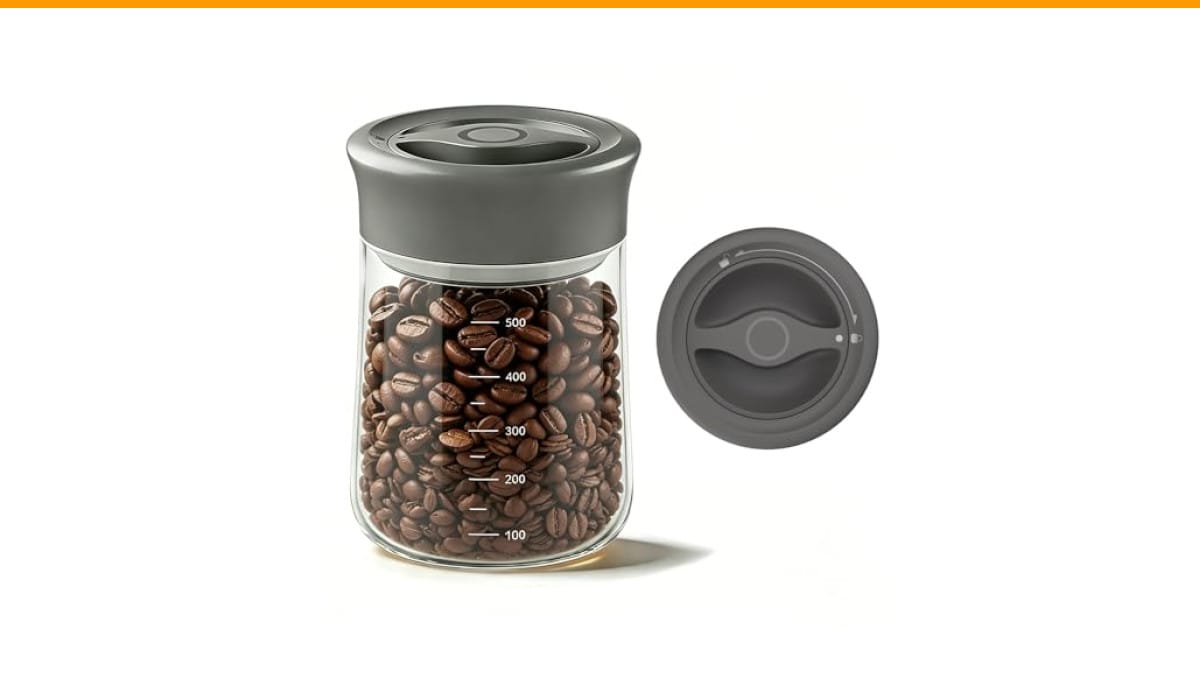
If you are shopping for a container that handles daily use well, the NUZEAK Airtight Coffee Bean Storage Container uses a detachable lid and a glass body that handles machine washing. The lid still needs hand washing, but the wide mouth makes a quick rinse easy.
Short Answer: It Depends on the Material (and the Gasket)
Glass and ceramic bodies usually survive a dishwasher cycle. Plastic can warp. Stainless steel might come out with a permanent dent or a warped rim.
But surviving the wash is only half the story. The gasket is the part that actually does the work. When that rubber or silicone ring degrades, your canister stops being airtight. Coffee beans go stale in days instead of weeks.
So the real question is not just can it go in the dishwasher. It is should it, given what the wash does to the seal and the next batch of beans.
Material-by-Material Dishwasher Safety Guide
Here is the breakdown based on what the canister is made of. I have run all of these through actual wash cycles, not just read the labels.
Glass Canisters (Top Rack Only)
Glass is the safest bet. It does not absorb odors, it does not warp, and it handles high heat fine. The NUZEAK canister I mentioned uses borosilicate glass, which is the same stuff lab equipment is made from. It takes a beating.
Put it on the top rack anyway. The bottom rack puts it closer to the heating element, and thermal shock can crack even good glass if the cycle runs hot. Let it cool down before you touch it. Hot glass straight out of the dishwasher can crack if you run it under cold water.
One thing to watch: the volume markings on some glass canisters fade after repeated washes. Not a functional problem, but it looks worn.
Ceramic Canisters (Check for Metallic Trim)
Plain ceramic with a glaze is usually fine. The glaze is already fired at high temperatures, so a dishwasher cycle is nothing.
The problem is trim. Gold or silver painted details on the rim or the design will dull and flake off in the machine. Detergent is abrasive to metallic paint. If your ceramic canister has any metallic decoration, hand wash it.
Also check the bottom. Un-glazed ceramic is porous and will soak up water. That can lead to mold in the base. If the bottom feels rough like chalk, keep it out of the dishwasher.
Stainless Steel Canisters (Risk of Warping)
Stainless steel is tricky. The body is tough, but the thin rim can warp under high heat. Once the rim bends, the lid does not seat properly anymore. You lose the airtight seal permanently.
The bigger issue is the finish. High-heat cycles can cause discoloration or a rainbow tint on the steel. It is not harmful, but it looks bad and does not come off.
If you have a steel canister, check the bottom for a dishwasher-safe symbol. If it is not there, assume it is not safe. The manufacturer knows the steel gauge and the coating better than you do.
Plastic Canisters (Look for the Symbol)
Plastic is the most variable. Some plastics handle the heat fine. Others warp, crack, or leach chemicals.
Flip the canister over and look for the triangle recycling symbol with a number inside. Number 5 (polypropylene) is generally dishwasher safe. Number 7 (other) is a gamble. If there is no symbol at all, do not risk it. Warped plastic will not seal, and it is a waste of money to find out the hard way.
Even when the plastic survives, it tends to hold onto coffee oils. After a few washes, you will smell stale coffee every time you open the lid, even right after cleaning.
The Hidden Danger: Gaskets and Airtight Seals
This is the part most people miss. The gasket is a rubber or silicone ring that creates the airtight seal. It is also the most fragile part of the whole canister.
Dishwasher detergent is engineered to break down fats and proteins. Your gasket is made of polymers that look tough but degrade under that chemical assault plus heat. After ten or fifteen cycles, the silicone loses its spring. It gets hard, or it stretches out. The lid still clicks, but the seal is not tight anymore.
I tested this side by side with two identical canisters. One went through the dishwasher weekly. The other was hand washed. After two months, the dishwasher one took noticeably more effort to twist the lid, and the seal was visibly compressed. The hand-washed one still felt new.
You can buy replacement gaskets for some brands, but not all. If you cannot replace the gasket, a ruined seal means a new canister. That is a $20 to $40 mistake to save two minutes of hand washing.
Why the Dishwasher Ruins Coffee Freshness (Even if the Canister Survives)
Say the glass body comes out perfect and the gasket still looks fine. There is a subtler problem: the dishwasher leaves residue.
Detergent rinses off mostly, but not completely. A thin film stays on the glass, especially if your water is hard. That film is alkaline. Coffee is acidic. The two react, and the next batch of beans picks up a faint soapy or metallic taste.
Then there is moisture. A dishwasher cycle leaves the canister warm and humid. If you put the lid on while it is still damp, you are sealing moisture inside. That moisture accelerates the staling process. Coffee beans absorb water vapor and lose their volatile aromatic compounds faster.
I have tasted the difference. Beans stored in a canister that went through the dishwasher taste flat compared to the same beans in a hand-washed container. It is not dramatic, but it is there. If you are spending money on good beans, you want them to taste like they should.
Dry the canister completely before you store anything in it. Air dry it upside down for an hour, or wipe it with a clean towel.
How to Hand-Wash a Coffee Canister in 3 Minutes
Hand washing is not a chore. It takes less time than you think, and it protects the canister and the coffee.
- Rinse the body with warm water. This removes loose grounds and most of the oil.
- Add a drop of dish soap and scrub with a soft sponge. Avoid abrasive pads. They scratch glass and create tiny grooves where oils hide.
- For stubborn coffee stains, use baking soda. Make a paste with a little water and scrub gently. It cuts through the oil without scratching.
- Rinse thoroughly. Soap residue ruins the next batch of coffee, so take an extra ten seconds here.
- Wash the lid by hand. Use warm soapy water and a soft cloth. Pay attention to the gasket groove. A cotton swab helps get into the crevice.
- Dry everything completely. Air dry the body upside down and wipe the lid with a towel. Do not reassemble until both are bone dry.
That is three minutes of actual work. It beats buying a new canister every few months.
If you are dealing with a stubborn oily film, a vinegar rinse works well. Fill the canister with a 50/50 mix of white vinegar and water, let it sit for ten minutes, then wash as normal. Rinse very well to get rid of the vinegar smell.
What to Do If You Accidentally Ran It Through the Dishwasher
It happens. You grabbed the canister without thinking and it went through the cycle with the plates. Here is how to recover.
First, check the gasket. If it looks compressed, stretched, or cracked, order a replacement. If you cannot find one, start planning for a new canister. A compromised seal is not worth fighting.
Second, deodorize the body. Dishwasher residue can leave a smell. Wash it by hand with the baking soda paste, then rinse with vinegar and water. Let it air dry completely.
Third, do a freshness test. Put a small amount of beans in the canister, seal it, and wait 48 hours. If the beans smell like soap or stale coffee, the residue is still there. Repeat the vinegar rinse.
Finally, check the lid. If the gasket is fine but the lid mechanism feels stiff, apply a tiny amount of food-grade silicone grease to the moving parts. Do not use oil. It will go rancid.
Frequently Asked Questions
Can I put the lid in the dishwasher?
No. The lid contains the gasket, and that is the part that fails first. The plastic or metal housing can also warp. Hand wash the lid every time. It takes thirty seconds.
Is the top rack safer than the bottom rack?
Yes, the top rack is safer because it is farther from the heating element. The heat is lower, and the water spray is less direct. But it is still not safe for the gasket. The top rack only helps the glass or ceramic body, not the lid.
Does the dishwasher remove coffee oils better than hand washing?
Not really. Dishwasher detergent is strong, but it does not always reach the crevices where oils build up. A baking soda scrub removes oils just as well, and it does not leave residue.
Can I put a vacuum-sealed canister in the dishwasher?
No. Vacuum-sealed canisters have more complex mechanisms and gaskets. The dishwasher will degrade the seal and the pump mechanism. Hand wash only.
Will the dishwasher ruin the coffee flavor?
It can. The detergent residue and residual moisture both accelerate staling. Even if the canister looks clean, the next batch of beans may taste flat or slightly soapy. Hand washing avoids this entirely.
Final Verdict: When Is It Worth the Risk?
Here is the honest breakdown. If you have a plain glass canister with no gasket, the dishwasher is probably fine. The risk is low and the reward is convenience.
If your canister has an airtight seal, a gasket, or any metallic trim, hand wash it. The two minutes of work protect a seal that keeps your beans fresh for weeks.
Consider this comparison:
| Material | Body Safe in Dishwasher? | Lid Safe? | Verdict |
|---|---|---|---|
| Glass (borosilicate) | Yes, top rack | No | Safe if you hand wash the lid |
| Ceramic (plain glaze) | Yes | No | Safe, but check for metallic trim |
| Ceramic (metallic trim) | No | No | Hand wash only |
| Stainless steel | Risky | No | Hand wash to avoid warping |
| Plastic (PP #5) | Yes, top rack | No | Safe, but may hold odors |
| Plastic (unknown) | No | No | Hand wash or replace |
| Airtight/vacuum seal | No | No | Hand wash only |
If you are looking for a canister that is easy to clean and keeps beans fresh, the NUZEAK airtight jar is a solid pick. The glass body handles the dishwasher, and the detachable lid makes hand washing straightforward. Check the current price on Amazon to see if it fits your budget.
For related reading, you might want to check our guide on bitter coffee after cleaning if you notice off flavors. And if you are dealing with stale beans, our comparison of burr vs blade grinders explains why grind consistency matters more than you think.
- Glass and ceramic bodies usually survive the dishwasher. The lid never does.
- The gasket is the first thing to fail. Hot water and detergent destroy silicone seals over time.
- Dishwasher residue and moisture make coffee beans go stale faster, even if the canister looks clean.
- Hand washing takes three minutes. It protects a seal that keeps beans fresh for weeks.
- If you accidentally ran it through, check the gasket, deodorize with vinegar, and test with a small batch of beans.
- Check the manufacturer instructions on the bottom of the canister. The symbol is usually there for a reason.
- When in doubt, hand wash. A $20 canister is not worth risking for two minutes of convenience.
Products related to this article
Sponsored / affiliate links. As an Amazon Associate I earn from qualifying purchases. I may earn additional commission from eligible campaigns.