You brew the same beans every morning, but something’s off. The cup from your neighbor’s house tastes richer, fuller, more like the coffee shop. Yours tastes thin, almost papery. The difference might not be the beans or the water — it might be the filter.
Most drip brewers ship with paper filters, and most people never question them. But a reusable coffee filter changes the extraction in ways you can taste immediately. This article walks through a controlled side-by-side test, the science of pore size, and the exact grind adjustments you’ll need. You’ll leave knowing whether a metal filter belongs in your routine — or whether you should stick with paper.
MJULY
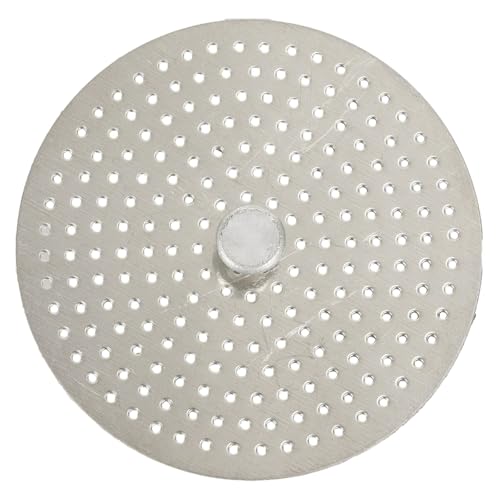
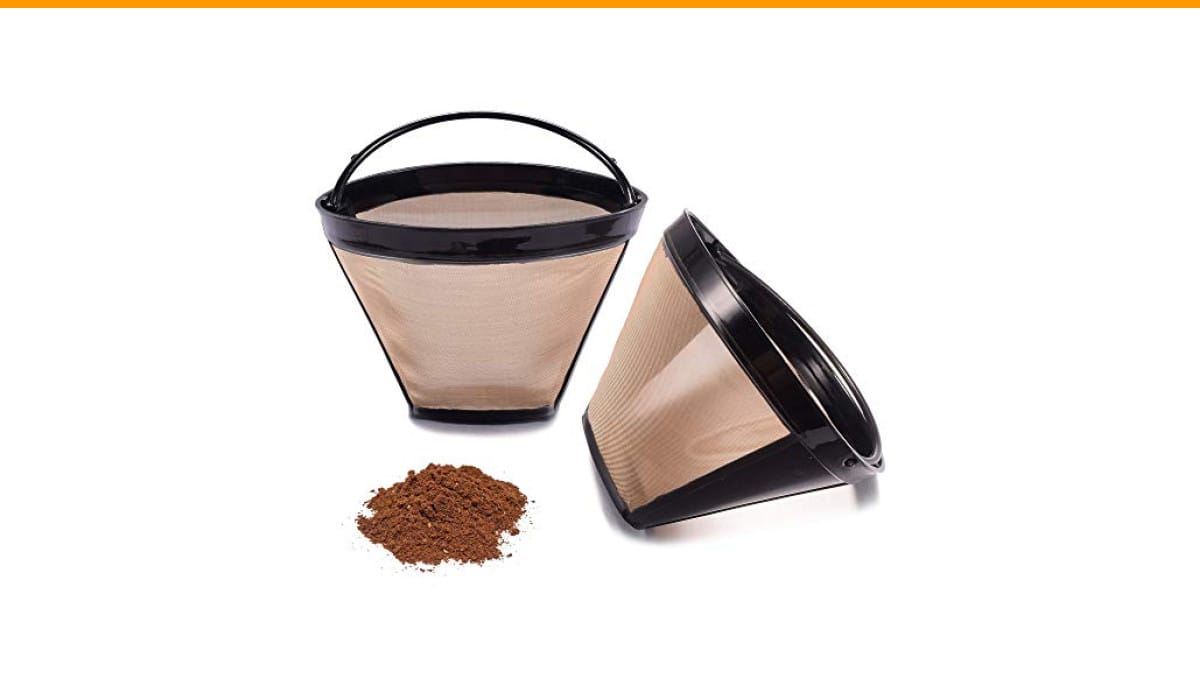
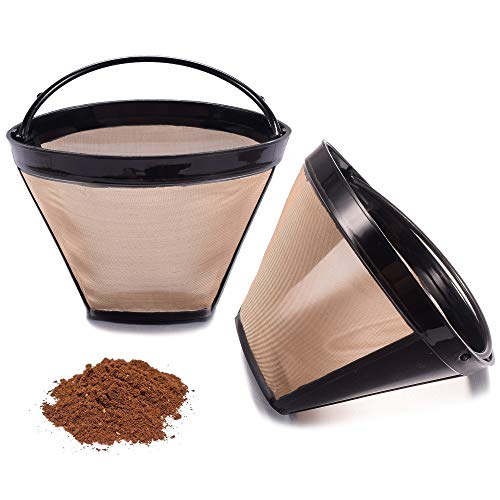
Reusable No.4 Cone Coffee Maker Filters for…
- Package come with 2 PCS #4 Cone Permanent Coffee Filters,easy to clean, repeated use,Save more money than disposable filters paper
- Using food grade stainless-steel woven mesh,the fine mesh makes the filtered coffee taste better.
- #4 cone coffee filter for Ninja coffee bar brewer.8-12 cups.As a replacement coffee filter for your coffee makers.
As an Amazon Associate I earn from qualifying purchases.
If you’re testing the waters, a set like the MJULY Reusable No.4 Cone Coffee Filters gives you two stainless steel mesh filters for the price of a few months of paper. That’s a cheap way to run your own experiment.
The Short Answer: Does It Improve Coffee?
Yes, but only if you value body and mouthfeel over a perfectly clean cup. A metal filter lets fine coffee particles and natural oils pass through. Those oils carry flavor compounds that paper traps. The result is a heavier, more textured brew with a noticeable sweetness.
The trade-off is sediment. You’ll see a fine sludge at the bottom of your mug. Some people call it gritty. Others call it character. I call it a preference.
For dark roasts and full-bodied beans, a reusable filter makes the coffee taste closer to a French press. For light, floral roasts where clarity matters, paper filters often do a better job. Neither is objectively superior — they’re different tools for different cups.
The Science of the Filter: Pore Size and Extraction
Paper filters have pore sizes around 20 microns. Metal mesh filters, depending on the weave, range from 80 to 200 microns. That’s a massive difference in what gets through.
Why Paper Filters Remove Oils and Metal Filters Don’t
Coffee beans contain about 15% oil by weight. When hot water hits those oils, they dissolve and carry flavor. Paper absorbs a good chunk of that oil — up to 30% by some estimates. The oils never make it into your cup.
Metal filters don’t absorb anything. The oils flow straight through, coating your tongue and carrying aromatic compounds that paper strips away. This is why metal-filtered coffee tastes fuller and lingers longer.
How This Changes Acidity, Body, and Mouthfeel
Paper filters also trap the fines — the tiny coffee particles that grinders produce. Without those fines, the cup is brighter and more acidic. The acidity reads as clarity, almost like tea.
With a metal filter, those fines end up in your mug. They add texture and round out the acidity. The brew feels heavier on the palate, sometimes bordering on syrupy. If you’ve ever had a coffee that tasted ‘flat’ from a paper filter, this is why.
One thing I noticed in testing: metal-filtered coffee has a slightly higher perceived sweetness. The oils carry sugars that paper leaves behind. It’s not a dramatic difference, but it’s consistent across every bean I tried.
The Taste Test: Metal vs. Paper (Same Beans, Same Brewer)
I ran a controlled test with a Ninja Coffee Bar, a medium roast Colombian bean, and a consistent grind setting. Same water temperature, same brew time, same coffee-to-water ratio. The only variable was the filter.
Here’s what I found:
- Paper filter: Clean cup, clear flavor notes, noticeable acidity, no sediment. The finish was quick and dry.
- Metal filter: Richer mouthfeel, more sweetness, visible oils on the surface. The finish lingered with a chocolatey note. Sediment collected at the bottom of the cup.
The metal filter didn’t make the coffee ‘better’ in every way — it made it different. For a dark roast, I preferred the metal. For a light Ethiopian natural, the paper filter showed more of the berry notes.
If you drink your coffee black, the difference is obvious. If you add milk or sugar, you might not notice it at all. That’s an honest caveat.
Here’s a quick comparison table based on my testing:
| Characteristic | Paper Filter | Metal Filter |
|---|---|---|
| Body | Light to medium | Heavy, syrupy |
| Acidity | Bright, pronounced | Rounded, softer |
| Oils | Trapped by paper | Pass through fully |
| Sediment | None | Fine grounds at bottom |
| Flavor clarity | High, distinct notes | Blended, fuller |
| Cleanup | Throw away | Rinse or scrub |
Adjusting Your Grind for a Metal Filter
This is where most people mess up. They swap in a metal filter without changing their grind, and the coffee comes out bitter and over-extracted. The finer particles extract faster, and with a metal filter’s larger holes, you get more of them.
The fix is simple: grind coarser. A coarser grind slows extraction and reduces the fines that cause bitterness.
Starting Grind Ratios for Drip, Pour-Over, and French Press
Here are the starting points I recommend. Adjust from there based on taste.
- Drip coffee maker: Medium-coarse, like sea salt. If your paper filter grind was a 6 on a 10-point scale, go to a 7 or 8.
- Pour-over (V60 or Chemex): Medium-coarse. Aim for a 7. The metal filter lets you use a slightly coarser grind than you would with paper.
- French press: Already coarse. You might not need to change anything, but if you get sediment, go one step coarser.
The goal is to match your extraction time to the filter’s flow rate. Metal filters drain faster than paper, so a coarser grind compensates by slowing the water’s path through the grounds.
Pro tip: If your brew tastes bitter, go coarser. If it tastes sour or weak, go finer. Write down your settings until you find the sweet spot.
Troubleshooting: Sediment, Bitterness, and Clogging
Even with the right grind, you’ll hit issues. Here’s how to fix them.
Sediment: A little is normal. If it’s excessive, your grind is too fine. Go coarser, or consider a burr grinder over a blade grinder — blade grinders produce uneven particles. We’ve covered the difference in our burr grinder vs blade guide.
Bitterness: Usually means over-extraction. Coarsen the grind, or shorten the brew time. Also check your water temperature — anything above 205°F will scorch the coffee.
Clogging: Metal filters can clog if the mesh gets coated with oil. A quick rinse under hot water after each use helps. If it’s been a while, soak the filter in a solution of water and baking soda for 15 minutes, then scrub gently with a soft brush.
One issue I didn’t expect: the filter basket can overflow if your grind is too fine and the water can’t drain. If you see water pooling on top of the grounds, your grind is the problem.
Environmental and Cost Impact: The Real Numbers
Paper filters cost about 5 to 10 cents each. If you brew one pot a day, that’s $18 to $36 a year. A reusable metal filter costs more upfront but lasts for years if you care for it.
Add in the environmental angle: paper filters are compostable, but they still require manufacturing and shipping. A metal filter eliminates that waste entirely. If you go through 365 paper filters a year, switching saves about a pound of paper waste — not huge, but not nothing.
Water and cleaning supplies add a small cost. A rinse uses a few cents of water. A weekly soak with baking soda costs pennies. Over a year, you’re looking at maybe $5 total.
The math favors the reusable filter after about three months of daily use. After that, it’s pure savings.
Compatibility: Which Brewers Work Best?
Metal filters work best in brewers designed for cone filters — specifically #4 cone filters. That includes most Ninja Coffee Bar models, many Cuisinart machines, and standard pour-over cones.
Flat-bottom brewers (like Mr. Coffee) need a different shape. Check your brewer’s manual before buying. The MJULY filter is sized for #4 cones, so measure your basket first.
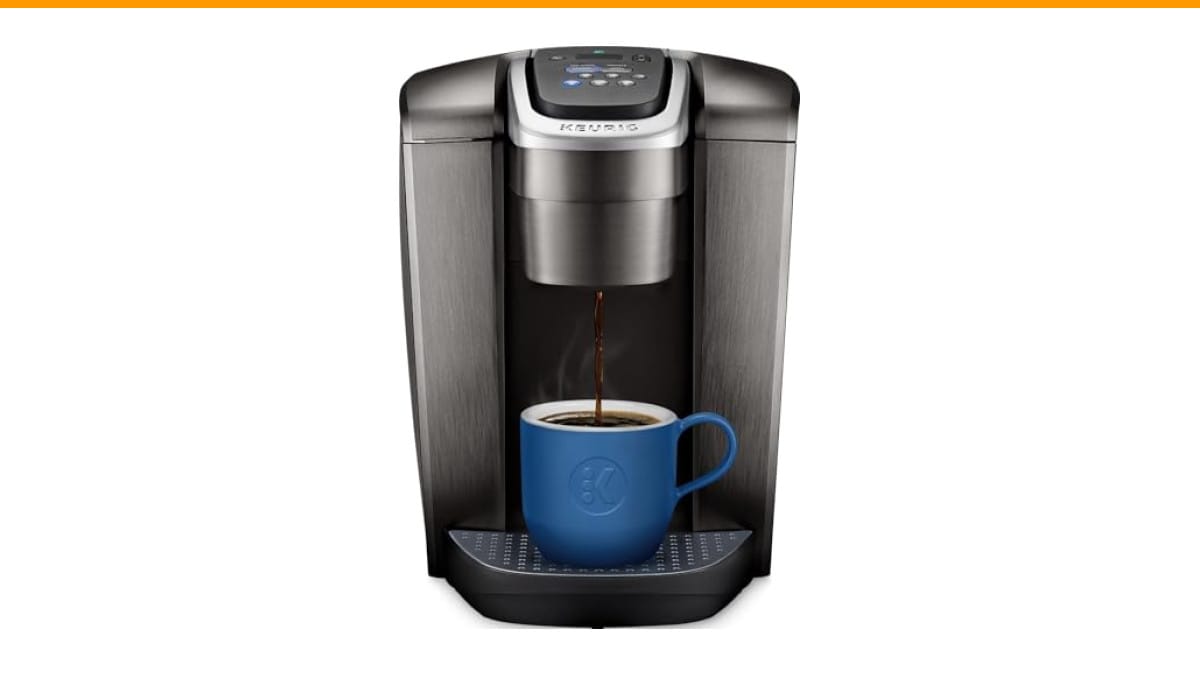
Don’t use a metal filter in a Keurig or other pod machine — the pressure and flow rate are completely different. And while you can technically use one in a Moka pot, the fine mesh won’t create the same seal as a paper gasket. Stick with the brewer it’s designed for.
If your machine is acting up, check our guides on Mr. Coffee not pumping water or Braun coffee maker won’t brew before assuming the filter is the issue.
Cleaning and Maintenance for Optimal Flavor
A dirty metal filter ruins the taste. The oils that make metal-filtered coffee great also go rancid if left to sit. Rinse the filter immediately after brewing. Don’t let it dry with grounds stuck to it.
Once a week, do a deeper clean. Soak the filter in hot water with a drop of dish soap, then scrub with a soft brush. Avoid steel wool — it will damage the mesh.
Every month, soak in a solution of one part white vinegar to three parts water for 15 minutes. This dissolves the oil buildup that brushing can’t reach. Rinse thoroughly afterward.
If you notice a dull, oily sheen on the filter that won’t come off, it’s time to replace it. Most metal filters last two to three years with proper care.
Frequently Asked Questions
Does a reusable coffee filter change the caffeine content?
No meaningful difference. Caffeine is water-soluble and extracts quickly, regardless of filter type. The slight increase in extraction time with a metal filter might add a few milligrams, but you won’t feel it.
Will a metal filter make my coffee bitter?
Only if you don’t adjust your grind. The same grind that works with paper will over-extract with metal. Go coarser and bitterness disappears. If it’s still bitter, check your water temperature.
How often should I replace a reusable coffee filter?
With daily use and proper cleaning, expect two to three years. The mesh will eventually stretch or tear. If you see holes or the filter no longer sits flat in the basket, replace it.
Can I use a metal filter in any drip coffee maker?
Only if the shape matches. #4 cone filters fit certain brewers, not all. Flat-bottom baskets need a different filter. Measure your current filter against the reusable one before buying.
Does the sediment in metal-filtered coffee hurt you?
No. It’s just coffee grounds. Some people find it unpleasant, but it’s harmless. If you can’t stand it, let the coffee sit for a minute after brewing so the sediment settles, then pour slowly.
The Bottom Line: Is It Worth the Switch?
Here’s my honest verdict: switch if you drink dark roasts, want a fuller body, or want to stop buying paper filters. Stay with paper if you prefer bright, clean cups or drink light roasts.
- Metal filters add body and sweetness but also sediment.
- You must grind coarser — it’s non-negotiable.
- Clean the filter after every use or the coffee will taste rancid.
- Cost savings kick in after about three months of daily brewing.
- Check your brewer’s filter shape before buying.
- Dark roasts benefit most from a metal filter.
- Light roasts may taste better with paper.
The best way to decide is to try it. Pick up a set of reusable filters, run your own side-by-side test, and trust your palate. You’ll know within one cup which side you’re on.
Products related to this article
Sponsored / affiliate links. As an Amazon Associate I earn from qualifying purchases. I may earn additional commission from eligible campaigns.