You pour a cup from your drip machine and notice the surface is clean, almost glassy. The French press you made last weekend had a slick, oily sheen on top. That difference isn’t just aesthetics — it’s the coffee oils, and the paper filter is doing the heavy lifting.
This article digs into what those oils actually are, how paper filters trap them, and whether you should care. You’ll walk away knowing exactly what’s in your cup, how different filters change the brew, and how to choose based on your health and taste preferences.

Amazon Basics
Amazon Basics Basket Coffee Filters for 8-12…
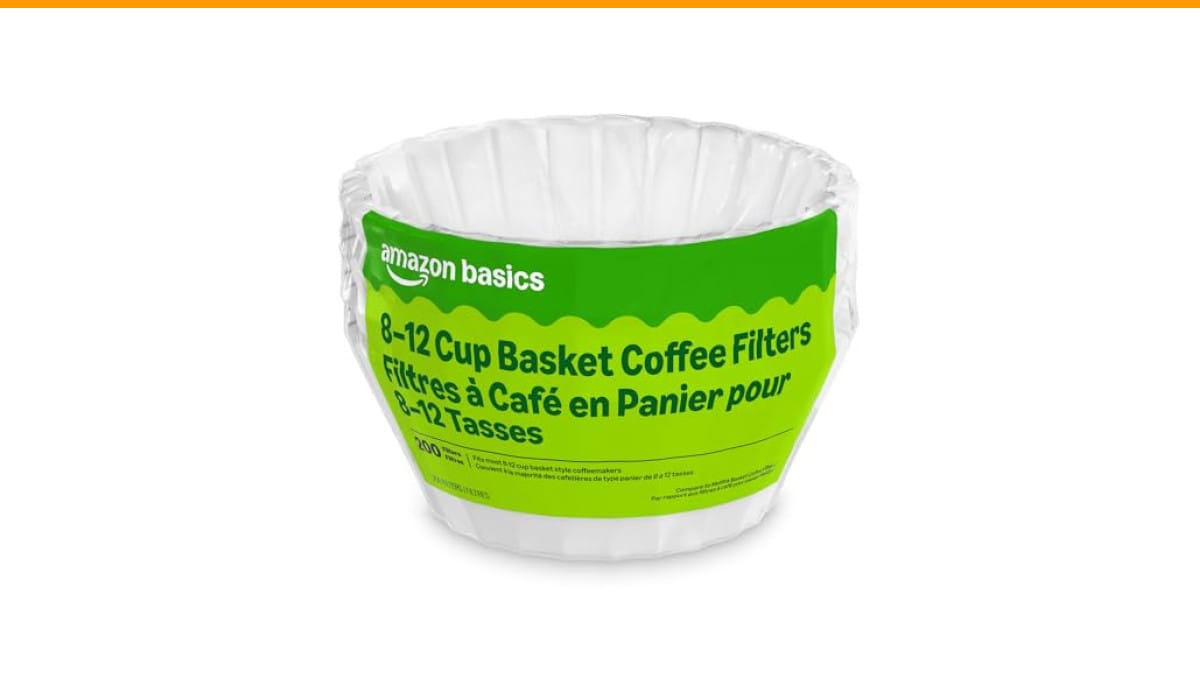
- SHIPMENT CONTAINS: 200 white basket coffee filters that fit most 8-12 cup basket coffeemakers
- SUPERIOR FILTRATION: Provides excellent coffee filtration that eliminates gritty sediment while allowing the great coffee taste to…
- INDUSTRIALLY COMPOSTABLE DESIGN: Filter meets ASTM D6868-11 standard and can be composted where municipal or industrial composting…
As an Amazon Associate I earn from qualifying purchases.
If you’re brewing with a standard basket machine, a solid pack of Amazon Basics Basket Coffee Filters gives you consistent filtration without the fuss. They fit most 8-12 cup makers and do a good job keeping sediment out of the cup.
The Short Answer: Yes, But Here’s What Matters
Paper filters remove roughly 90-95% of the diterpenes — the primary oils in coffee — from your brew. That’s the number researchers keep landing on in studies measuring cafestol and kahweol levels in filtered versus unfiltered coffee.
But that number isn’t universal. The exact percentage depends on the filter’s pore size, the paper’s thickness, and how finely you grind your beans. A thick Chemex filter traps more than a standard drip filter, which traps more than a metal mesh.
So yes, paper filters remove coffee oils. The real question is whether you want them removed, and that depends on your health profile and how you like your coffee to taste.
Let’s break down what those oils are before deciding if they’re friend or foe.
The Science of Coffee Oils: Diterpenes Explained
Coffee beans contain two notable diterpenes: cafestol and kahweol. These compounds are lipids, meaning they’re fats that dissolve during brewing. They’re naturally present in the bean’s oil content, roughly 1% of the bean’s weight.
These aren’t contaminants or additives. They’re inherent to coffee, and they’re responsible for a good chunk of the flavor complexity you get from a well-roasted bean. They also happen to be the compounds that influence cholesterol levels.
Here’s the catch: cafestol and kahweol are not toxins. They’re not harmful in the way pesticides or mold are. They’re simply compounds your body processes in a specific way, and that processing has a measurable effect on LDL cholesterol for some people.
Why Cafestol and Kahweol Matter for Your Cholesterol
Multiple clinical studies show that drinking unfiltered coffee regularly raises serum LDL cholesterol. The effect is dose-dependent — more diterpenes means a bigger bump. One often-cited study found that drinking about five cups of French press coffee daily for four weeks raised LDL cholesterol by roughly 8-10%.
Paper filtration intercepts most of these compounds before they reach your mug. That’s why filtered coffee consistently shows a negligible effect on cholesterol, while boiled or pressed coffee shows a measurable one.
For most people, this isn’t a reason to panic. But if you already have high cholesterol or a family history of heart disease, switching to paper-filtered coffee is a low-effort change with real benefits.
And if you’re dealing with a finicky machine, a quick fix for pumping issues might be all you need to get back to brewing properly filtered coffee.
How Paper Filters Trap Oils: The Filtration Mechanism
Paper filters work as a physical barrier. The cellulose fibers create a tangled mesh with pore sizes ranging from about 10 to 20 micrometers. Coffee oils form droplets larger than those pores, so they get caught on the paper’s surface while water and dissolved solids pass through.
It’s not an absorption process — it’s a sieving process. The oils don’t dissolve into the paper; they simply can’t fit through the openings. That’s why you see a faint brown residue on a used filter. That’s the trapped oil, along with fine coffee particles.
The efficiency of this trap depends on two things: pore size and paper thickness. A thicker filter with smaller pores catches more oil, but it also slows down the brew and can absorb some flavor compounds you might want to keep.
The Role of Pore Size and Filter Thickness
Standard drip filters, like the ones you use in a Mr. Coffee or a basket-style brewer, have a moderate pore size. They catch most of the oil but let some through, giving you a cleaner cup than a French press but not a sterile one.
Chemex filters are famously thick — about 20-30% thicker than standard filters. They trap nearly all the oils and fine particles, producing a remarkably clear, bright cup. That’s why Chemex coffee tastes so different from the same beans brewed in a V60.
V60 filters are thinner and have a larger surface area, which means they drain faster and let slightly more oil through. The difference is subtle, but side-by-side testing shows a noticeable difference in mouthfeel and body.
If you’re using a basket filter machine, the brew basket design matters as much as the filter itself. A clogged or misaligned basket can change how the water flows through the grounds, affecting extraction and oil passage.
Paper vs. Metal vs. Cloth: A Head-to-Head Oil Removal Comparison
To make an informed choice, you need to see how each filter type stacks up. Here’s a direct comparison based on typical performance:
| Filter Type | Oil Removal | Body & Mouthfeel | Cholesterol Impact | Notes |
|---|---|---|---|---|
| Paper (standard) | ~90-95% of diterpenes | Light to medium, clean finish | Minimal to none | Disposable; most consistent results |
| Paper (Chemex) | ~95%+ of diterpenes | Very light, tea-like clarity | Negligible | Thick filter; slower brew time |
| Metal mesh | ~10-20% of diterpenes | Full, heavy, syrupy | Significant for heavy drinkers | Reusable; lets fine particles through |
| Cloth | ~50-70% of diterpenes | Medium-full, smooth | Moderate | Reusable; requires careful cleaning |
That metal filter number surprises people. A standard mesh screen catches the big chunks of grounds but lets nearly all the oil through. That’s why metal-filtered coffee looks cloudy and leaves a slick residue in the mug.
Cloth filters sit in the middle. They trap more than metal but less than paper, and they need regular boiling to stay clean. A dirty cloth filter can introduce off-flavors that ruin a good batch.
If you’re weighing the environmental trade-off, paper filters are compostable. The Amazon Basics filters meet the ASTM D6868-11 standard for industrial compostability, which means they break down properly in commercial facilities. Metal filters last for years, but they require hot water and scrubbing to keep oils from going rancid on the mesh.
Brewing Methods: Why Your Brewer Dictates Oil Content
Your brew method determines how much oil ends up in the cup before the filter even matters. Immersion methods like French press and cold brew let grounds sit in water for minutes, giving oils plenty of time to dissolve. Drip methods push water through quickly, which limits extraction.
Cold brew is a special case. The cold water extracts caffeine and acids slowly, but it’s surprisingly efficient at pulling oils because of the long steeping time. A paper-filtered cold brew is still cleaner than a French press, but it contains more oil than a hot drip brew.
Espresso is another outlier. The high pressure forces water through the puck, and the metal portafilter basket catches only large particles. Espresso shots are rich in cafestol and kahweol, which is why regular espresso consumption has been linked to cholesterol changes in some studies.
For a detailed look at how grind size changes extraction and oil passage, check our grinder comparison guide — the particle size distribution directly affects what the filter can catch.
French Press and Espresso: The High-Oil Exceptions
French press uses a metal mesh plunger that catches coarse grounds but lets oils pass freely. The result is a heavy, full-bodied cup with visible oil on the surface. If you drink French press daily, you’re getting the full diterpene load.
Espresso is similar, though the short contact time and fine grind create a different balance. The oils in espresso contribute to the crema — that golden foam on top. That crema is largely emulsified oils, and it’s a big part of why espresso tastes rich and velvety.
Neither method is wrong. They just deliver a different chemical profile. If you love the mouthfeel of a French press but worry about cholesterol, you can filter the brewed coffee through a paper filter before drinking. It’s an extra step, but it preserves most of the flavor while removing the oils.
The Flavor Trade-Off: Clean Cup vs. Full Body
Here’s where personal preference takes over. Coffee oils carry flavor compounds that contribute to body, sweetness, and aromatic complexity. Removing them makes coffee taste cleaner and brighter, but it also strips some of the richness.
In testing, paper-filtered coffee often tastes more acidic and tea-like, especially with light roasts. The oils mute acidity and add a creamy texture. Without them, you notice more of the bean’s origin characteristics — floral notes, fruitiness, and sharp acidity.
Dark roasts behave differently. The oils are more pronounced and carry smoky, bittersweet flavors. Paper filtering a dark roast can make it taste thin or hollow if you’re used to the full-bodied version.
The bitterness you sometimes get from filtered coffee isn’t the oils — it’s over-extraction. Oils actually suppress bitterness perception. So a clean cup that tastes bitter is a brewing problem, not a filter problem. If your coffee tastes bitter after cleaning the machine, the issue might be stale grounds or mineral buildup, not the filter.
That’s a common confusion. A paper filter doesn’t make coffee bitter; it just removes the mouthfeel that masks bitterness.
Health Verdict: Is Filtered Coffee Actually Better for You?
For most people, yes. The evidence is consistent: paper-filtered coffee has a negligible effect on LDL cholesterol, while unfiltered coffee can raise it. A 2026 meta-analysis in the European Journal of Preventive Cardiology found that filtered coffee was associated with lower cardiovascular mortality than unfiltered coffee.
But that doesn’t mean unfiltered coffee is dangerous. The cholesterol bump from diterpenes is modest, and for people with normal lipid profiles, it’s unlikely to be a clinical concern. The bigger picture is that coffee, filtered or not, is associated with numerous health benefits, including lower rates of type 2 diabetes and Parkinson’s disease.
The fear-mongering around coffee oils is overblown. Cafestol and kahweol aren’t toxins. They’re natural compounds with a specific metabolic effect. The decision to filter them out is about managing risk, not avoiding poison.
If you have high cholesterol or a family history of heart disease, paper filtration is a sensible choice. If your cholesterol is normal and you love the body of a French press, there’s no strong reason to switch.
One thing worth noting: the diterpenes in coffee are also present in espresso, and some studies suggest that moderate espresso consumption doesn’t raise cholesterol the way boiled coffee does. The dose matters, and a single shot has far fewer diterpenes than a full French press pot.
Practical Recommendations for the Health-Conscious Drinker
You don’t need to overhaul your coffee routine. Small changes make a big difference.
- Switch to paper filters if you drink more than three cups of unfiltered coffee daily.
- Use a thicker filter like Chemex if you want maximum oil removal and don’t mind a lighter body.
- If you love French press, brew as usual, then pour the coffee through a paper filter into your mug.
- For cold brew, filter through paper after steeping to cut the oil content significantly.
- If you use a metal filter, clean it thoroughly after each use to prevent rancid oil buildup.
- Check your cholesterol numbers. If they’re normal, the choice is purely about taste.
The Amazon Basics basket filters are a practical option for standard drip machines. They’re SFI-certified, which means the paper comes from responsibly managed forests, and they compost in industrial facilities. That covers the environmental concern without sacrificing filtration quality.
One honest caveat: basket filters can sometimes collapse or fold if you don’t seat them properly. Flatten the seams before placing them in the basket, and you’ll avoid the dreaded grounds-in-your-cup problem.
Frequently Asked Questions
Does a paper filter remove all coffee oils?
No. Paper filters remove about 90-95% of the diterpenes, but a small amount still gets through. The exact percentage depends on the filter’s thickness and the grind size. You’ll see a tiny sheen on the surface of filtered coffee if you look closely, but it’s negligible compared to unfiltered methods.
Is unfiltered coffee bad for your heart?
Not inherently. Unfiltered coffee raises LDL cholesterol in some people, which is a risk factor for heart disease. But the effect is modest and reversible. If your cholesterol is normal, unfiltered coffee isn’t a health hazard. If it’s elevated, paper filtration is a simple mitigation.
Does cold brew have more oils than hot coffee?
Cold brew extracts oils efficiently because of the long steeping time, but the final oil content depends on your filter. A paper-filtered cold brew will have less oil than a French press hot brew. Metal-filtered cold brew will have more. The cold temperature doesn’t inherently change the oil chemistry — it just gives the water more time to pull lipids.
Can I reuse a paper coffee filter?
You can, but you shouldn’t. A used paper filter has trapped oils that will go rancid and contaminate your next brew. The paper also degrades structurally after one use, so it’s more likely to tear. Reusing paper filters saves pennies but risks ruining an entire pot of coffee.
Does a bleached paper filter leave chemicals in your coffee?
No. Bleached filters use either oxygen or chlorine dioxide, and the residual levels are far below any safety threshold. The FDA considers them safe. Unbleached filters are a fine choice if you prefer the natural brown color, but there’s no health advantage to either type.
Final Brew: Balancing Taste and Wellness
Paper filters remove coffee oils effectively, and that’s a good thing for most people. The trade-off is a cleaner, lighter cup that sacrifices some body and richness. It’s not a moral decision — it’s a practical one based on your cholesterol numbers and your palate.
Start by checking your lipid panel. If your LDL is in a healthy range, experiment with both filtered and unfiltered methods and see which you enjoy more. If your LDL is high, switch to paper filtration for your daily brews and keep the French press for weekends.
- Paper filters remove ~90-95% of cafestol and kahweol.
- Metal filters remove almost no oils — expect full body and full diterpene load.
- Chemex filters are the most effective at trapping oils.
- Unfiltered coffee raises LDL cholesterol in a dose-dependent way.
- Coffee oils aren’t toxins — they’re natural compounds with a specific effect.
- Cold brew needs paper filtration to be low-oil.
- Choose based on your health profile, not fear-mongering.
Your coffee routine should serve your taste and your health. Knowing what the filter actually does lets you make that call with confidence.
Products related to this article
Sponsored / affiliate links. As an Amazon Associate I earn from qualifying purchases. I may earn additional commission from eligible campaigns.
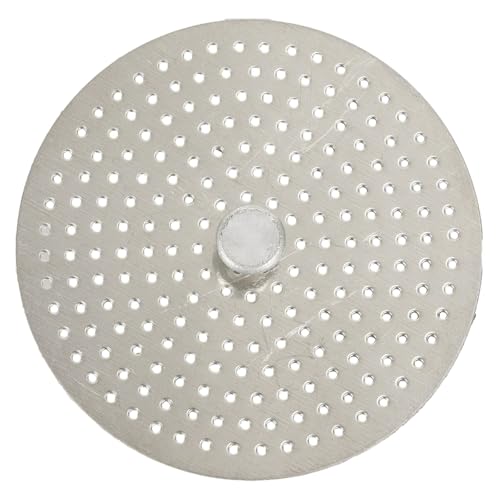 Stainless Steel Moka Pot Coffee Filter Disc for Espresso Brewing, Coffee Maker Replacement Filter Plate for Home Office Coffee Bar Cafe (FOR 4 Cups)
 Quick Heating Cup Warmer, Three Temperature Settings, Splashproof and Portable, for Coffee, Milk, Lightweight ABS Material
 Coffee Mug Warmer & You are Awesome Mug Set, Electric Cup Warmer for Desk