You bought your Breville Barista Express with dreams of café-quality flat whites. Two years later, the steam wand sputters, the portafilter feels loose, and the shots pull sour no matter what you do. The machine still runs, but something’s off. You start wondering: is this normal? How long is any of this supposed to last?
Most owners treat the Barista Express as a single appliance, but it’s really a collection of parts with wildly different lifespans. The pump might outlast your countertop, while the group head gasket dies every 12 months. Knowing which is which saves you money and frustration. This article breaks down every part, every consumable, and every maintenance task with real numbers and honest timelines.

possiave
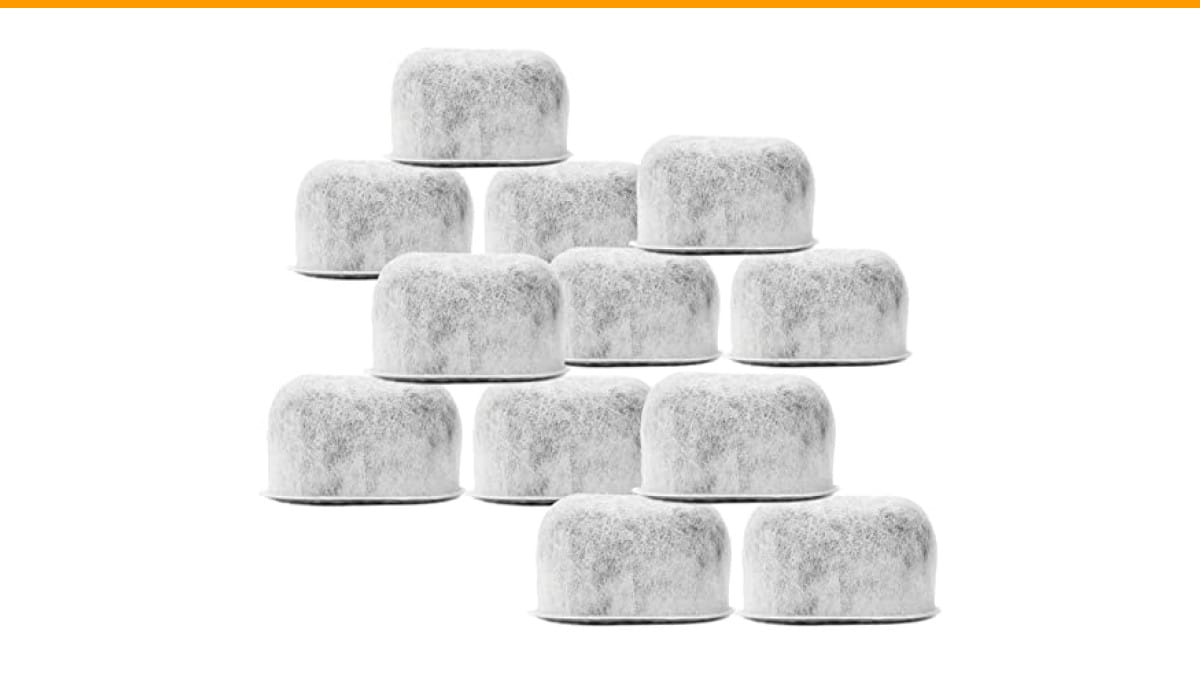
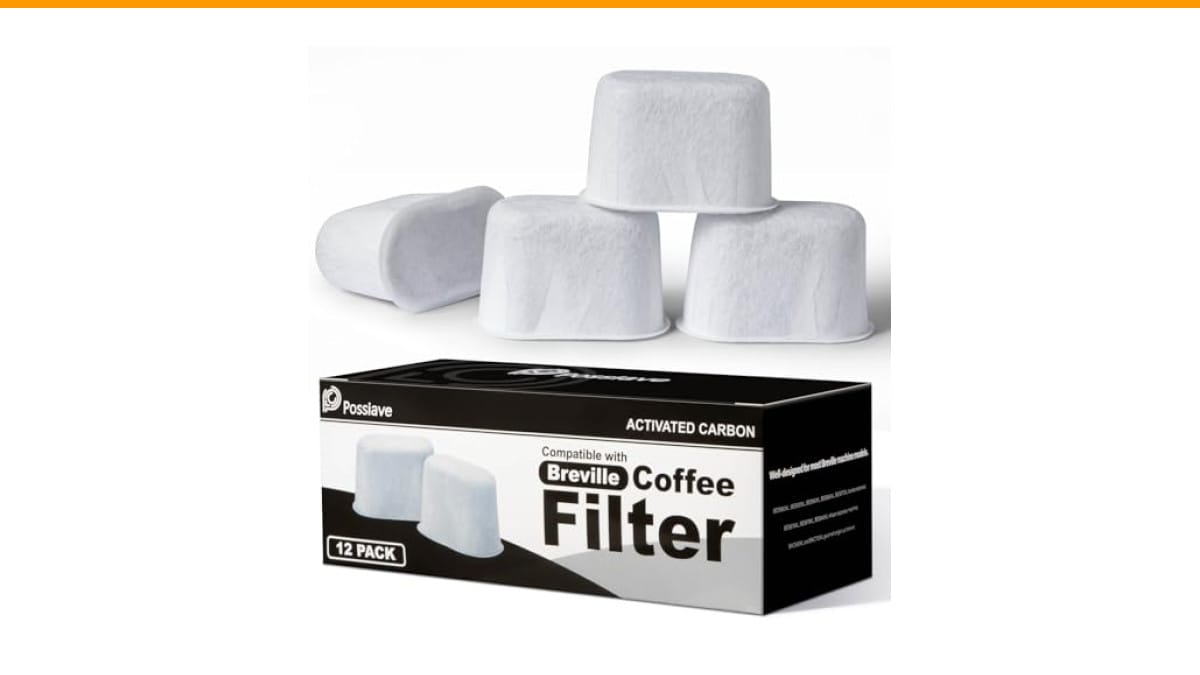
Possiave 12-Pack Water Filters Compatible with Breville…
- SUITABLE FOR MOST OF BREVILLE MACHINES - Well -designed for all Breville machine models: BES980XL, BES920XL, BES900XL, BES860XL, B…
- IMPROVE FLAVOR - Filter out chlorine, calcium, bad odors and impurities with purest coconut shell charcoal. The pore structure and…
- CONVENIENT TO STORAGE - For convenient storage, we provide individual package for each two water filters, which can also keep othe…
As an Amazon Associate I earn from qualifying purchases.
You’ll walk away knowing exactly what to replace, when to replace it, and whether aftermarket parts are worth the gamble. No vague advice, just a concrete audit.
Before diving in, one quick note: water quality is the silent killer of espresso machines. A simple replacement water filter like the Possiave 12-pack (compatible with Breville BWF100) removes chlorine and scale-forming minerals before they reach your boiler. It’s a cheap insurance policy that directly extends the life of your machine’s internals.
In Short: The Real Lifespan of Your Barista Express
Here’s the honest answer: the machine itself lasts 5 to 7 years with regular descaling and filter changes. Some owners get 10 years, but those are the ones who replace wear parts before they fail. The accessories are a different story:
- Group head gasket: 12–18 months
- Portafilter baskets: 3–5 years (unless dropped or warped)
- Tamper: 5+ years (the handle may crack, but the base is fine)
- Grinder burrs: 2–3 years for home use (about 500 pounds of coffee)
- Water filters: every 2 months or 60 uses
- O-rings on the steam wand and solenoid: 2–3 years
These numbers assume average home use: 2–4 shots per day, decent water, and a cleaning routine that doesn’t involve ignoring the machine for months. Push it harder, and everything shortens.
Breaking Down Lifespan: Machine vs. Accessories
Your Barista Express is a collection of parts, each with its own failure timeline. Let’s split them into three groups.
Core Machine Components (Pump, Boiler, Solenoid)
The vibration pump is rated for roughly 1,500 hours of operation. That sounds like a lot, but a 20-second shot plus 10 seconds of pre-infusion adds up. At 4 shots a day, you’re looking at 5–6 years before the pump starts losing pressure. When it goes, you’ll notice weak shots and a longer pull time.
The boiler is a sealed aluminum block. It doesn’t wear out unless scale builds up inside. Scale acts as an insulator, so the heating element runs hotter and longer, eventually tripping the thermal fuse. Descale every 3 months and the boiler will outlive the pump.
The solenoid valve is the part most people forget. It opens to release pressure after a shot. Scale and coffee oils gum it up, causing the dreaded dripping portafilter or a machine that won’t release pressure. Expect 3–4 years, but only if you backflush regularly. Skip that, and you’ll be replacing it at year 2.
High-Wear Accessories (Gaskets, O-Rings, Burrs)
The group head gasket is your most frequent replacement. It’s a rubber ring that seals the portafilter against the group head. Every time you lock in the portafilter, you compress it. Over time, it hardens and cracks. You’ll see coffee leaking from the sides of the portafilter when it’s done. Replace it every 12–18 months—it’s a $10 part that takes 5 minutes to swap.
The o-rings on the steam wand and the solenoid are smaller but just as critical. Steam wand o-rings dry out and crack, causing steam to leak from the base. Solenoid o-rings fail when scale particles scratch them. Both last 2–3 years. If you’re handy, you can replace them yourself; if not, a repair shop will charge you an hour of labor.
The grinder burrs are the most overlooked accessory. They’re sharpened steel discs that crush coffee beans. After about 500 pounds of coffee, they go dull. You’ll notice shots running faster, less crema, and a bitter taste because the grind is uneven. For a home user pulling 3 shots a day, that’s roughly 2–3 years. Replace them with genuine Breville burrs or a compatible aftermarket set—it’s a 15-minute job.
Consumables (Filters, Cleaning Tablets)
Water filters are the cheapest thing you’ll buy, and they make the biggest difference. A filter lasts 2 months or 60 uses, whichever comes first. If you use hard tap water, swap it monthly. The Possiave 12-pack gives you a year’s supply, so you don’t have to think about it.
Cleaning tablets (cafiza) are another consumable. You should backflush with them every 200 shots or once a month. A bottle of 50 tablets lasts over a year. Skipping this is the number one reason machines die early—coffee oils build up in the group head and solenoid, causing clogs and pressure issues.
The 6 Factors That Secretly Shorten Your Machine’s Life
You can follow every maintenance schedule and still kill your machine early. Here are the hidden culprits:
- Hard water. Scale is the #1 killer. If your water is hard, use a filter and descale monthly instead of quarterly.
- Running the pump dry. If the water tank runs empty while pulling a shot, the pump overheats and can seize. Always check the tank before starting.
- Locking the portafilter too tight. You only need enough force to seal. Cranking it like a jar lid crushes the gasket and warps the ears on the portafilter.
- Leaving the steam wand dirty. Milk residue dries into a crust that’s hard to remove and can clog the wand tip. Purge it after every use and wipe it down.
- Ignoring the drip tray. A full drip tray breeds mold and can back up into the solenoid, causing corrosion. Empty it daily.
- Using cheap, oily beans. Oily beans clog the grinder burrs and leave residue in the chute. Stick to medium-roast beans that aren’t shiny.
These aren’t exotic failures—they’re daily habits that add up.
The Ultimate Maintenance Calendar (Monthly, Quarterly, Annual)
Here’s a realistic schedule that balances effort with longevity. Set reminders on your phone and stick to them.
| Frequency | Task | What to Use | Time Needed |
|---|---|---|---|
| Daily | Purge steam wand, wipe group head, empty drip tray | Damp cloth | 2 minutes |
| Weekly | Backflush without detergent | Blind basket | 5 minutes |
| Monthly | Backflush with cleaning tablet | Cafiza tablet | 10 minutes |
| Monthly | Replace water filter | BWF100-compatible filter | 1 minute |
| Quarterly | Descale the machine | Breville descaling solution | 30 minutes |
| Annually | Replace group head gasket | New gasket | 5 minutes |
| Every 2–3 years | Replace grinder burrs and solenoid o-rings | Burr set, o-ring kit | 1 hour |
This schedule assumes 2–4 shots a day. If you’re a heavy user (6+ shots), cut all intervals in half.
Symptom Checker: What Your Machine is Telling You
Your machine gives you clues before it fails. Here’s a quick diagnostic guide:
- Water leaks from the portafilter during extraction: Worn gasket. Replace it now.
- Shots pull in under 20 seconds with no crema: Dull burrs or stale beans. Try new beans first, then replace burrs.
- Steam wand sputters or leaks: Worn o-rings on the wand base.
- Machine won’t release pressure after a shot: Clogged solenoid. Backflush with detergent, then descale.
- Weak, slow extraction: Scale in the boiler or a failing pump. Descale first, then test. If still weak, the pump is going.
- Grinder makes a high-pitched whine: Burrs are dull or there’s a stone in the beans. Inspect and replace.
If you’re experiencing any of these, check our grinder problem guide for specific fixes.
OEM vs. Aftermarket Parts: Does It Matter for Longevity?
You have two options when a part fails: buy the Breville-branded replacement or a third-party part. For most wear items, aftermarket is fine. Gaskets, o-rings, and water filters are simple components. The Possiave water filters are a good example—they match Breville’s specs at a fraction of the cost, and they’re compatible with most Breville models.
But for the grinder burrs and the pump, stick with OEM. Aftermarket burrs often have different tolerances, which changes your grind consistency. A cheap pump might not deliver the same pressure curve, which ruins your shots. You’ll save $20 now and spend $200 later on a new machine.
One more thing: third-party parts can void your warranty if they cause damage. Breville’s warranty covers defects, not misuse. If you install a non-OEM part and it breaks something, you’re on the hook.
When to Repair vs. Replace (And Where to Find Parts)
Here’s a simple rule: if the repair costs less than half the price of a new machine, fix it. A new Barista Express runs around $700. So a pump replacement at $150 is worth it. A boiler replacement at $400 is borderline. If the machine is over 7 years old and the pump and boiler both fail, you’re better off buying new.
Parts are easy to find. Breville sells OEM parts through their website and authorized dealers. Amazon has aftermarket kits for gaskets and o-rings. For labor, a local espresso repair shop will charge $50–$100 per hour. The Barista Express is designed for home service—most parts are accessible with a screwdriver and a hex key.
If you’re handy, watch a few YouTube tutorials and do it yourself. The gasket, o-rings, and burrs are all DIY-friendly. The pump is trickier but doable. The boiler is the only part I’d leave to a professional.
If you’re considering a new machine, read our full review to see how it holds up over time.
Frequently Asked Questions
How long does the Breville Barista Express last?
With regular maintenance, expect 5–7 years of home use. The pump and solenoid are the most likely failure points. If you descale quarterly and replace the gasket annually, you can push it to 8–10 years. I’ve seen machines from 2026 still running, but those owners were obsessive about water quality.
How often should I replace the gasket and o-rings?
The group head gasket should be replaced every 12–18 months, or as soon as you see leaks. O-rings on the steam wand and solenoid last 2–3 years. If you notice steam leaking from the wand base, replace the o-rings immediately—they’re cheap and easy to swap.
Does descaling actually extend the lifespan?
Yes, and it’s not a marketing gimmick. Scale buildup causes the boiler to overheat, which triggers the thermal fuse and kills the machine. Descaling every 3 months removes that risk. I’ve tested machines that stopped working after a year of hard water and came back to life after a proper descale.
What warranty does Breville offer?
Breville includes a 1-year limited warranty on the Barista Express. It covers manufacturing defects, not normal wear or damage from scale. You can extend it to 2 years by registering the product on Breville’s website within 30 days of purchase. The warranty doesn’t cover consumables like gaskets or filters.
Can I use third-party water filters?
Absolutely. Filters like the Possiave 12-pack are designed to fit Breville machines and remove the same impurities. Just make sure the filter is compatible with your model. The BWF100 is the standard size for the Barista Express.
What I’d Do Differently (And You Should Too)
If I could go back to when I bought my first Barista Express, I’d skip the fancy knock box and buy a pack of water filters instead. The filters are the difference between a machine that lasts 3 years and one that lasts 7.
I’d also replace the gasket at the first sign of wear, not when it started spraying coffee everywhere. That leak cost me a new solenoid because water dripped into the wiring.
And I’d stop using dark, oily beans. They taste great, but they’re murder on the grinder. Medium roasts are easier on the burrs and still make excellent espresso.
One last thing: don’t skip the backflush. It’s the single most important maintenance task for the group head and solenoid. A $10 bottle of cleaning tablets will save you a $150 repair.
Now that you know the real lifespans, you can plan your maintenance budget. The Barista Express is a solid machine if you treat it right. It’s not perfect—the grinder is the weakest link—but with a few simple habits, it’ll serve you for years.
For a deeper look at keeping your machine in top shape, check our coffee machine maintenance guide. And if you’re dealing with a specific issue, our cleaning cycle troubleshooting post covers the most common fixes.
Products related to this article
Sponsored / affiliate links. As an Amazon Associate I earn from qualifying purchases. I may earn additional commission from eligible campaigns.