You pull your cold brew pitcher from the fridge, and there it is: a faint crack in the glass, a rubber seal that’s gone stiff, or a mesh filter that’s finally torn after two years of daily use. If you’ve ever wondered whether that’s normal, or how much longer you can push it, this guide is for you.
Cold brew makers are different from every other coffee appliance in your kitchen. They have no heating element, no pump, no moving parts. That means the lifespan isn’t about mechanical failure—it’s about material degradation. Glass cracks from thermal shock. Plastic stains and holds odors. Mesh filters tear from repeated scrubbing. Seals dry out and leak. Understanding which of these will hit you first, and when, is the key to getting the most out of your gear.

QHH
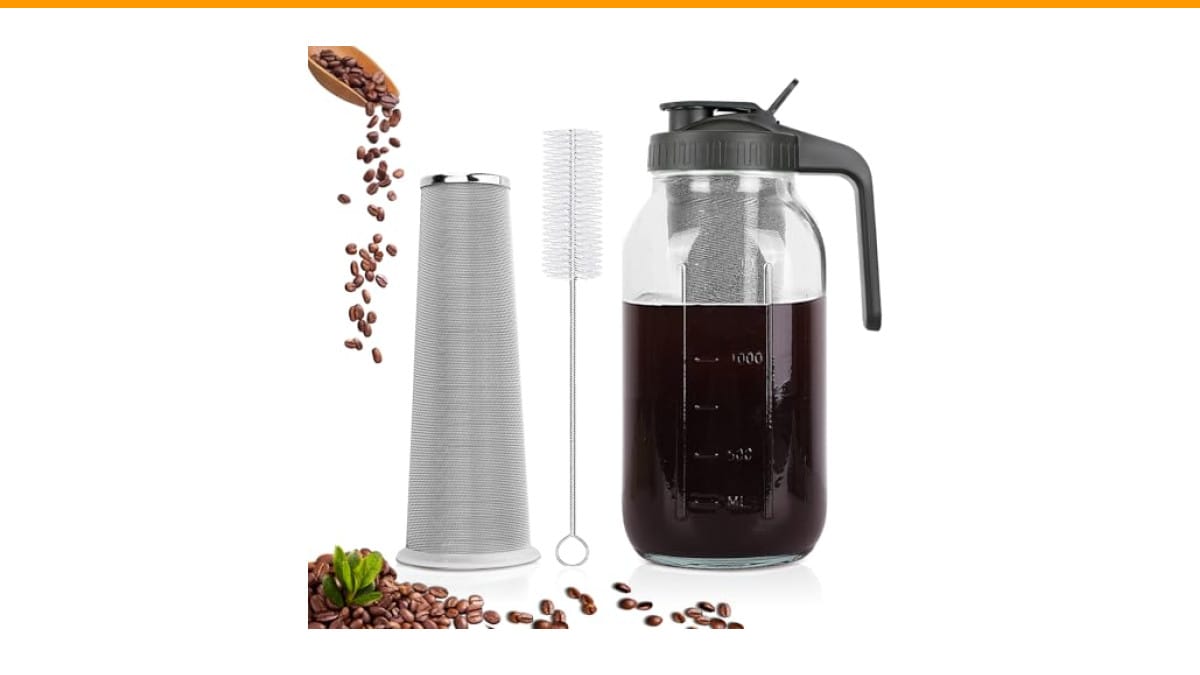
QHH Cold Brew Coffee Maker, 64 oz…
- 【⚠️ Important Usage Warning】: Do not pour boiling water directly into the container; the maximum safe operating temperature is 60°…
- 【What You Will Get】:1 Pcs / 64 oz mason jar pitcher with pour spout lid, 1 stainless stell filter, 1 cleaning brush. Large capacit…
- 【High Quality Material】: The glass pitcher with lid is crafted with heavy duty, food grade soda lime glass and premium plastic lid…
As an Amazon Associate I earn from qualifying purchases.
I’ve tested cold brew makers side by side for years, from cheap Mason jar setups to $100 slow-drip towers. I’ve broken two pitchers, replaced three filters, and learned exactly what’s worth repairing and what’s not. Here’s what I wish someone had told me before I started.
If you’re just getting started and want a solid, no-fuss option, the QHH Cold Brew Coffee Maker is a good place to look. It’s a 64-ounce glass pitcher with a stainless steel filter and a pour spout lid—simple, durable, and easy to clean. I’ll reference it in a few places below because it’s a typical example of the immersion-style maker that most people own.
The Short Answer: How Long Does a Cold Brew Maker Last?
Most cold brew makers last between 2 and 5 years with regular use. That’s a wide range, but the spread comes down to three things: what the maker is made of, how often you use it, and how you clean it.
Here’s a rough breakdown by material:
- Glass pitchers: 2-4 years. The glass itself can last decades if you never drop it or shock it with temperature changes. What kills glass is thermal cracking—pouring hot water in, or moving it from the fridge to a hot counter. The QHH pitcher, for example, has a max safe temperature of 140°F, so you can’t use it for hot brewing.
- Plastic bodies: 2-3 years. Plastic doesn’t crack as easily as glass, but it absorbs coffee oils and odors. After a year, you’ll notice a stale smell that won’t go away with washing. The plastic also gets brittle from repeated fridge-to-counter temperature swings.
- Stainless steel: 5-10 years. Steel is nearly indestructible, but the seals and filters inside will wear out. You’ll likely replace the rubber gasket twice before the steel body gives you any trouble.
The filter is the most common failure point. A 160-micron stainless steel mesh like the one in the QHH will last 2-3 years with daily use, but only if you handle it gently. Scrubbing it with a wire brush or bending it while cleaning will tear the weave much sooner.
So, the honest answer: expect to get 2-3 years out of a budget maker, 4-5 years out of a well-made glass or steel one, and longer if you’re willing to replace small parts instead of the whole unit.
Type Matters: Immersion vs. Slow-Drip Cold Brew Makers
Not all cold brew makers are built the same. The two main styles have very different lifespans because they stress materials differently.
Immersion Brewers (French Press Style)
These are the most common—a pitcher with a mesh filter basket you steep in water for 12-24 hours. The QHH pitcher is a good example. The filter sits in the water the whole time, so it’s constantly exposed to coffee acids. The glass body goes from fridge to counter to sink repeatedly.
Immersion brewers are simple, so they have fewer parts to fail. The main wear points are the mesh filter and the rubber seal on the lid. With proper care, a glass immersion brewer can last 4-5 years. The filter will likely need replacing after 2-3 years, but that’s a $10-15 part.
Slow-Drip Towers (Yama, OXO, and Similar)
These have a separate water chamber that drips over coffee grounds over several hours. They look beautiful on a counter, but they have more parts: a water valve, a drip mechanism, and a glass or plastic chamber that sits above the coffee.
The valve is the weak point. Over time, coffee oils and mineral deposits from water can clog the drip rate, making it drip too fast or too slow. You’ll need to descale these more often than immersion brewers. The glass chambers also have more surface area exposed to temperature changes, so they’re more prone to cracking if you’re not careful.
In my testing, slow-drip towers last about 2-4 years before the valve needs replacing or the glass gets too fragile. They’re not inherently worse, but they require more maintenance to hit that upper range.
The Real Lifespan Killers (No Heating Element Needed)
Because cold brew makers don’t have motors or heating coils, the common failure points are all about material stress. Here’s what actually kills them, in order of frequency.
Glass vs. Plastic vs. Stainless Steel
Glass is the most common material, and it’s also the most fragile. The biggest killer is thermal shock. If you pour hot water into a cold glass pitcher, or move it from the fridge to a hot counter, the glass can crack. The QHH manual explicitly warns against pouring boiling water in—max safe temp is 140°F. I’ve seen people crack a $30 pitcher in the first week by trying to speed up the brew with hot water. Don’t do that.
Plastic is more forgiving with temperature, but it has its own problems. Coffee is acidic, and over time, that acid eats into the plastic surface. You’ll see clouding, staining, and eventually a permanent odor that no amount of baking soda will fix. Once plastic starts retaining smells, it’s time to replace it.
Stainless steel is the most durable, but it’s not immune. The metal itself will last for years, but the rubber gaskets and seals that make it watertight will dry out and crack. You’ll notice a slow leak from the lid or the base before anything else. Replacing a $5 gasket is easy, but most people don’t know that’s an option.
Filter and Seal Wear
The mesh filter is the part that sees the most abuse. Every time you clean it, you’re bending the wires slightly. Over time, the weave loosens, and coffee grounds start slipping through. A 160-micron filter like the one in the QHH will start letting fines through after about 2 years of daily use.
Seals and gaskets are the second most common failure. They’re made of silicone or rubber, and they dry out from repeated fridge cycles. You’ll notice a leak around the lid or a lid that no longer snaps shut. The good news is that most makers have replaceable seals, but many people don’t think to look for them.
The QHH’s pour spout lid has a silicone ring that can be replaced if it wears out. The flip cap design is nice because it keeps the seal protected when not in use, which extends its life.
Signs Your Cold Brew Maker Is Done (Or Needs a Part Swap)
You don’t need to wait for a catastrophic failure to know it’s time to act. Here are the warning signs I look for in testing:
- Cloudy or cracked glass: If you see a crack, even a hairline one, stop using it immediately. Glass can shatter in the fridge, and you don’t want that. Replace the pitcher.
- Grounds in your coffee: If you’re getting silt in your cup consistently, the filter is torn. Try replacing the filter first—it’s cheaper than a new maker.
- A stale smell that won’t wash out: This is a plastic or rubber problem. If the smell persists after a vinegar soak, the material is degraded. Time to replace.
- Leaks from the lid or base: Check the gasket. If it’s cracked or hard, replace it. If the gasket looks fine but the leak persists, the seal surface is warped—replace the whole unit.
- Drip rate changes on slow-drip towers: If the water is flowing too fast or too slow, descale the valve first. If that doesn’t fix it, the valve may be clogged with coffee oil and need replacement.
One thing I’ve learned: most cold brew makers don’t die all at once. They degrade gradually. You’ll notice the coffee getting weaker or more bitter, the filter letting more fines through, or the lid feeling loose. Pay attention to those small signs and you’ll know when to act.
How to Extend Lifespan: Cleaning and Descaling Without Ruining It
The way you clean a cold brew maker has a bigger impact on its lifespan than how often you use it. Here are the rules I follow after years of testing.
- Never use boiling water. The QHH manual is clear: max safe temp is 140°F. Boiling water will crack glass and warp plastic. Use warm water, not hot.
- Hand wash, not dishwasher. Dishwasher detergent is abrasive and the heat can damage seals. I’ve seen dishwasher-washed pitchers lose their seal integrity in a year.
- Clean the filter gently. Use the included brush or a soft sponge. Never use a wire brush or steel wool—it will tear the mesh. Rinse it immediately after use so coffee oils don’t dry on.
- Descale monthly with vinegar. Mix one part white vinegar to three parts water and let it sit for 30 minutes. This removes mineral deposits that can clog the mesh and harden seals. Rinse thoroughly afterward.
- Dry everything completely before storing. Moisture breeds mold and degrades rubber. I store my QHH with the lid off to let air circulate.
- Avoid drastic temperature changes. Don’t move the pitcher from the fridge to a hot counter. Let it sit for a few minutes to warm up.
If you follow these steps, a glass immersion brewer like the QHH can easily last 5 years. I’ve seen it happen.
Repair vs. Replace: A Cost-Per-Brew Breakdown
Here’s the question that matters most: when something breaks, should you fix it or buy a new one? The answer depends on the cost of the part versus the cost of the whole unit.
Let’s do the math. A typical cold brew maker costs between $20 and $100. If you brew one batch per week, that’s 52 brews a year. Over a 3-year lifespan, you’re getting 156 brews.
- For a $30 maker, that’s about $0.19 per brew.
- For a $100 maker, that’s about $0.64 per brew.
Now, if the filter tears on a $30 maker, a replacement filter costs $10-15. That’s half the price of a new unit. In that case, it’s usually better to just buy a new maker, unless you really like the design.
But if you own a $100 slow-drip tower, a $10 gasket or a $15 filter is a no-brainer. You’re saving $75 by replacing the part instead of the whole thing. Even a $30 replacement glass pitcher is worth it if the rest of the unit is in good shape.
My rule of thumb: if the repair costs less than half the price of a new unit, fix it. If it’s more, replace. And always check if replacement parts are available before you buy a new maker. Some brands sell them, some don’t.
For the QHH, replacement filters and lids are available on Amazon. That’s a good sign—it means you can extend the life of the pitcher without buying a whole new setup.
FAQs: Cold Brew Maker Longevity
How long does cold brew concentrate last in the fridge?
Cold brew concentrate lasts 7-10 days in the fridge when stored in an airtight container. The QHH’s pour spout lid with a silicone ring helps keep air out, which slows oxidation. If you dilute it with water, it’ll last closer to 5 days. Always check for off smells or mold before drinking.
Can I replace the mesh filter on my cold brew maker?
Usually, yes. Most immersion brewers have a replaceable filter, but you need to check if the brand sells them separately. The QHH sells replacement filters. If you can’t find one, you can sometimes buy a generic 160-micron stainless steel mesh filter that fits. Just measure the diameter of your filter basket first.
Why does my cold brew maker leak from the lid?
A leak from the lid almost always means the rubber gasket is dried out or cracked. The QHH’s silicone ring is replaceable. If the gasket looks fine, check if the lid is warped—that can happen if you leave it in a hot dishwasher. If the lid is warped, you’ll need a new lid.
Is it safe to use a cold brew maker that has a hairline crack?
No. Even a hairline crack compromises the structural integrity of the glass. It can shatter when you handle it, especially when it’s cold and you add liquid. Replace the pitcher immediately. Don’t try to seal it with tape or glue.
How often should I descale my cold brew maker?
Once a month is a good baseline if you use it weekly. If you have hard water, do it every two weeks. Mineral deposits can clog the mesh filter and make the drip rate inconsistent on slow-drip towers. Use a 1:3 vinegar-to-water solution and let it sit for 30 minutes.
The Bottom Line
Cold brew makers aren’t complicated machines, but they’re not immortal either. Here’s what I want you to remember:
- A typical cold brew maker lasts 2-5 years, with glass immersion brewers on the higher end if you treat them right.
- The filter and seals are the first things to go—not the glass or plastic body.
- Thermal shock is the #1 killer of glass pitchers. Never pour hot water in, and let the pitcher warm up before washing.
- Plastic bodies will eventually stain and hold odors. If that happens, replace it.
- Repair first: a $10 filter or gasket can save you from buying a whole new unit.
- Clean gently by hand, descale monthly with vinegar, and dry everything completely before storing.
- If you see a crack, stop using it. Glass can shatter and ruin more than just your coffee.
Your cold brew maker isn’t going to last forever, but with the right care, it’ll outlast your cheap drip coffee maker by a long shot. And when it does finally give up, you’ll know exactly what to look for in the next one.
Products related to this article
Sponsored / affiliate links. As an Amazon Associate I earn from qualifying purchases. I may earn additional commission from eligible campaigns.
 HomeBeyond Espresso Coffee Maker 12 Cups, Classic Stovetop Espresso Maker, 600ml / 20oz Coffeemaker for Gas & Ceramic Stovetops (Silver)
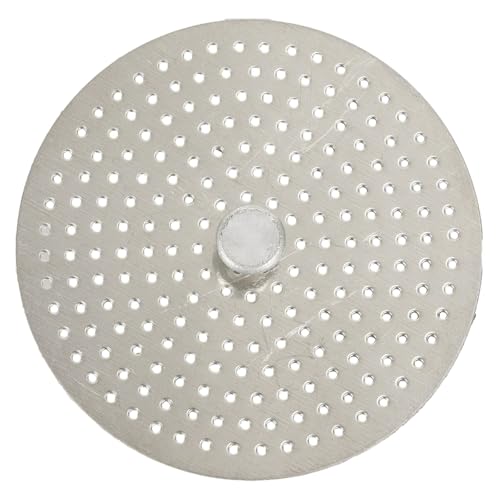 Stainless Steel Moka Pot Coffee Filter Disc for Espresso Brewing, Coffee Maker Replacement Filter Plate for Home Office Coffee Bar Cafe (FOR 4 Cups)
 Long Handle Wooden Spoon For Mixing Coffee Tea Jam and Bath Salt In Kitchen, Environmentally Friendly Table Spoon, 8.6 Inches,4 Pieces…