You know the moment. The coffee tastes a little off, the brew cycle takes longer than it used to, or you spot a small puddle under the machine that wasn’t there yesterday. You start wondering if it’s time to shop for a new one, or if you’re just being paranoid. Most people guess randomly. They replace a perfectly good machine too early, or they hold onto a worn-out one that’s a genuine safety hazard.
This guide gives you a definitive answer on how long a drip coffee maker lasts, what actually kills them, and a simple scoring system to tell you if your specific machine is worth saving. We’ll get into the real numbers, the hidden risks, and the cost math that most advice skips. You’ll walk away knowing exactly what to do with the machine sitting on your counter.

BLACK+DECKER
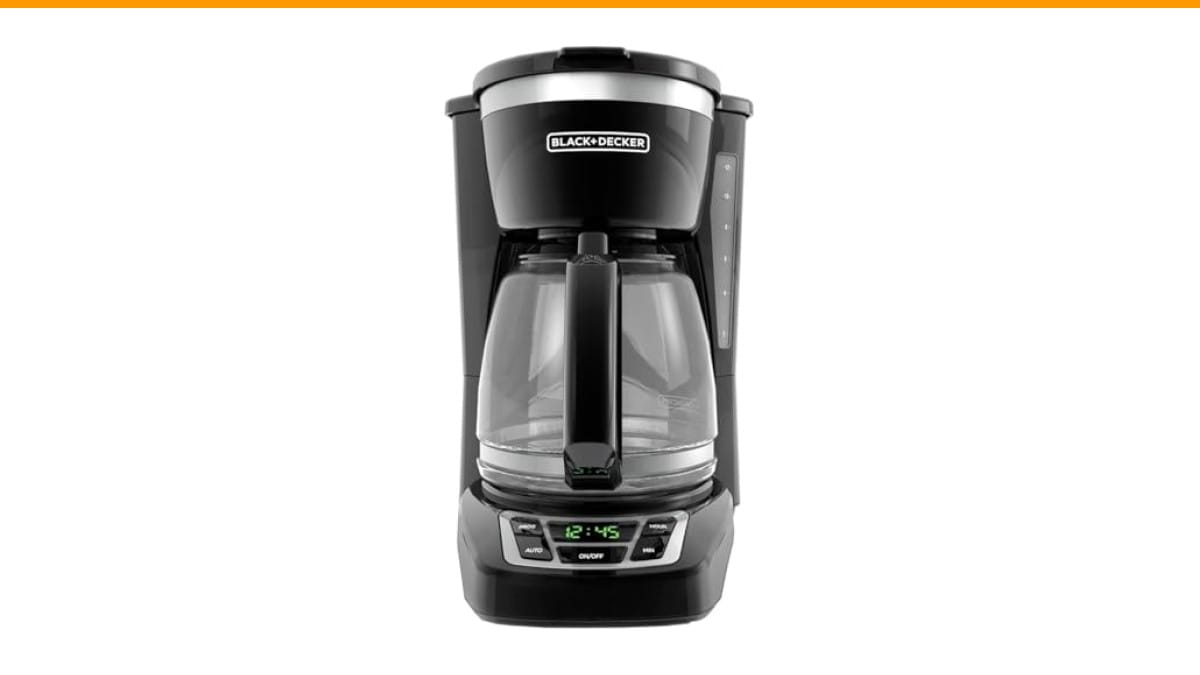
BLACK+DECKER 12-Cup Drip Coffee Maker with Vortex…
- 12-CUP DURALIFE GLASS CARAFE: The sturdy 12-cup* carafe has measurement markings for accurate filling and an easy-grip handle for…
- SNEAK-A-CUP FEATURE TO PREVENT DRIPS: This feature temporarily stops the flow of coffee so you can pour your first cup before brew…
- EASY-VIEW WATER WINDOW: The front-facing window shows you the exact amount of water that will turn into coffee, and the brew baske…
As an Amazon Associate I earn from qualifying purchases.
If you’re in the market now, a solid workhorse like the BLACK+DECKER 12-Cup Drip Coffee Maker with Vortex Brewing checks the important boxes: a sturdy glass carafe, a sneak-a-cup feature to grab a mug mid-brew, and a 2-hour auto shutoff for peace of mind. It’s a practical starting point, but let’s figure out if you need to buy anything at all.
The Short Answer: How Many Years Should You Expect?
Most drip coffee makers last between 3 and 5 years with regular use. That’s the honest, boring truth. A $20 machine might die at year two. A well-maintained $100 machine can push past year seven. The average lifespan sits right around 4 years for a typical household brewing one pot a day.
Here’s the thing nobody tells you: the machine doesn’t die all at once. It degrades. The heating element loses efficiency, so the brew temperature drops. Internal seals harden and start leaking. The thermostat drifts, so the water isn’t hot enough to extract properly. You’ll notice the coffee tastes sour or weak long before the machine stops working entirely.
So the real question isn’t just “how long does a drip coffee maker last?” It’s “how long does it last well?” That answer depends heavily on what you paid and how you treat it.
The Real Lifespan: Budget vs. Mid-Range vs. Premium Machines
Not all coffee makers are built the same. The price tag usually reflects the quality of the internal components, not just the brand logo.
| Category | Typical Price Range | Expected Lifespan | Common Failure Point |
|---|---|---|---|
| Budget | Under $30 | 2 to 3 years | Heating element burns out, plastic base cracks |
| Mid-Range | $30 to $80 | 4 to 6 years | Internal valve wear, carafe breakage |
| Premium | $80 to $200+ | 7 to 10 years | Thermal carafe seal failure, control board issues |
Budget machines use thinner plastic and cheaper thermostats. They work fine for a while, but the heating element is often the weak link. Mid-range machines, like that BLACK+DECKER model, usually have better seals and a more robust heating assembly. Premium machines often have metal internals and replaceable parts, which is why they last longer.
Don’t assume a high price guarantees longevity. A premium machine with hard water and no maintenance will die just as fast as a cheap one. The price just gives you a better starting point.
5 Key Factors That Dictate Your Machine’s Lifespan
Build Quality and Materials
Open the lid and look at the brew basket. Is it thin, flimsy plastic? That’s a sign of cost-cutting. The heating element is the heart of the machine. On budget units, it’s often a simple resistive coil that corrodes. Better machines use a coated element that resists scale buildup. The internal water tubing matters too. Clear PVC tubing degrades faster than silicone or metal.
Water Quality (The Silent Killer)
This is the biggest factor, and almost nobody pays attention to it. Hard water contains calcium and magnesium. When heated, these minerals precipitate out and form scale. That scale coats the heating element, making it work harder and hotter. It’s like putting a blanket on your engine. The element eventually overheats and burns out.
Calcium carbonate is the main culprit. It’s the white, chalky buildup you see in your kettle. Magnesium scale is harder and more stubborn. A simple charcoal filter, like the one in a Brita pitcher, removes some of this. Reverse osmosis water is nearly pure and will dramatically extend the life of your machine. Using distilled water is overkill, but it will prevent scale entirely.
Frequency of Use and “Workload”
A machine brewing one pot a day has a much easier life than one brewing five pots for a busy office. Each brew cycle heats water from cold to near boiling. That thermal cycling stresses the electrical connections and the thermostat. More cycles equal more wear. A heavy-duty commercial machine is built for that workload. A home machine isn’t.
Maintenance Habits (Cleaning vs. Descaling)
Cleaning and descaling are two different jobs. Cleaning removes coffee oils and residue from the carafe and brew basket. Descaling removes mineral buildup from the internal water lines and heating element. Most people clean the carafe and never descale. That’s like changing your oil filter but never draining the old oil. If you don’t descale every 3 to 6 months, the scale will eventually kill the heating element. We have a full guide on descaling with vinegar if you need a refresher.
The Type of Carafe (Glass vs. Thermal)
Glass carafes are fragile. They chip, crack, and shatter. A replacement glass carafe often costs $15 to $20, which is half the price of a budget machine. Thermal carafes are stainless steel and nearly indestructible, but the seal or pump mechanism inside the lid will wear out after a few years. Replacing a thermal carafe lid is often harder than replacing the whole machine.
7 Unmistakable Signs Your Coffee Maker is Dying
These are the warning signs you shouldn’t ignore. They appear in order of severity.
- Brewing time gets longer. A normal cycle takes 5 to 8 minutes. If it’s creeping toward 12 or 15 minutes, the heating element is struggling.
- The coffee tastes off. Sour, bitter, or just flat. This means the brew temperature has dropped below the ideal 195°F to 205°F range.
- Visible scale in the water reservoir. White or tan flakes mean you’ve got significant mineral buildup.
- Leaks from the base. A puddle under the machine is never normal. Internal seals or the water tubing have failed.
- Unusual noises. Gurgling is normal. Loud hissing, popping, or a high-pitched whine is not.
- The carafe is chipped. A cracked glass carafe can shatter when heated. Replace it immediately, not later.
- Burning smell during the brew cycle. This is a serious red flag. It means plastic or wiring is overheating.
The Safety Risks of Ignoring an Old Machine
Bad coffee is the least of your problems. An old, neglected coffee maker is a genuine fire hazard. The heating element is designed to turn off when it reaches a certain temperature. If scale insulates that element, it can overheat. The thermostat, which is also coated in scale, may fail to trip. The plastic housing around the element can then melt or catch fire.
Electrical shorts are another concern. Over years of thermal cycling, the solder joints on the control board can crack. A short can cause sparks inside the machine. The UL listing on the bottom of your machine is only valid if it’s in good working condition. A machine with a cracked base or a frayed power cord should be unplugged and replaced immediately.
Don’t risk your kitchen for a $30 appliance. If you see any of the signs above, especially the burning smell or sparking, unplug the machine and don’t use it again.
The Cost-Benefit Analysis: Repair vs. Replace
Here’s the math most people get wrong. They think repairing a $50 machine is smart. Let’s break it down.
A replacement heating element costs around $10 to $15 in parts, but it requires disassembling the machine, desoldering the old element, and reassembling everything. It takes an hour of your time and a steady hand. The new element will fail just as fast if you haven’t fixed the scale problem that killed the old one. The best maintenance routine won’t save a machine with a fried element.
Replacing a carafe or a brew basket is worth it. Those are wear items. Replacing the heating element or the internal thermostat is almost never worth it. The labor cost alone exceeds the value of the machine.
The only exception is a high-end machine with a metal chassis and replaceable parts. If you own a $150 machine and the heating element dies at year six, a repair might cost $40 in parts and an hour of your time. That’s a better deal than buying new. For anything under $80, just replace it. Check the current price on Amazon before you decide, because budget machines are often cheaper than a single repair.
How to Extend Lifespan: A Simple 3-Step Routine
You can double the life of your coffee maker with three habits. None of them take more than 10 minutes.
- Use filtered water. A simple charcoal filter removes most of the calcium and magnesium that cause scale. It’s the single biggest thing you can do. If you have very hard water, consider using a mix of half tap, half distilled.
- Descale every 3 months. Run a cycle with a 50/50 mix of white vinegar and water, then run two cycles with plain water to rinse. It’s cheap, effective, and takes 15 minutes. Our guide on proper coffee maker cleaning covers the full process.
- Clean the carafe and basket after every use. Coffee oils go rancid and leave a bitter film. A quick rinse and a wipe-down with a soft sponge prevents buildup. Don’t put the glass carafe in the dishwasher if the manufacturer says not to, as the harsh detergent can etch the glass.
The Replacement Decision Matrix: A Quick Checklist
Still unsure? Score your machine against this checklist. Give yourself 1 point for each true statement.
- Your machine is older than 4 years.
- You’ve never descale it (or you can’t remember the last time).
- The brew time is noticeably slower than when it was new.
- You see visible scale in the water reservoir.
- The coffee tastes sour or bitter consistently.
- There is any leaking from the base.
- The power cord is frayed or the plug feels loose.
- You smell burning plastic or see any discoloration on the housing.
Score 0-2: Your machine is probably fine. Focus on maintenance and descaling.
Score 3-4: It’s on its way out. Start shopping for a replacement, but it’s not an emergency.
Score 5 or more: Replace it now. The safety risk isn’t worth the cost of a new pot of coffee.
Final Verdict: When to Pull the Plug
A drip coffee maker is a simple appliance with a finite life. You should expect 3 to 5 years from a budget machine and up to a decade from a premium one, provided you treat the water quality seriously. The moment you see leaks, smell burning plastic, or notice the brew time creeping up, it’s time to let go.
Don’t fall for the sunk cost trap. A $40 machine that’s failing is not worth a $20 repair. It’s worth a trip to the recycling center and a new purchase. Your safety and the quality of your morning coffee depend on making that call early.
Here’s what to remember:
- Average lifespan is 3-5 years, but water quality is the biggest variable.
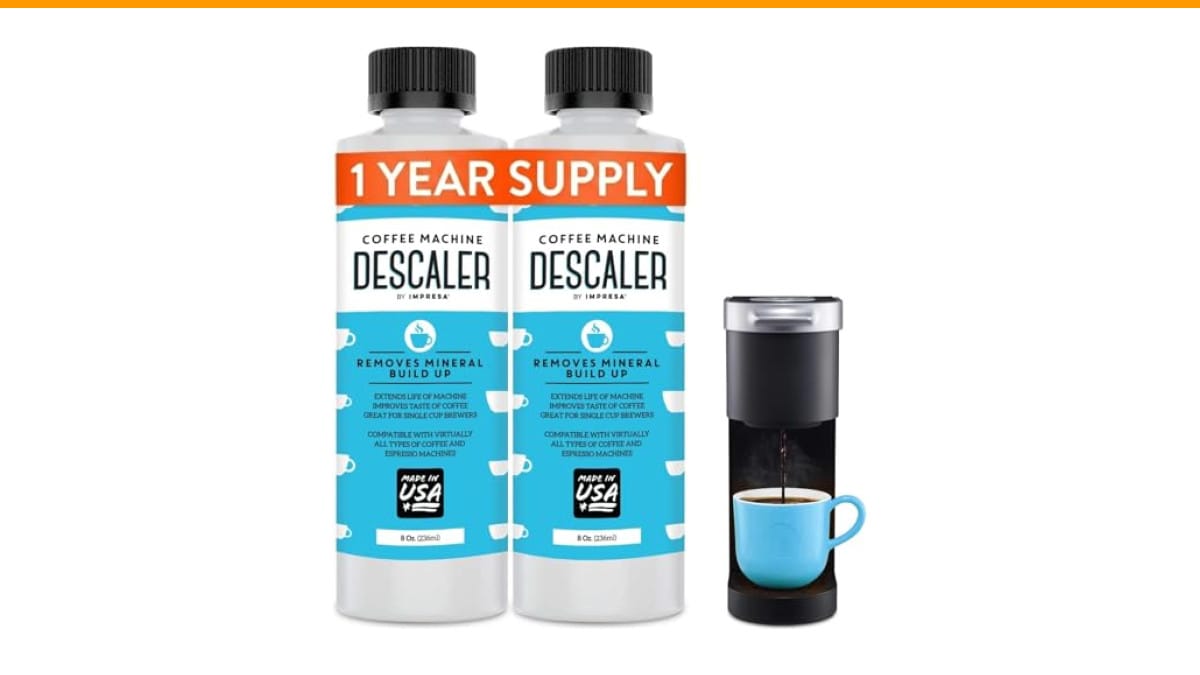
- Descale every 3 months with vinegar or a commercial descaler.
- Replace the carafe if it chips, but don’t bother replacing internal heating elements on budget machines.
- A burning smell or sparking is an immediate replacement signal.
- Filtered water is the cheapest insurance policy you can buy.
- If you score 5 or more on the checklist, unplug the machine today.
- If you’re buying new, look for a model with auto shutoff and a sturdy glass carafe, like the BLACK+DECKER mentioned earlier.
Products related to this article
Sponsored / affiliate links. As an Amazon Associate I earn from qualifying purchases. I may earn additional commission from eligible campaigns.
 Quick Heating Cup Warmer, Three Temperature Settings, Splashproof and Portable, for Coffee, Milk, Lightweight ABS Material
 Stainless Steel Moka Pot Coffee Filter Disc for Espresso Brewing, Coffee Maker Replacement Filter Plate for Home Office Coffee Bar Cafe (FOR 4 Cups)
 Coffee Mug Warmer & You are Awesome Mug Set, Electric Cup Warmer for Desk