You pull a shot on your Barista Express and it tastes sour. Or bitter. Or it runs through in 15 seconds with thin crema. You’ve adjusted the grind, tried different beans, and nothing fixes it. The machine isn’t broken. The problem is you’re missing the right accessories, or you bought the wrong ones.
Most Barista Express owners fall into one of two camps. They either buy nothing and live with inconsistent shots, or they buy a pile of cheap gadgets that don’t fit or don’t fix anything. This article helps you avoid both. You’ll learn how to diagnose your specific espresso flaw first, then choose the exact accessory that fixes it. You’ll also get a priority ladder based on budget, plus the compatibility traps that waste money.

possiave
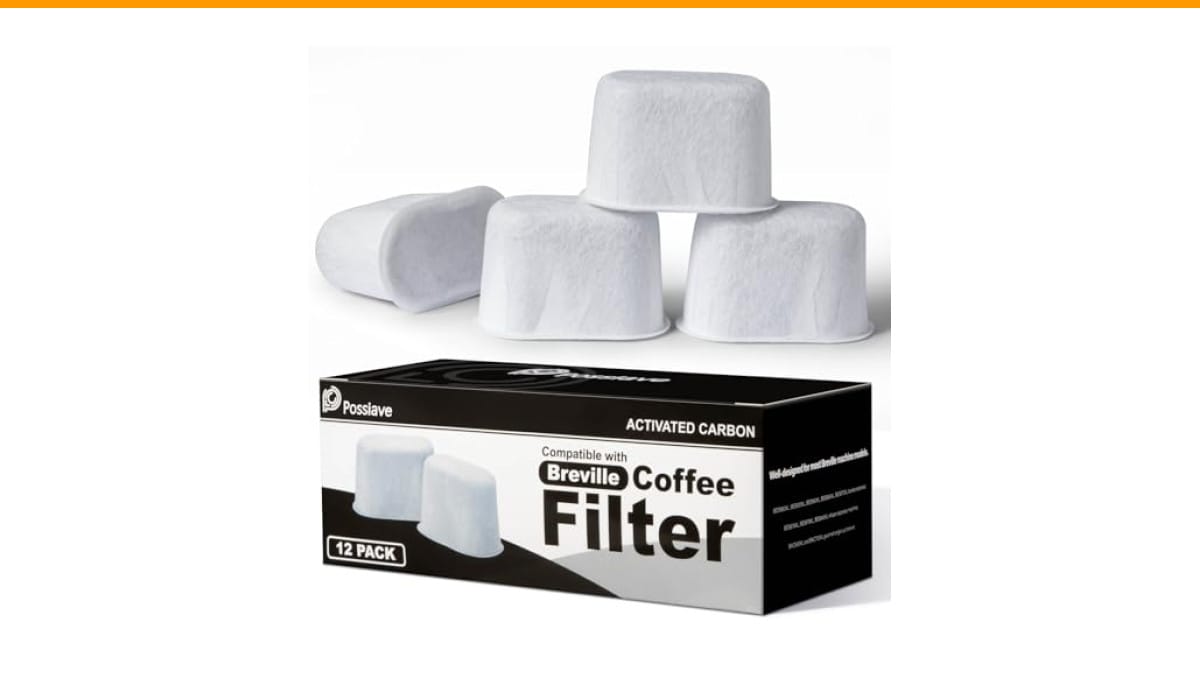
Possiave 12-Pack Water Filters Compatible with Breville…
- SUITABLE FOR MOST OF BREVILLE MACHINES - Well -designed for all Breville machine models: BES980XL, BES920XL, BES900XL, BES860XL, B…
- IMPROVE FLAVOR - Filter out chlorine, calcium, bad odors and impurities with purest coconut shell charcoal. The pore structure and…
- CONVENIENT TO STORAGE - For convenient storage, we provide individual package for each two water filters, which can also keep othe…
As an Amazon Associate I earn from qualifying purchases.
If you’re using tap water without filtration, that’s the first thing to address. The Possiave 12-Pack Water Filters Compatible with Breville BWF100 Machines replace the stock filter in the water tank. They use coconut shell charcoal to pull out chlorine and impurities that make coffee taste flat or slightly chemical. It’s a low-effort upgrade that improves every drink you make.
Why the Barista Express Needs Accessories (and What It Does Well)
The Barista Express is a solid entry-level machine. It has a built-in burr grinder, PID temperature control, and a 54mm portafilter. Out of the box, it can make good espresso. But it has known weak points: the grinder produces clumpy grounds, the stock double-wall baskets are forgiving but limit flavor, and the tamper is a lightweight plastic thing that doesn’t distribute evenly.
Accessories exist to fix those weak points, not to replace the machine. A WDT tool breaks up clumps, a precision basket lets water flow evenly, and a scale gives you repeatable doses. Without them, you’re at the mercy of variables you can’t see. With them, you can actually dial in a bag of beans.
The 3-Step Priority System: Fix Your Weakest Link First
Don’t buy everything at once. Start with the accessory that solves your most frequent problem. Here’s the order I recommend after testing dozens of setups.
Step 1: The Precision Basket (Cheapest Flavor Upgrade)
The stock baskets that ship with the Barista Express are double-walled (pressurized). They create fake crema and mask bad technique, but they also mute flavor. A precision basket, usually from IMS or VST, has flat bottoms and uniform holes. It lets water extract evenly, which means you taste the coffee, not the basket.
You’ll need a 54mm basket, not the 58mm size used by most prosumer machines. IMS makes a 54mm precision basket that fits the Barista Express portafilter. Expect to pay around $30. The difference is immediate: shots run slower, crema is thinner but more genuine, and flavors become clearer. It’s the best $30 you’ll spend.
Step 2: The WDT Tool + Dosing Funnel (Fix Channeling)
Channeling is when water finds a path through the puck and bypasses most of the coffee. It causes sour and bitter shots simultaneously. The Barista Express grinder produces clumpy grounds that settle unevenly. A WDT tool with thin needles breaks up clumps and distributes grounds uniformly.
Use a dosing funnel on top of the portafilter to contain grounds during WDT. Without it, you’ll spill coffee everywhere. The combo costs about $25 total. In testing, WDT reduced channeling visibly when I used a bottomless portafilter. Shots ran in the 25-30 second range with even extraction across the basket.
Step 3: The Espresso Scale (Consistency Over Guesswork)
You can’t dial in by eye. A scale with 0.1g resolution lets you measure dose and yield precisely. The Barista Express has a built-in grinder timer, but it drifts as beans age and humidity changes. Weighing your dose before and after grinding eliminates that variable.
Get a scale that fits under the cup on the drip tray. The Acaia Pearl is the gold standard but costs over $200. A $20 AWS scale works fine for most home users. Use it every shot. Weigh 18g of beans, grind, then weigh the liquid yield. You’ll hit your target ratio within a gram once you practice.
The Essential Workflow Upgrades (Tamper, Knock Box, Mats)
Once you’ve fixed extraction, focus on workflow. A good tamper is non-negotiable. The stock tamper is too small for the basket and made of lightweight plastic. A 54mm calibrated tamper, like the one from Crema Coffee Products, ensures level, consistent pressure every time. It costs around $60 and feels solid in the hand.
A knock box saves your counter from dents and makes cleanup fast. You don’t need a fancy one. A $30 stainless steel box with a rubber bar works fine. A tamping mat is also worth it. It protects your counter and gives you a non-slip surface. These three items together cut your shot-to-shot time by about 30 seconds.
Advanced Mods: Bottomless Portafilter, Puck Screens, and Single-Dose Hoppers
If you’ve mastered the basics, these upgrades push your shots further. A bottomless portafilter (54mm) costs about $40 and replaces the stock spouted one. It doesn’t improve extraction by itself, but it shows you exactly what’s happening. You’ll see channeling as spray or uneven flow. That feedback is invaluable for learning.
Puck screens are thin mesh discs that sit on top of the coffee. They distribute water evenly and keep the shower screen clean. A 54mm screen costs about $10. I noticed slightly better extraction consistency and less channeling with one. They also reduce how often you need to backflush, which saves money on cleaning tablets.
Single-dose hoppers replace the stock bean hopper. They let you weigh beans before grinding and avoid stale coffee sitting in the hopper. The Barista Express grinder has high retention, so a bellows-style hopper helps push out ground coffee. This mod costs around $30 and makes dialing in faster. It’s not perfect, but it’s a big upgrade over the stock hopper.
The 53mm vs. 54mm Compatibility Trap (Read This Before Buying)
Here’s a mistake I see constantly. People buy a tamper or basket advertised as “Breville compatible” and it doesn’t fit. The Barista Express uses a 54mm portafilter, not the 53mm size found on some older Breville models like the Infuser. Always check the exact model number before buying.
Also, some accessories are universal, like knock boxes and scales. But anything that touches the basket, tamper, or portafilter must be 54mm. I’ve tested a 53mm tamper on a 54mm basket and it leaves a gap that causes uneven tamping. Double-check the product description. If it says “fits BES870XL,” you’re good. If it just says “Breville,” ask the seller.
How to Diagnose Your Shot: Sour, Bitter, or Fast—and the Accessory That Fixes It
Let’s match symptoms to solutions. This is the core of the diagnostic approach.
- Sour shot: Under-extraction. The water didn’t pull enough flavor out of the coffee. Fix: grind finer, increase dose, or use a precision basket for even flow. A WDT tool also helps by reducing channeling.
- Bitter shot: Over-extraction. Water pulled too much, including harsh compounds. Fix: grind coarser, reduce yield, or lower water temperature if your machine allows. A scale helps you control yield precisely.
- Fast shot (under 20 seconds): Grind too coarse or dose too low. Fix: grind finer and increase dose. A WDT tool ensures even distribution so the water doesn’t rush through a weak spot.
- Slow shot (over 35 seconds): Grind too fine or over-dosed. Fix: grind coarser or reduce dose slightly. A calibrated tamper ensures consistent pressure so you can isolate the grind variable.
Once you identify your symptom, buy the accessory that addresses it. Don’t buy a bottomless portafilter if your shots are sour. Fix the grind and distribution first.
Maintenance Accessories That Save You Money (Filters, Backflush Discs)
Espresso machines need regular cleaning. The Barista Express has a cleaning cycle that requires a backflush disc and cleaning tablets. A set of backflush discs costs about $15 and lasts for years. Cleaning tablets, like Cafiza, are cheap per use. Skipping backflush leads to oily buildup that ruins flavor and can clog the machine.
Water filters are another maintenance item. The stock Breville filter needs replacing every 2-3 months. The Possiave 12-pack gives you a year’s supply at a lower per-filter cost. They’re individually packaged so you can store them without worrying about moisture. Using filtered water reduces scale buildup, which means fewer descaling cycles and a longer machine life.
Puck screens also cut maintenance. They keep coffee oils off the shower screen, so you don’t need to scrub it as often. A clean machine makes better coffee and saves you money on repairs.
The Complete Beginner’s Setup: A $100 vs. $250 Shopping List
Here’s how to spend your money wisely, depending on your budget.
| Budget | Accessories | What It Fixes | Estimated Cost |
|---|---|---|---|
| $100 | Precision basket, WDT tool, dosing funnel, cheap scale | Channeling, uneven extraction, inconsistent dosing | $80-$100 |
| $250 | Everything in $100 setup, plus calibrated tamper, knock box, bottomless portafilter, puck screen | Workflow speed, visual feedback, even water distribution | $220-$250 |
The $100 setup gets you 80% of the flavor improvement. The $250 setup adds convenience and learning tools. If you’re on a tight budget, skip the bottomless portafilter and puck screen. They help you learn but don’t directly improve flavor.
Frequently Asked Questions
Do I need a bottomless portafilter for the Barista Express?
No, but it’s the best learning tool. It shows you channeling and uneven flow that you can’t see with the spouted portafilter. If you’re troubleshooting sour or bitter shots, a bottomless portafilter helps you see the problem. It’s not a flavor upgrade by itself.
What size tamper fits the Barista Express?
The Barista Express uses a 54mm portafilter. You need a 54mm tamper. Some models, like the older Infuser, use 53mm. Always check your machine’s model number before buying. A 53mm tamper won’t fit properly and will cause uneven tamping.
How often should I replace the water filter?
Every 2-3 months, depending on your water usage and hardness. If you use the machine daily, replace the filter every two months. The Possiave 12-pack makes this easy to remember. Set a calendar reminder or write the date on the filter with a marker.
Can I use a regular kitchen scale for espresso?
You can, but it’s not ideal. Espresso requires 0.1g precision. Kitchen scales usually measure to 1g, which is too coarse for dialing in. A $20 espresso scale with 0.1g resolution is worth it. It also fits under your cup on the drip tray, which a kitchen scale won’t.
Will a puck screen affect the taste of my espresso?
Not directly, but it can improve consistency. It distributes water evenly and prevents channeling, which leads to more balanced extraction. It also keeps your shower screen cleaner. Some users report slightly sweeter shots, but that could be from reduced channeling. It’s a cheap experiment.
Final Verdict: Your Next Purchase, Ranked
Here’s the order I’d buy accessories if I started over with my Barista Express.
- 1. Precision basket (54mm) – Biggest flavor upgrade for the money.
- 2. WDT tool + dosing funnel – Fixes channeling and clumping.
- 3. Espresso scale – Makes every shot repeatable.
- 4. Calibrated tamper – Consistent pressure, better extraction.
- 5. Knock box + tamping mat – Workflow convenience.
- 6. Water filter (12-pack) – Improves taste and protects the machine.
- 7. Puck screen – Even distribution and easier cleaning.
- 8. Bottomless portafilter – Learning tool, not a flavor upgrade.
Start with the first three items. They’ll transform your shots without breaking the bank. Then add workflow upgrades as you go. If you’re still struggling with grinder consistency, check out my grinder problems guide for fixes. And if you’re considering a different machine, my full review covers the Barista Express in depth.
Remember, accessories are tools, not magic. The best setup won’t fix bad beans or stale coffee. But with the right accessories, you’ll finally taste what your Barista Express can do.
For more maintenance tips, check out my guide on cleaning cycle issues to keep your machine running smoothly.
Products related to this article
Sponsored / affiliate links. As an Amazon Associate I earn from qualifying purchases. I may earn additional commission from eligible campaigns.
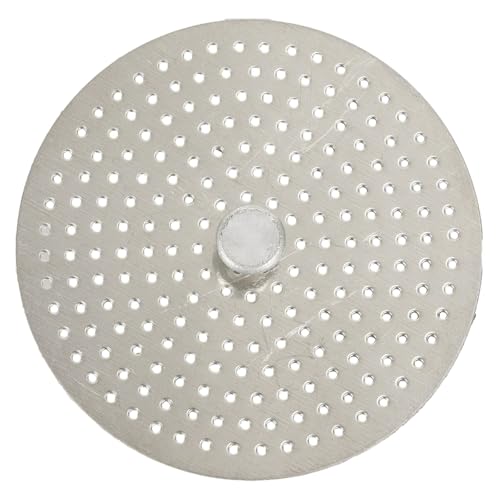 Stainless Steel Moka Pot Coffee Filter Disc for Espresso Brewing, Coffee Maker Replacement Filter Plate for Home Office Coffee Bar Cafe (FOR 4 Cups)
 Quick Heating Cup Warmer, Three Temperature Settings, Splashproof and Portable, for Coffee, Milk, Lightweight ABS Material
 Coffee Mug Warmer & You are Awesome Mug Set, Electric Cup Warmer for Desk