You bought a compact espresso machine to save counter space, not to add a new chore to your morning routine. But here’s the thing: small machines pack the same boiler, pump, and group head as their bigger siblings into a tighter frame. That means mineral buildup and coffee oils concentrate faster, and the margin for error shrinks. Skip maintenance for three months and you’ll taste it — a bitter, sour shot that no bean can fix.
This guide covers the complete care routine for compact espresso machines: what to do daily, weekly, and monthly, plus the exact descaling schedule and the mistakes that quietly kill these machines. You’ll walk away with a maintenance plan that takes about 10 minutes a week and keeps your shots tasting like they did on day one.

Tillbrook
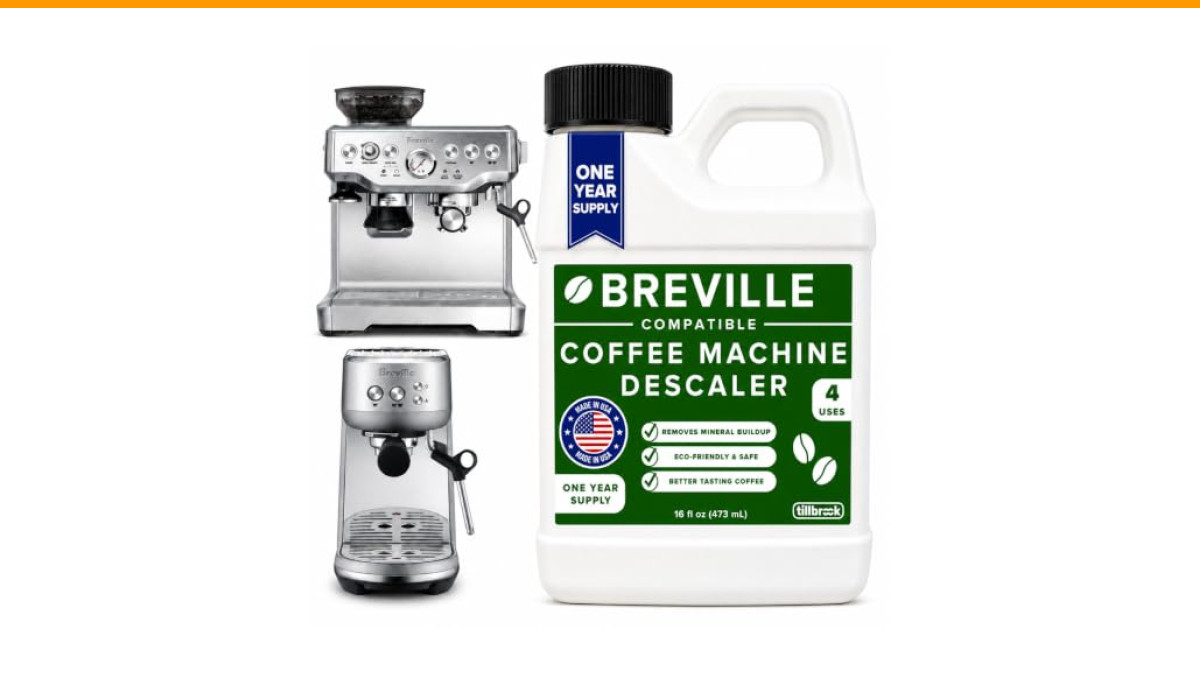
Breville Espresso Machine Compatible Descaler, 4 Uses,…
- EXCEPTIONAL RESULTS: Introducing Tillbrook Coffee Machine Descaler specifically formulated for Breville—the best choice for removi…
- 1 YEAR SUPPLY: Our concentrated formula is easy to use and provides remarkable value with 4 cleanings per bottle. Simply add 1/2 c…
- SCIENTIFICALLY ENGINEERED: Our advanced descaling solution is carefully crafted with powerful, all-natural ingredients that remove…
As an Amazon Associate I earn from qualifying purchases.
If you’re new to espresso upkeep, start with our coffee machine maintenance basics before diving into the compact-specific steps below.
Before we get into the routine, one honest note: the descaler you use matters more than the frequency. A weak or generic solution can leave residue behind, and a harsh one can corrode internal seals. I’ve tested several formulas on compact machines over the years, and the Tillbrook Breville-compatible descaler stands out because it’s formulated for the specific alloys and gaskets Breville uses, and one bottle covers four descaling cycles — a full year for most home users.
Daily Habits That Take 30 Seconds
Your compact machine’s worst enemy isn’t hard water. It’s the coffee oil that bakes onto the group head and portafilter every time you pull a shot. That residue turns rancid within hours, and it’s the primary cause of bitter, flat espresso in machines under two years old.
Here’s the daily routine I follow and recommend to anyone with a compact machine:
- Flush the group head immediately after your last shot. Run water for 5–8 seconds with the portafilter removed. This washes away oils before they harden.
- Wipe the portafilter and basket with a dry cloth. Don’t rinse and set aside — the trapped water breeds mold in the basket’s tiny holes.
- Empty and rinse the drip tray. Stagnant coffee in the tray attracts fruit flies and accelerates corrosion on the tray’s metal contact points.
- Leave the portafilter locked in the group head. This keeps the gasket compressed and prevents it from drying out and cracking.
That’s it. Ninety seconds of work, and you’ve eliminated 80% of the buildup that forces deep cleans later.
Weekly Cleaning: The Backflush Routine
Once a week, you need to backflush. This is the step most compact machine owners skip, and it’s the one that separates a machine that lasts five years from one that dies at eighteen months.
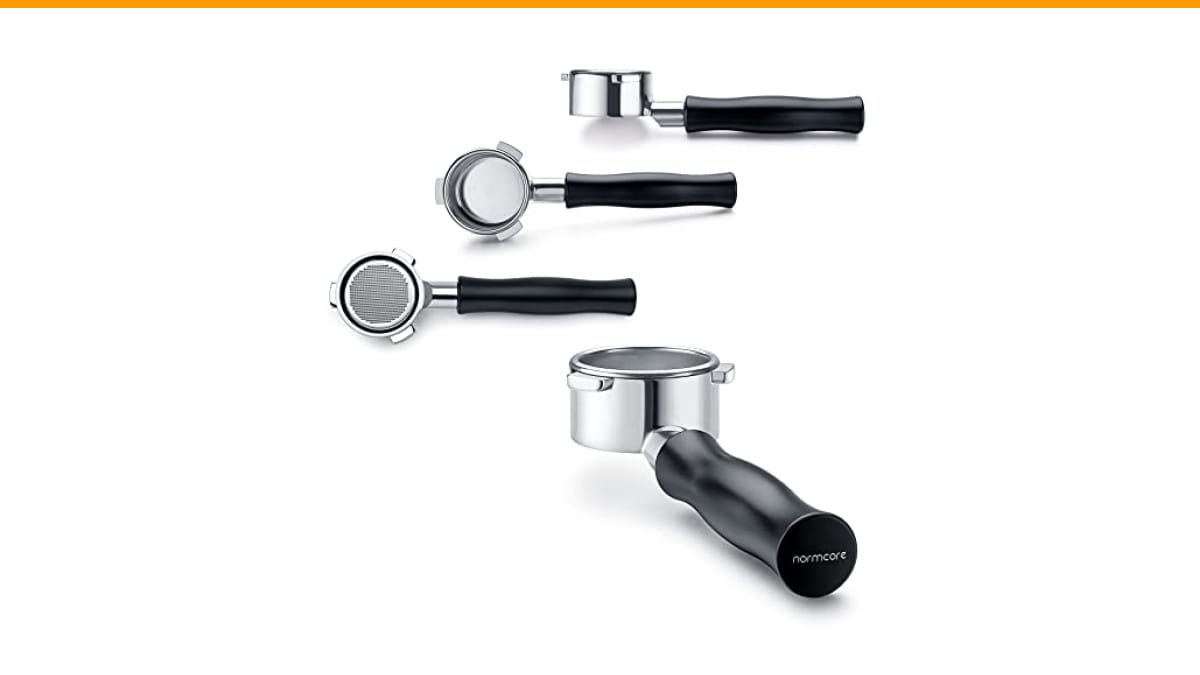
Backflushing forces water backward through the group head to dislodge oils trapped in the solenoid valve and brew chamber. You need a blind basket (a basket with no holes) and a mild cleaning powder. Cafiza is the industry standard, but any espresso machine cleaner works.
The process for most compact machines:
- Insert the blind basket into the portafilter.
- Add a quarter teaspoon of cleaning powder (about the size of a pea).
- Lock the portafilter in and run the brew cycle for 10 seconds.
- Stop, wait 30 seconds, then run another 10-second cycle.
- Repeat once more, then remove the portafilter and rinse thoroughly.
- Run a full water cycle through the group head with no portafilter to flush any remaining cleaner.
You’ll see brown, oily water come out on the first cycle. That’s the buildup that was headed for your cup. If you have a machine with a three-way solenoid valve — most compact models do — this routine also keeps that valve from clogging, which is the most common failure point in machines under $500.
One caveat: don’t backflush with a cleaning powder more than once a week. The detergent can degrade rubber gaskets if used excessively. If you pull more than four shots a day, bump it to every five days, not every day.
Descaling Schedule and Technique
Descaling removes mineral scale — calcium and magnesium — that builds up inside the boiler and heating element. This is different from backflushing, and you need both.
How often? It depends on your water hardness. With tap water, every 3–4 months is the safe interval. With softened or filtered water, you can stretch to every 6 months. With hard water (above 150 ppm), descale every 2 months or you risk permanent heating element damage.
The descaling process for a compact machine:
- Empty the water tank and fill it with a descaling solution mixed according to the manufacturer’s instructions. For the Tillbrook descaler, that’s half a cup of concentrate topped off with water.
- Run the machine as if brewing a shot, but with no coffee. Dispense about 4 ounces, then pause.
- Repeat until the tank is empty. This takes 10–15 minutes for most compact machines.
- Fill the tank with fresh water and run two full cycles to rinse. Don’t skip this — residual acid will make your next shots taste metallic.
After descaling, run a backflush with plain water (no powder) to clear the solenoid valve of any loosened scale. That’s a step most manuals omit, but it prevents clogs in the weeks after descaling.
For a deeper look at the chemistry and alternative methods, see our guide on descaling at home.
Water Quality: The Factor Nobody Talks About
Your water is the single biggest variable in how often you descale. Hard water deposits scale faster, but soft water can be corrosive to brass and aluminum boilers. The sweet spot for espresso is water with a total dissolved solids (TDS) between 100 and 150 ppm.
If you’re on city water, a simple pitcher filter with a mineral cartridge gets you close. If you’re on well water, test it first — many wells run 300+ ppm, which will destroy a compact machine within a year without frequent descaling.
One mistake I see constantly: using distilled or RO water exclusively. These have zero minerals, which sounds clean, but they’re actually aggressive on metal components and strip flavor from your coffee. You need some minerals for extraction. Aim for filtered tap water, not pure water.
If your machine is already showing signs of scale — slow flow, loud boiler noises, or a burnt smell — check our troubleshooting guide for noisy espresso machines before you panic. Often it’s just scale, and a good descale fixes it.
Comparing Maintenance Approaches
Not all compact espresso machines are equal when it comes to upkeep. Here’s how the three main types compare:
| Machine Type | Backflush Required? | Descale Interval | Common Failure Point | Maintenance Difficulty |
|---|---|---|---|---|
| Manual (e.g., Flair, Rok) | No — no pump or solenoid | Every 6–12 months (boiler only) | Gaskets and pressure gauges | Low |
| Semi-automatic (e.g., Breville Bambino, Gaggia Classic) | Yes — weekly | Every 3–4 months | Solenoid valve, group gasket | Moderate |
| Automatic/super-automatic (e.g., Philips, De’Longhi) | No — brew group removes for rinsing | Every 2–3 months | Brew group motor, milk frother | Higher — more parts to clean |
If you’re deciding between a semi-automatic and a fully automatic machine, the maintenance difference might tip you. Semi-automatics are simpler to fix at home. Automatics have more moving parts, and their cleaning cycles are longer. Our comparison of automatic vs. semi-automatic machines covers this in detail.
Common Mistakes That Shorten Machine Life
Over years of testing and repairing compact espresso machines, I’ve seen the same five mistakes destroy machines that could have lasted a decade:
- Using dish soap on the portafilter and basket. Soap leaves a film that ruins crema and can corrode aluminum baskets. Rinse with hot water only.
- Ignoring the steam wand. After every use, purge steam for 2 seconds, then wipe the wand with a damp cloth. Milk residue hardens into a crust that’s nearly impossible to remove later.
- Descaling with vinegar. Vinegar is an acid that can attack rubber seals and leave a lingering smell. Use a commercial descaler designed for espresso machines.
- Over-tightening the portafilter. You only need enough pressure to seal — about a quarter turn past finger-tight. Crank it too hard and you’ll wear out the group gasket in months instead of years.
- Running the machine dry. Compact machines have small boilers that heat up fast. If the tank runs dry while the heating element is on, you can scorch the boiler in under a minute. Always check the water level before heating.
If your machine is already leaking or showing signs of wear, don’t assume it’s dead. Many issues are fixable with basic maintenance. Check our guide on fixing water leaks before you shop for a replacement.
Frequently Asked Questions
How often should I descale a compact espresso machine?
Every 3–4 months with average tap water. If you use softened water, stretch to 6 months. If you have hard water (over 150 ppm), do it every 2 months. The machine’s flow rate is a good indicator — when shots start running slower than usual, it’s time to descale.
Can I use vinegar instead of a commercial descaler?
Technically yes, but I don’t recommend it. Vinegar is acetic acid, which is weaker than the citric or sulfamic acid in commercial descalers. It takes longer to work, leaves a smell that’s hard to rinse out, and can degrade rubber gaskets over time. A commercial descaler like the Tillbrook solution is formulated to dissolve scale without attacking machine components.
Why does my espresso taste bitter even after cleaning?
If you’ve backflushed and descaled recently, the issue is likely stale beans or grind size. But if the bitterness appeared suddenly, check the group gasket. A worn gasket lets water bypass the coffee, causing uneven extraction. Also check your water — high mineral content can add a metallic, bitter edge to shots.
Is it safe to leave water in the tank?
For a day or two, yes. For longer than a week, no. Stagnant water breeds bacteria and can leave mineral deposits as it evaporates. If you don’t use the machine daily, empty the tank and let it air dry. Fill fresh water before each use.
How long should a compact espresso machine last with proper maintenance?
With regular backflushing, descaling, and gasket replacement every 1–2 years, a quality compact machine should last 5–7 years for home use. Without maintenance, expect 2–3 years before the pump or boiler fails. The gasket is the first thing to go — replace it when you notice water pooling around the portafilter during brewing.
What to Remember When You’re in a Hurry
Maintenance doesn’t have to be a project. Here’s the short version worth saving:
- Flush the group head and wipe the portafilter after every shot — 30 seconds, non-negotiable.
- Backflush with a cleaning powder once a week using a blind basket.
- Descale every 3–4 months with a commercial descaler, not vinegar.
- Purge and wipe the steam wand after every use to prevent milk crust.
- Use filtered water with a TDS between 100–150 ppm, not distilled water.
- Replace the group gasket every 12–24 months, or when you see leaks.
- Never run the machine with an empty tank — instant boiler damage.
Stick to that routine and your compact machine will outlast the trendy countertop appliance you bought it to replace. The payoff is consistent shots and a machine that still holds its value when you eventually upgrade.
Products related to this article
Sponsored / affiliate links. As an Amazon Associate I earn from qualifying purchases. I may earn additional commission from eligible campaigns.
 Coffee Espresso Machine Handle Replacement Parts, Cafe Bracket Handle for Lidl Silvercrest CM4621 CM4218 KF5002 KF500S Barista (for 51mm Portafilter Basket - Not included)
 Linnkyfloa Coffee Espresso Maker Handle Replacement for Stovetop Moka Pot or Percolator, Black Plastic for Spare Part Compatible with Italian(9-12 Cup)
 HomeBeyond Espresso Coffee Maker 12 Cups, Classic Stovetop Espresso Maker, 600ml / 20oz Coffeemaker for Gas & Ceramic Stovetops (Silver)