You just brewed a perfect cup. The coffee’s gone, but the spent filter sits in the basket, wet and clinging to the plastic ring. Most people toss it in the trash without thinking. That’s fine, but it’s also a missed opportunity—and sometimes a mistake.
Paper coffee filters break down easily, but what you can do with them depends on how you brewed. A rinsed #2 paper filter from a pour-over can go in the compost bin. A plastic-ringed pod filter cannot. Knowing the difference keeps your compost pile healthy and your recycling bin clean.

Holismo
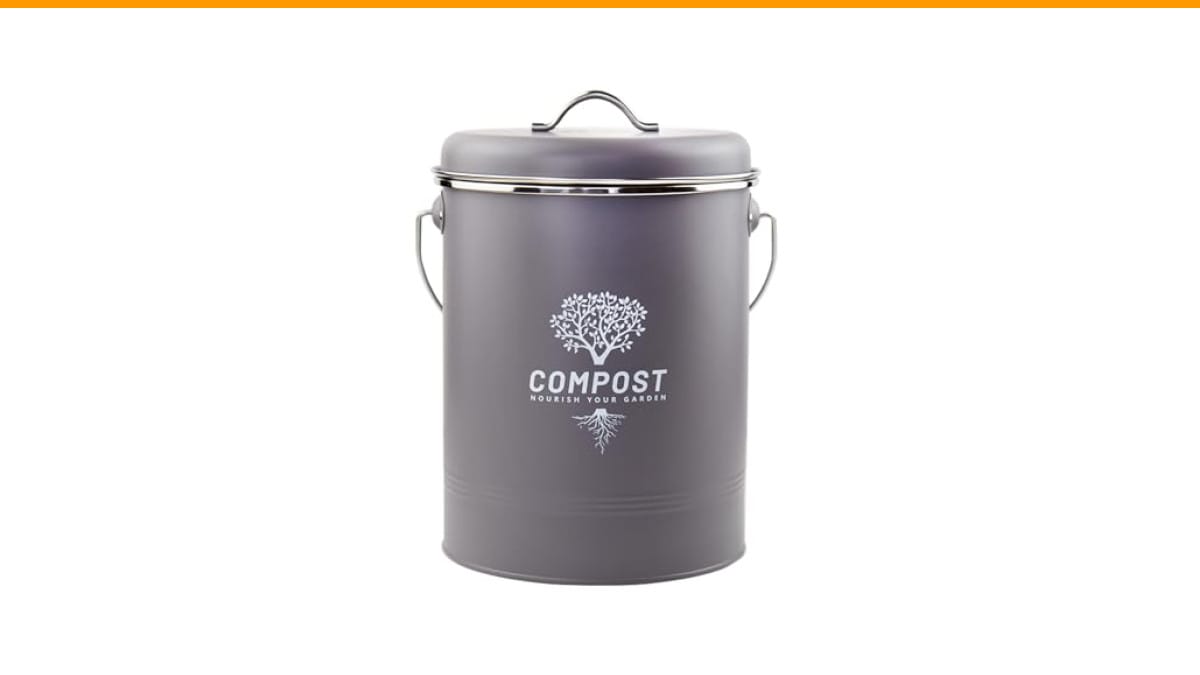
Holismo Kitchen Countertop Compost Bin, Odor Resistant…
- HIGH QUALITY COMPOST BIN CONSTRUCTION: This compost bin are made of high quality galvanized iron that is guaranteed to last a long…
- ODOR-FREE INDOOR COMPOST BIN: The kitchen compost bin countertop is designed to effectively hold food waste, and the activated cha…
- FAMILY SIZED FOOD WASTE BIN: The generous 7.08 x 7.08 x 8.66 inch dimensions and extra large 1.3 Gal / 5L capacity can comfortably…
As an Amazon Associate I earn from qualifying purchases.
This guide covers every common filter type: paper, unbleached, metal mesh, and plastic-ringed pods. You’ll learn what belongs in compost, what belongs in trash, and how to handle filters when you’re traveling or stuck without a compost setup.
If you’re collecting kitchen scraps for compost, a dedicated countertop bin makes the habit stick. The Holismo Kitchen Countertop Compost Bin holds a week’s worth of grounds, filters, eggshells, and peels without smelling up the kitchen thanks to its charcoal filter lid. It’s a practical middle step between the coffee maker and the outdoor pile.
Composting Paper Filters: What Actually Breaks Down
Paper filters are made from wood pulp, which is carbon-rich material. Compost needs a balance of carbon (browns) and nitrogen (greens). Coffee grounds are greens—high in nitrogen. Filters are browns. Together, they’re a perfect pair.
Unbleached brown filters break down fastest, usually within 4 to 6 weeks in an active pile. Bleached white filters take slightly longer because of the chlorine or oxygen treatment, but they still compost fine. The key is tearing the filter open before tossing it in. A crumpled ball of wet paper takes months to decompose. A spread-out, torn filter breaks down in weeks.
What about the coffee grounds inside? Leave them. Grounds are excellent for compost—they add nitrogen, improve soil structure, and attract earthworms. There’s no need to rinse the filter or shake out the grounds. The whole thing goes in as one unit.
One caveat: if your filter has a plastic or metal ring (common in some pour-over cones), remove the ring first. That ring won’t break down and will contaminate your compost. The paper part is fine; the ring goes in the trash.
If you’re new to composting and want to understand how moisture and airflow affect the process, our guide on coffee maker cleaning covers the hygiene side of things, while the compost bin handles the waste side.
Recycling Coffee Filters: The Honest Answer
Most municipal recycling programs do not accept used coffee filters. Here’s why: the filters are wet, contaminated with coffee oils, and often food-soiled. Recycling facilities reject food-contaminated paper because it degrades the quality of the recycled pulp.
Can you recycle unused filters? Yes, but it’s pointless. Clean, dry paper filters can go in the paper recycling bin, but most recyclers don’t specifically sort them. They’ll end up in the mixed paper stream and get processed fine.
Used filters should go in the trash or compost, not the recycling bin. Putting wet filters in recycling can actually contaminate an entire batch, causing the facility to send more material to landfill. That’s the opposite of what you want.
If you’re unsure about your local rules, check your municipality’s waste guide. Some cities with industrial composting programs accept food-soiled paper, but that’s the exception, not the rule.
Metal Mesh and Reusable Filters: A Different Story
Stainless steel mesh filters (like those from Able Brewing or the classic Kone) are not disposable. You rinse them under running water, scrub gently with a brush, and let them dry. The grounds go in the compost or trash—never down the sink, where they’ll clog your pipes.
Paper filters and mesh filters produce different cups of coffee. Paper absorbs coffee oils, giving a cleaner, brighter cup. Mesh lets oils through, producing a fuller-bodied brew with more sediment. If you switch between the two, your disposal routine changes too.
Mesh filters last years if you treat them right. A quick rinse after each use prevents oil buildup. A deeper clean with a mild detergent every few weeks keeps the mesh open. Our guide on grinder cleaning follows the same principle—regular small maintenance beats occasional deep scrubbing.
Plastic-Ringed Pods and Single-Serve Filters
Plastic-ringed filters (like those used in some pour-over cones) are a mixed-material product. The paper part is compostable, but the plastic ring is not. You have two options:
- Separate the paper from the ring. Compost the paper, trash the ring.
- Trash the whole thing if you’re in a hurry.
Single-serve pods (K-Cups and similar) are worse. Most are made of plastic or aluminum with a paper filter inside. Even the “compostable” pods require industrial composting facilities that reach specific temperatures. Home compost piles rarely get hot enough to break them down fully.
If you’re using pods, check the brand’s disposal instructions. Some brands offer take-back programs. Most don’t. The honest truth is that pods are a convenience product with a waste problem. Switching to a reusable pod or a paper-filter pour-over eliminates the issue entirely.
Comparing Disposal Methods by Filter Type
| Filter Type | Compostable? | Recyclable? | Best Disposal Method |
|---|---|---|---|
| Unbleached paper (pour-over, drip) | Yes, tears apart easily | No, food-contaminated | Compost bin, torn open |
| Bleached white paper | Yes, slightly slower | No | Compost bin, torn open |
| Paper with plastic ring | Paper only, not the ring | No | Separate ring to trash, compost paper |
| Stainless steel mesh | N/A—reusable | N/A | Rinse, reuse for months |
| Single-serve plastic pod | Rarely, industrial only | No, mixed materials | Trash, or check brand program |
| Compostable pod (plant-based) | Only in industrial facilities | No | Check local industrial compost access |
This table assumes a home compost pile. If you have access to municipal compost pickup, the rules loosen up—many cities accept all food-soiled paper, including filters and pods labeled compostable.
Practical Tips for Filter Disposal Without a Compost Pile
Not everyone has a backyard compost bin. Apartment dwellers, office workers, and travelers need alternatives. Here’s what works:
- Trash it, but dry it first. A wet filter in a sealed trash bag breeds mold and smells. Let it air-dry on the counter or in the sink for an hour before tossing. This reduces odor and weight.
- Use a countertop compost bin. Even without outdoor compost, collecting scraps in a bin with a charcoal filter (like the Holismo model mentioned earlier) lets you store them for a week, then drop them at a community compost site or municipal pickup point.
- Bury it. If you have any outdoor soil—even a planter box—you can bury spent filters and grounds directly. Dig a small hole, drop the filter in, cover with soil. Worms and microbes do the rest. This is called trench composting, and it works surprisingly well.
- Freeze it. Storing filters and grounds in a freezer bag stops decomposition and odor completely. When the bag is full, take it to a compost drop-off.
The last option is the least glamorous but the most practical for renters. A quart-sized freezer bag holds about two weeks of filters. Label it with a date, and you’ll remember to drop it off.
Frequently Asked Questions
Can I put coffee filters in the garbage disposal?
No. Paper filters don’t break down in water the way food scraps do. They clump, expand, and can clog your drain. Coffee grounds alone are also bad for disposals—they accumulate in pipes and cause blockages. Toss both in the trash or compost.
Are coffee filters biodegradable?
Yes, all paper filters are biodegradable. Unbleached filters break down in about 4 to 6 weeks in a compost pile. Bleached filters take a bit longer but still biodegrade. The catch is the environment: in a landfill, where oxygen is limited, even paper takes years to decompose because the conditions aren’t right for microbes.
Can I compost coffee filters with coffee grounds together?
Absolutely. In fact, it’s the ideal pairing. Grounds are nitrogen-rich (green material), and filters are carbon-rich (brown material). Together they balance the compost pile. Tear the filter open so it doesn’t form a wet mat that blocks airflow.
Do I need to remove the coffee grounds before composting the filter?
No, leave the grounds in. They’re a valuable compost ingredient. Rinsing the filter wastes water and strips away nutrients. Just tear the filter open and toss the whole thing in.
What should I do with filters if I don’t compost at all?
Throw them in the trash. It’s not glamorous, but it’s the correct option when composting isn’t available. Dry the filter first to reduce smell and weight. If you want to do better, look for a local compost drop-off service—many farmers markets and community gardens accept food scraps and filters.
What to Remember Next Time You Brew
- Paper filters (bleached or unbleached) are compostable—tear them open before adding to the pile.
- Never put filters or grounds down the sink drain.
- Recycling bins reject used filters—compost or trash is the right call.
- Plastic rings and pods are not home-compostable; separate or trash them.
- Mesh filters are reusable for years—rinse after each use, deep-clean weekly.
- Without a compost pile, dry filters before trashing to avoid smells.
- A countertop compost bin with a charcoal filter makes weekly collection odor-free and easy.
The best disposal method fits your setup. A backyard composter handles everything. An apartment dweller needs a drop-off plan. Either way, you’re keeping paper out of the landfill and putting nutrients back into soil—one filter at a time.
Products related to this article
Sponsored / affiliate links. As an Amazon Associate I earn from qualifying purchases. I may earn additional commission from eligible campaigns.