You pour your morning coffee, take that first sip, and something tastes off. Not stale — greasy. A faint, bitter film coats your tongue. The culprit isn’t the beans or the water. It’s your coffee canister.
Most people rinse their canister with hot water and call it done. That rinse removes the visible coffee but leaves behind a thin layer of coffee oil. Over weeks, that oil polymerizes into a sticky, dark residue. It clings to glass and stainless steel alike. It also harbors bacteria and makes every subsequent brew taste slightly rancid.

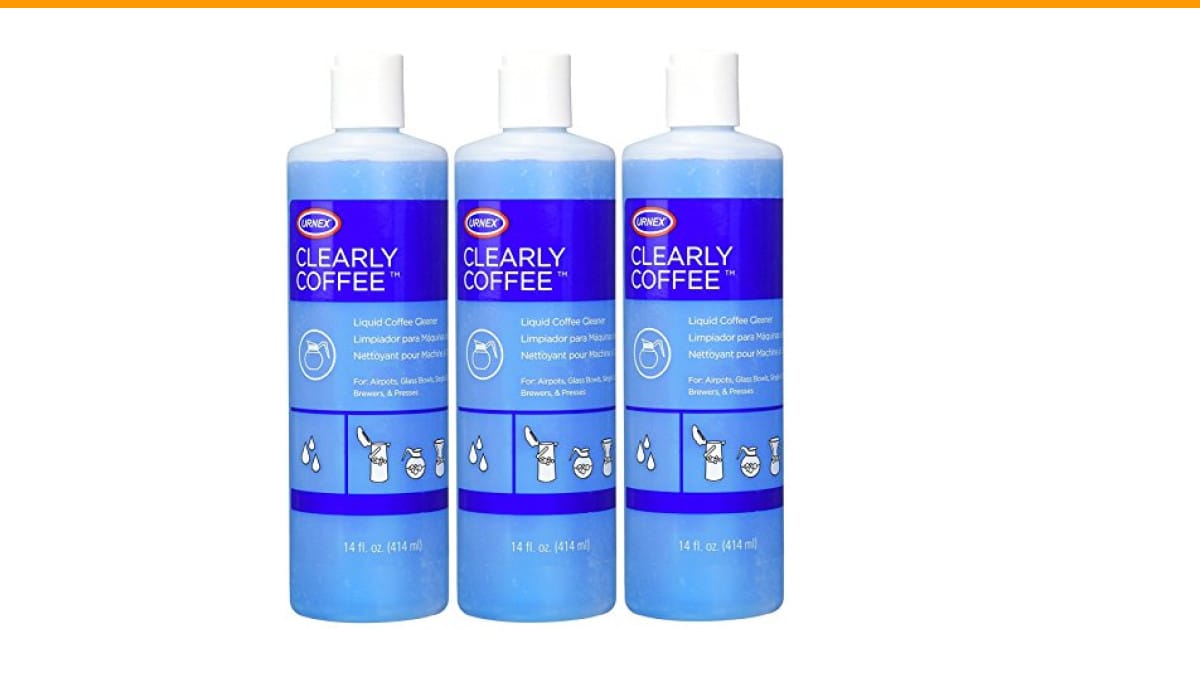
Urnex
Urnex Clearly Coffee Pot Cleaner - 3…
- Cleans and removes coffee oils and inhibits additional mineral deposits
- For glass bowls, airpots, satellite brewers, and thermal servers
- Liquid provides counter top convenience
As an Amazon Associate I earn from qualifying purchases.
This guide covers how to clean a coffee canister the right way — for glass carafes, stainless steel thermal servers, and plastic models. You’ll get specific methods, a comparison of cleaning approaches, and answers to the questions people actually ask. No vague advice, just steps that work.
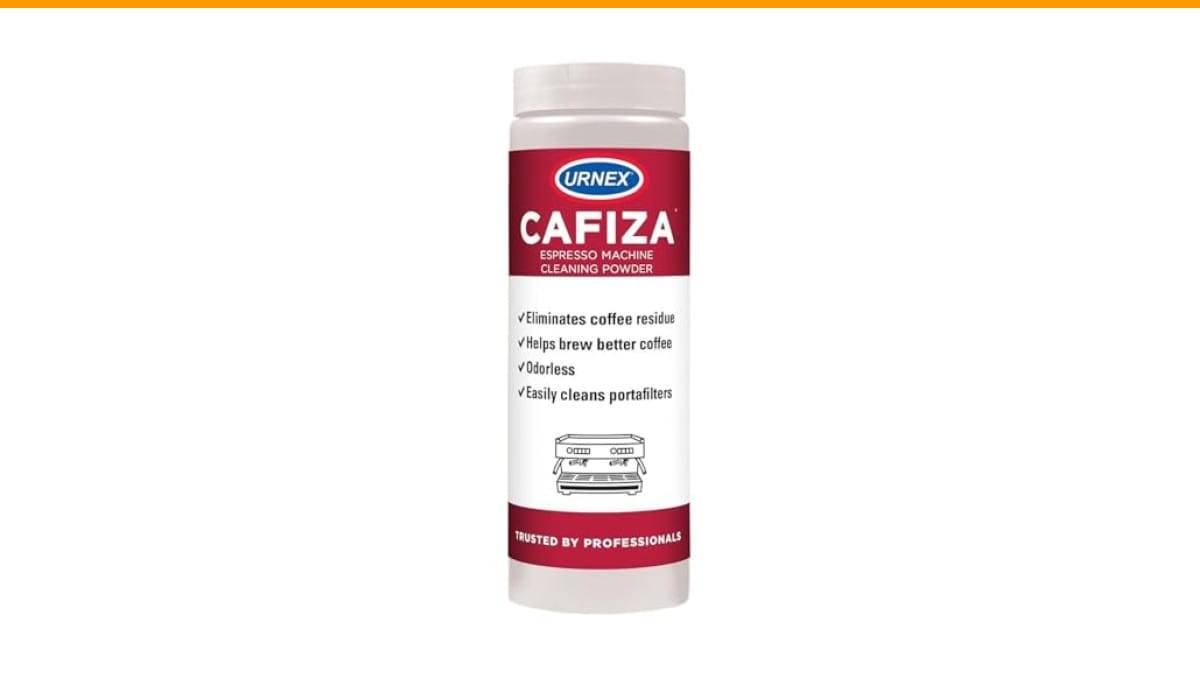
If you’re dealing with a stubborn film right now, a dedicated cleaner like Urnex Clearly Coffee Pot Cleaner cuts through coffee oils without scrubbing. It’s a liquid concentrate made for glass bowls, airpots, and thermal servers. The blue tint shows you when it’s fully rinsed, which takes the guesswork out of the process.
Why Regular Rinsing Isn’t Enough
Coffee contains natural oils called diterpenes. They’re what give coffee its body and aroma. But those oils don’t dissolve in water. When you rinse a canister, the oil stays put. It builds up in layers, especially at the bottom and along the rim where coffee splashes during pouring.
Heat makes it worse. Every time you brew or add hot coffee, the oil bakes onto the surface. After a few weeks, you’ll see a brownish film that won’t budge with soap and water alone. That film isn’t just ugly — it goes rancid and ruins the flavor of fresh coffee.
Mineral deposits from hard water compound the problem. Calcium and magnesium scale form a chalky coating that traps oils. If you live in an area with hard water, you’ll notice a white haze on glass carafes within a month. That’s scale, and it needs acid to dissolve.
How to Clean a Glass Coffee Canister
Glass is the easiest material to clean because you can see exactly what’s happening. Start with a simple hot water and dish soap wash. Use a non-abrasive sponge or a soft bottle brush. Avoid steel wool — it scratches glass, and those scratches become permanent homes for oils.
For everyday cleaning, follow these steps:
- Empty the canister and rinse with hot tap water immediately after use.
- Add a few drops of dish soap and fill halfway with hot water.
- Swirl vigorously, then scrub the bottom and sides with a bottle brush.
- Rinse thoroughly with hot water until no soap bubbles remain.
- Air dry upside down on a drying rack.
That routine handles light use. But once you see a brown film, you need a deeper clean. Baking soda works well for this. Add two tablespoons of baking soda to the canister, then fill with hot water. Let it soak for 15 minutes. The mild abrasiveness lifts the oil without scratching. Scrub with a brush, rinse, and repeat if needed.
For heavy buildup, a dedicated cleaner is faster. The Urnex solution dissolves coffee oils in minutes. You mix a small amount with warm water, let it sit, then rinse. The blue color is a useful safety feature — you can see when the rinse water runs clear, which means no residue remains.
Cleaning Stainless Steel and Thermal Canisters
Thermal carafes keep coffee hot for hours because they’re double-walled and vacuum-insulated. That same design makes them harder to clean. You can’t reach inside easily, and you can’t put them in the dishwasher. The heat of a dishwasher cycle can damage the vacuum seal.
Stainless steel has another quirk: it’s not as non-stick as you’d think. Coffee oils cling to the metal surface, and the narrow neck of most thermal carafes makes scrubbing awkward. A long-handled bottle brush is essential. So is a cleaning tablet or liquid that works without vigorous scrubbing.
Here’s the method that works best:
- Fill the canister one-third full with hot water.
- Add the recommended dose of a coffee equipment cleaner, or two tablespoons of baking soda.
- Close the lid and shake vigorously for 30 seconds.
- Let it sit for 10 to 15 minutes. For heavy buildup, extend to 30 minutes.
- Empty, then rinse with hot water at least three times.
- Leave the lid off and let it air dry completely.
Never use bleach on stainless steel. It can pit the surface and leave a chemical taste that no amount of rinsing removes. Also avoid abrasive powders — they scratch the interior, and scratches trap oils and bacteria.
Descaling Your Canister
Scale is a different problem from oil. It’s mineral buildup, not organic residue. The solution is acid. White vinegar works, but it leaves a smell that lingers in plastic and some stainless models. Citric acid is a better choice — it dissolves scale effectively and rinses clean without an odor.
To descale a glass canister, mix one part white vinegar to two parts water, or use one tablespoon of citric acid per quart of water. Fill the canister and let it soak for 20 minutes. For thermal carafes, fill it, close the lid, and shake every few minutes. Then rinse thoroughly.
How often should you descale? If you use filtered water, once a month is plenty. With hard tap water, every two weeks. You’ll know it’s time when you see a white film or when the coffee tastes flat, even with fresh beans. If you’re dealing with a clogged machine as well, the same descaling principles apply — check our guide on cleaning a clogged coffee maker for the full process.
Comparison of Cleaning Methods
Different situations call for different approaches. Here’s how the common methods stack up side by side.
| Method | Best For | Time Required | Removes Oils | Removes Scale | Residue Risk |
|---|---|---|---|---|---|
| Hot water + dish soap | Daily maintenance | 2 minutes | Partial | No | Low if rinsed well |
| Baking soda scrub | Light to moderate oil film | 15 minutes | Yes | No | Low |
| White vinegar soak | Scale removal | 20 minutes | Minimal | Yes | Vinegar smell |
| Citric acid soak | Scale without odor | 20 minutes | Minimal | Yes | Very low |
| Commercial cleaner (Urnex) | Heavy oil buildup, thermal carafes | 10-15 minutes | Yes, thorough | Partial | Low if rinsed to clear |
Common Mistakes to Avoid
People mess up canister cleaning in predictable ways. The most common is putting a glass carafe in the dishwasher. The high heat and harsh detergent can etch the glass, making it permanently cloudy. Hand washing is always safer.
Another mistake is using too much soap. Dish soap residue is hard to rinse out of narrow-necked containers. A few drops are enough. If you see suds after the third rinse, you used too much.
Don’t ignore the lid and seal. These parts trap coffee residue and mold. Most lids come apart — check the manufacturer’s instructions. Wash the rubber gasket separately with warm soapy water. Dry it completely before reassembling to prevent mold growth.
Finally, don’t store a canister while it’s still damp. Moisture invites mold and mildew. You don’t need to towel dry the inside of a thermal carafe — just leave the lid off for a few hours. If you’re short on time, use a clean, lint-free cloth to dry the interior.
Frequently Asked Questions
Can I put my coffee canister in the dishwasher?
Only if the manufacturer explicitly says it’s dishwasher safe. Glass carafes often survive, but the heat can cloud them over time. Thermal carafes and any canister with a vacuum seal should never go in the dishwasher — the heat damages the seal and ruins the insulation. When in doubt, hand wash.
How often should I deep clean my coffee canister?
Rinse it daily. Give it a soap-and-water wash every few days. Do a deep clean with baking soda or a commercial cleaner once a week if you use it daily. Descaling with citric acid or vinegar once a month keeps mineral buildup in check. If you notice a film or off-flavor, clean it immediately.
Why does my coffee taste like the last pot I brewed?
That’s old coffee oil. It has gone rancid and is now flavoring your fresh coffee. The fix is a thorough cleaning with a degreaser — baking soda or a dedicated coffee cleaner. Rinsing alone won’t remove the oil because it’s not water-soluble.
Is baking soda safe for stainless steel canisters?
Yes, baking soda is mildly abrasive and safe for stainless steel. Use a soft cloth or sponge, not a metal scrubber. Rinse thoroughly after scrubbing. If you have a thermal carafe, dissolve the baking soda in water before adding it, so you don’t scratch the interior with dry granules.
What’s the difference between cleaning and descaling?
Cleaning removes organic residue — coffee oils, grounds, and bacteria. Descaling removes inorganic mineral deposits — calcium and magnesium scale. You need both. Cleaning with soap removes oil but not scale. Descaling with acid removes scale but not oil. A complete routine includes both, on different schedules.
What to Do Next
You don’t need a drawer full of specialty products. A bottle brush, baking soda, and something acidic cover most situations. If you want the easiest path for heavy buildup, a dedicated cleaner like the Urnex solution saves time and effort. It’s not perfect — you still need to rinse well — but it’s the fastest way to get a thermal carafe truly clean.
- Rinse your canister immediately after each use to prevent oil buildup.
- Hand wash glass carafes — dishwashers cloud the glass over time.
- Use baking soda for weekly oil removal; it’s cheap and effective.
- Descale monthly with citric acid or vinegar, especially with hard water.
- Clean the lid and rubber seal separately to prevent mold.
- Always air dry with the lid off before storing.
- If coffee tastes stale, clean the canister before blaming the beans.
For more on keeping your whole setup fresh, read our guide on proper coffee maker cleaning or learn how to clean your grinder — both matter more than you’d think.
Products related to this article
Sponsored / affiliate links. As an Amazon Associate I earn from qualifying purchases. I may earn additional commission from eligible campaigns.
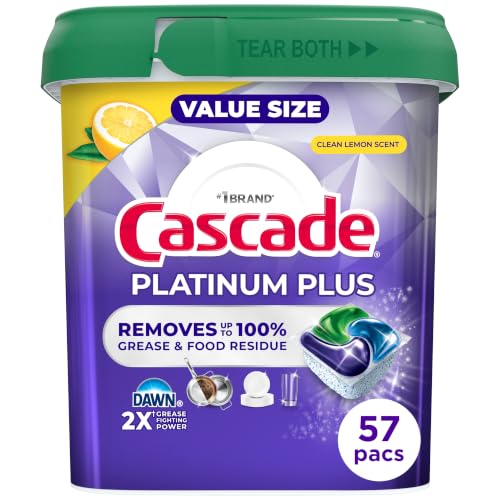 Cascade Platinum Plus Dishwasher Detergent Pods Dish Soap Lemon 57 Count
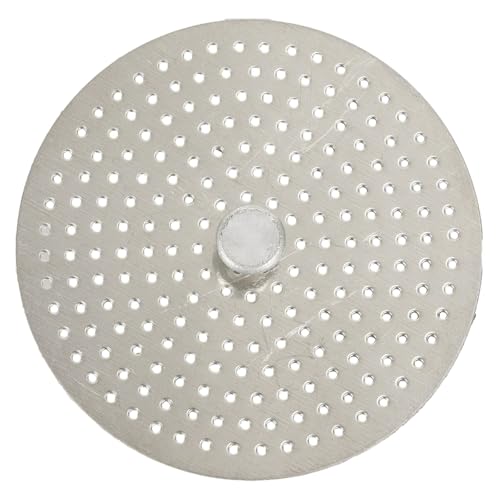 Stainless Steel Moka Pot Coffee Filter Disc for Espresso Brewing, Coffee Maker Replacement Filter Plate for Home Office Coffee Bar Cafe (FOR 4 Cups)
 Stainless Steel Moka Pot Pressed Powder Tool for 2 4 6 9 Cup Espresso Coffee Brewer(6 Cups)