You just finished making tea, the kettle is still warm, and you’re staring at the counter wondering where to put it so it doesn’t get scratched, dusty, or knocked over. Most people just shove it in a corner and hope for the best. That works until the base collects grime or you accidentally melt a plastic bag against the hot surface.
This guide covers the practical side of storing an electric kettle — where to put it, how to prep it, what to avoid, and how to keep it looking new. You’ll also get a few ideas for building a proper tea station so the kettle has a permanent home instead of a random spot.

Homode
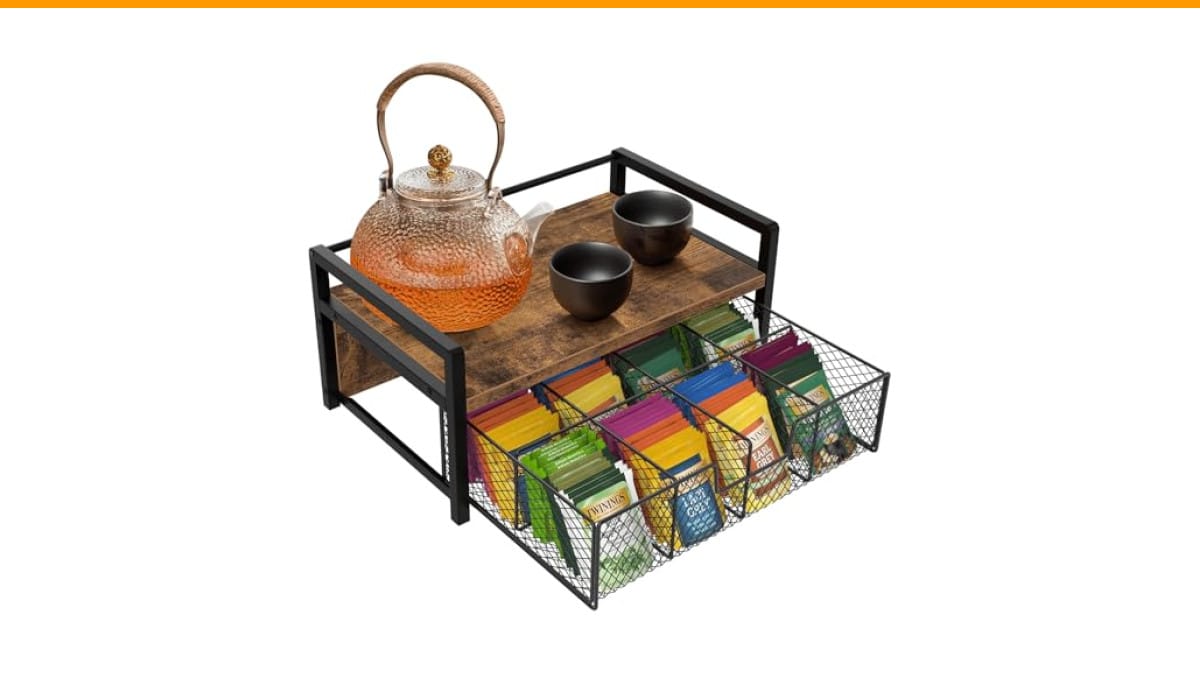
Homode Tea Bag Organizer, Wood Tea Organizers…
- Decorative Home Accent: The wooden tea bags holder features a sleek matte black metal frame paired with vintage wood grain, making…
- Spacious Organized Storage: This tea bag storage drawer has 8 generously sized compartments to neatly store and organize your tea…
- Top Tray Design: The tea storage box features a unique top tray with a protective enclosure, ideal for placing tea sets, cups, sug…
As an Amazon Associate I earn from qualifying purchases.
If you’re serious about keeping your tea setup organized, a dedicated storage piece helps more than you’d think. The Homode Tea Bag Organizer adds a wooden chest with eight compartments for tea bags plus a top tray for your kettle accessories — a practical way to keep everything in one place.
Before You Store: The 10-Minute Prep Routine
Storing a kettle without prepping it first is like putting away a damp towel. It’ll smell, grow stuff, and eventually look gross. Take ten minutes to do this:
- Empty all water. Tilt the kettle over the sink and let it drain completely. Even a tablespoon left inside can turn stale and affect the next boil.
- Dry the interior. Use a clean, lint-free cloth to wipe the inside. If you have a gooseneck kettle, use a long-handled brush or a paper towel rolled tight to reach the bottom.
- Wipe the exterior. Fingerprints and hard water spots come off easily with a damp microfiber cloth. Dry it immediately to prevent streaks.
- Inspect the cord and base. Look for fraying, mineral buildup on the heating plate, or any discoloration. If you see scale, descale it before storing — leaving it will make the buildup harder to remove later.
One thing people skip: leaving the lid open for a few hours after cleaning. Moisture needs to escape. Close the lid while the inside is still damp and you’re inviting mildew, especially if the kettle sits in a cabinet.
For a deeper clean, check our guide on how to clean a coffee maker properly — the descaling principles apply to kettles too.
Where to Store It: Countertop vs. Cabinet vs. Shelf
Your storage spot depends on how often you use the kettle. Daily users should keep it out. Weekly users can tuck it away. Here’s the breakdown:
Countertop (Daily Use)
Keep the kettle on a heat-resistant mat or trivet. This protects your counter from both heat and scratches. Leave at least 4 inches of clearance around the base for airflow — kettles generate heat even when off if they were recently used.
Place it away from the stove. Grease splatter settles on the exterior and bakes on, creating a sticky film that’s hard to remove. A corner near a power outlet but away from the sink is the sweet spot.
Cabinet (Weekly or Occasional Use)
If you store it in a cabinet, wrap the cord loosely around the base — never tightly. Tight wraps stress the wire and can eventually cause a short. Put the kettle in a cabinet that doesn’t sit directly above the dishwasher or oven; the heat and steam from those appliances can damage the kettle’s exterior over time.
Make sure the cabinet is dry. Check for any signs of dampness before putting the kettle away, especially if you live in a humid climate.
Open Shelf (Aesthetic Use)
An open shelf works if you want the kettle visible as part of your kitchen decor. Use a small tray under it to catch drips and protect the shelf surface. This is where a dedicated tea station setup shines — combine the kettle with a steam wand cleaning routine if you also have an espresso machine nearby.

Keep the kettle on a heat-resistant mat with clearance around the base.
What Not to Do: Common Storage Mistakes
Some habits are hard to break. Here are the ones that cost people money or ruin a perfectly good kettle:
- Never store with water in it. Stagnant water leads to scale buildup and, in some cases, bacterial growth. It also makes the next cup taste metallic.
- Don’t wrap the cord tightly. Loose loops only. Tight wraps kink the wire and create weak points that can fail.
- Avoid storing near heat sources. Sitting next to the toaster or oven exposes the kettle to constant heat, which can warp plastic parts and fade the finish.
- Skip the plastic bag. Trapped moisture inside a plastic bag creates a humid microclimate. Use a cloth bag or nothing at all.
- Don’t stack heavy items on top. The lid and spout are fragile. Stacking a cast iron pan on top of a stored kettle is a disaster waiting to happen.
One more thing: if you store the kettle upside down to drain it, make sure it’s completely cool first. Hot water dripping from the spout can scald you, and the residual heat can damage certain countertop materials.
Building a Tea Station That Makes Storage Obvious
The best storage solution is having a designated spot that looks intentional. A dedicated tea station solves the “where do I put this” problem permanently.
Start with a corner of your counter or a small cart. Put the kettle on one side, a tray for mugs in the middle, and a caddy for tea bags on the other. This layout keeps everything within arm’s reach while giving each item a clear home.
The Homode Tea Bag Organizer fits this setup well. Its eight compartments separate green, black, herbal, and chai without mixing. The top tray holds your sugar bowl or a small honey pot. It’s made from particleboard with a metal frame — not fancy hardwood, but it’s sturdy enough for daily use and wipes clean easily.
If you’re short on counter space, consider a wall-mounted shelf above your coffee maker. Just check the weight rating first — a full kettle weighs 3-5 pounds, plus water.

A dedicated tea station gives every item a clear home.
Storage Method Comparison
| Method | Best For | Pros | Cons | Prep Needed |
|---|---|---|---|---|
| Countertop (open) | Daily users | Always ready, easy access, looks nice | Collects dust, takes up counter space | Wipe exterior weekly |
| Cabinet (closed) | Weekly users | Protects from dust and grease, frees counter space | Needs dry environment, risk of cord damage | Full dry, loose cord wrap |
| Open shelf | Decor-focused users | Visible, easy to grab, part of the aesthetic | Exposed to dust, needs tray underneath | Dust regularly |
| Storage cart | Small kitchens | Mobile, flexible, can hold accessories | Takes floor space, can look cluttered | Keep organized, wipe surfaces |
Five Questions People Actually Ask About Kettle Storage
Is it safe to leave an electric kettle plugged in all the time?
It’s not dangerous with modern kettles that have auto-shutoff, but it’s wasteful. The standby circuit draws a small amount of power, and the base can accumulate dust that traps heat. Unplug it after use and store the cord loosely. This also prevents accidental activation if you have kids or pets.
Should I store the kettle with the lid open or closed?
Closed, after it’s completely dry. If you store it with the lid open, dust and grease settle inside the water chamber. That’s worse than any moisture issue. Just make sure it’s bone dry before closing the lid.
How do I store a gooseneck kettle without damaging the spout?
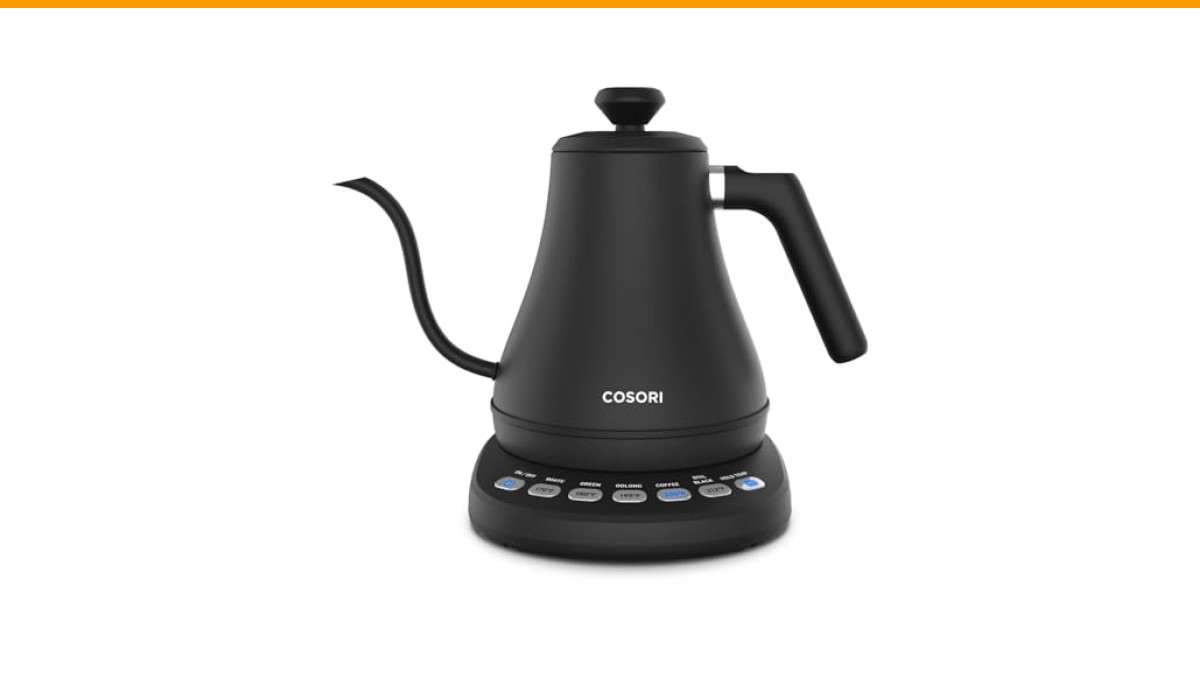
Gooseneck spouts are thin and bendable. Store the kettle with the spout facing a corner or against a flat surface that won’t catch it. Never hang it by the spout. If you have a pour-over setup, keep the kettle near your Chemex filter routine so you don’t have to move it far.
Can I store the kettle on its side to save space?
Technically yes, but it’s not recommended. Laying a kettle on its side means the residual water in the spout or lid area can’t drain properly. It can also put stress on the internal heating element. Stand it upright whenever possible.
How often should I descale a kettle that’s stored away?
Descale every 4-6 weeks if you use it daily. If it sits in a cabinet for weeks at a time, descale before the first use after storage. Mineral scale doesn’t go away on its own — it hardens and gets harder to remove. A quick vinegar or citric acid rinse does the job.
What to Remember When You Put the Kettle Away
These are the habits that keep a kettle working and looking good for years:
- Always drain and dry the interior before any storage longer than overnight.
- Wrap the cord loosely — never tight — to avoid wire damage.
- Keep it off the stove and away from grease splatter.
- Use a heat-resistant mat on the countertop to protect both surfaces.
- Descale regularly, especially if you have hard water.
- Give the kettle a dedicated spot — a tea station organizer makes this easy.
- Check the base and cord for wear every time you unpack it from storage.
Storage is about habit, not perfection. Once you build the routine, it takes thirty seconds to put the kettle away properly. That’s a small price for a kettle that lasts.
Products related to this article
Sponsored / affiliate links. As an Amazon Associate I earn from qualifying purchases. I may earn additional commission from eligible campaigns.
 VOBAGA Coffee Mug Warmer with 15oz Mug Set, Electric Coffee Cup Warmer
 25W Electric Candle Warmer for Coffee Mugs, 75℃ Heating & Auto Shut-Off, Spill-Proof Desk Warmer for Beverages (Black)
 SOLUSTRE Electric USB Coffee Cup Warmer with Temperature Settings Portable Milk and Beverage Heating Coaster for Office Desk Small Lightweight Design Easy to Clean Surface Multi Functional