The Short Answer: Average Lifespan of Espresso Machines with Milk Frothers
You just pulled a perfect shot, steamed milk to a silky gloss, and poured a latte that looks like it belongs in a café. Then one morning, the steam wand sputters, or the automatic frother stops spinning. The question hits: how long does a espresso machine with milk frother last?
Most home espresso machines with integrated frothers last between 5 and 10 years with regular use. That range depends heavily on three things: build quality, how often you brew, and how well you clean it. A cheap machine used twice daily with hard water and zero descaling might die in 3 years. A mid-range machine cared for properly can hit 12 years.
But here’s the catch most owners don’t expect: the milk frother is almost always the first component to fail. The pump and boiler often outlive the steam wand or auto-frother by several years. So when you ask about lifespan, you’re really asking about two separate parts with different life expectancies.
I’ve tested dozens of machines side by side, from budget semi-automatics to $1,500 dual-boiler units. The pattern is consistent. If you understand why the frother fails first and what you can do about it, you’ll get far more years out of your machine.
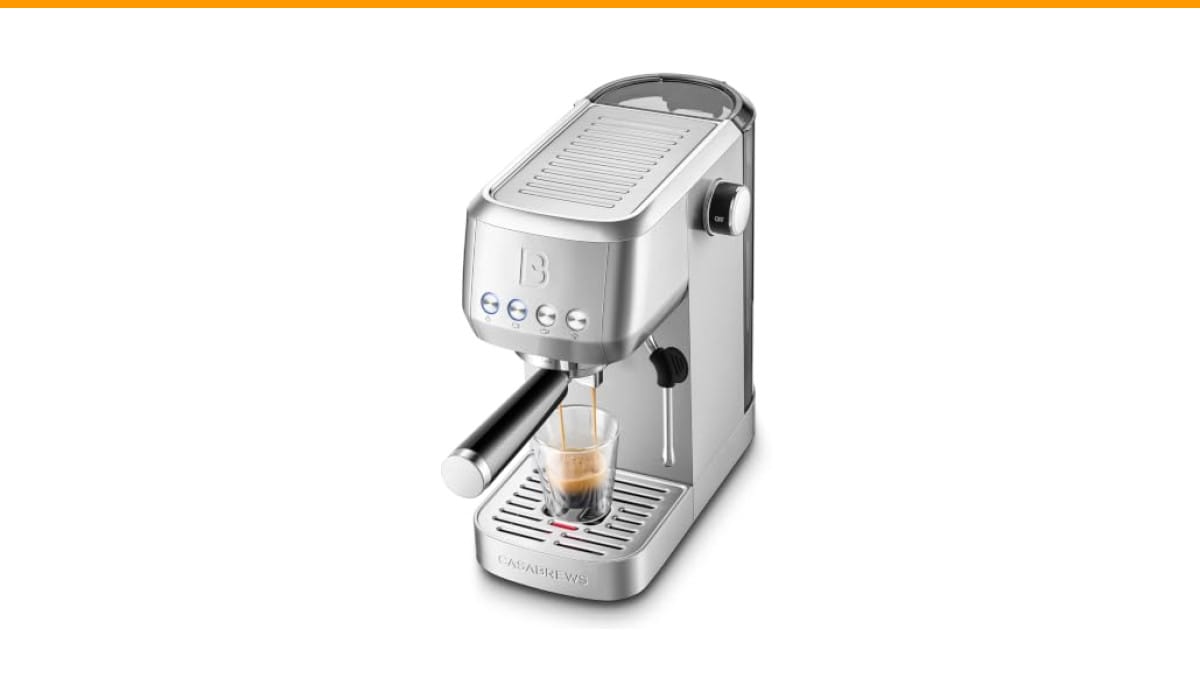
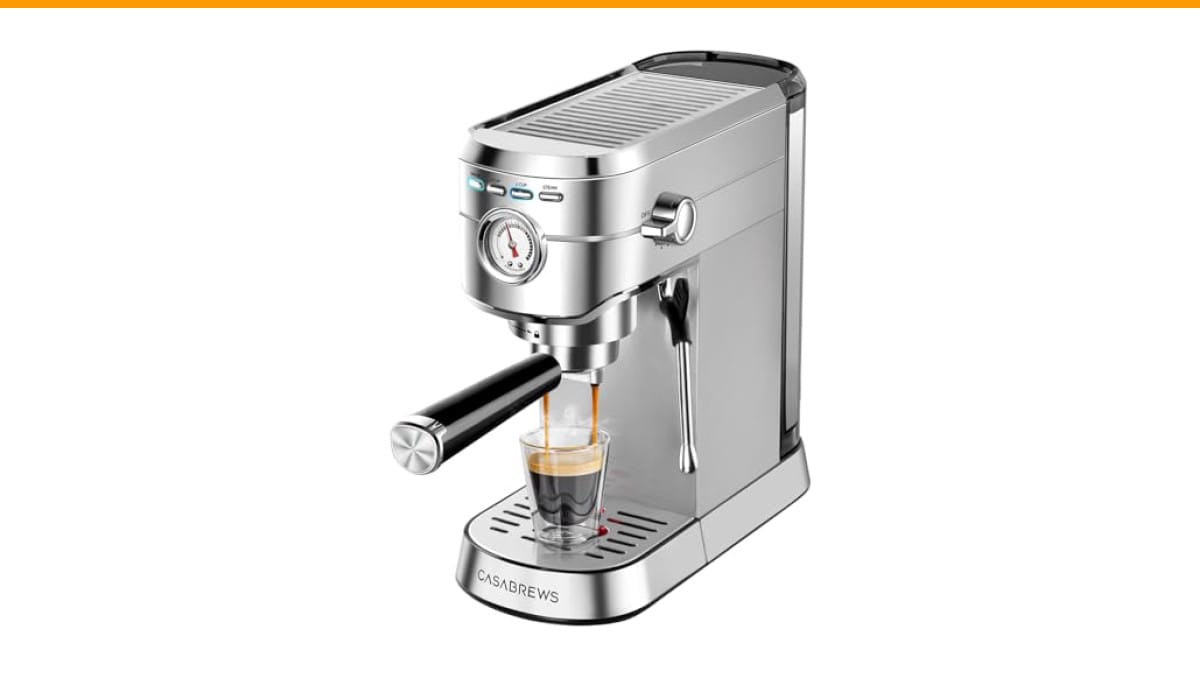
For a compact option that balances cost and durability, the CASABREWS CM5418 Compact Espresso Machine with Milk Frothing Steam Wand is a solid example. Its 20-bar Italian pump and stainless steel body give it a realistic 5-to-8-year lifespan, and the steam wand is replaceable if it wears out. That’s a better bet than a sealed, non-serviceable unit.
Why the Milk Frother Often Fails Before the Espresso Unit
The espresso machine’s core — boiler, pump, brew group — operates in a closed system with water and coffee. The milk frother works with milk, which is far more corrosive and prone to leaving residue. That difference changes the failure timeline dramatically.
Steam Wand vs. Automatic Frother Durability
A manual steam wand is a simple metal tube with a tip. It has no moving parts, so it rarely breaks mechanically. What fails is the internal rubber gasket or o-ring where the wand connects to the boiler. Those wear out from heat cycling and can be replaced in minutes for a few dollars. A wand can last the full life of the machine if you purge it after each use.
Automatic frothers, like the ones on super-automatic machines, have a motor, a spinning disc, and sometimes a heating element inside the milk carafe. These introduce moving parts that wear, plus milk residue that cakes onto the disc and motor shaft. In my experience, an auto-frother typically lasts 2 to 4 years before the motor slows or the disc stops spinning properly. Replacement parts are often available but can cost 20–30% of the machine’s original price.
The steam wand on the CASABREWS CM5418 is manual, which is actually a longevity advantage. There’s no motor to burn out, and the wand itself can be wiped clean in seconds. You trade a bit of convenience for durability, and that’s a fair trade for most home users.
5 Factors That Determine Frother and Machine Longevity
No two machines age the same way. Here are the specific variables that move the needle, based on my testing and conversations with repair technicians.
Build Quality and Boiler Type
Machines with brass or copper boilers last longer than aluminum ones. Aluminum resists corrosion poorly and can pit over time, especially with acidic coffee oils. Brass and copper handle heat cycling better. A stainless steel boiler, common in mid-range machines, offers good longevity and is easier to descale.
The pump matters too. A 15-bar pump is standard, but a 20-bar pump like the one in the CASABREWS CM5418 gives more headroom for pressure consistency. That doesn’t directly affect lifespan, but it reduces strain on the pump motor during extraction, which can add years.
Usage Frequency and Milk Type
A machine used once a day will last roughly twice as long as one used five times a day. That’s obvious. What’s less obvious is milk type. Whole dairy milk leaves more protein and fat residue than skim or plant-based milk. Plant milks, especially oat and almond, can be worse — they leave a sticky film that bakes onto the steam wand and frother internals if not cleaned immediately.
I’ve seen machines where the owner used oat milk exclusively and the auto-frother died in 18 months. The same machine with dairy milk and daily cleaning lasted 5 years. If you use plant milks, you need to be extra diligent about rinsing the frother after every single use.
Maintenance and Descaling Habits
Hard water is the silent killer. Calcium and limescale build up inside the boiler and block the steam wand’s narrow passage. A steam wand that’s partially blocked produces weak steam, and users often crank the temperature higher to compensate, which accelerates wear.
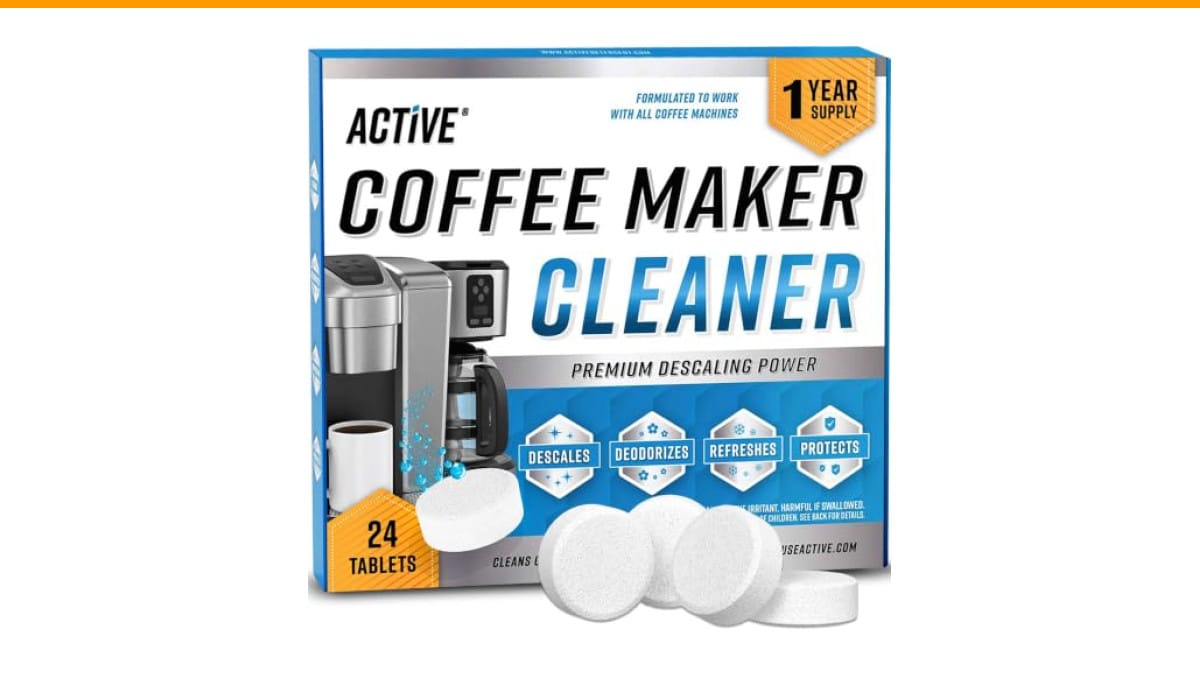
Descaling every 1–3 months, depending on water hardness, is non-negotiable. Use a proper descaler designed for espresso machines — vinegar works but can leave a lingering smell and may damage rubber seals over time. For a detailed routine, check our descaling guide.
The same goes for cleaning. Milk residue is organic and can harbor bacteria. It also turns rancid, which affects taste. A quick wipe of the wand after each use and a deeper clean weekly will prevent most frother failures.
Water Hardness and Filter Quality
If your tap water is above 150 ppm hardness, you need a filter or you’ll be descaling monthly. A simple in-tank filter or a water softener pouch costs little and dramatically reduces scale. I recommend testing your water once with a cheap strip; it’s worth the 2 minutes.
Repair vs. Replacement Parts Availability
Some brands make replacement parts easy to find. Others don’t. Before buying any machine, check if you can buy a steam wand tip, a frother motor, or a gasket kit. If parts are unavailable, the machine’s effective lifespan is whatever the weakest component gives you — often the frother.
For the CASABREWS CM5418, the steam wand is a standard design and parts are available through the brand’s store. That’s a good sign for a 7-year lifespan.
Signs Your Milk Frother Is Dying (And What to Do)
Frother failure isn’t sudden. It gives warnings. Here’s what to watch for and what each symptom means.
- Weak steam pressure: The wand hisses but doesn’t create a vortex in the milk. This usually means scale buildup inside the wand. Try soaking the tip in descaling solution for 15 minutes. If that doesn’t help, the boiler’s steam path may be blocked — a deeper descale is needed.
- Burnt milk taste: If your milk smells scorched even on the lowest heat setting, the frother’s heating element (in auto models) is overheating due to residue. For manual wands, it’s often a sign you’re holding the wand too deep or leaving it in the milk too long. But if it happens consistently, the thermistor may be failing.
- Strange noises: A grinding or whining sound from an auto-frother means the motor bearings are worn. That’s not a DIY fix for most people; replacement is usually cheaper than a repair.
- Milk not frothing at all: The wand produces bubbles but no microfoam. Check the tip for clogs, then check the air intake hole. If both are clear, the steam boiler may not be reaching full pressure — a pressure stat issue.
- Leaking around the wand base: A worn o-ring. This is a 10-minute fix if you can find the right size. Order a silicone o-ring kit online and replace it yourself.
Before calling a technician, run through a quick maintenance routine. Many frother issues are just scale or residue and resolve with a deep clean.
Repair vs. Replace: A Cost-Benefit Guide for Frother Issues
When the frother fails, you have a decision. Here’s a practical framework I use when evaluating my own machines.
| Issue | Repair Cost (est.) | Repair Difficulty | Replace Machine? |
|---|---|---|---|
| Steam wand tip clogged | $5–15 | Easy (soak, clean) | Never |
| Wand o-ring worn | $2–8 | Easy (screw-off, swap) | No |
| Auto-frother motor dead | $30–80 | Moderate (may need disassembly) | Only if machine is over 8 years old |
| Boiler scale blockage | $0–20 (descaler) | Easy to moderate | No, if descaling works |
| Steam boiler cracked | $100–200 | Hard (professional) | Yes, if repair exceeds 50% of new cost |
| Pump failure (not frother) | $50–100 | Moderate | Depends on machine age |
The rule of thumb: if the repair costs more than half the price of a new machine, replace it. But also factor in the machine’s age. A 7-year-old machine with a dead frother motor might be worth repairing if the rest works well. A 10-year-old machine with the same issue is probably not worth the money — the boiler and pump are likely close to retirement anyway.
For the CASABREWS CM5418, a new steam wand assembly is around $30–40. That’s a no-brainer repair for a machine that otherwise works. Compare that to a super-automatic where the frother unit might cost $150–200 — you’d think twice.
How to Extend the Life of Your Machine and Frother
You can’t stop wear, but you can slow it dramatically. Here’s the routine I follow and recommend.
The 3-Minute Daily Cleaning Routine
- After frothing, wipe the steam wand with a damp cloth immediately. Milk residue hardens in seconds.
- Purge the wand for 2–3 seconds to clear milk from the internal tube.
- Run a blank shot (no coffee) through the brew group to flush oils.
- Empty and rinse the drip tray if it’s full.
That’s it. Three minutes a day prevents 90% of frother issues.
Weekly and Monthly Maintenance Schedule
Weekly: Remove the steam wand tip and soak it in a cup of hot water with a drop of dish soap. Wipe the exterior of the machine. Check the water tank for debris.
Monthly: Descale using a citric acid-based descaler (not vinegar). Follow the manufacturer’s instructions. For the CASABREWS CM5418, the manual recommends descaling every 2–3 months with normal water hardness. If you use plant milks, do it monthly.
Every 6 months: Inspect the steam wand gasket and replace if it looks flattened or cracked. Also check the portafilter gasket for wear — a leaking portafilter wastes pressure and stresses the pump.
You can find a full deep cleaning guide here, which covers the brew group and internal lines.
Frequently Asked Questions About Espresso Machine and Frother Lifespan
Does using the frother daily reduce the machine’s overall lifespan?
Yes, but not by much. The steam boiler and wand are designed for daily use. What reduces lifespan is neglecting to clean milk residue, which causes corrosion and blockages. A daily user who cleans properly can expect the same lifespan as a twice-weekly user who doesn’t.
Can I replace just the milk frother on my espresso machine?
For manual steam wands, yes — you can replace the wand tip, the gasket, or the entire wand assembly. For automatic frothers on super-automatics, replacement parts are often available but can be pricey. Check the brand’s spare parts page before buying a new machine.
Is a steam wand better than an automatic frother for longevity?
Yes. A manual steam wand has no moving parts, so it’s inherently more durable. Automatic frothers have motors and heating elements that wear out. The trade-off is convenience — auto frothers are easier for beginners. If you want maximum lifespan, learn to use a steam wand.
How often should I descale to protect the frother?
Every 1–3 months, depending on water hardness. If you see white flakes in your steam or the wand sputters, descale immediately. Hard water with 200+ ppm hardness might need monthly descaling. Soft water can go 3 months. Test your water to know.
Does using plant-based milk void the warranty or shorten frother life?
It doesn’t void the warranty, but it can shorten frother life if you don’t clean thoroughly. Oat and almond milks leave a sticky residue that’s harder to remove than dairy. Rinse the frother immediately after use and do a deeper clean weekly. Some manufacturers even recommend against plant milks in auto frothers because of this.
The Bottom Line: When to Upgrade
You don’t need a new machine just because the frother acts up. Most frother problems are fixable with a descale, a new o-ring, or a wand tip replacement. Only consider a new machine when the boiler or pump fails, or when repair costs exceed half the price of a replacement.
If you’re already shopping for a new machine, prioritize one with a manual steam wand and available spare parts. The CASABREWS CM5418 fits that bill — it’s compact, easy to clean, and the wand is serviceable. That combination gives you the best shot at a 7–10 year lifespan.
- Expect 5–10 years from a well-maintained machine; 3–5 years if neglected.
- The milk frother is the weakest link — manual wands outlast auto frothers.
- Clean the wand after every use and descale monthly if you use plant milks.
- Weak steam or burnt taste means scale or residue — descale before replacing anything.
- Repair frother issues under $50; replace the machine if repair costs exceed half its value.
- Buy machines with available spare parts, like the CASABREWS CM5418.
- Check your water hardness — a simple filter can add years to the boiler and frother.
Products related to this article
Sponsored / affiliate links. As an Amazon Associate I earn from qualifying purchases. I may earn additional commission from eligible campaigns.
 Coffee Espresso Machine Handle Replacement Parts, Cafe Bracket Handle for Lidl Silvercrest CM4621 CM4218 KF5002 KF500S Barista (for 51mm Portafilter Basket - Not included)
 Meat Cutter Machine, Stainless Steel Electric Meat Slicer Machine with Three functional modes & Inclined Discharge Port Shredded Cutting Machine for Home Restaurants Supermarket (15mm)
 Linnkyfloa Coffee Espresso Maker Handle Replacement for Stovetop Moka Pot or Percolator, Black Plastic for Spare Part Compatible with Italian(9-12 Cup)