You just bought an electric kettle, or maybe you’ve had one for months but still aren’t sure if you’re doing it right. The first time I used one, I filled it to the max line, hit the switch, and walked away. When it clicked off, the water was boiling hard, which is fine for black tea but a disaster for pour-over coffee. That was my first lesson: an electric kettle is not a one-button appliance. It has settings, limits, and a few quirks you should know about.
This guide covers the full process—from choosing the right water level to cleaning the mineral scale that builds up over time. You’ll also learn what not to do, like boiling the same water twice or ignoring the limescale that ruins the taste of your drinks. By the end, you’ll use your kettle faster, safer, and with better results than most people.
Cosori
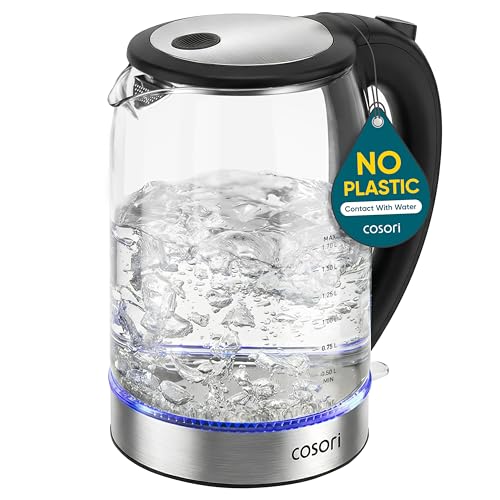
Cosori Electric Kettle, No Plastic Contact with…
- No Plastic Contact with Your Water——With no plastic inside, water never touches plastic, ensuring a pure taste and safer drinking…
- Faster Than a Stovetop Kettle——Heats 0.5L (2 Cups) water in under 3 minutes for less wait time
- Easy to Clean——Wide mouth and large-angle lid lets you reach every corner with ease
As an Amazon Associate I earn from qualifying purchases.
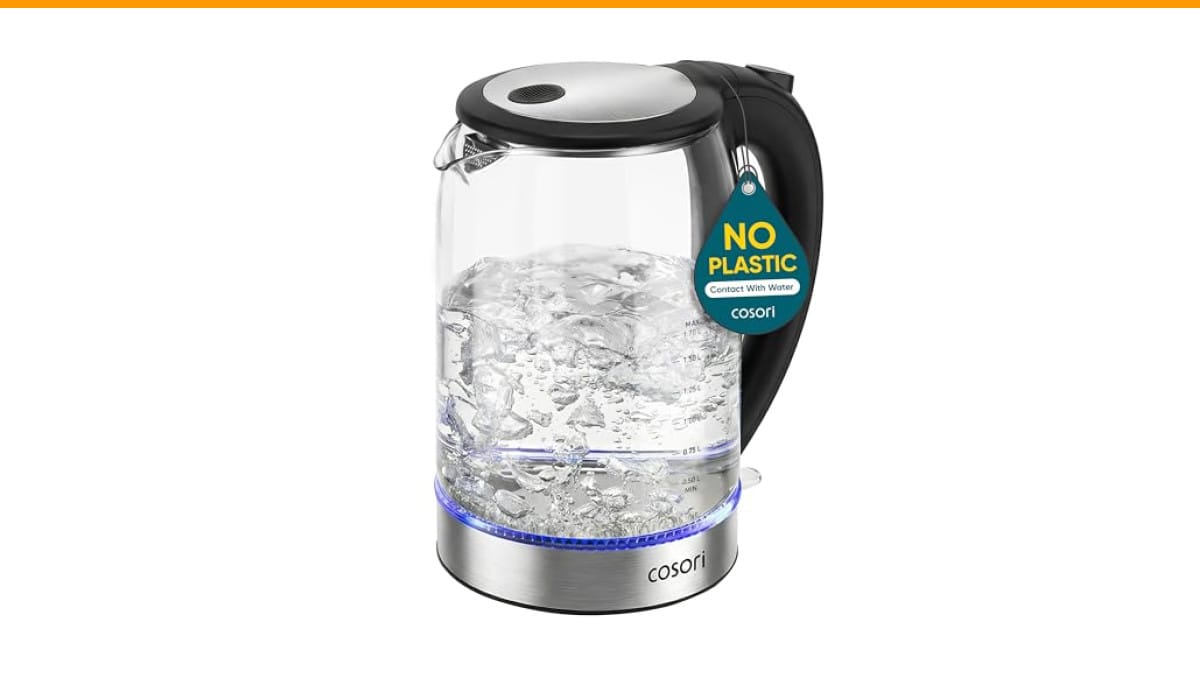
If you’re in the market for a new kettle, the Cosori Electric Kettle is a solid option. It has no plastic contacting the water, which means your water won’t pick up that faint plastic taste some cheaper kettles leave behind. It also heats 0.5 liters in under three minutes and has a wide mouth that makes cleaning genuinely easy.
Myth 1: You Should Always Fill the Kettle to the Max Line
The max line exists for a reason, but it’s not a target. It’s a ceiling. Filling to the max every time wastes electricity and time, especially if you only need one cup. Most kettles take 1.5 to 1.7 liters, but a single mug of tea needs about 0.35 liters. Heating a full kettle for one cup can take twice as long and uses more energy than needed.
The right approach is to fill only what you’ll use. Most kettles have minimum and maximum marks inside. Stay between them. If you’re boiling for a French press or pour-over, measure your water first. For a standard 12-ounce mug, fill to about 0.4 liters. That’s enough for the drink plus a little extra to warm the vessel.
Myth 2: More Watts Always Means Faster Boiling
Watts matter, but they’re not the whole story. A 1500-watt kettle will boil faster than an 1100-watt one, but only if the kettle is well-insulated and the base makes good contact. I’ve tested kettles where the wattage seemed high but the water took forever because the heating element was poorly designed. The real-world difference between a good 1200-watt and a mediocre 1500-watt kettle is often under a minute.
What matters more is the kettle’s insulation. A double-wall kettle keeps heat inside, so the water reaches a rolling boil faster and stays hot longer. Single-wall kettles lose heat through the metal sides, especially if they’re stainless steel. If you’re choosing between two kettles with similar wattage, pick the one with thicker walls or a vacuum-insulated design.
For reference, a typical 1500-watt kettle boils 1 liter of room-temperature water in about 4 to 5 minutes. A 1000-watt one takes maybe 6 to 7 minutes. The difference is noticeable but not dramatic. If you’re in a rush, boil less water—that’s the real time-saver.
How to Use an Electric Kettle: Step-by-Step for Different Drinks
Using an electric kettle is simple, but the details change depending on what you’re brewing. Here’s how I do it for three common scenarios.
For Black Tea or Herbal Tea
- Fill the kettle with fresh, cold water to the level you need. Don’t use hot tap water—it can contain more dissolved minerals and may taste flat.
- Boil to a full rolling boil. Black tea and herbal blends need 100°C (212°F).
- Pour immediately over the tea bag or leaves. Let it steep for 3 to 5 minutes, depending on the blend.
For Green or White Tea
- Heat water to about 80°C (176°F), not a full boil. Many electric kettles have temperature presets. If yours doesn’t, boil the water and let it sit for 2 to 3 minutes before pouring.
- Use a thermometer if you have one. Guessing often leads to bitter tea.
- Steep for 2 to 3 minutes.
For Pour-Over Coffee
- Boil water to 90–96°C (195–205°F). A gooseneck kettle is best for control, but a regular kettle works if you pour slowly.
- Rinse the coffee filter with hot water to remove paper taste and warm the brewer.
- Pour in stages: bloom first (about 50 ml), then add the rest in a slow spiral.
Common Mistakes and How to Avoid Them
Most people use an electric kettle without reading the manual. That leads to a few predictable mistakes. Here are the ones I see most often.
- Boiling the same water twice. Reboiling water concentrates minerals and can make tea taste flat. Always start with fresh water.
- Overfilling. Water expands when it boils. If you fill to the rim, it can sputter out the spout and make a mess. Keep the water below the max line.
- Ignoring limescale. Hard water leaves white deposits inside the kettle. That scale insulates the heating element, making it work harder and boil slower. It also flakes into your drinks. Descale every 2 to 4 weeks if you have hard water.
- Not cleaning the lid. The lid traps steam and mineral residue. Wipe it down regularly, or you’ll get a funky smell.
Electric Kettle vs. Stovetop Kettle vs. Microwave
People often ask whether an electric kettle is worth it when they already have a stove and a microwave. Here’s a quick comparison based on my own testing.
| Method | Time to Boil 1 Liter | Energy Use | Control | Best For |
|---|---|---|---|---|
| Electric Kettle | 3–5 minutes | Low (heats only the water, not the room) | Good (temperature presets on many models) | Tea, coffee, quick hot water |
| Stovetop Kettle | 5–8 minutes | Higher (losses heat to the room) | Limited (you have to watch it) | Large batches, camping |
| Microwave | 4–6 minutes | Similar to electric, but less consistent | Poor (uneven heating, risk of superheating) | Small amounts, no other option |
Electric kettles win on speed and convenience for most home use. The only reason to pick a stovetop kettle is if you want a whistling alarm or you’re off-grid. Microwaves are fine for a single cup but risky for larger amounts—water can superheat and erupt when you take it out.
Cleaning and Descaling Your Electric Kettle
If you live in an area with hard water, your kettle will develop a white crust within weeks. That’s calcium carbonate. It’s not dangerous, but it makes your water taste chalky and slows down boiling.
To descale, fill the kettle halfway with equal parts water and white vinegar. Boil it, then let it sit for 30 minutes. Pour it out and rinse thoroughly. For heavy scale, use a descaling solution or citric acid powder—follow the package instructions. I prefer vinegar because it’s cheap and I always have it on hand.
After descaling, boil a full kettle of clean water and discard it. That removes any lingering vinegar smell. The inside should look like new.
Clean the exterior with a damp cloth. Don’t submerge the kettle in water—the base and electrical connections aren’t waterproof.
Frequently Asked Questions
Can you boil milk in an electric kettle?
No. Milk burns easily and will leave a stubborn residue on the heating element. It can also damage the thermostat. If you need hot milk, heat it in a saucepan or use a milk frother.
Is it safe to leave an electric kettle plugged in when not in use?
It’s safe as long as the kettle is off and the cord isn’t damaged. But for peace of mind and to save standby power, unplug it after use. Some kettles have a standby indicator light that draws a small amount of electricity.
Why does my kettle smell like plastic?
New kettles often smell like plastic from the manufacturing process. Boil a full kettle of water and discard it two or three times before your first use. If the smell persists, it may be a low-quality kettle—consider a model with no plastic in the water path, like the Cosori mentioned earlier.
How long does an electric kettle last?
Typically 3 to 5 years with regular use. Descaling regularly and not overfilling will extend its life. If the kettle starts taking much longer to boil, it’s probably time to descale or replace it.
Can I use an electric kettle to heat water for baby formula?
Yes, but let the water cool to the recommended temperature (usually around 70°C or 158°F) before mixing. Never use boiling water directly—it can burn the baby and destroy nutrients in the formula. Check the formula packaging for exact instructions.
What to Remember When Using Your Kettle
- Fill only what you need—less water means faster boiling and lower energy bills.
- Use fresh cold water each time. Reboiling changes the taste.
- Match the temperature to the drink: 100°C for black tea, 80°C for green, 90–96°C for coffee.
- Descale every 2–4 weeks if you have hard water. Vinegar works fine.
- Never fill past the max line, and never boil milk or other liquids.
- Wipe the lid and exterior regularly to keep it clean and odor-free.
- Unplug when not in use to save standby power and reduce risk.
Using an electric kettle is easy once you understand the basics. With a little care, it will serve you for years. If you’re looking for a reliable model, the Cosori kettle is worth considering—especially if you care about avoiding plastic in your water. For more kitchen tips, check out our guide on cleaning your coffee maker or learn how to maintain your steam wand for better espresso.
Products related to this article
Sponsored / affiliate links. As an Amazon Associate I earn from qualifying purchases. I may earn additional commission from eligible campaigns.
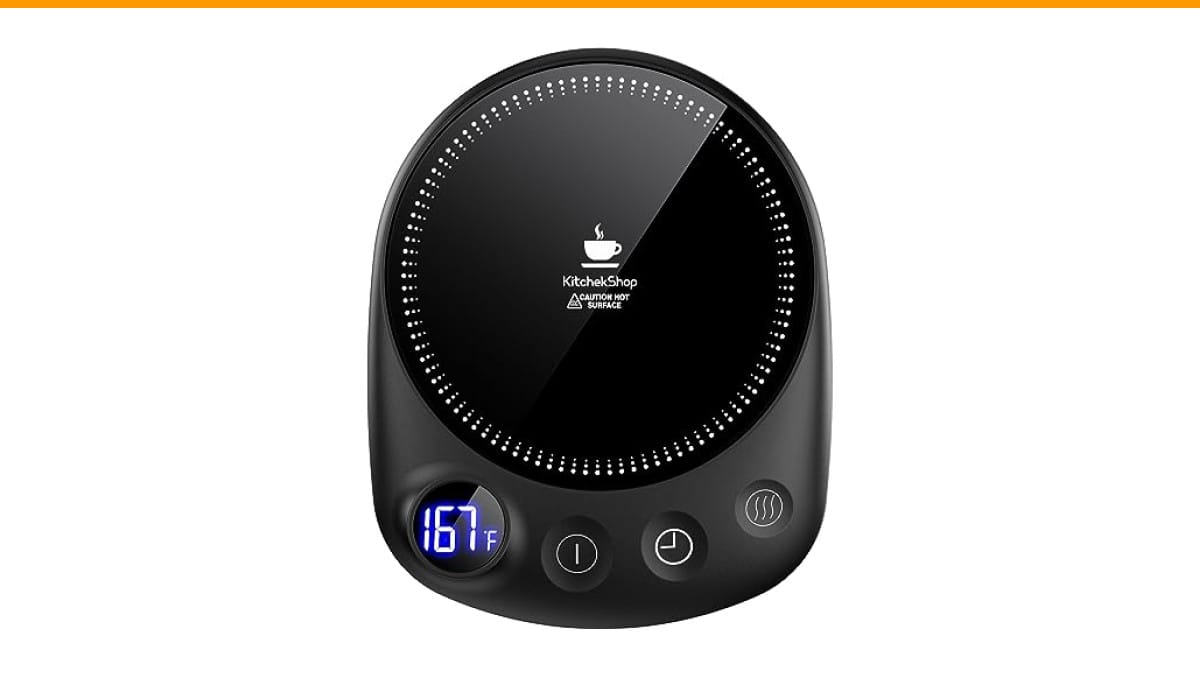
 Coffee Mug Warmer & You are Awesome Mug Set, Electric Cup Warmer for Desk
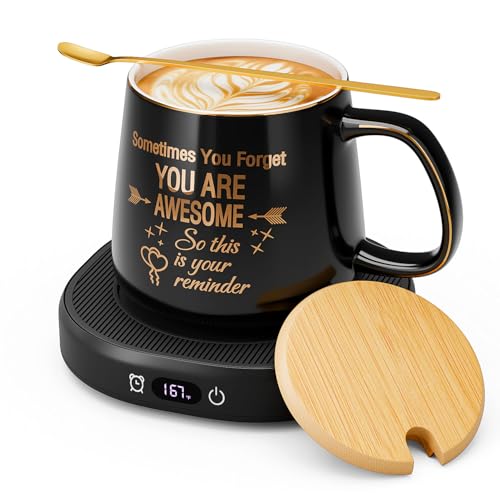 Coffee Mug Warmer & You are Awesome Mug Set, Electric Cup Warmer for Desk
 SOLUSTRE Electric USB Coffee Cup Warmer with Temperature Settings Portable Milk and Beverage Heating Coaster for Office Desk Small Lightweight Design Easy to Clean Surface Multi Functional