You just dialed in a perfect shot, but the crema looks thin and the flavor has a bitter bite. Your grinder is clean, your beans are fresh, and your technique hasn’t changed. The culprit is likely the water. Many home baristas ask if they can use filtered water in an espresso grinder, but that question misses the mark. Grinders don’t touch water. The water goes into the machine, and that’s where the chemistry happens.
This guide clears up the grinder confusion and walks you through what filtered water actually does for your espresso machine. You’ll learn the exact mineral specs your water needs, which filtration methods deliver them, and how to test and adjust your water at home. You’ll also see a cost breakdown so you can pick the strategy that fits your budget.

possiave
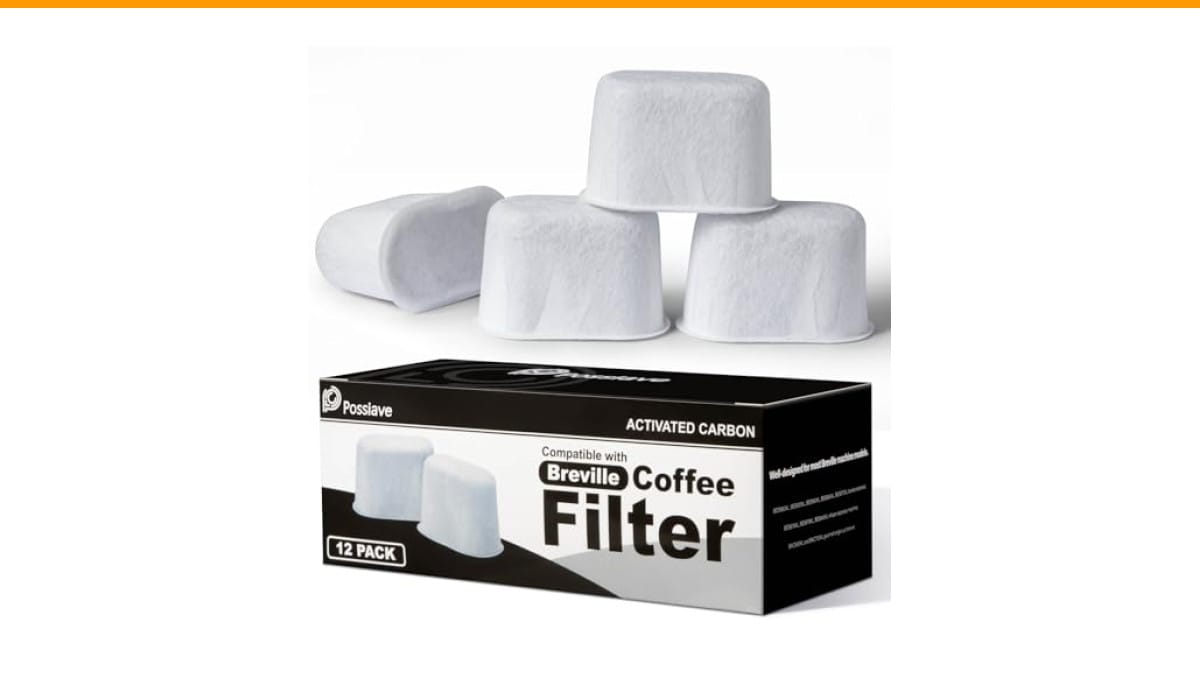
Possiave 12-Pack Water Filters Compatible with Breville…
- SUITABLE FOR MOST OF BREVILLE MACHINES - Well -designed for all Breville machine models: BES980XL, BES920XL, BES900XL, BES860XL, B…
- IMPROVE FLAVOR - Filter out chlorine, calcium, bad odors and impurities with purest coconut shell charcoal. The pore structure and…
- CONVENIENT TO STORAGE - For convenient storage, we provide individual package for each two water filters, which can also keep othe…
As an Amazon Associate I earn from qualifying purchases.
If you own a Breville machine, a simple swap of the in-tank filter is often the easiest first step. The Possiave 12-Pack Water Filters Compatible with Breville BWF100 Machines replace the stock filter and keep your reservoir clean without a plumbed-in system.
Quick Answer: Can You Use Filtered Water in an Espresso Grinder?
No. An espresso grinder has no water reservoir, no pump, and no heating element. It only grinds dry coffee beans. Putting water in a grinder will ruin the burrs and clog the chute. The question usually comes from someone who means to ask about the espresso machine but typed ‘grinder’ out of habit.
So the real question is: can you use filtered water in your espresso machine? The answer is yes, but only if the filter leaves the right minerals behind. Plain filtered water from a pitcher might not be enough, and distilled water will actually damage your machine over time.
Why the Question Misses the Point (Grinder vs. Machine)
The grinder and the machine have completely different needs. Your grinder cares about bean moisture, static, and clumping, not water chemistry. But water quality indirectly affects your grinder because scale buildup in the machine can cause pressure fluctuations, which changes extraction and makes you chase your grind setting.
Here’s how water quality touches the grinder:
- Humidity: Water left near the grinder or in an open hopper adds moisture to beans, making them clump and stick to the burrs.
- Static: Dry, low-humidity environments cause more static electricity, which makes grounds fly everywhere and stick to the chute.
- Hopper storage: Keep beans in an airtight container away from steam rising off the machine. Moisture degrades beans faster.
If your machine is scaling up internally, you’ll notice your shots running faster or slower over time. You’ll adjust the grinder to compensate, then the scale shifts again. That’s the hidden connection between water and your grinder.
What Filtered Water Actually Does for Your Espresso Setup
Impact on Extraction and Flavor
Water is 98% of your espresso shot. The minerals in it act as a buffer during extraction. Calcium and magnesium pull flavor compounds out of the coffee grounds. Without them, extraction is flat and sour. With too many, extraction is overdone and bitter.
Chlorine is the enemy here. It leaves a plastic or swimming-pool taste in the cup. A basic activated carbon filter removes chlorine and improves flavor noticeably. But carbon filters don’t remove hardness minerals, so you still need to manage calcium and magnesium levels.
Impact on Machine Longevity and Scale
Hard water leaves scale on your boiler, heating element, and valves. Scale acts as an insulator, so your machine works harder to heat water. This shortens the life of the heating element and eventually causes leaks. Descaling helps, but it’s a reactive fix. Starting with the right water is proactive.
Soft water with zero minerals is also bad. Without dissolved solids, water becomes aggressive and can corrode metal parts, especially brass and copper boilers. You need a balanced mineral profile, not pure water.
The Ideal Water Specs for Espresso (With Numbers)
The Specialty Coffee Association publishes a water standard that most baristas follow. Your filtered water should hit these targets:
- TDS (Total Dissolved Solids): 150 mg/L, with an acceptable range of 75–250 mg/L
- Alkalinity: 40 mg/L as CaCO3, range of 30–70 mg/L
- Hardness (GH): 100–150 mg/L as CaCO3
- pH: 6.5–7.5
- Sodium: Less than 10 mg/L
- Chlorine: 0 mg/L
You don’t need lab-grade precision at home. A simple TDS meter costs about $15 and tells you if your water is in the ballpark. If your TDS reads below 75, your water is too soft. If it reads above 250, you’re risking scale.
Filtered Water Types: Pitcher, In-Tank, RO, and Distilled
Pitcher Filters (Brita-style): What They Do and Don’t Do
A standard pitcher filter uses activated carbon to remove chlorine, bad odors, and some sediment. It does not soften water or remove significant calcium. If your tap water is moderately hard, a pitcher filter will improve taste but won’t prevent scale.
Pitcher filters are fine for entry-level machines or if you descale regularly. They’re cheap and easy. Just replace the cartridge every two months, or the filter becomes a breeding ground for bacteria.
In-Tank Softeners and Ion Exchange
These are the filters that sit inside your machine’s water reservoir, like the ones Breville uses. They use ion exchange resin to swap calcium and magnesium ions for sodium or potassium ions. This softens the water and reduces scale.
The trade-off is that ion exchange can lower hardness too much, leaving your water flat for extraction. Some in-tank filters add back a small amount of minerals to balance this. They typically last one to two months, depending on water hardness.
RO + Remineralization: The Consistency-First Approach
Reverse osmosis systems remove nearly everything from water, down to a TDS of 5–10 mg/L. That’s too pure for espresso. You must add minerals back to reach the 150 mg/L target.
You can buy a remineralization cartridge or mix RO water with a small amount of tap water. A common recipe is 1 part tap water to 10 parts RO water, but you’ll need a TDS meter to dial it in. This approach gives you total control and the most consistent shots, but it costs more upfront.
How to Test and Adjust Your Filtered Water at Home
Follow these steps to get your water right without overthinking it:
- Test your tap water. Use a TDS meter to get a baseline reading. Write it down.
- Test your filtered water. Run the same meter on your pitcher or in-tank filtered water. Compare the numbers.
- Check hardness. Use a water hardness test strip that measures GH and KH. You want GH around 100–150 mg/L and KH around 40–70 mg/L.
- Adjust if needed. If TDS is too high, dilute with distilled water. If it’s too low, add a pinch of Epsom salt (magnesium sulfate) or a commercial mineral blend.
- Re-test after 24 hours. Let the water sit and re-test to confirm the minerals dissolved fully.
Pro tip: don’t chase perfection on your first try. Get your water into the acceptable range, pull a shot, and taste it. Adjust in small increments. The difference between 120 and 150 TDS is subtle.
Cost Comparison: Filtered Water Solutions Over 12 Months
Here’s a realistic cost breakdown for a home setup pulling two shots per day. Prices vary by brand, so check current rates before buying.
| Method | Upfront Cost | Replacement Cost | Total Year 1 | Scale Protection | Flavor Quality |
|---|---|---|---|---|---|
| Pitcher filter (Brita-style) | $25–$40 | $30–$50 per year | $55–$90 | Poor | Good (removes chlorine) |
| In-tank softener (Breville-style) | $15–$25 per pack | $40–$80 per year | $55–$105 | Good | Good to very good |
| Countertop RO + remineralization | $150–$300 | $50–$100 per year | $200–$400 | Excellent | Excellent (consistent) |
| Distilled + minerals (DIY) | $10–$20 | $60–$120 per year | $70–$140 | Excellent | Very good (requires mixing) |
| Bottled spring water | $0 | $150–$300 per year | $150–$300 | Variable | Variable by brand |
The in-tank softener is the best balance of cost and convenience for most home users. RO systems win if you’re a perfectionist and want zero guesswork.
Common Water Mistakes That Ruin Espresso (and How to Avoid Them)
Three mistakes show up constantly in home setups. Avoid these and you’ll save yourself a lot of frustration.
Mistake 1: Using distilled water straight. Distilled water has no minerals, so extraction is weak and sour. It also leaches metals from your boiler. Always remineralize distilled water before using it.
Mistake 2: Ignoring the filter replacement schedule. A clogged filter slows water flow, which messes with your brew pressure. Mark the date on the filter housing or set a reminder on your phone. Most filters last 60 days, not forever.
Mistake 3: Leaving water in the reservoir for weeks. Stagnant water grows bacteria and algae. Empty and refill your reservoir every few days, especially in warm weather. This is also a common cause of automatic espresso machine leaking water issues, as clogged lines force pressure back through seals.
Also, never pour coffee grounds down the sink, even if you use filtered water. The oils and fines clog your plumbing over time. Check out our guide on coffee grounds disposal for safer options.
FAQ: Filtered Water, Grinders, and Espresso Machines
Can I use bottled spring water in my espresso machine?
Yes, but read the label. Some spring waters have TDS over 300 mg/L, which will scale your machine quickly. Look for a brand with TDS between 100 and 200 mg/L. If the label doesn’t list TDS, contact the bottler or test it yourself.
Does filtered water make my espresso taste better?
It can. Removing chlorine alone eliminates a plastic or chemical aftertaste. The right mineral balance also brightens acidity and adds body. If your water is already soft and clean, you might not notice a huge difference. If your tap water is hard or chlorinated, the change is dramatic.
How often should I replace my espresso machine’s water filter?
Most manufacturers recommend every 60 days or after 300 liters of water, whichever comes first. Hard water shortens that window. If you notice slower flow or a change in taste, replace it early.
Is it safe to use water from a refrigerator dispenser?
Usually yes, but check the filter type. Many fridge filters only remove chlorine and sediment, not hardness. Test the TDS of your fridge water before using it. If it’s over 250 mg/L, you still risk scale.
Can I descale my machine instead of using filtered water?
You can, but descaling is a maintenance chore, not a substitute for good water. Descaling agents are acidic and can wear down seals and gaskets over time. Using properly filtered water reduces how often you need to descale, extending the life of your machine.
Final Verdict: The Best Filtered Water Strategy for Your Budget
Here’s what you should do based on your situation:
- Start with a TDS meter and a hardness test strip. Know your baseline before spending money.
- If you own a Breville, replace the in-tank filter with a compatible pack like the Possiave 12-pack. It’s the lowest-effort win.
- If your tap water is hard (over 150 mg/L GH), add a pitcher filter or in-tank softener to reduce scale.
- If you’re chasing competition-level consistency, invest in an RO system with a remineralization stage.
- Never use distilled or RO water without adding minerals back.
- Replace your filter on a schedule, not when you remember.
- Empty your reservoir every few days and keep your grinder hopper sealed away from steam.
The grinder question is a dead end, but the water question is the single most impactful upgrade you can make to your espresso routine. Fix your water, and your machine will thank you for years.
Products related to this article
Sponsored / affiliate links. As an Amazon Associate I earn from qualifying purchases. I may earn additional commission from eligible campaigns.
 Coffee Espresso Machine Handle Replacement Parts, Cafe Bracket Handle for Lidl Silvercrest CM4621 CM4218 KF5002 KF500S Barista (for 51mm Portafilter Basket - Not included)
 Quick Heating Cup Warmer, Three Temperature Settings, Splashproof and Portable, for Coffee, Milk, Lightweight ABS Material
 SOLUSTRE Electric USB Coffee Cup Warmer with Temperature Settings Portable Milk and Beverage Heating Coaster for Office Desk Small Lightweight Design Easy to Clean Surface Multi Functional