You just got a Keurig. You’re excited. You brew your first cup, and it tastes… fine. Then a few weeks later, the coffee tastes off. The machine takes longer to brew. Or it starts making weird noises. You wonder if you bought a lemon.
Most of the time, the problem isn’t the machine. It’s the accessories — or the lack of them. Beginners often skip the water filter, ignore the descaling schedule, or buy the wrong pods. These small mistakes pile up and turn a reliable brewer into a finicky one.
Keurig
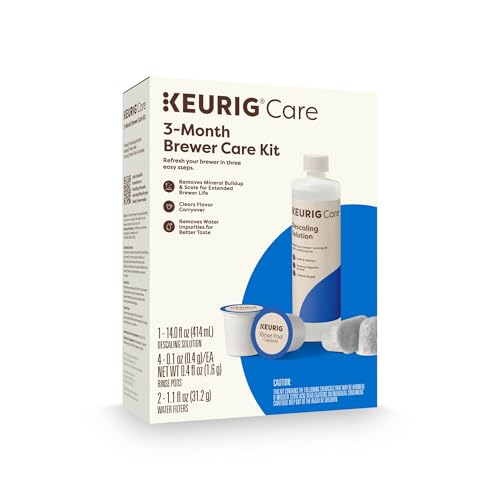
Keurig 3-Month Brewer Care Maintenance Kit |…
- INCLUDES: 4 Keurig Rinse Pods, 1 Descale Solution, and 2 Water Filter Cartridge Refills
- RINSE PODS: reduces flavor carry-over between brews
- QUICKEST WAY TO CLEAN YOUR K-Cup pod holder: rinse away residue and oils that can build up in your coffee maker
As an Amazon Associate I earn from qualifying purchases.
This article walks through the most common Keurig accessory mistakes, what actually happens when you make them, and how to fix each one. You’ll also get a simple comparison of cleaning and maintenance methods, plus answers to the questions people ask most.
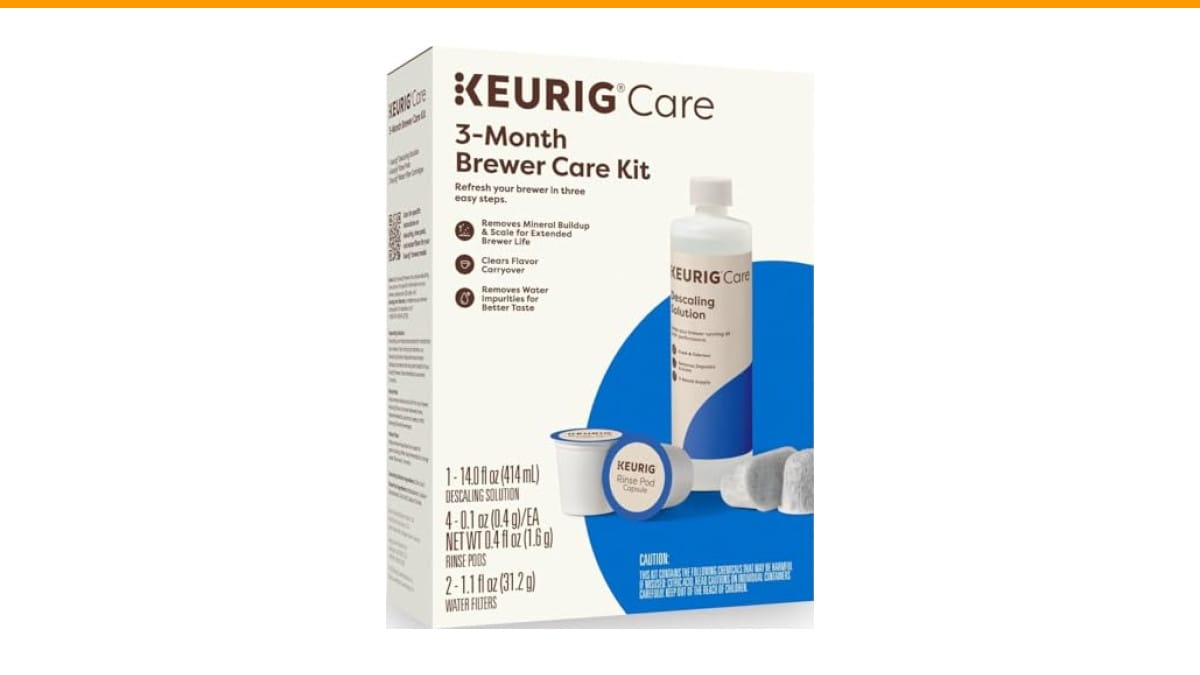
If you’re starting fresh, a complete maintenance kit like the Keurig 3-Month Brewer Maintenance Kit (includes descaling solution, water filter cartridges, and rinse pods) covers the basics in one box. It’s the fastest way to keep your brewer clean without buying items separately.
1. Skipping the Water Filter (or Replacing It Too Late)
The water filter is the most neglected accessory. It sits in the reservoir, out of sight, and you forget it exists. But it’s doing real work every time you brew.
Keurig recommends replacing the filter every two months or 60 tank refills. Most people replace it twice a year, if that. The result? Mineral scale builds up inside the machine. Your coffee tastes flat or slightly bitter. The heating element works harder, which can shorten the brewer’s lifespan.
Here’s the thing: the filter doesn’t make your water taste better. It removes chlorine and other impurities that affect coffee flavor. If you have hard water, the filter is even more important because it reduces scale buildup.
One tip: soak a new filter in fresh water for five minutes before inserting it. This activates the charcoal. Skipping that step reduces its effectiveness. And always rinse the filter housing when you change it — old debris can clog the new filter.
2. Using the Wrong K-Cup Pods (Yes, That’s a Thing)
Not all K-Cup pods are created equal. The official Keurig pods are designed to work with the machine’s extraction system. Third-party pods often have different shapes, mesh densities, or fill levels. Some work fine. Others don’t.
Common problems with off-brand pods: weak coffee because the pod is underfilled, or a clogged needle because the foil or mesh is too thick. You’ll know when it happens — the machine sputters, takes forever, or stops mid-brew.
If you want to use third-party pods, look for ones labeled “Keurig compatible” and check reviews for your specific model. Also, avoid pods with a flat top. Keurig’s needle punctures the top of the pod during brewing. If the top is too rigid, it can bend the needle or cause a jam.
Another mistake: reusing a pod to save money. It’s tempting, but the second brew is watery and weak. The grounds are already spent. You’re not saving money — you’re wasting coffee.
3. Ignoring the Descaling Schedule (The #1 Cause of Breakdowns)
Descaling is the maintenance task everyone avoids. It takes 30–45 minutes, and you have to run the machine multiple times. But skipping it is the fastest way to kill a Keurig.
Scale — that white, chalky buildup — blocks the internal water lines and heating element. Symptoms include longer brew times, louder noises, and a machine that won’t power on. If you’ve ever searched for Keurig won’t brew all lights on, scale is often the culprit.
Keurig says to descale every 3–6 months, depending on water hardness. If you live in an area with hard water, descale closer to every 3 months. You’ll know it’s time when the brew time increases by 10–15 seconds or the machine starts making a high-pitched whine.
Use a descaling solution specifically for coffee makers. Don’t use vinegar — it leaves a residual taste and can damage internal seals over time. The Keurig descaling solution is formulated to dissolve scale without harming the machine.
After descaling, run 2–3 cycles of plain water to flush out any remaining solution. Then brew a cup and toss it. That ensures your next cup tastes clean.
4. Not Using Rinse Pods Between Different Coffee Types
If you switch from a dark roast to a light roast, or from regular to flavored coffee, your next cup might taste like the old one. That’s flavor carry-over. It happens because oils and residue cling to the needle and the pod holder.
Rinse pods solve this. They’re empty pods filled with a cleaning solution that runs through the machine like a regular K-Cup. They dissolve oils and rinse away residue without any scrubbing.
You don’t need to use a rinse pod every time you switch. But if you’re going from a bold, oily dark roast to a delicate light roast, one rinse pod makes a noticeable difference. It’s also handy after using a flavored pod — those leave the strongest residue.
The Keurig 3-Month Brewer Maintenance Kit includes four rinse pods, so you can test this without buying a separate pack.
5. Forgetting to Clean the Needles and Pod Holder
The exit needle — the one that punctures the bottom of the pod — gets clogged with coffee grounds. A clogged needle means slower brewing or no brewing at all. Many beginners don’t even know this needle exists.
You should clean the needle every 2–4 weeks. Here’s how: unplug the machine, remove the pod holder, and use a paperclip or the cleaning tool that came with your Keurig. Insert it into the needle’s opening and move it up and down to dislodge any grounds.
The pod holder itself also collects residue. Rinse it under warm water and let it air dry. Don’t put it in the dishwasher — the plastic can warp.
If you’re experiencing Keurig K-Supreme not brewing full cup, a clogged needle is often the reason. Cleaning it takes two minutes and fixes the problem most of the time.
6. Buying Cheap, Off-Brand Accessories (And Regretting It)
You can buy a pack of 50 water filters for $10. They’re probably not going to filter anything. The charcoal inside might be minimal, or it might be non-activated carbon. That’s not a filter — it’s a piece of plastic with some black dust.
Stick with genuine Keurig filters or well-known third-party brands like WaterLine or PureLine. They’re tested and actually remove chlorine and sediment. You’ll pay a little more, but your machine will last longer and your coffee will taste better.
Same goes for descaling solutions. Some off-brand solutions are just citric acid and water. They work, but they might not be pH-balanced for your machine. The Keurig solution is designed to be safe for all Keurig models. It’s worth the extra dollar.
Comparison: Cleaning and Maintenance Methods
| Method | How Often | Time Needed | Best For | Cost |
|---|---|---|---|---|
| Rinse Pods | After every 5–10 brews, or when switching coffee types | 2 minutes | Removing oils and flavor carry-over | ~$0.50 per pod |
| Needle Cleaning | Every 2–4 weeks | 2 minutes | Preventing clogs and slow brewing | Free (paperclip) |
| Descaling | Every 3–6 months | 30–45 minutes | Removing mineral scale and extending lifespan | ~$10 per bottle |
| Water Filter Replacement | Every 2 months | 5 minutes | Improving water quality and reducing scale | ~$7 per filter |
You don’t need to do all of these at once. But setting a reminder on your phone for the descaling and filter replacement will save you from a costly repair later.
7. Not Checking the Water Tank for Mold
The water reservoir is a dark, damp place — perfect for mold. If you don’t empty it between uses, especially in a warm kitchen, mold can grow within a week.
You might not see it, but you’ll smell it in your coffee. A musty or earthy taste is a red flag. To prevent this, empty the reservoir every night and let it air dry. If you use the machine daily, that’s not practical. Instead, wash the reservoir with warm soapy water once a week and rinse thoroughly.
Never put the reservoir in the dishwasher. The heat can warp the plastic and damage the water level sensor. Hand wash only.
If you already have mold, don’t panic. Wash the reservoir with a mild bleach solution (1 tablespoon bleach per gallon of water), then rinse very well. That kills the mold. Then run a rinse cycle through the machine to clear any residue.
8. Using the Wrong Water (Tap vs. Filtered vs. Distilled)
Tap water is fine if it’s drinkable. But if your tap water is hard (you see scale on your kettle), it will scale up your Keurig faster. Using filtered water from a pitcher or fridge reduces scale and improves taste.
Distilled water is not recommended for daily use. It lacks minerals that help conduct electricity in the heating element. Over time, it can actually cause the machine to overheat or fail. If you use distilled water, mix it 50/50 with tap or filtered water.
Bottled spring water works well, but it’s expensive over time. A simple carbon filter in the reservoir is the most cost-effective solution.
Frequently Asked Questions
Can I use vinegar to descale my Keurig?
Technically yes, but it’s not ideal. Vinegar is acidic and can break down the internal rubber seals over time. It also leaves a residual smell that takes multiple brews to remove. The Keurig descaling solution is formulated to be safe and odorless. If you must use vinegar, mix it 50/50 with water, run the cycle, then flush with 3–4 full tanks of water.
How often should I replace the water filter?
Every 2 months or after 60 tank refills, whichever comes first. If you use your Keurig multiple times a day, replace it monthly. A good reminder: change the filter when you change your smoke detector batteries.
Why does my Keurig taste like plastic?
That’s usually from not running water through the machine before first use. New machines have manufacturing residues. Run 2–3 full tanks of water without a pod to flush it out. If the taste persists, it could be the water filter — replace it if it’s old.
Can I use reusable K-Cup pods?
Yes, but they require more maintenance. You have to grind coffee to the right consistency (medium-fine works best), fill the pod without overpacking, and clean it after every use. If you don’t clean it, oils go rancid and ruin the taste. Many users find it’s easier to stick with disposable pods.
Why is my Keurig brewing slowly?
Slow brewing is usually a clogged needle or scale buildup. First, clean the exit needle with a paperclip. If that doesn’t help, descale the machine. If the problem persists, check the water tank — a low water level can also cause slow brewing.
What I’d Do Differently: Practical Takeaways
- Set a recurring reminder on your phone for descaling every 3 months. Mark it on your calendar right now.
- Replace the water filter every 2 months — write the date on the filter with a marker so you don’t forget.
- Use a rinse pod after every dark roast or flavored coffee. The flavor carry-over is real.
- Clean the exit needle with a paperclip every 2 weeks. It takes 2 minutes and prevents most brewing issues.
- Don’t buy the cheapest filters or descaling solutions. The $10 you save isn’t worth a $100 repair.
- Empty the water reservoir every night if you don’t use the machine daily. Mold is a silent killer of coffee flavor.
- If your Keurig shows signs of trouble, like Keurig K-Supreme Plus descale light stays on, address it quickly. Ignoring it only makes it worse.
Most Keurig problems are preventable. The accessories aren’t optional extras — they’re the difference between a brewer that lasts 5 years and one that dies in 18 months. Spend the few extra minutes and dollars on maintenance. Your coffee will thank you.
Products related to this article
Sponsored / affiliate links. As an Amazon Associate I earn from qualifying purchases. I may earn additional commission from eligible campaigns.
 SOLUSTRE Electric USB Coffee Cup Warmer with Temperature Settings Portable Milk and Beverage Heating Coaster for Office Desk Small Lightweight Design Easy to Clean Surface Multi Functional
 Coffee Pot Handle Replacement, Black Plastic Parts for Espresso Moka Pot, 1 3 6 9 12 Cup Capacity,Easy Install(3 Cup)
 MIBOTE Silicone Cooking Kitchen Utensils Set, Wooden Handle, Coffee