You bought a moka pot because you wanted real espresso at home without spending a fortune. Then the first brew came out bitter, or it sputtered everywhere, or it tasted like burnt metal. You’re not alone. Almost everyone hits these walls early on.
This is the guide I wish someone handed me when I started. We’re going to walk through the specific mistakes that ruin your brew, why they happen, and exactly how to fix them. You’ll walk away knowing how to pull a rich, smooth shot that actually beats your local café.

Bialetti
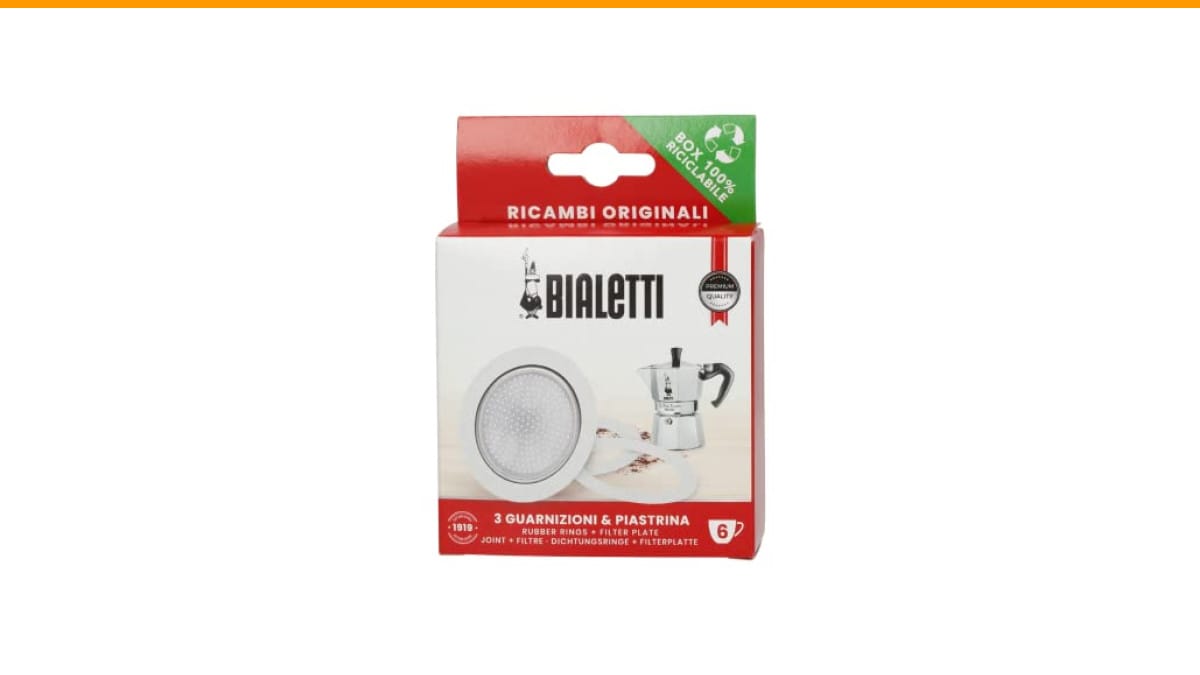
Bialetti Spare Parts, Includes 3 Gaskets and…
- Includes 3 Gaskets and 1 Filter
- Outer Gasket diameter: 72mm / 2,83' Inch
- When in doubt, please measure your old gasket to ensure a proper fit
As an Amazon Associate I earn from qualifying purchases.
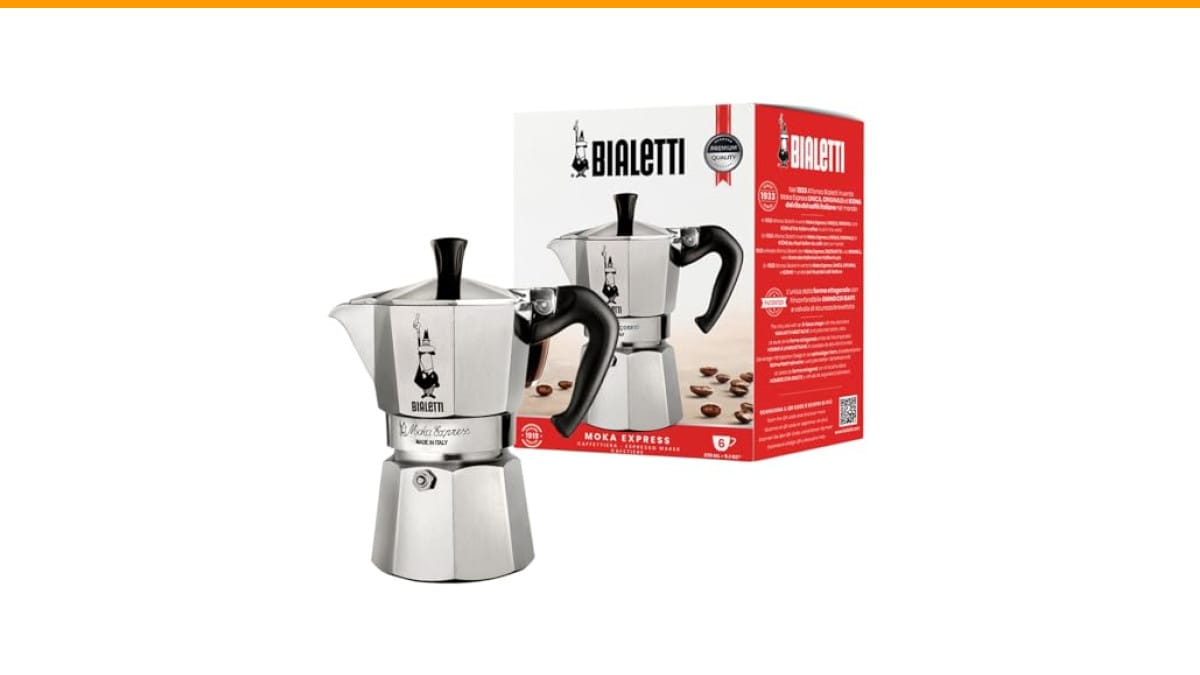
Before we dive into the brewing mistakes, let’s talk about the hardware. The rubber gasket and metal filter plate wear out over time. A worn gasket causes leaks and pressure loss, which directly leads to weak, watery coffee. If your pot is leaking from the side, check the gasket first. A replacement gasket kit from Bialetti, which includes three gaskets and one filter plate, is the standard fix. Just measure your old gasket to confirm the 72mm size fits your 6-cup pot.
The Heat Is Too High (or Too Low)
The biggest mistake beginners make is cranking the burner to max. High heat makes the water boil violently. That violent boil pushes steam through the coffee bed too fast, which extracts harsh, bitter compounds. You get a burnt, metallic taste.
Set your burner to medium-low. The goal is a gentle, steady flow of coffee, not a geyser. The brew should take about 4 to 5 minutes for a 6-cup pot. If it finishes in under 3 minutes, your heat is too high.
On the flip side, too low heat makes the brew take forever and can stall. You want a constant, low simmer. Find the sweet spot where coffee flows out in a slow, honey-like stream.
Also, never leave the pot unattended. The brew finishes fast once it starts flowing. Pull it off the heat as soon as you hear a gurgling sound. That gurgle means the water is almost gone, and steam is pushing through. Letting it run longer scorches the coffee.
Tamping the Coffee Grounds
This is the most common mistake I see. People treat the moka pot basket like a portafilter and press the grounds down hard. That’s wrong.
The moka pot uses low pressure, around 1 to 2 bars, compared to an espresso machine’s 9 bars. Dense, tamped grounds block the water entirely. The pressure builds up, forces steam through a tiny channel, and you get an uneven, sour shot. Or worse, it explodes.
Just fill the basket with ground coffee and level it off with your finger or a flat knife. No pressing. The grounds need to be loose enough for water to pass through evenly. Think of it like filling a measuring cup with flour—you don’t pack it down.
One exception: some people get away with a very light tap on the counter to settle the grounds. That’s fine. Just don’t apply any downward force.
Using the Wrong Grind Size
Grind size is the difference between a great cup and a bitter mess. Moka pots need a grind that’s slightly finer than drip coffee but coarser than espresso. It should feel like fine sand or table salt.
If the grind is too coarse, the water rushes through. You get weak, watery coffee that tastes sour. If it’s too fine, the water struggles to pass through. The brew takes forever, and you get a bitter, over-extracted shot.
If you buy pre-ground coffee, look for a ‘moka’ or ‘stovetop’ label. If you have a burr grinder, set it to a medium-fine setting. It took me a few batches to dial in my grinder, but it’s worth it. Freshly ground beans make a massive difference here.
Also, check your beans. Dark roasts work best in a moka pot. Light roasts can taste overly acidic because the moka pot doesn’t get hot enough to extract them properly.
Starting with Cold Water
Some recipes say to start with cold water. They’re wrong for most home setups. Cold water sits in the bottom chamber longer, which means the metal pot heats up more before the water even moves. That extra heat can scorch the grounds as the water finally passes through.
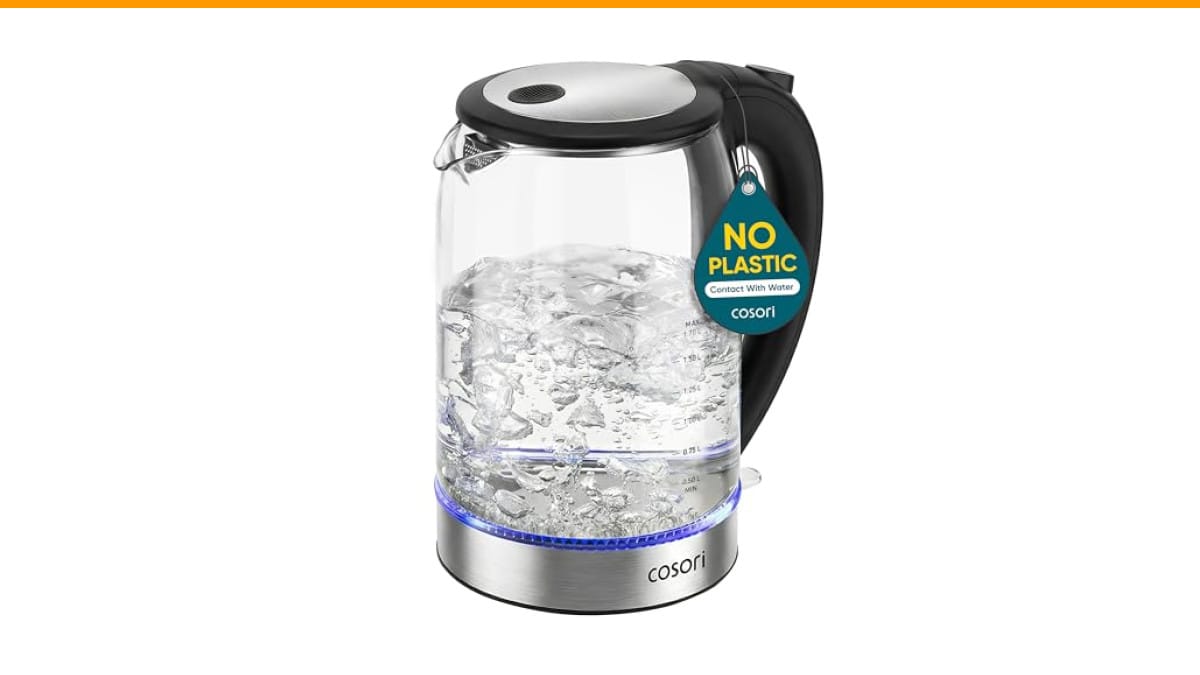
Use hot water from a kettle. Fill the bottom chamber up to the level of the safety valve. Hot water reaches brewing temperature almost immediately, reducing the time the pot spends on the burner. This gives you a cleaner, sweeter extraction.
Some people worry about thermal shock from hot water cracking the pot. That’s not a real issue for aluminum pots. Just don’t plunge a hot pot into cold water afterward.
This one change—hot water in, low heat on—fixed 80% of the bitterness problems I had in my first month.
Forgetting to Clean the Pot Properly
Moka pots are simple, but they need specific care. Never put an aluminum moka pot in the dishwasher. The detergent corrodes the metal and ruins the taste of your coffee permanently.
Wash it by hand with warm water and a soft sponge. No soap needed for the inside—just rinse it thoroughly. Soap leaves a residue that makes your coffee taste soapy.
Dry the pot completely before storing it. Aluminum oxidizes and develops a white, powdery film if left wet. That film adds a metallic taste to your next brew.
The gasket and filter plate need replacing every 12 to 18 months, depending on how often you brew. If you notice the pot leaking, or the coffee tastes off even with fresh beans, check the gasket. A hardened, brittle gasket won’t seal properly. This is where that Bialetti replacement kit comes in handy—it’s cheap insurance against a ruined brew.
If you’re dealing with stubborn buildup, check out our guide on proper cleaning methods for more details.
Common Moka Pot Mistakes at a Glance
| Mistake | What Goes Wrong | The Fix |
|---|---|---|
| High heat | Bitter, burnt taste; sputtering | Use medium-low heat; brew in 4-5 minutes |
| Tamping grounds | Uneven extraction, sour or blocked flow | Fill and level the basket; never press down |
| Wrong grind size | Weak, sour coffee (too coarse) or bitter, slow brew (too fine) | Use medium-fine grind, like table salt |
| Cold water | Scorched grounds, metallic taste | Start with hot water from a kettle |
| Dishwasher cleaning | Corroded metal, soapy tasting coffee | Hand wash with plain water; dry fully |
| Old gasket | Leaks, pressure loss, weak coffee | Replace gasket and filter every 12-18 months |
Frequently Asked Questions
Why does my moka pot coffee taste bitter?
Bitterness usually comes from high heat or over-extraction. You’re likely using too high a flame, which boils the water and burns the coffee. Switch to hot water and medium-low heat. Also check your grind—if it’s too fine, it over-extracts. Pull the pot off the heat the second you hear gurgling.
Should I tamp the coffee in a moka pot?
No. Tamping creates a dense puck that blocks water flow. The moka pot works with low pressure, so it needs loose grounds. Just fill the basket and level it off with a knife. Tamping is for espresso machines, not stovetop pots.
Why is my moka pot leaking from the sides?
That’s almost always a worn or misaligned gasket. The rubber seal degrades over time and loses its elasticity. Unscrew the top, inspect the gasket, and replace it if it’s hard or cracked. Make sure the filter plate sits flat and the gasket is seated properly before tightening.
Can I use regular drip coffee grounds in a moka pot?
You can, but the result will be weak and sour. Drip coffee grind is too coarse for the moka pot’s short contact time. The water passes through too quickly, extracting very little flavor. You need a medium-fine grind to get a proper extraction.
How often should I replace the gasket on my moka pot?
Every 12 to 18 months, or sooner if you brew daily. Signs of a failing gasket include visible cracks, a hardened texture, or leaks during brewing. The filter plate also wears out—tiny holes can stretch or tear. Replacing both at the same time is the smart move.
What to Do Next
You now know the core fixes. Let’s recap the actionable steps:
- Start with hot water in the bottom chamber. It cuts down brew time and prevents scorching.
- Use medium-low heat. A slow, steady flow is your target.
- Never tamp the grounds. Level the basket and nothing more.
- Grind your beans to a medium-fine consistency, like table salt.
- Pull the pot off the heat as soon as you hear the gurgle.
- Hand wash with water only. No soap, no dishwasher.
- Check your gasket and filter plate for wear every few months.
If you’re still troubleshooting a machine that won’t work at all, our guide on coffee maker won’t turn on might help. And for keeping your gear in top shape, don’t skip our advice on cleaning frequency.
Now go make a better cup. It takes one or two tries to get the rhythm, but once you do, that little pot will earn its place on your counter.
Products related to this article
Sponsored / affiliate links. As an Amazon Associate I earn from qualifying purchases. I may earn additional commission from eligible campaigns.
 Belly Moka Coffee Maker Stovetop Espresso Maker 9 Cup Aluminum Moka Pot Percolator 15oz 450ml Easy Brewing for Electric Ceramic Stoves Home Camping Italian Cuban Café Classic Black
 Belly Moka Coffee Maker Stovetop Espresso Maker 6 Cup Aluminum Moka Pot Percolator 10oz 300ml Easy Brewing for Electric Ceramic Stoves Home Camping Italian Cuban Café Classic Silver
 FRAISIN Stovetop Espresso Moka Pot Coffee Maker, Non-slip Wood Grain Handle, Cast Aluminum, Compatible with Gas, and Electric Stoves (Black, 3 cups)