The best coffee machine reviews rank machines by what happens after months of use: reliability, daily cleaning time, drink quality, counter footprint, and cost per cup, with cleaning under 5 minutes a day as a strong buy rule. I judge machines that way because the wrong pick usually hurts in daily use, with weak coffee, breakdowns, wasted pods or beans, and a machine that ends up ignored. This guide compares drip, pod, bean-to-cup, dual, and home espresso options by the tradeoffs that still matter after month six.
What do coffee machine reviews miss most often?


Most Coffee machine reviews miss the part that starts after setup day: what gets irritating, what tends to fail first, what cleaning jobs stack up, and what the machine costs to keep running. Buyers need ownership outcomes more than feature counts, because the wrong machine usually disappoints in routine use, not in brewing demos.
Why feature-heavy reviews fail buyers after the first month
A touchscreen, preset menu, or long feature list tells me very little about daily use. The better review questions are simpler. Does the brew basket drip after removal? Can the water tank be lifted out under a cabinet? Does the milk system need a full rinse after every drink?
That gap shows up most in bean-to-cup and espresso machines. They often look better on spec sheets than drip brewers, yet they ask far more from the owner in descaling, grinder cleanup, seal care, and milk-path washing.
The ownership outcomes that matter more than spec sheets
Five measures matter more than almost anything else:
- Brew consistency: whether cup one and cup thirty taste close enough that the machine builds trust.
- Reliability signals: owner satisfaction, service reputation, and how many moving parts can fail.
- Cleaning burden: the daily rinse, weekly wash, descaling access, and grinder or milk cleanup.
- Counter fit: width is only half the story; lid clearance and tank access matter just as much.
- Ownership cost: filters, pods, beans, descaler, water filters, milk cleaner, and replacement parts.
How this guide rates machines for real home use
This guide scores by category first, then uses model examples as evidence. I do that to avoid a common mistake, comparing a pod machine and an espresso machine as if they do the same job. They do not. One is a speed tool. The other suits people who want espresso drinks and accept more upkeep.
📊 Consumer Reports tested more than 160 coffee makers. Source: 13 Best Coffee Makers of 2026, Lab Tested and Reviewed….
How to read coffee machine reviews without falling for marketing
Read reviews by separating measurable ownership facts from sales language. Trust brew time, cleaning steps, reliability data, heat-up time, reservoir access, and cup consistency. Be wary of vague promises about flavour, build, or convenience unless the review spells out the daily work needed to get those results.
Claims worth trusting
Useful reviews mention repeatable facts. Consumer Reports tested more than 160 coffee makers. Consumer Reports covers drip, single-serve, and dual coffee makers. That kind of lab-based comparison helps because it checks performance across categories instead of leaning on launch-day excitement.
Specific model facts also help when they connect to real use. The Bunn HB Heat N Brew Programmable takes 12 minutes to brew a pot. That is slower than some buyers expect, but speed alone means little if the machine also earns strong ease-of-cleaning, reliability, and satisfaction signals. (consumerreports.org)
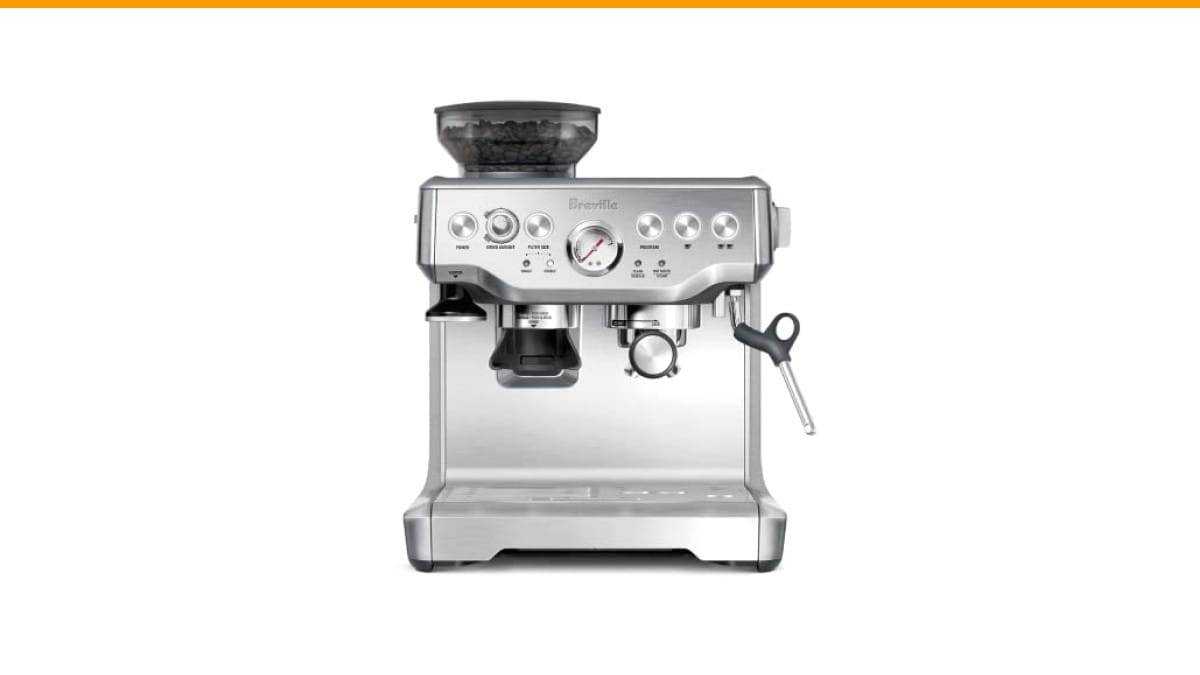
The Breville Barista Touch has a 3 second heat up time, 30 grind settings, a 54 mm stainless steel portafilter, and creates up to 8 personalised coffees. Those are useful facts because they change routine use. Heat-up time changes weekdays. Grind range affects dialing in. Saved drinks help households that repeat the same orders.
Claims to question
Be careful with words like “one-touch” and “premium.” A milk drink made at the touch of a button may still need a full milk-path rinse right after use. Trusted Reviews says the Philips Series 5500 LatteGo makes drinks at the touch of a button. Helpful, yes. Complete ownership picture, no.
Likewise, simplicity claims need context. Trusted Reviews describes a Beko bean-to-cup machine as brilliantly simple. That can be true in operation while still leaving grinder cleaning, spent-coffee cleanup, and descaling as regular jobs.
What review sources can and cannot tell you before purchase
Lab testing can compare brew performance, speed, and some reliability signals. It cannot fully predict how a machine fits a cramped kitchen, whether its water tank is annoying under low cabinets, or whether a household will keep up with milk-system cleaning. That is where category tradeoffs matter more than rankings.
When home coffee machines pay off—and when they don’t
Not all coffee machines justify the cost for daily drinkers. This breakdown cuts through the hype to show how many cups per year make a machine worthwhile, comparing yearly expenses (beans, maintenance, repairs) against café savings. It also clarifies which machine types align with routines—whether you prioritize speed, simplicity, or specialty drinks—and where hidden costs (like filters or cleaning time) can outweigh benefits.
For those who brew often but want data-backed answers, this guide helps decide if a home machine like everyday coffee setups will save money—or just add complexity.
How to spot misleading coffee machine reviews
Not all coffee machine reviews are created equal. Some omit critical details like long-term maintenance costs, ownership biases, or hidden replacement part expenses—leaving buyers with machines that underperform or require costly repairs. This guide breaks down how to evaluate reviews by checking for transparency in authorship, upfront costs, and real-world durability. A structured checklist helps separate honest assessments from those pushing overhyped models.
Learn the key red flags and what to prioritize when comparing specs, tests, and owner reports in coffee machine review tips.
Affordable Coffee Machines That Avoid Hidden Costs
A low upfront price means nothing if the machine produces weak coffee, wastes counter space, or locks you into expensive pods. The cheapest sensible option depends entirely on your drink style: a moka pot or drip brewer for black coffee, a pod machine strictly for speed, or a compact manual espresso maker only if you will use it enough to justify the learning curve.
Comparing models by size, cleanup effort, and lifetime cost prevents budget mistakes before they happen. This breakdown of budget coffee machines evaluates specific picks—including the Breville Bambino, Casabrews CM5418, and Nespresso Pixie—so you can match the lowest total cost of ownership to how you actually brew each morning.
How do I choose between drip, bean-to-cup, pod, dual, and espresso machines?
Start with what you actually drink each morning and over a week, then look at how much cleanup you will really tolerate, how much counter room you have, and what you will keep paying per cup.
Choose by drink habit, not by machine prestige
If the house drinks mugs of black coffee, start with drip. A drip coffee maker brews by dripping water through ground beans and stays the easiest category to live with over the long run. If one person drinks one fast cup before work, a single-serve coffee maker makes more sense than a large brewer left half-used.
For cappuccino, latte, flat white, or espresso-forward use, the choice changes. A bean-to-cup coffee machine gives fresh grinding on demand and may include automatic milk texturing, but it usually asks more care than drip. A home espresso machine gives even more control, with more skill and cleanup required.
Choose by maintenance tolerance and daily cleanup reality
If you know you will resent washing parts, emptying trays, or rinsing milk lines before work, start with drip, and look at pods next. I put dual machines in the middle because they combine maintenance paths, while bean-to-cup and espresso machines only pay off when the owner will empty trays, rinse milk parts, descale on time, and treat grinder dust as a normal part of ownership.
Choose by counter-space limits and water-tank access
Small footprint does not always mean easy fit. Single-serve machines are usually smaller, but some place the tank at the back, which makes refills awkward. Bean-to-cup machines often need extra height for beans and extra side space to remove drip trays and brew groups.
Choose by ongoing cost, not sticker price alone
A cheap pod machine can get expensive through pods. A pricier drip brewer can stay cheaper to run with ground coffee and basic filters. Bean-to-cup machines add beans, water filters, descaler, milk cleaner where relevant, and possible grinder-related service costs. Purchase price is only the opening number.
Choosing the best coffee machines for latte drinkers
Latte enthusiasts face specific mechanical constraints that generic espresso machines often ignore. The critical factor is the milk frothing system: units with steam wands that rinse in under 60 seconds prevent the watery foam and slow cleanup that typically lead to abandoned equipment. This guide breaks down the trade-offs between automatic milk systems and manual steam wands to help you select a machine that matches your desired level of control and maintenance effort.
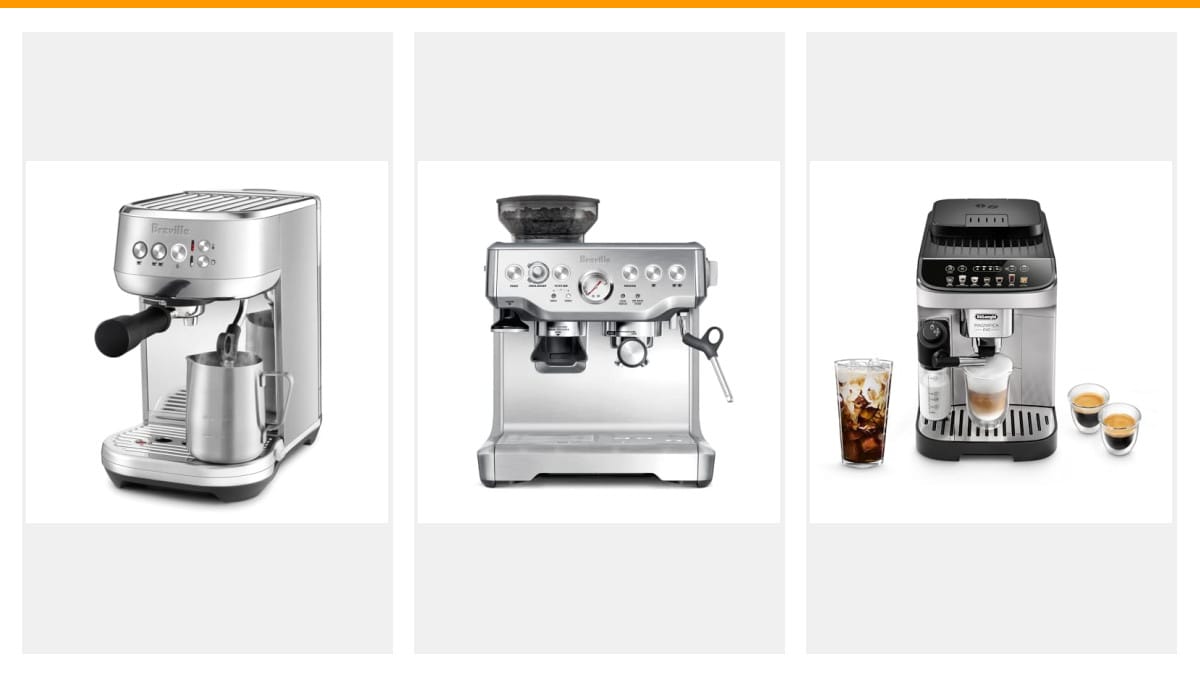
You can review detailed comparisons of top models, including the Breville Barista Express, De’Longhi Dedica Duo, and Nespresso Pixie, in the best latte coffee machines article. It includes a decision matrix that highlights which specific features justify a higher price point, ensuring you invest in a unit that consistently produces the rich microfoam required for quality lattes.
Choosing machines that brew iced coffee without dilution
Most standard drip makers struggle with iced coffee, producing weak or watered-down results. The linked guide breaks down specific brewing methods, from rapid cold brew to hot-over-ice, to help you select hardware that maintains flavor intensity. It compares key models like the Ninja Hot & Iced XL and Mr. Coffee Tumbler, highlighting which options deliver the best balance of cost and performance under $100.
This resource is essential for households prioritizing cold drinks, as it details the mechanical differences between cold-brew brewers and standard machines. See the best iced coffee machines for a detailed comparison of the top contenders and their specific brewing advantages.
Best machines for slow weekend brewing
If your coffee routine gets busier on Saturdays and Sundays, the right machine is usually one that can brew enough for repeats without turning the last cup cold or bitter. The supporting guide breaks down weekend brewing machines by use case, focusing on drip brewers with thermal carafes, batch-friendly setups, and milk-capable options for brunch households.
That matters because weekend brewing is less about speed alone and more about serving multiple cups well, keeping coffee hot between rounds, and choosing a machine that fits how many people actually drink it. The article helps narrow the field quickly so you can match capacity, convenience, and budget to your mornings.
Choosing a coffee machine for winter comfort drinks
If your goal is cappuccinos, lattes, and other milk-heavy drinks, the right machine is the one that matches your effort tolerance, not just your budget. The supporting guide to winter comfort coffee machines compares drip, bean-to-cup, espresso, and pod options by drink style, cleanup burden, and how much milk frothing they require.
That matters because the wrong choice can mean thin foam, extra steps every morning, or a machine that creates more mess than comfort. The article points readers toward fast-heating espresso machines for cappuccinos and lattes, one-touch bean-to-cup models for convenience, and simpler brewers when milk drinks are not the priority.
Compact machines: small footprint, real brew quality
If counter space is tight, this guide shows which compact coffee machines keep the parts that matter most: a proper brew path, stable heating, and a water tank that is still practical for daily use. It also explains the trade-offs behind smaller designs, so you can spot models that only look space-saving but end up making weaker coffee or needing constant refills.
The article breaks down the key specs, compares the best space-efficient options by brew style, and helps you narrow choices faster. Start with the compact coffee machines guide if you want a machine that fits a small kitchen without sacrificing cup quality.
Cold-morning picks by brew style
If your mornings are chilly, the best machine is usually the one that matches how much coffee you need and how fast you need it. The supporting guide breaks that down into practical choices: programmable drip machines with thermal carafes for households brewing multiple cups, and quick single-serve models when speed matters most. It also compares cleanup, warmth retention, capacity, and ease of use so you can avoid buying a machine that slows you down or leaves coffee lukewarm. For a clear side-by-side look at the main options, see cold-morning coffee machines.
Speed‑Focused Coffee Machines for Hectic Mornings
When every minute counts, the right coffee maker can shave precious seconds off your wake‑up routine. The guide titled best coffee machines breaks down the fastest options by brew time, setup steps, and cleanup effort, ranking pod‑based units for instant convenience and one‑touch bean‑to‑cup models for fresh coffee without grinding. It walks through the selection criteria, presents a scorecard, and highlights top picks such as the Nespresso Vertuo Pop+ for solo speed, the Keurig K‑Express for weekday pods, the OXO Brew 8‑Cup for overall drip performance, the Bonavita 5‑Cup for small households, and the Moccamaster KBGV Select for premium durability. Knowing which machine eliminates the most friction helps you start the day with a reliable cup and less stress.
Quiet coffee machines for early starts
If your goal is to keep the kitchen calm before sunrise, the key is choosing a machine that reduces noise at the source rather than relying on insulation or “quiet” branding. The supporting guide breaks down which machine types stay quieter in practice, why simple drip brewers often make the most sense, and where louder steps like grinding or pressure-based brewing can disrupt a household.
It also compares specific models for quiet mornings, including options that prioritize straightforward brewing over extra features. For a focused shortlist and the reasoning behind each pick, see quiet coffee machines.
Coffee machines with removable water tanks: when convenience matters most
If you want a machine that is easier to fill, rinse, and keep aligned on the counter, a removable tank is worth prioritizing. The supporting guide breaks down the best coffee machines with a removable water tank, showing which models are easiest to refill at the sink and least awkward to maintain in daily use.
It matters because tank design affects your routine every morning: a better reservoir can save time, reduce spills, and make cleaning simpler. The guide also highlights where each model fits best, from overall convenience to more specific kitchen needs. If that workflow matters to you, removable water tanks are a smart feature to compare before you buy.
Small-footprint coffee machines for tight counters
If counter space is the deciding factor, this guide shows which coffee machines stay genuinely compact once you account for real-world use, not just the box dimensions. It compares slim pod brewers, narrow espresso machines, and small drip models, then explains the details that affect fit: lid swing, water-tank access, cup clearance, and front-loading parts. The result is a clearer way to choose a machine that works in a studio kitchen, office nook, or crowded apartment counter. See the full breakdown of smallest coffee machines for the models that save space without making daily brewing harder.
Dorm and Apartment Brewing: Picking Machines for Student Housing
Choosing a coffee machine for student housing means balancing counter space, budget, and how many people share the kitchen. Compact pod brewers handle fast morning routines in single dorm rooms, while 4- to 5-cup drip machines serve roommates without wasting beans. Manual brewers remain the lowest-cost option for students prioritizing minimal waste and cheap upkeep.
Picking the wrong brew style drains money and time you cannot spare during a semester. Our guide on student coffee machines compares these options across dorms, shared apartments, and low-maintenance needs so you can match a brewer directly to your living situation rather than guessing at the store.
Protecting Your Machine in Hard Water Areas
Hard water accelerates limescale buildup, restricts flow through internal tubing, and shortens the lifespan of pumps and heating elements. Choosing a coffee machine designed for mineral-heavy tap water prevents premature failure and maintains consistent brew temperatures over time.
The most practical options feature removable water tanks, user-replaceable filters, and automated descaling cycles. Bean-to-cup and drip machines with these traits consistently outperform sealed systems in high-mineral environments by giving you direct access to components that need regular flushing. This guide ranks specific models by scale resistance, maintenance accessibility, and pretreatment requirements so you can match hardware to your local water profile before buying. Evaluating hard water coffee machines upfront saves hundreds in early replacements and repair costs.
Coffee machine categories reviewed by ownership fit
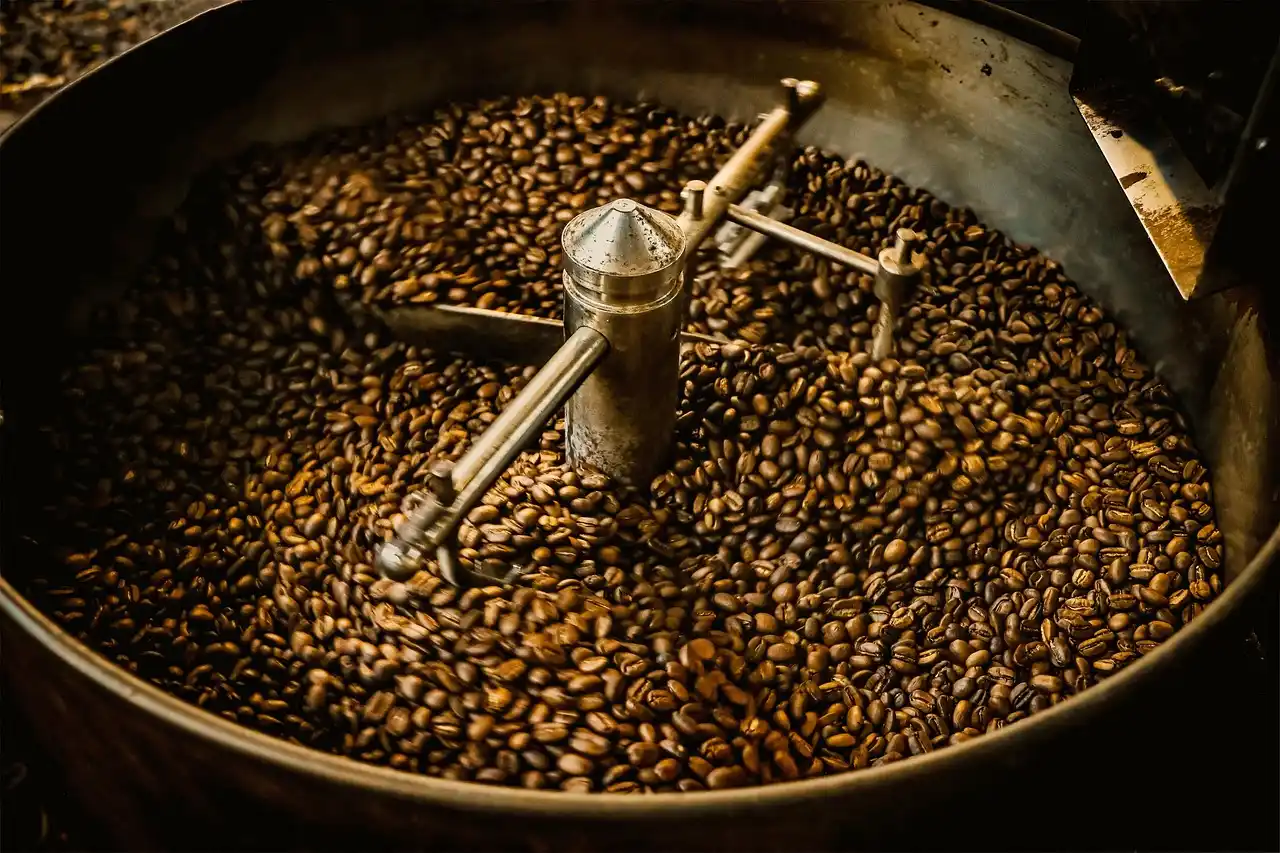
Drip coffee maker
Best for batches, straightforward ownership, and the strongest long-life potential. The practical review points are showerhead coverage, brew basket design, thermal versus glass carafe tradeoffs, brew time, a cleaning indicator, automatic shutoff, and whether the reservoir is removable.
The Cuisinart PerfecTemp 14 Cup Programmable model is a glass-carafe drip coffee maker with a 14-cup capacity. It works well as a mainstream comparison because programmability and brew strength adjustment affect routine, while the format stays familiar and relatively simple.
The Haden 14-Cup Programmable also has a 14-cup capacity, which reminds buyers not to confuse capacity with quality. The better question is whether the machine keeps brewing evenly and stays easy to wash after months of use.
For speed at the small end, the Black+Decker 4-in-1 5-Cup CM0755S brews a full pot in 6 minutes. For buyers making small weekday batches, that matters more than a long list of brew modes.
Single-serve coffee maker
Best for speed, convenience, and one-cup households. These brew one cup at a time, commonly through pods, and usually take less counter area than full-size brewers. The tradeoff is recurring pod cost, smaller water tanks on some units, and less flexibility if tastes shift toward larger batches.
What gets annoying first is usually not brewing. It is pod storage, tank refills, or the feeling of paying too much per cup when use rises from one cup a day to several.
Dual coffee maker
Best for mixed households. A dual coffee maker supports more than one brewing style, often combining pod convenience with pot brewing. That makes sense when one person wants speed and another wants a full carafe.
The downside is simple: two systems mean more parts and more cleaning paths. Dual machines are useful, but many give up either pot-brew quality or cleaning ease compared with a dedicated machine in each role.
Bean-to-cup and home espresso machines
Best for espresso drinkers who will accept more work. These machines grind fresh, brew stronger coffee styles, and in some cases texture milk automatically. They can produce better espresso-based drinks than drip or pod machines, but the annoyance threshold arrives faster if maintenance habits are weak.
The Breville Barista Touch is a strong premium reference point because its integrated grinder, 30 grind settings, 3 second heat up time, 54 mm stainless steel portafilter, and support for up to 8 personalised coffees all affect repeat home use. It is fast and flexible, yet still asks for puck handling, steam-area cleanup, and grinder care.
The Ninja AutoBarista Pro fits the buyer who wants a versatile automatic espresso or bean-to-cup style machine with broad drink coverage. The practical question is whether that versatility will be used enough to justify the extra cleaning and larger footprint.
Choosing a Coffee Machine as a Gift Without Guessing
A coffee machine given as a gift often fails because it clashes with the recipient’s counter space, patience, or willingness to clean. Matching the right brewer type—manual, pod, drip, or espresso—to the person receiving it prevents an expensive appliance from becoming clutter.
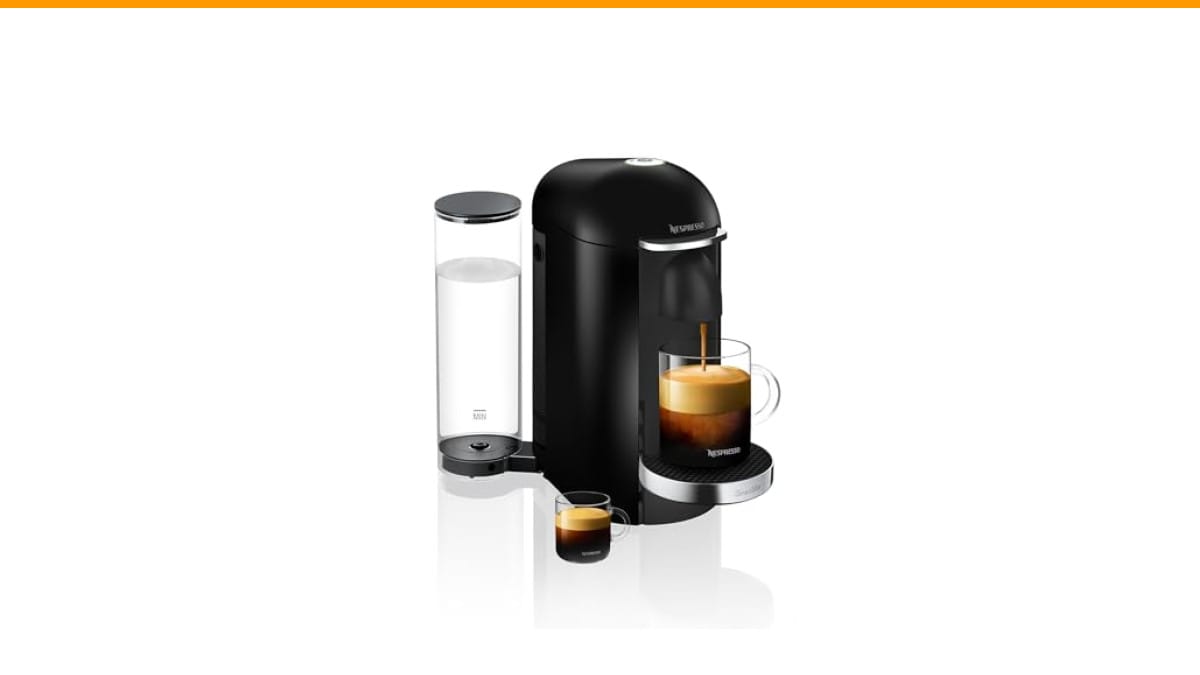
This breakdown organizes options by recipient profile, budget, and upkeep tolerance rather than raw feature lists. It highlights why machines like the Nespresso Vertuo Next work as default gifts for beginners, while semi-automatic models suit those eager to learn espresso technique. You can use the decision framework to narrow choices quickly in our guide to coffee machines for gifts.
Coffee Machines for Hosting Guests
If you make coffee for a crowd, the best choice is usually the one that can keep cups moving without constant refills or complicated steps. This guide breaks down the most host-friendly options for brunches, drop-ins, and mixed drink preferences, including drip, pod, and automatic espresso machines.
It highlights which models suit bigger groups, which are easiest for casual guests to use, and where one-touch convenience matters most. That makes it easier to choose a machine that fits the way you entertain, not just the drinks you like. See the full coffee machines for guests roundup for the specific picks and how they compare.
Travel Coffee Gear: Which Machine Actually Packs Well?
If you need a coffee machine that fits around luggage, camping kits, or a carry-on routine, the right choice is usually the one that balances size, speed, and cleanup. The travel coffee machines guide breaks down the best options for people who want real coffee without hauling a bulky appliance, from compact manual brewers to portable espresso makers and plug-in mini machines.
That matters because the best travel setup depends on how you move: road trips favor simple, durable brewers, while espresso drinkers may want a more specialized portable unit. The article helps you match the machine to your trip style so you avoid overpacking, slow cleanup, and gear that is too fragile or power-hungry for life on the move.
Which coffee machine works best for caravan and RV travel?
If you’re choosing a coffee machine for a caravan or RV, the key question is power source: manual brewers suit off-grid trips, while compact electric options make sense when you have mains hookup. The supporting guide breaks down the main setups by battery draw, storage footprint, cleanup, and brew style, so you can match the machine to how you actually travel. It also compares practical options like pod, drip, moka pot, cafetiere, and espresso machines, which helps you avoid buying something that looks portable but is awkward to use on the road. caravan coffee machines
Which camping coffee machine fits your setup?
The right camping coffee machine depends on how you travel: electric espresso for car camping with power, a manual press for battery-free brewing, or a drip-style option for group mornings. The supporting guide breaks down the best picks by brew style, portability, and power needs so you can match the machine to your campsite instead of overpacking for coffee.
It also explains which models suit solo trips versus shared setups, and why details like battery life, one-touch operation, and cleanup matter outdoors. See the full camping coffee machine guide for the ranked shortlist and buying guidance.
The review scorecard: how the machines compare
Scoring brew quality, reliability signals, cleaning burden, footprint, and ownership cost
The table below rates category ownership outcomes, not marketing appeal. Scores are shown on a 1-to-5 scale, where higher numbers generally mean better brew quality, reliability signals, and space efficiency, though higher scores in the last two columns can also mean more cleaning and ownership effort. Read across, not down. Few machines win every line.
| Machine category or example | Brew quality | Reliability signals | Cleaning burden | Counter-space footprint | Ownership cost | Best for decision path |
|---|---|---|---|---|---|---|
| Drip coffee maker | 4/5 | 5/5 | 1/5 | 3/5 | 2/5 | Choose this if the home drinks mugs, wants low daily work, and has room for a carafe. |
| Single-serve coffee maker | 3/5 | 4/5 | 2/5 | 5/5 | 4/5 | Choose this if speed and small footprint matter more than lowest cost per cup. |
| Dual coffee maker | 3/5 | 3/5 | 3/5 | 2/5 | 3/5 | Choose this if one home needs both pods and pot brewing and accepts extra upkeep. |
| Bean-to-cup coffee machine | 4/5 | 3/5 | 4/5 | 2/5 | 4/5 | Choose this if espresso-based drinks are frequent and the owner will maintain grinder and milk parts. |
| Home espresso machine | 5/5 | 3/5 | 4/5 | 2/5 | 4/5 | Choose this if drink quality matters most and hands-on prep is welcome rather than annoying. |
| Bunn HB Heat N Brew Programmable | 4/5 | 5/5 | 1/5 | 3/5 | 2/5 | Choose this if dependable drip brewing and easy cleaning matter more than a fast pot. |
| Cuisinart PerfecTemp 14 Cup Programmable DCC-3200 | 4/5 | 4/5 | 2/5 | 3/5 | 2/5 | Choose this if the home wants a large programmable drip machine with brew strength adjustment. |
| Breville Barista Touch | 5/5 | 3/5 | 4/5 | 2/5 | 4/5 | Choose this if fast espresso workflow and saved drink presets justify higher upkeep. |
| Ninja AutoBarista Pro | 4/5 | 3/5 | 4/5 | 2/5 | 4/5 | Choose this if wide drink coverage matters more than the simplest cleaning routine. |
How to weigh tradeoffs when one machine scores unevenly
A buyer who wants the easiest routine should accept a lower ceiling on drink style. A buyer chasing espresso quality should accept more cleaning, more consumables, and more failure points. The mistake is expecting one machine to behave like a simple drip brewer while delivering espresso-house flexibility.
Which coffee machine is easiest to clean and maintain?
Drip machines are often among the easiest to clean and maintain because they tend to have fewer parts, no pod path, and often no milk system or grinder. Single-serve machines come next for daily convenience, while bean-to-cup and espresso machines ask much more through descaling, milk cleanup, and grinder-related maintenance.
Why drip machines usually win on low maintenance
Drip ownership is mostly repetitive and predictable: rinse the basket, wash the carafe, wipe the hot plate or lid area, and descale when needed. Features such as a cleaning indicator, removable reservoir, and automatic shutoff help because they reduce missed maintenance and cut nuisance handling.
Where pod and dual machines save time, and where they still create cleanup
Pod machines save time on grounds handling. That is real. But they still need drip-tray cleaning, needle-path attention on some designs, tank refills, and occasional descaling. Dual machines stack those tasks with a second brew path, so cleanup often lands between drip and bean-to-cup rather than below both.
Why milk systems and integrated grinders raise the work
Milk systems leave less room for neglect. Dried milk residue creates both taste and hygiene issues. Integrated grinders add retained grounds, chute cleaning, and the extra frustration that a grinder fault can affect the whole machine.
The cleaning tasks buyers underestimate before purchase
- Descaling access, especially when the tank is awkward to remove.
- Steam wand or milk-frother rinsing right after use.
- Spent-puck and drip-tray emptying in espresso and bean-to-cup machines.
- Grinder chute brushing and bean-hopper oil buildup.
- Under-cabinet lid clearance for filling and washing.
What low-maintenance coffee machines actually include
If your priority is less daily cleanup, the supporting guide narrows the field to machines that keep upkeep simple: super-automatic bean-to-cup models with removable brew groups, capsule machines, and other designs that reduce rinsing, descaling, and milk-part scrubbing. It also explains why manual espresso machines usually demand more attention and how to compare options by weekly effort, refilling, and cleaning, not just brew quality. The result is a practical shortlist that helps you avoid buying a machine that becomes a chore.
For a clear breakdown of the easiest options to live with, see low-maintenance coffee machines.
What is the most reliable coffee machine type for home use?
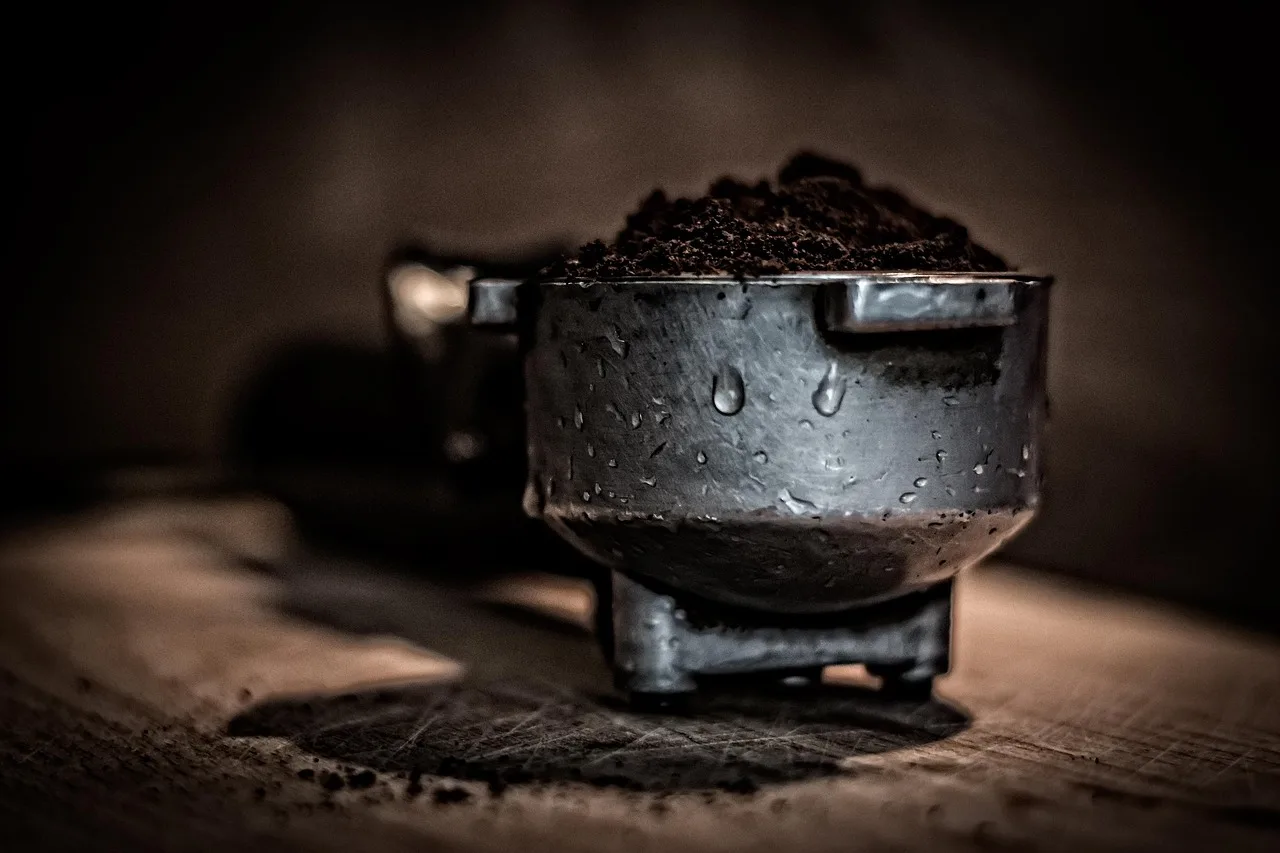
The most reliable coffee machine type for home use is usually a simple drip coffee maker because it has fewer moving parts, fewer seals, and fewer systems that can clog. Pod machines can also be dependable. Bean-to-cup and espresso machines usually face more wear points and more maintenance-sensitive failures.
What tends to fail first by category
In drip machines, common weak points are carafes, basket hinges, and scale-related heating issues. In pod machines, puncture needles, pumps, and small valves can become the trouble area. In dual machines, any shared water-routing part becomes more stressed because the machine is doing more than one job.
In bean-to-cup and espresso machines, grinder wear, pump strain, solenoids, seals, and milk-system clogging are the usual risk areas. None of that makes them bad buys. It simply means the owner should buy with open eyes.
How Consumer Reports testing and owner satisfaction data help
Consumer Reports tested more than 160 coffee makers, and that broad lab comparison is useful because it covers drip, single-serve, and dual coffee makers. Testing and satisfaction data do not guarantee a perfect unit, but they can signal whether a machine category or model has a stable ownership track record.
The Bunn HB Heat N Brew Programmable is a strong example of why slow-and-steady can still be a smart buy. It takes 12 minutes to brew a pot, yet it stands out for excellent ease of cleaning and excellent reliability and satisfaction signals.
Why simpler machines often outlast more automated ones
More automation means more parts, more sensors, and more pathways for water, coffee, or milk. Simpler machines ask less from seals and motors. That usually gives them a longer, calmer ownership life, especially in homes that want coffee with minimal intervention.
Maintenance habits that matter more than brand loyalty
Water quality matters. Timely descaling matters. Letting milk residue sit matters in the worst way. Cleaning a grinder before oily coffee builds up matters. A good brand cannot save a machine from neglect, and a modest machine often runs well for years when the owner stays ahead of scale and residue.
Brand and model comparisons that matter in real kitchens
Bunn HB Heat N Brew Programmable vs Cuisinart PerfecTemp DCC-3200 for dependable drip brewing
This comparison is less about raw capacity and more about routine. The Bunn HB Heat N Brew Programmable takes 12 minutes to brew a pot and carries strong cleaning and reliability signals. The Cuisinart PerfecTemp 14 Cup Programmable DCC-3200 adds a 14-cup capacity, programmability, and brew strength adjustment in a familiar glass-carafe format.
The Bunn suits buyers who want a stable, low-drama machine and can accept a longer brew cycle. The Cuisinart suits homes that value scheduling and larger output. Neither should be judged by feature count alone. Carafe preference, counter height, and cleaning access matter more here.
Ninja coffee machine review vs Breville: versatility, espresso expectations, and cleaning burden
Ninja usually appeals to buyers who want broad drink coverage with less manual espresso work. Breville usually appeals to buyers who want stronger espresso control, faster serious workflow, and more direct involvement. That split matters more than counting presets.
Against the Breville Barista Touch, the key practical difference is workflow style. The Breville heats in 3 seconds, offers 30 grind settings, uses a 54 mm stainless steel portafilter, and can store up to 8 personalised coffees. That favors repeat espresso drinkers. A Ninja AutoBarista Pro makes more sense for buyers who value wider automation and accept a machine that can ask more cleaning in exchange for versatility.
Ninja coffee machine review vs Sage: practical differences in footprint, speed, and upkeep
In many markets, Sage occupies a similar ownership space to Breville. The useful comparison with Ninja is not image or brand cachet. It is whether the machine fits the counter, whether the tank can be accessed cleanly, how many milk parts need rinsing, and whether the owner wants guided espresso workflow or broader automatic convenience.
Where Sage-style espresso machines tend to win is drink control. Where Ninja often wins is breadth of use case. The buyer who drinks espresso daily may outgrow broad convenience faster than expected. The buyer who alternates between coffee styles may resent a more focused espresso machine.
Breville Barista Touch and Ninja AutoBarista Pro: who should buy each
Choose the Breville Barista Touch for a home that wants a premium espresso-first machine and will use the grinder and saved drink settings often enough to justify the upkeep. Choose the Ninja AutoBarista Pro for a home that values versatility more than maximum espresso involvement and is comfortable with a broader cleaning routine.
Solo-focused picks: narrowing the field for one-person households
Most broad coffee machine reviews overlook the specific spatial and maintenance constraints of living alone. To address this, our guide identifies the best coffee machines for one person at home, focusing on compact footprints, low cleaning burdens, and single-cup efficiency. This supporting piece breaks down top contenders across pod, drip, espresso, and bean-to-cup categories, specifically highlighting units that fit small counters and require minimal upkeep. It helps you match your daily routine to a machine that doesn’t waste water or demand excessive cleaning. solo coffee machine picks
Minimizing Weekly Upkeep: The Low-Maintenance Approach
Many coffee enthusiasts overlook that brewing convenience is often overshadowed by the time spent descaling, emptying drip trays, and scrubbing milk components. To prioritize your schedule over manual cleaning, you need a machine built around automatic rinse cycles and removable brew groups rather than manual intervention. We break down which specific models reduce this weekly burden and why super-automatic systems outperform manual espresso stations in ease of upkeep.
You can explore the specific rankings and maintenance scorecards in our guide to best low-maintenance coffee machines to find the option that fits your daily routine without adding hidden labor costs.
Lowest-Effort Daily Routines: Pod and Drip Comparisons
Pod machines and drip makers are the two lowest-effort options because they strip out almost all post-brew tasks. The supporting guide compares these categories against French presses and espresso machines to pinpoint which setup leaves you only with an empty drip tray versus manual scrubbing of grounds and milk residue. It is designed for households that value time-saving over complex brewing rituals, focusing strictly on reducing the daily friction of maintenance.
If you prioritize a near-zero-cleanup experience over manual grinding or complex extraction techniques, best low-cleanup machines offers a ranked breakdown of the exact models that remove these steps.
Matching Machine Complexity to Your Work Schedule
Remote work demands a brewing setup that respects your focus and calendar. The supporting guide breaks down machine types by refill frequency, call-friendly noise levels, and cleaning load, ensuring your coffee routine does not interrupt your workflow. It identifies which models, from one-touch bean-to-cup systems to low-maintenance pod devices, align best with different workday structures to prevent wasted time on maintenance. remote worker machine options
Selecting the right hardware matters because a poor fit leads to frequent interruptions, excessive noise, or tedious cleanup tasks that erode productivity. This resource helps you weigh these practical factors to find a machine that supports a steady pace of work without demanding extra attention.
Stepping Up from Instant: Your Simplest First Upgrade
Moving from instant coffee to a brewer often fails when buyers ignore the difference in maintenance and consumables. A detailed guide ranks pod, drip, and hybrid machines specifically for this transition, prioritizing learning curve and total running cost over complex features. The article explains why pod systems offer the least friction for beginners, while drip makers provide lower long-term savings for larger households. upgrade paths from instant include specific model recommendations like the Keurig K-Express, ensuring you avoid waste or hassle that makes the new routine feel inferior to your old habit.
Is an integrated grinder worth it in a coffee machine?
An integrated grinder is worth it when fresher grinding, faster workflow, and fewer separate appliances matter more than simpler maintenance and easier repair. For espresso-focused homes it can be a strong fit. For low-maintenance buyers, the combined grinder-and-brewer design often creates extra cleaning and more expensive failures.
When fresh grinding changes cup quality enough to matter
The quality gain matters most in espresso and strong short drinks, where grind freshness and grind adjustment are more obvious in the cup. It matters less for buyers who drink large mugs with milk and care more about convenience than chasing extraction precision.
The maintenance and repair tradeoff of all-in-one machines
All-in-one machines save space, but they combine failure points. Grinder retention, static, oily bean buildup, and chute cleaning become part of normal ownership. If the grinder has problems, the brewer can become much less useful even when the brew side still works.
Who should skip the built-in grinder and buy separate gear
Buyers who want the easiest upkeep, the longest service life, or the flexibility to replace one component at a time should usually skip the integrated grinder. A separate drip brewer and grinder often create a calmer ownership pattern than an all-in-one machine with more internal complexity.
Frequently asked questions
what is the most reliable coffee machine
The most reliable choice is usually a simple drip coffee maker with few moving parts, easy descaling access, and no milk system. Reliability improves further when the machine has a removable reservoir, straightforward basket design, and an owner who keeps scale under control instead of delaying maintenance.
which coffee machine is best for home use
The best machine for home use depends on the drinks served most often. Drip wins for batch coffee and low effort. Single-serve wins for one-cup speed. Bean-to-cup and espresso win for espresso-based drinks, but only when the buyer accepts extra cleaning and higher ongoing ownership cost.
which coffee machine brand is best
No brand is best across every category. Bunn stands out when dependable drip ownership matters. Cuisinart is a practical mainstream drip option. Breville is strong for espresso-focused homes. Ninja appeals to buyers who want broad drink flexibility. The best brand is the one that fits routine, cleaning tolerance, and support needs.
ninja coffee machine review vs breville
Ninja usually makes more sense for versatility-first buyers, while Breville suits espresso-first buyers who want more control and will use it often. The ownership split is clear: Ninja can ask broader cleanup across functions, while Breville asks more espresso-specific care but rewards repeated focused use.
best coffee machine for home use with low maintenance
A drip coffee maker is the best fit for low-maintenance home use in most kitchens. It keeps daily cleanup short, avoids pod costs, and usually has fewer failure points than bean-to-cup or espresso machines. A single-serve pod machine can also work well when speed matters more than lowest long-term cost.
Products related to this article
Sponsored / affiliate links. As an Amazon Associate I earn from qualifying purchases. I may earn additional commission from eligible campaigns.
 Coffee Espresso Machine Handle Replacement Parts, Cafe Bracket Handle for Lidl Silvercrest CM4621 CM4218 KF5002 KF500S Barista (for 51mm Portafilter Basket - Not included)
 Linnkyfloa Coffee Espresso Maker Handle Replacement for Stovetop Moka Pot or Percolator, Black Plastic for Spare Part Compatible with Italian(9-12 Cup)
 Coffee Pot Handle Replacement, Black Plastic Parts for Espresso Moka Pot, 1 3 6 9 12 Cup Capacity,Easy Install(3 Cup)