Decode any espresso order with three levers: shot count, milk texture, and add-ins; start with 1-2 shots, then choose water or milk, and finish with foam, syrup, or sweetener. Miss those levers and a cappuccino, latte, and flat white blur together, so you pay for drinks that taste weaker, milkier, or sweeter than you wanted. I use this exact frame at the bar and at the counter, because it explains most menus fast. This guide maps common espresso menu terms, shows how each drink changes with shots, water, milk, and foam, and gives simple order formulas you can customize fast.
How espresso drinks are really built


The base shot: single espresso, doppio, and what 1 oz vs 2 oz changes
Espresso is made by pushing hot water at high pressure through a compact puck of finely ground coffee. A typical espresso serving size is 25–30 ml, and espresso usually extracts in about 25–30 seconds. That short pour is the base in drinks such as cappuccino, caffè latte, and americano.
An espresso shot is the concentrate underneath the menu. It has a dark body topped with crema, the light-colored surface foam that forms during extraction. Crema changes texture and aroma, but I would never treat it as a simple pass-fail badge. More is not always better.
A single shot is often around 1 ounce, give or take. A doppio is a double shot at about 2 ounces, and many cafes build larger drinks on that base because the extra coffee stands up better to milk or water. A standard double shot recipe uses 18 grams of coffee and aims to yield 28–36 grams of espresso. (en.wikipedia.org)
That one choice changes everything. Keep the cup size the same and add another shot, and the drink tastes denser, more aromatic, and less milk-led. Keep the shot count fixed and add more milk or water, and the drink softens.
Milk as a variable: steamed milk, microfoam, and foam thickness
Milk is not one setting. A latte, flat white, cappuccino, cortado, and macchiato all use espresso and milk, but the texture and amount are different enough to create different drinks.
Microfoam matters most. It is finely textured steamed milk foam suspended through the milk rather than sitting on top as a stiff cap. In a good cappuccino or latte, microfoam changes mouthfeel, carries sweetness, and shapes latte art.
A cortado uses milk texture closer to wet paint than thick foam. A latte uses more steamed milk with a thin microfoam layer. A cappuccino follows the rule of thirds: espresso, milk, and foam, though modern versions are often built with finer microfoam rather than dry, airy foam.
Ask for less foam, extra foam, dry, wet, no-foam, or no-steam milk, and the name may still stay the same on the ticket while the drink in the cup changes a lot.
Water and dilution: when a drink becomes an Americano
Once hot water enters the cup, the drink moves toward Americano territory. An Americano is built by pulling espresso into a cup and lengthening it with hot water, usually ordered by people who want a longer drink with espresso aroma but less concentration than straight shots.
This is where black coffee drinkers usually find their easiest entry point. The drink is larger, less intense than a straight espresso, and easier to sip over time. It still does not taste like drip coffee. Body, aroma, and finish stay more espresso-like.
Some cafes also accept long black style orders, where the shot is poured over water rather than water over the shot. The difference is subtle but real in texture and crema retention.
Add-ins and sweetness: syrups, sauces, and when a named drink stops being a classic
Add-ins are the fourth dial, even if the first three do most of the work. Syrup, sauce, sugar, sweetener, ice, dairy-free milk, or a splash of cold milk can all change the drink without changing the base espresso.
There is a practical line here. An espresso with vanilla syrup and a little oat milk is no longer usefully decoded by a classic Italian drink name. It is better ordered as what it is: espresso plus add-ins.
That approach cuts mistakes. It also helps with edge cases such as no-steam milk, syrup with no milk, or an extra shot in a very small cup.
📊 A typical espresso serving size is 25–30 ml. Source: Espresso.
Choosing espresso drinks for hot weather
When temperatures rise, the wrong espresso order leaves you with a heavy, overly sweet cup that fights the heat instead of cutting through it. Iced Americanos deliver maximum refreshment with zero dairy, iced lattes provide a creamy breakfast option that stays cold, and espresso tonics offer a bright, low-sugar alternative built on carbonation rather than milk.
Ranking these options by sweetness, milkiness, and actual morning utility helps you order confidently before the day warms up. Our guide to summer espresso drinks breaks down exactly which preparation matches your caffeine needs when the weather demands something chilled and balanced.
How to order espresso drinks with less caffeine
You can enjoy espresso flavor without overdoing caffeine by ordering a single-shot latte, cappuccino, or macchiato. Sticking to one shot—or requesting half-caf when available—keeps milligrams low enough to avoid jitters and sleep disruption.
Understanding how shot count changes your total intake helps you customize confidently at the counter. This guide to low-caffeine espresso drinks breaks down a simple ordering rule, compares popular options in a quick-reference matrix, and explains whether pulling a ristretto actually reduces caffeine. It also covers swaps that preserve rich espresso taste while cutting back on stimulants.
Espresso vs lungo: which cup delivers more intensity?
If you’re trying to decide between a short, concentrated shot and a longer, more diluted one, this espresso vs lungo guide explains the practical difference in taste, strength, and volume. Espresso is typically smaller and more intense, while lungo uses more water, which can make it feel lighter and sometimes more bitter.
That matters because the wrong choice can change how balanced the drink tastes in your cup. The article breaks down what each style means, so you can match the shot to your preference instead of guessing from the name alone.
Espresso vs ristretto: how the two shots differ
Espresso and ristretto are both short coffee shots, but they are not the same thing. The supporting guide explains that ristretto is a smaller, more concentrated pour, while standard espresso usually runs longer and can deliver equal or slightly more caffeine. That difference matters because “stronger” can mean taste intensity, bitterness, or caffeine level, and those don’t always line up.
If you want to order with confidence, this breakdown of espresso vs ristretto shows when each shot makes sense, how brew ratio and extraction time change flavor, and why a smaller cup can still feel more intense without necessarily having more caffeine.
Espresso macchiato, explained
If you’re trying to tell an espresso macchiato apart from other coffee drinks, the key is simple: it starts with a normal espresso shot, then gets just a small amount of milk foam. That tiny addition changes the texture more than the strength, so the drink stays bold and compact instead of turning creamy or large. The supporting guide on espresso vs macchiato breaks down that difference clearly, along with how latte macchiatos and coffee-shop “macchiatos” fit in.
That matters because the name “macchiato” is used in more than one way, and ordering the wrong version can mean getting a drink that is sweeter, larger, or milkier than you expected.
How to order espresso drinks without dairy
If you need a dairy-free espresso drink, the safest starting points are simple builds: straight espresso, an Americano, or an espresso drink made with oat, almond, or soy milk. The supporting guide breaks down which common drinks are usually easy to adapt, where hidden dairy shows up in sauces and toppings, and which menu items are most likely to need extra caution. It matters because a drink can sound dairy-free and still contain milk, cream, or a dairy-based flavoring.
Use this dairy-free espresso guide to compare drink types, spot risky ingredients, and decide what to order first when you want a reliable match for your diet.
How milk fat changes espresso texture and calories
The type of milk you choose fundamentally dictates the mouthfeel and caloric impact of your espresso drink. Whole milk creates the densest foam and richest taste, while skim milk results in a lighter, drier beverage with less natural sweetness. Selecting the wrong fat percentage can leave your latte tasting flat or unexpectedly heavy, disrupting the intended balance of the shot. To see exactly how each fat level affects flavor, foam stability, and calorie counts, check out the comparison of espresso milk options. This breakdown helps you align your choice with specific dietary goals without sacrificing quality.
Espresso vs cortado: how the milk cut changes flavor
If you want a quick rule: espresso is the more intense, concentrated cup, while a cortado adds just enough milk to soften the edges without turning it into a milk-heavy drink. The supporting guide breaks down the usual 1:1 milk ratio, how that changes body and bitterness, and why the two drinks can feel very different even when the coffee dose is similar. It also helps you avoid ordering mistakes when you want a sharper shot versus a smoother cup. For a clear side-by-side explanation, see espresso vs cortado.
What do espresso drink names actually tell you?
Espresso drink names usually signal four things: shot count, milk level, foam level, and cup size. They do not guarantee a fixed recipe across cafes. The safest way to read a menu is to treat the name as a starting point, then confirm size, number of shots, and milk texture.
What the name usually signals: shot count, milk level, foam level, cup size
Names are shorthand. Espresso and doppio tell you the coffee base. Americano signals added water. Macchiato signals a small amount of milk or foam. Cortado signals equal parts espresso and milk. Cappuccino, flat white, and latte mainly differ by milk volume and foam style.
That means the name is useful, but incomplete. A 6 ounce cappuccino and a 12 ounce cappuccino can taste like different drinks even if both are called cappuccino.
Why the same drink can change from cafe to cafe
Three names vary more than most: macchiato, flat white, and cappuccino. A traditional macchiato is small. A modern cafe macchiato may be larger, layered, or sweet. Flat whites can range from short, strong milk drinks to something very close to a small latte.
Shot defaults also vary. Some shops build a small latte on one shot. Others use a doppio for nearly every milk drink. That is why cup size alone can mislead.
The safest follow-up questions to ask before ordering
- How many shots come in that size?
- Is the milk mostly steamed milk or a thicker foam cap?
- About how large is the cup?
- For a macchiato, do you mean the small traditional style?
- For a flat white, is it closer to a cortado or a latte?
Core espresso drinks decoded
Espresso and doppio
Straight espresso is the clearest expression of the base shot. A typical serving size is 25–30 ml, with crema on top and a short, concentrated sip. It tastes strong because the liquid is concentrated, not because the total beverage is large.
Doppio simply doubles that idea. About 2 ounces in the cup, more caffeine, more body, more staying power against milk. If a cafe does not state shot count, many larger drinks are built on a doppio by default.
Americano and long black style orders
An Americano stretches espresso with hot water. It appeals to black coffee drinkers because it drinks like a longer cup while keeping espresso aroma. Compared with drip coffee, it often feels heavier in body and sharper in finish.
If ordering for less bitterness and a bit more crema presence, ask whether the shop can do a long black style pour. The name matters less than the build.
Macchiato and cortado
An Italian macchiato is espresso with frothed milk. In practical menu terms, that means a small espresso “marked” with a little milk foam or steamed milk in a small cup or demitasse. It keeps espresso front and center.
A cortado is equal parts espresso and milk. Cortados are served in 4.5 oz glasses, and that ratio matters more than the glass. The milk texture should be smooth and integrated, closer to wet paint than a thick foam dome.
If two drinks both sound small, this is the split: macchiato has very little milk, cortado has enough milk to soften the edges clearly.
Cappuccino, flat white, and latte
A cappuccino follows the rule of thirds: espresso, milk, and foam. Modern cappuccinos are often 6 ounce drinks, usually with microfoam rather than stiff, dry foam. The result is airy enough to feel lighter, but still espresso-led if the shot count holds up.
A flat white usually sits between cortado and latte in feel. It is a smaller milk drink with a higher espresso-to-milk ratio than a latte and only a small amount of foam. In some cafes, it reads like a stronger small latte.
A latte is the most milk-forward of the common classic drinks. A latte is described as an 8-12 ounce drink in the US, with more steamed milk and a thin layer of microfoam. That larger milk volume makes it taste softer, even when shot count is unchanged.
Best espresso drinks for cold-weather orders
If you want a winter-friendly espresso drink, this guide narrows the field to the cups that stay satisfying in cold weather: creamy, chocolatey, lightly spiced, or simply less bitter. It compares options like white mocha, caffé breve, caffé mocha, latte, chestnut praline latte, and espresso with brown sugar and cinnamon, so you can match the drink to your mood instead of guessing at the menu.
It also explains what each choice offers at a café or at home, including quick swaps for stronger, milder, and dairy-free versions. That makes the winter espresso drinks guide useful when you want a warmer, more balanced cup without ending up with something thin, harsh, or overly sweet.
Low-Sugar Espresso Orders
If you want espresso without a big sugar load, this guide shows which drinks usually stay the simplest and how to order them with fewer hidden sweeteners. It explains why a straight espresso or unsweetened Americano is the safest starting point, then breaks down where sugar creeps in through milk, syrups, cold foam, and drizzles. That makes it easier to choose a drink that fits your goals without guessing at the counter.
The article also ranks common café options by hidden-sugar risk and gives practical customizations you can use right away. For a clearer shortlist of the best choices, see best espresso drinks.
What is the difference between a cappuccino and a latte?
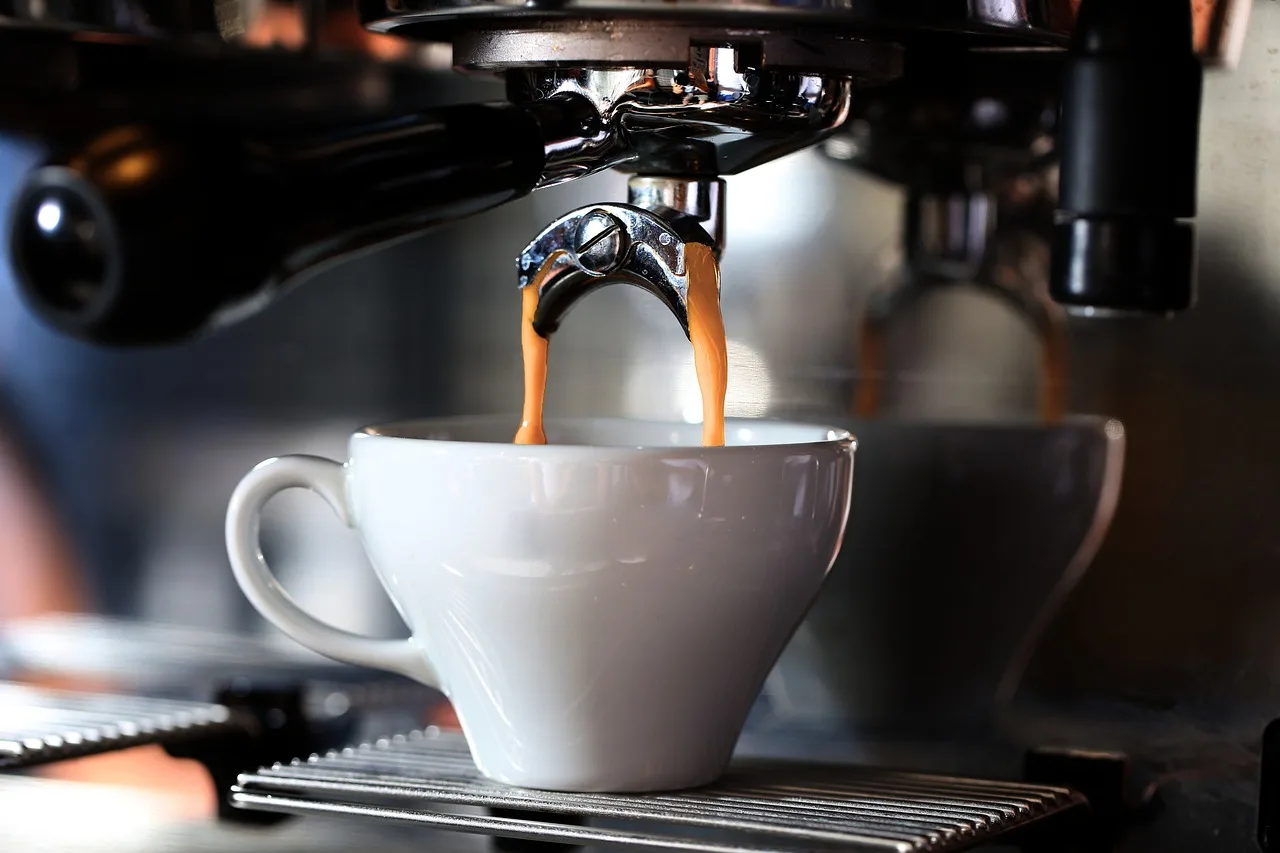
A cappuccino usually has less milk, a stronger espresso impression, and more foam presence than a latte. A latte usually has more steamed milk, a thinner microfoam layer, and a larger cup. If both use the same shots, the cappuccino tastes stronger because the coffee is less diluted.
Milk volume and espresso intensity
This is the biggest difference in real ordering. Put two shots into a 6 ounce cappuccino and the coffee will show up clearly. Put those same two shots into a 12 ounce latte and the milk takes over more of the flavor.
That does not mean the latte is weaker in caffeine. It means it is less concentrated per sip.
Foam and microfoam texture
Cappuccino texture should feel lighter. Latte texture should feel silkier and more uniform from top to bottom. In modern shops, both are often made with microfoam, but the cappuccino usually carries a deeper foam layer.
If a shop asks dry or wet, dry means more foam and less liquid milk. Wet means less foam and more milk.
Typical cup sizes in modern cafes
Modern cappuccinos are often 6 ounce drinks. Lattes in US cafes are usually 8-12 ounces. Those sizes are common reference points, not promises from every menu.
A large cappuccino can drift toward latte territory fast. I have seen that mismatch confuse more orders than almost anything else on a cafe menu.
Which one to order based on taste, not reputation
Order a cappuccino when the goal is milk plus a clear espresso edge and lighter texture. Order a latte when the goal is a softer, longer drink with more milk sweetness and less bite. Ask for the shot count either way.
How cappuccinos and lattes differ in milk, foam, and feel
If you’re trying to choose between these two espresso drinks, the key difference is the milk structure: cappuccinos are built around a more even balance of espresso, steamed milk, and foam, while lattes lean creamier with more steamed milk and less foam. That changes not just strength, but also texture, temperature feel, and how much the coffee flavor shows through.
This cappuccino vs latte guide breaks down the ratios, size differences, and common café label mix-ups so you can order the drink that actually matches the mouthfeel and flavor you want.
What is a cortado, and what is a macchiato?
A cortado is equal parts espresso and milk, usually around 4.5 oz, while a traditional macchiato is espresso marked with a small amount of milk or foam. Both are small, but the cortado is balanced and softened by milk; the macchiato stays much closer to straight espresso.
Cortado: equal parts espresso and milk, usually around 4.5 oz
A cortado is one of the easiest drinks to decode because the ratio does the work. A cortado is equal parts espresso and milk, and cortados are served in 4.5 oz glasses. Milk texture matters here: smooth, glossy, integrated, not piled high.
For someone who wants milk without losing espresso character, this is often the safest order on the board.
Traditional macchiato: espresso marked with a little milk or foam
The traditional version is simple. An espresso shot, then a small amount of frothed milk or steamed milk. Enough to soften the top notes a little. Not enough to turn it into a small latte.
That keeps it in the least-milk group along with espresso and doppio.
Why modern macchiato can mean something very different
On some menus, macchiato means a flavored layered drink in a much larger cup. That is why “macchiato” is one of the least reliable names in cafe ordering if no other details are given.
When the menu style looks mixed between classic and chain-cafe language, ask for the traditional version explicitly.
How to order both drinks clearly in shops with mixed menu styles
Useful phrasing helps. For cortado: “A cortado, please, equal espresso and milk.” For macchiato: “A traditional espresso macchiato, small, with just a little foam.” Those extra words prevent most mix-ups.
How do you choose the right espresso drink for your taste?
Choose by intensity first, then milk, then sweetness. Black coffee drinkers usually do best with espresso, doppio, or Americano. People who want some milk without losing coffee flavor should start with macchiato, cortado, or flat white. Those who want a softer drink usually prefer cappuccino or latte.
If you like black coffee: espresso, doppio, Americano, or long black style orders
Start here if milk is not the goal. Espresso if the person wants concentration. Doppio if one shot feels too brief. Americano if the person likes a larger cup and slower drinking pace.
For a first espresso-cafe order, black coffee drinkers are often happiest with a small Americano or long black style order rather than jumping straight to straight shots.
If you want some milk without losing espresso character: macchiato, cortado, flat white
These sit in the middle. Macchiato keeps milk to a minimum. Cortado balances milk and espresso. Flat white usually gives a slightly softer ride while staying stronger than a latte in relative coffee presence.
Ask how large the flat white is before committing. Size tells you a lot.
If you want a softer drink: cappuccino or latte
Cappuccino gives lighter texture and more foam feel. Latte gives more milk sweetness and a longer drink. If syrups are in play, latte is usually the easier base because the extra milk buffers sweetness.
If you are new to espresso: best beginner orders and easy modifications
- Like black coffee: small Americano.
- Like some milk: cortado.
- Want milkier and mild: latte.
- Want sweet: latte with syrup, or an iced latte.
- Want strong but approachable: flat white with an extra shot if the cup is larger than expected.
Espresso vs americano: how to choose the right cup
If you want a quick way to choose between these two drinks, the difference is simple: espresso is short, concentrated, and intense, while an americano is espresso diluted with hot water for a longer, lighter-tasting cup. That affects flavor, strength, and even how you should order at the counter. The supporting guide breaks down espresso vs americano so you can tell what you’re getting before you buy.
It also explains practical details that matter in real ordering situations, including cup size, caffeine expectations, crema, and why terms like lungo can sound similar but mean something different. If you want to avoid getting a drink that feels too strong or too weak, this comparison will help you order with confidence.
Espresso vs latte: how to choose between them
If you’re deciding between a straight espresso and a latte, the main tradeoff is intensity versus softness. Espresso delivers a concentrated coffee flavor in a small, low-calorie cup, while a latte stretches that espresso with milk for a smoother taste and a gentler sip. The right choice depends on whether you want stronger coffee character, more milk, or a drink that feels easier to drink over time.
The full espresso vs latte guide breaks down taste, caffeine, milk content, calories, and when a double-shot latte makes more sense than either drink alone. That makes it useful if you want a quick comparison before ordering, especially when bitterness, fullness, or caffeine level matters.
Which espresso drinks taste the smoothest?
If bitterness is the main problem, the best starting point is usually a latte, because its milk content softens espresso’s sharp edges without hiding the coffee entirely. For a drink that still tastes a bit stronger but smoother than straight espresso, a flat white or a cappuccino can be a better fit, depending on whether you want more creaminess or more foam.
The smoothest espresso drinks guide breaks down which orders rank lowest in bitterness and highest in creaminess, sweetness, and balance, so you can choose a drink that matches your taste instead of guessing at the counter.
How should you customize an espresso order without ruining the balance?
Customize by changing one lever at a time. Add an extra shot for more intensity, reduce foam for a denser milk texture, or swap milk type for dietary needs. Trouble starts when multiple changes pile up and the drink name no longer describes the cup accurately, especially with macchiatos, flat whites, and cappuccinos.
Extra shot, fewer shots, and what that does in each cup size
Shot count matters more than many people expect. A 12 ounce latte with one shot can taste flat. The same drink with two shots feels more balanced. An extra shot in a cortado can make the drink noticeably more aggressive.
If the cup is large and the goal is coffee flavor, extra shot is usually the first modification to consider. If the cup is small, think twice before adding more unless intensity is the whole point.
Dry, wet, no-foam, extra-hot, and kid-temperature requests
Dry cappuccino means more foam and less liquid milk. Wet cappuccino means more milk and less foam. No-foam latte removes the top layer and gives a flatter texture. Kid-temperature milk cools the drink for easier drinking, though some sweetness and foam behavior can change.
Extra-hot can dull texture and make foam less pleasant. It is possible, but it usually moves the drink away from its best form.
Dairy-free swaps, no-steam milk, iced versions, and syrup add-ins
Espresso and Americano are naturally dairy-free. Latte, cappuccino, flat white, cortado, and macchiato can become dairy-free with oat, soy, almond, or another plant milk if the cafe offers it.
No-steam milk creates a different drink. Espresso with cold milk is best ordered exactly that way instead of forcing a classic name to cover it. The same goes for syrup with no milk or iced espresso with foam only.
Failure cases: when the drink name is too inconsistent to trust on its own
Three red-flag orders need follow-up questions: macchiato, flat white, and large cappuccino. Those names vary enough that the safest move is to ask about size, shot count, and milk texture.
If the menu language sounds vague, order by build: “double espresso with hot water,” “double espresso with equal milk,” or “latte, less foam, no syrup.” Plain language beats menu mythology.
Printable espresso drink decoder table
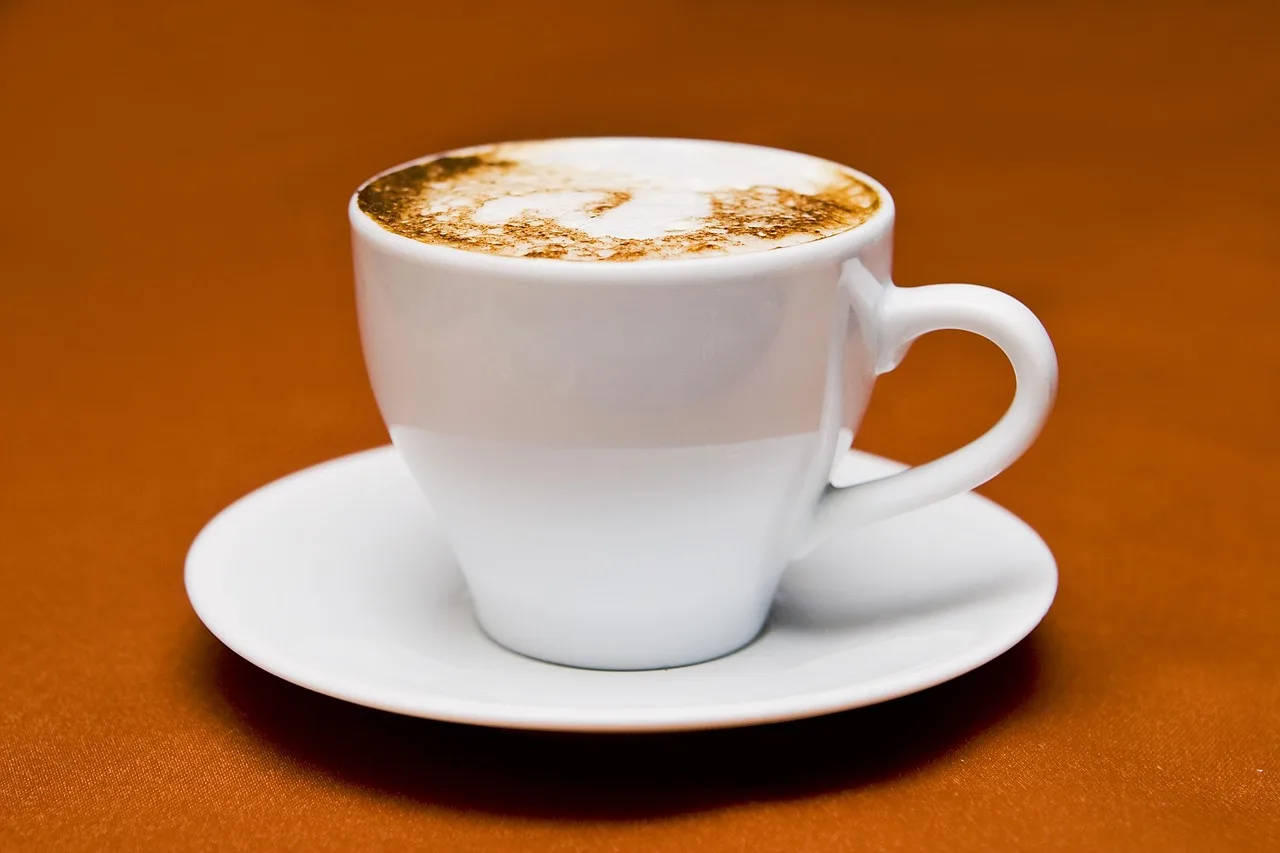
How to use the table by shot count, milk type, foam level, and size
Read across each row, not down one column. A drink is never just its name. The shot count tells intensity, milk type tells softness, foam level tells texture, and cup size tells dilution. The modifications column gives the safest way to shift the drink without turning it into something else.
Drink-by-drink decoder
| Drink | Typical shot count | Milk type | Foam level | Typical cup size | Sweetness level | Best-order modifications |
|---|---|---|---|---|---|---|
| Espresso | 1 shot | None | Crema only | 25–30 ml | Unsweetened | Add a second shot if one feels too brief; ask for sugar on the side if desired |
| Doppio | 2 shots | None | Crema only | About 2 oz | Unsweetened | Good base when moving into milk drinks; can be split over ice or hot water |
| Americano | 1–2 shots | None by default | No milk foam | Larger than straight espresso | Unsweetened | Ask for room for milk, or long black style if preferred |
| Macchiato | 1 shot | Small amount of steamed milk or foam | Low | Small cup or demitasse | Unsweetened | Say “traditional” if that is the goal; ask for a little steamed milk instead of foam if preferred |
| Cortado | Usually 2 shots | Equal parts milk | Very light microfoam | 4.5 oz | Low natural milk sweetness | Best first milk drink for coffee-led flavor; avoid large sizes |
| Cappuccino | 1–2 shots | Steamed milk | Medium to high microfoam | Often 6 ounce | Low natural milk sweetness | Ask wet or dry; confirm size because large cappuccinos vary a lot |
| Flat white | Usually 2 shots | Steamed milk | Low microfoam | Small to medium | Low natural milk sweetness | Ask whether it is closer to a small latte or a cortado-style milk drink |
| Latte | 1–2 shots | Steamed milk | Thin microfoam | 8-12 oz | Moderate from milk; higher if syrup added | Add a shot for more coffee presence; ask for less foam or dairy-free milk if needed |
Sweetness and modification column: how to adapt each drink to your taste
Sweetness in espresso drinks often comes from milk first, syrup second. A latte can taste sweeter than a cappuccino without any syrup simply because there is more steamed milk. That is useful for beginners who want a softer start without ordering dessert in a cup.
Best quick decoder: more milk means gentler intensity, more foam means lighter texture, more water means longer and less concentrated, more shots means stronger coffee presence.
What the table cannot standardize across cafes
The table cannot force every cafe to use the same shot count, cup, or milk texture. It gives a clean decoding frame, not a universal recipe law. Use it to ask better questions, especially when the menu uses modern chain terms and classic espresso terms side by side.
What do espresso drink sizes and caffeine amounts mean?
Cup size tells you dilution and mouthfeel more than caffeine. A 6 ounce cappuccino can taste stronger than a 12 ounce latte because the same espresso sits in less milk. Caffeine tracks more closely with shot count, and a shot of espresso can range from 63 to 75 mg of caffeine.
Why a 6 oz cappuccino can taste stronger than a 12 oz latte
This is the concentration issue again. Modern cappuccinos are often 6 ounce drinks. Lattes in US cafes are usually 8-12 ounces. If both contain the same espresso, the smaller cappuccino tastes stronger because less milk stands between the coffee and the palate.
How shot count matters more than cup size for caffeine
A bigger cup can still hold the same amount of espresso. That means the drink may taste milder while delivering similar caffeine. Ask how many shots come in the size ordered instead of assuming small means low caffeine or large means high caffeine.
How much espresso can i drink a day
There is no one right number for everyone, but practical caution starts with counting shots, not drink names. Since a shot of espresso can range from 63 to 75 mg of caffeine, several milk drinks can add up quickly. Sensitivity, body size, medications, and timing all matter, so this is general guidance, not medical advice.
For a simple self-check, count every espresso base in the day: cappuccino, latte, Americano, iced latte, all of it. Many people underestimate intake because a large milk drink tastes gentle. The shots underneath still count.
Frequently asked questions
what to mix with espresso shot
Good mixers are hot water, steamed milk, a small amount of foam, ice, dairy-free milk, sugar, syrup, or sauce. Water turns it into an Americano. Milk turns it into drinks like cortado or latte. Once several add-ins pile up, order by build instead of forcing a classic drink name.
what are the best espresso drinks for beginners
Beginners usually do best with a small Americano if they like black coffee, a cortado if they want some milk, or a latte if they want the softest entry. A flavored latte also works for sweet preferences, but asking for the shot count keeps it from tasting bland.
which espresso drinks have the least milk
The least-milk group is espresso, doppio, traditional macchiato, and cortado, in that order. Flat white can also fit near this group depending on shop style, but it varies too much to assume. If milk matters, ask how large it is and how much foam it gets.
which espresso drinks are dairy-free
Espresso and Americano are dairy-free by default. Macchiato, cortado, cappuccino, flat white, and latte contain milk unless the cafe swaps in a plant milk. If dairy-free is the goal, say the milk choice clearly and avoid assuming the drink name tells the whole story.
what do espresso drink sizes mean
Size mostly tells you how diluted the espresso will feel, not what the drink is in a strict sense. A small latte and a large latte may use the same number of shots. That is why size, shot count, and milk texture should always be read together.
what espresso drink should I order if I like black coffee
If black coffee is the starting point, order an Americano, long black style drink, espresso, or doppio. Americano is usually the safest first step because it keeps espresso aroma while giving a longer, less intense cup. Ask for the number of shots so the strength lands where expected.
Products related to this article
Sponsored / affiliate links. As an Amazon Associate I earn from qualifying purchases. I may earn additional commission from eligible campaigns.
 Mixpresso 3 Cup Moka Pot Stovetop Espresso Maker, Italian Cuban Coffee Pot
 Coffee Espresso Machine Handle Replacement Parts, Cafe Bracket Handle for Lidl Silvercrest CM4621 CM4218 KF5002 KF500S Barista (for 51mm Portafilter Basket - Not included)
 HomeBeyond Espresso Coffee Maker 12 Cups, Classic Stovetop Espresso Maker, 600ml / 20oz Coffeemaker for Gas & Ceramic Stovetops (Silver)