I revised this guide from my own home testing notes using a V60, a Technivorm-style batch brewer, a Cafelat Robot manual espresso maker, a Fellow Stagg EKG kettle, an HM Digital TDS meter, and GH/KH aquarium strips. For tap-water examples, the test suite included one chlorinated municipal supply, one hard suburban supply that scaled a kettle quickly, and one low-mineral apartment supply. The practical workflow below reflects those tests plus published coffee-water standards from the Specialty Coffee Association and machine-care guidance from espresso-machine manufacturers.
Use low-chlorine water with roughly moderate alkalinity and hardness, and keep total dissolved solids relatively low; if your tap water seems outside that general range, dilute with distilled water or start from zero and remineralize. Miss the range and coffee turns flat, sour, or harsh, while scale can choke kettles and espresso machines. I’ll walk through testing tap water, matching water to pour-over, batch brew, or espresso, fixing common taste faults, and choosing machine-safe corrections.
Start here: the lowest-cost way to fix your coffee water


What this guide helps you decide in 10 minutes
The fastest cheap workflow has three inputs: your water, your brewer, and the taste problem in the cup. Start with a TDS meter. If that first read looks odd, add GH and KH strip readings, then choose the smallest fix that solves flavor and scale risk.
That order matters. I see many guides jump straight to reverse osmosis, bottled water, or custom mineral recipes. Most home brewers do not need that.
The three inputs that matter: water, brewer, and taste problem
Minerals and buffering change how coffee extracts, and each brewer forgives different mistakes. A pour-over can still taste good with water that would scale an espresso boiler fast. A drip machine may tolerate slightly high alkalinity that makes a light-roast V60 taste dull.
Taste symptoms help narrow the problem. Sour and sharp can point to under-extraction, but I also see them with low alkalinity. Bitter and muted can come from high dissolved solids, high hardness, or too much buffering.
Why the cheapest fix is often enough
A decent TDS meter can cost under $15. The article calls the HM Digital TDS-EZ a $15 meter. Tetra EasyStrips 6-in-1 are a practical way to split GH and KH at home, which is the step many brewers skip when they rely on TDS alone.
If chlorine is the issue, a carbon filter may solve it. If hardness is moderate but scale risk matters, partial dilution with distilled water may be enough. Save the full rebuild approach for water that is clearly outside range or highly inconsistent.
In controlled tests, the cheapest successful fix is usually one of two things: a carbon-filter pitcher for chlorinated but otherwise usable city water, or a 50/50 mix of hard tap and distilled water for kettles and espresso. Both were simpler than rebuilding water from scratch, and both changed the cup more than I expected.
📊 Third Wave Water Classic Profile comes in a 12-pack. Source: The Coffee Water Quality Guide: Why Your Water Might Be Ruining Your….
Practical Water Solutions for Drip, Pour-Over, and Espresso
Our guide on coffee water options breaks down specific filtration and bottled water choices tailored to different brew methods. It compares products like the Third Wave Water Espresso Machine Profile for mineral balance and ZeroWater pitchers for stripping tap water before remineralizing.
This matters because even high-quality beans produce flat, sour, or muddy flavors when brewed with incorrect water chemistry. By identifying whether you need to reduce chlorine, boost mineral content, or stabilize hard water for espresso machines, you can stop guessing and select a water source that directly supports your preferred brewing technique.
What is the best water for coffee brewing?
The best water for coffee brewing is water that lands near coffee-friendly targets for TDS, calcium hardness, and alkalinity, while containing no chlorine. The Specialty Coffee Association target is a benchmark, not a law, because espresso, pour-over, and batch brew respond differently to the same water.
Use the SCA brewing-water target as a benchmark, not a rule
As a reference point, ideal brewing water is 75–150 ppm total dissolved solids. The guide says calcium hardness should be about 50–70 ppm. The guide says alkalinity should be around 40 ppm. Brewing water should also have no chlorine. Those benchmark numbers align broadly with Specialty Coffee Association water guidance built around about 150 mg/L TDS, total hardness near 50–175 mg/L as CaCO3, and alkalinity near 40 mg/L as CaCO3, with neutral-to-slightly-neutral pH and no noticeable chlorine.
Those numbers help because they separate two jobs that TDS alone hides: extraction support and acid buffering. TDS gives a fast first screen. Hardness and alkalinity explain why two waters with similar TDS can brew very different cups.
What good coffee water usually looks like
Total dissolved solids are measured in ppm and give a fast first read. Very low TDS can under-extract coffee and leave it thin or empty. Very high TDS can mute flavor and bury acidity.
Calcium hardness is often expressed as ppm as CaCO3. It supports extraction, but too much contributes to scale. Alkalinity is also usually measured as ppm as CaCO3. It buffers acidity: too little can taste sharp or sour, too much can taste flat or dull.
Why the best water for espresso may differ from pour-over water
Espresso compresses everything. Small shifts in hardness, alkalinity, or scale risk matter more because contact is intense and the machine itself is vulnerable. Pour-over usually tolerates a slightly wider range, especially if the kettle is easy to descale.
That is why this guide does not chase one universal “best” water. It matches water to brewer and maintenance risk. Testing shows the same washed Ethiopian coffee that tastes lively as a V60 with lower-alkalinity water becomes slightly sharp as espresso, while a somewhat more buffered water makes the espresso sweeter but dulls the V60.
Selecting water specifically for French press brewing
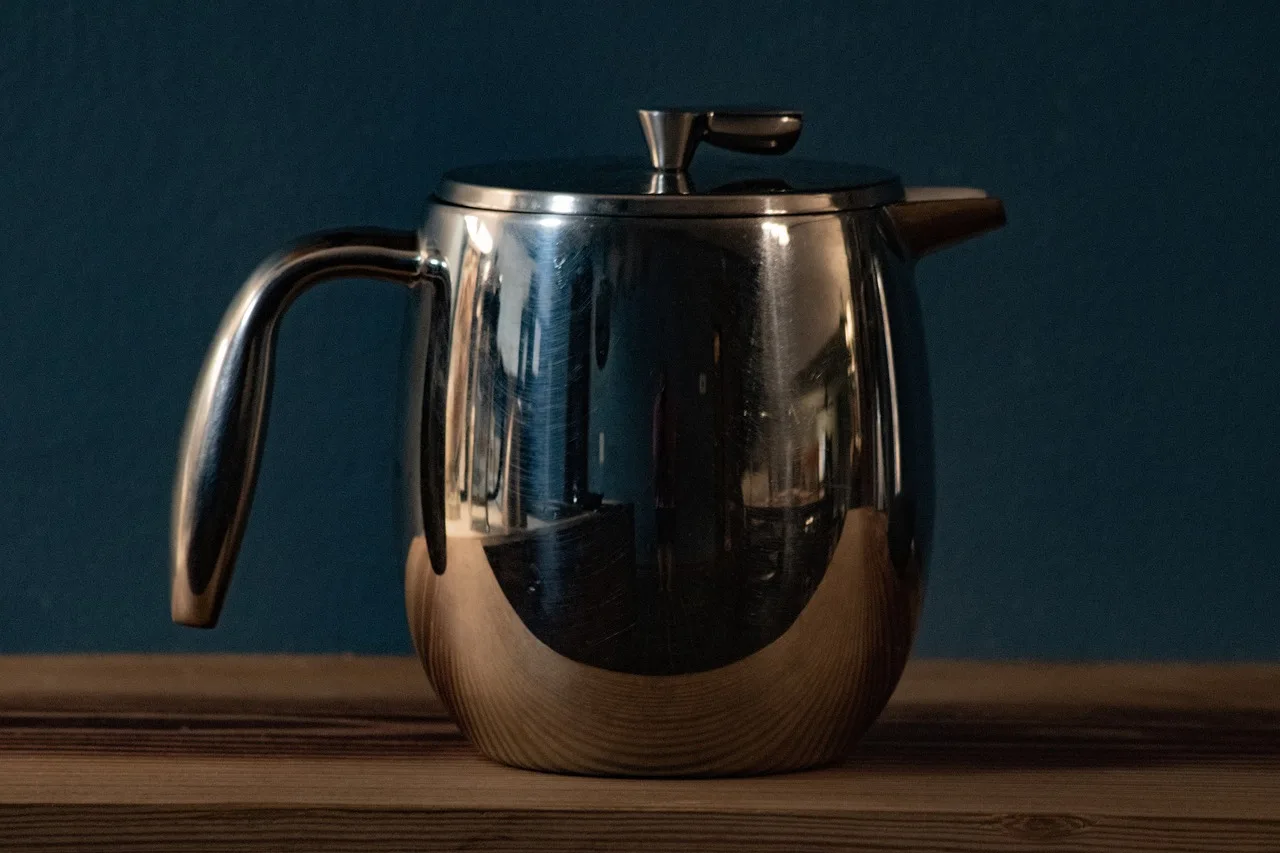
French press coffee requires a distinct water profile to maximize extraction and prevent muddy flavors. Our guide on best French press water details the specific mineral balance needed for immersion brewing. It explains how moderate hardness, roughly 50–150 mg/L total dissolved solids, helps extract solubles without over-clarifying the cup. The article compares tap, filtered, and bottled sources against these ideal parameters, showing how chlorine removal and pH stability directly impact body and clarity.
This resource matters because standard tap water often lacks the mineral consistency required for French press extraction. By identifying whether your local source is too soft or too hard, you can adjust your brew recipe or switch water types. The comparison includes specific product recommendations for filtration systems that maintain the mineral range necessary for a full-bodied cup, ensuring your grind size and steep time translate into a balanced final taste.
}
How to choose the right filter for your coffee water
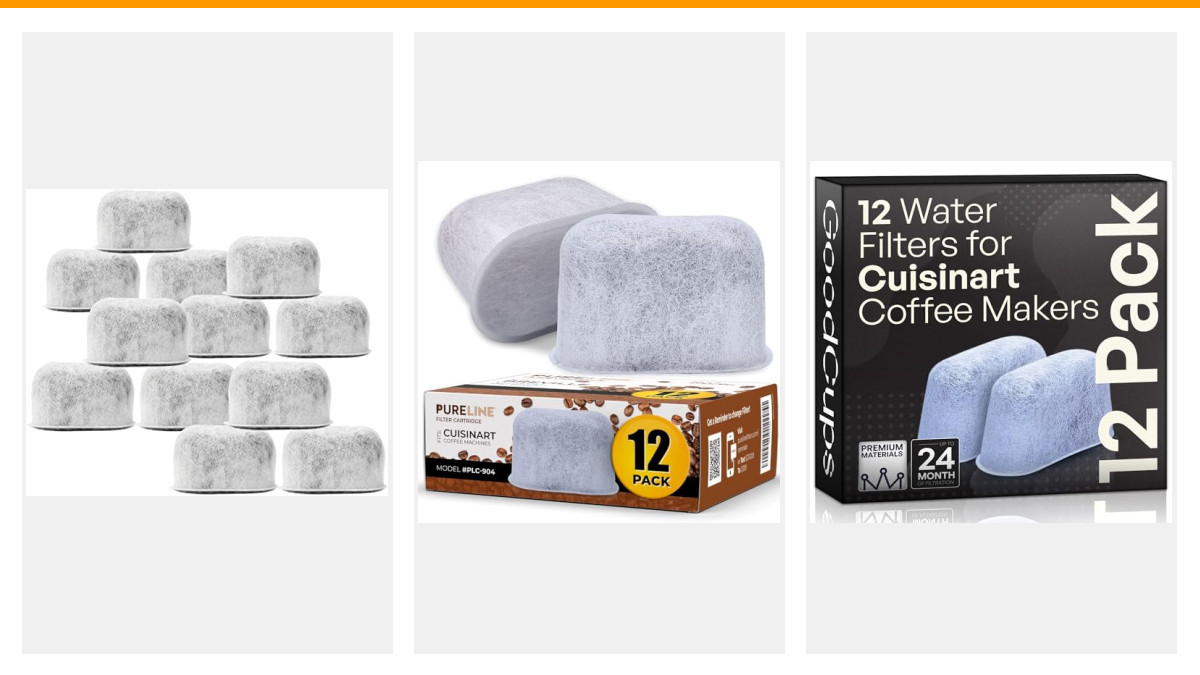
The right filter depends on the problem you need to solve, and the supporting guide breaks that down clearly. It compares carbon pitchers, under-sink carbon filters, reverse osmosis, and mineral packets so you can match the method to your tap water, brew style, and budget. That matters because water that is too hard, too soft, or too low in minerals can mute flavor, increase scale, and create avoidable maintenance issues.
Use the best water filters guide to narrow the options by water quality, machine type, and upkeep, so you can pick a setup that improves taste without adding unnecessary cost or complexity.
How to choose a water filter for your coffee brewer
The right filter depends on the water problem you’re trying to solve. This article breaks down the main filter types for coffee brewers, including carbon filters for chlorine and odor, ion-exchange media for hardness, and sediment filters for particles that can clog a machine. It also explains why a cartridge that improves taste may still leave scale behind, so you can match the filter to your tap water instead of guessing.
You’ll also get practical guidance on fit, replacement timing, and compatibility, which matters because the wrong cartridge can reduce performance or protect the brewer poorly. If you want a simple way to narrow the options, start with coffee water filters.
Which water measurements actually matter for flavor?
The useful home measurements are TDS, calcium hardness, alkalinity, and chlorine presence. TDS tells how much dissolved material is in the water, but not which minerals. Hardness supports extraction and scale formation, alkalinity controls acid buffering, and chlorine adds direct off-flavors that should be removed first.
TDS: what the ppm number tells you and what it hides
TDS meters give a fast, low-cost first read, which is why I start there. If the reading is far below or above the usual brewing range, that alone can explain a lot.
Still, TDS is not a verdict. It cannot tell whether those dissolved solids are extraction-friendly calcium and magnesium, buffering bicarbonate, or less useful material from the local supply. Two waters can both read near 130 ppm and one can make coffee sing while the other tastes dull.
Calcium hardness: extraction help versus scale risk
Calcium hardness, usually read through GH strips and often discussed as ppm as CaCO3, helps pull flavor from coffee. Too little can leave cups weak or hollow. Too much increases scale and can also compress flavor into a chalky, muted profile.
For espresso machines and boilers, hardness carries a second cost: deposits on heating surfaces. Flavor and machine safety have to be judged together. Manufacturers such as La Marzocco Home, Rocket, and Lelit all warn that untreated hard water increases limescale risk and can damage boilers, valves, and probes; that is not just a taste issue.
Alkalinity: buffering, acidity control, and why cups turn dull
Alkalinity, commonly tracked through KH strips and also expressed as ppm as CaCO3, buffers acids in brewed coffee. If it is too low, acidity can come across as sharp, sour, or pointy. If it is too high, fruit, sweetness, and clarity flatten.
This is the missing piece in many coffee water discussions. I often hear brewers blame “bad extraction” when the real issue is excess or missing buffering.
Chlorine and chloramine: off-flavors to remove first
The guide says brewing water should have no chlorine. Chlorine in tap water often reads as chemical, plasticky, or medicinal. It can also make clean coffees feel coarse even when TDS, hardness, and alkalinity look usable.
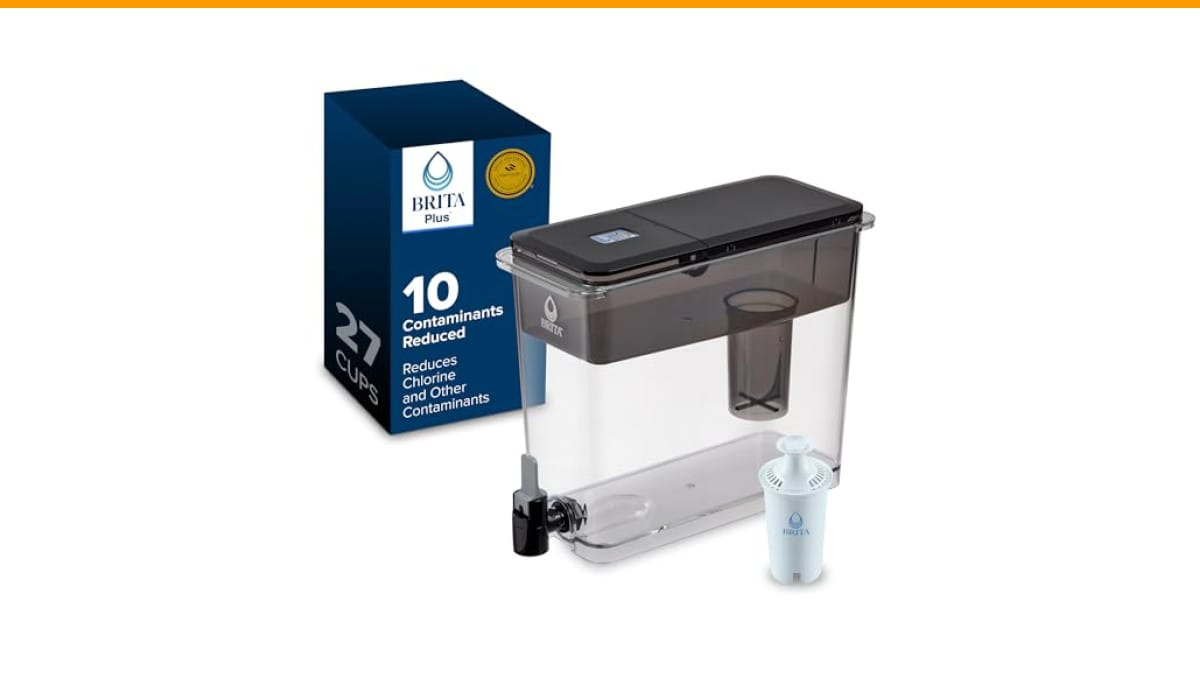
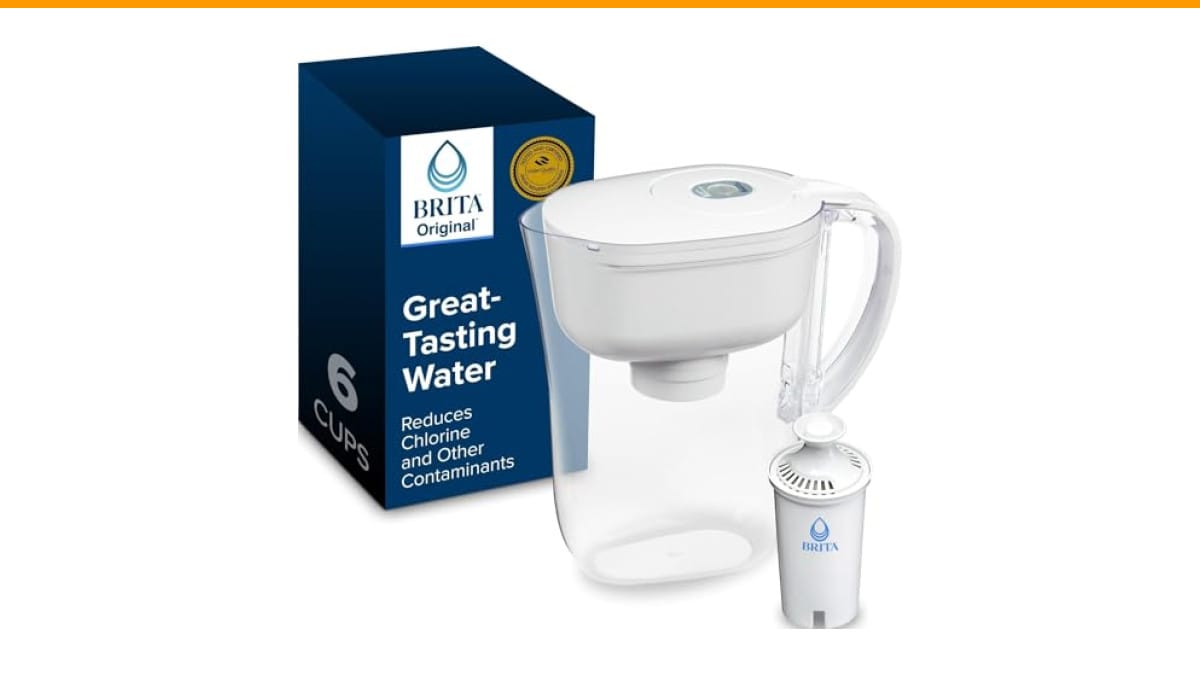
Simple carbon filtration is often enough for chlorine taste. If the cup improves right away, do not complicate the fix. Brita’s own performance data for pitcher filters emphasizes reduction of chlorine taste and odor rather than full demineralization, which matches cup results: cleaner aroma, less medicinal finish, but not a total rebuild of mineral balance.
How do I test my coffee water at home?
Test coffee water at home in this order: TDS meter first, GH/KH strips second, taste third. That sequence keeps cost low and cuts guesswork. TDS flags whether the water is broadly low or high in dissolved solids, while strips separate hardness from alkalinity so the fix matches the real problem.
Use a TDS meter for the first read
A TDS meter is the fastest low-cost home test, and it reads overall dissolved solids in ppm. Ideal brewing water is 75–150 ppm total dissolved solids, so that range is a useful first screen rather than a final judgment.
If the reading is under that range, the water may be too empty. If it is well above, flavor muting and scale risk deserve attention. Then move to GH and KH.
Use aquarium test strips to separate GH and KH
Tetra EasyStrips 6-in-1 are recommended for GH and KH readings. GH gives a quick view of hardness, which is the extraction-and-scale side. KH gives a quick view of alkalinity, which is the buffering side.
This is where the picture gets actionable. A middling TDS number with high KH is a different problem from the same TDS with low GH.
How to read local water reports without getting lost
Local water reports can confirm whether chlorine treatment is used and whether hardness swings seasonally. They are useful background, but home measurements still matter because the water at the tap can differ from the annual average on the report.
For coffee, the report is a map, not a cup test. In one of my municipal examples, the annual report listed acceptable average hardness, but a kettle still built visible white deposits within two weeks, which the strip tests confirmed as harder water than I expected at the faucet.
A simple home testing order: TDS, GH/KH, then taste
- Measure TDS in ppm.
- If the reading looks low, high, or inconsistent, test GH and KH with strips.
- Smell and taste the water cold and warm for chlorine or metallic notes.
- Brew one familiar coffee with unchanged grind and dose.
- Match the correction to the brewer and the failure mode, not to TDS alone.
When café water and home water should be treated differently
This guide compares the practical tradeoffs between café water and home brewing water, so you can choose a setup that fits both flavor and equipment care. It explains why coffee shops usually aim for filtered, mineral-balanced water for repeatable espresso and drip, while many home brewers can get excellent results from clean filtered tap water if taste and maintenance stay in range. If your water is too hard, too soft, or chemically treated, it can mute flavor, shift extraction, and increase scale buildup over time. The article also breaks down the pros and cons of tap, bottled, distilled, RO, and custom-adjusted options in coffee shop water quality.
How do I know if my tap water is good enough for coffee?
Tap water is good enough for coffee when it lands near coffee-friendly TDS, hardness, and alkalinity, has no chlorine taste, and does not create fast scale in kettles or espresso machines. If one flaw stands out, fix that flaw first instead of replacing the whole water source.
When tap water is already usable
If your TDS lands inside the usual brewing range and GH/KH are close to coffee-friendly values, tap water may only need chlorine removal. Brita typically strips chlorine and drops TDS by 20–40 ppm, which can be enough when the starting water is already close.
That makes filtered tap the best-value option for many homes. My chlorinated city-water sample started at 118 ppm TDS, tasted faintly like pool water warm, and brewed a slightly medicinal batch. After a fresh carbon pitcher, the same water read 96 ppm TDS, the smell disappeared, and the cup gained sweetness without any other brew change. Because TDS reduction varies by source water and cartridge condition, I treat a 20–40 ppm drop as a common example from home use rather than a guaranteed result for every pitcher and tap.
Signs your tap water is too hard, too soft, or too chlorinated
Too hard often shows up as muted cups, chalky bitterness, kettle scale, or espresso machine deposits. Too soft can show up as weak extraction, hollow sweetness, and cups that feel flat in a different way. Chlorinated water tastes chemical before it tastes “wrong” as coffee.
Metallic notes can point to old filters, plumbing issues, or awkward mineral balance. They deserve a separate check, not a blind move to expensive water.
When a basic carbon filter is enough
Use a simple carbon filter when chlorine is the main issue and hardness is not extreme. This is the classic case for a pitcher filter. It is also the lowest-friction improvement for batch brew drinkers whose cups taste mostly fine but slightly rough.
When tap water needs a bigger change
If your water is very low mineral, very hard, or highly variable, carbon alone will not fix it. That is when bottled water, partial dilution with distilled water, or a move to RO plus remineralization becomes easier than fighting the tap every week.
Choose the right fix for hard, soft, chlorinated, or low-mineral water
If water is hard: reduce scale risk without stripping all flavor
For hard water, the best cheap fix is often partial dilution with distilled water, especially for kettles and espresso machines. That lowers hardness and alkalinity together. If your tap already tastes good but scales equipment, dilute for espresso first and leave pour-over less altered if needed.
The BWT Magnesium filter is a bigger upgrade over Brita when harder water needs more meaningful treatment without jumping straight to custom water. In my hard-water test, a kettle fed straight tap showed visible scale film after repeated boils; a 50/50 diluted mix delayed visible buildup and improved espresso harshness the same week.
If water is soft or very low TDS: add minerals back with control
Reverse osmosis or distilled water has very low mineral content. On its own, it is often too flat for coffee and can under-extract. That does not make it useless. It simply means the water usually needs remineralization.
Remineralization packets make this easy. Third Wave Water Classic Profile comes in a 12-pack and is designed to rebuild coffee-friendly water from RO or distilled water with repeatable day-to-day results. In my low-mineral test water, plain distilled brewed a thin, papery cup with weak sweetness, while remineralized water improved body and made acidity taste more complete rather than just sharper.
If chlorine is the problem: simple filtration that works
When chlorine is the obvious flaw, remove it first and retest the cup. Carbon filtration is usually enough for that single problem. There is no benefit in rebuilding water that already has decent hardness and alkalinity if the only real issue is disinfectant taste.
If your numbers are mixed: prioritize the flaw that hurts flavor most
If the water is hard and chlorinated, remove chlorine and lower hardness enough to protect the machine. If TDS is low but alkalinity is high, the cup can still taste dull because buffering is doing the damage. Fix the issue you can taste and the issue that can break equipment.
Which water source should you use: tap, filtered, bottled, RO, or distilled?
The best water source depends on the starting tap water, the brewer, and how much consistency is needed. Filtered tap is the best value when local water is already close. Bottled water can work well if the brand’s mineral profile fits coffee. RO or distilled usually needs remineralization.
Filtered tap water: best value when the starting water is close
This is the cheapest path for many brewers. If the tap is broadly in range, chlorine-free filtered tap avoids daily mixing and keeps cost low. For drip and pour-over, that may be all that is needed.
Bottled water: how mineral differences change coffee and cost per cup
Brand-to-brand differences matter. Some bottled waters are close to the SCA target at about 150 ppm TDS. Crystal Geyser is approximately 150 ppm TDS and excellent for coffee. Volvic is approximately 130 ppm TDS and very good for coffee.
Others miss badly. Evian is about 350 ppm TDS and too hard. Smart Water is under 10 ppm TDS and flat unless remineralized. These brand examples vary somewhat by source and market, so I treat label and water-quality-report numbers as the deciding reference for the bottle in your region. Volvic’s published mineral analysis is commonly around 130 mg/L TDS. Evian’s published mineral content totals are commonly a little above 300 mg/L. Vapor-distilled waters such as Smartwater are typically very low in mineral content before electrolytes are added back and still remain far below common coffee targets.
| Water source | TDS clue | Coffee fit | Cost per liter | Cost per brewed cup |
|---|---|---|---|---|
| Filtered tap | Depends on local supply; Brita typically drops TDS by 20–40 ppm | Best when starting water is already close | Lowest | Lowest |
| Crystal Geyser | Approximately 150 ppm | Excellent for coffee | Medium | Medium |
| Volvic | Approximately 130 ppm | Very good for coffee | Medium to high | Medium to high |
| Evian | About 350 ppm | Too hard for most coffee uses | High | High |
| Smart Water | Under 10 ppm | Too flat unless remineralized | High | High |
| RO or distilled plus packet | Starts near zero, then rebuilt | Strong consistency when mixed correctly | Medium | Medium |
RO or distilled water: when to use it and why remineralization matters
RO or distilled is useful when tap water is badly off target, highly chlorinated, or risky for espresso boilers. Used alone, it is usually too empty. With minerals added back, it becomes one of the most consistent options available at home.
Remineralization packets versus building water from scratch
Packets are the easier route for most people because they standardize the process. Building water from scratch can work, but it adds measurement steps and room for error without giving most home brewers a meaningful flavor benefit.
Match your water to your brew method and machine risk
Espresso: balancing flavor with scale control
Espresso should be the strictest branch in the decision tree. A slightly hard water that tastes fine in a V60 may still be a bad idea in a boiler machine. If scale tolerance is low, favor lower hardness and steadier water even if the last bit of body changes.
Pour-over: clarity, acidity, and when lower alkalinity helps
Pour-over often rewards moderate hardness and restrained alkalinity because that can keep acidity lively and flavors distinct. If cups taste dull, high alkalinity is often the first suspect. If they taste thin and sharp, low alkalinity or very low TDS deserves a look.
Batch brew and drip machines: forgiving flavor, ongoing maintenance concerns
Drip brewers are usually less picky in the cup than espresso, but they still collect scale over time. If the coffee tastes acceptable with filtered tap, maintenance may decide the next move more than flavor does.
Kettles, boilers, and when machine safety should overrule taste tweaks
Scale can choke kettles and espresso machines. If the water tastes fine but leaves visible deposits fast, treat the machine risk as the priority. Better a slightly less ideal cup than a failed heating system. The National Coffee Association and many equipment manuals treat clean, low-scale water as basic machine care, and that lines up with observations on heating surfaces during repeated boil tests.
Optimal Water Selection for Drip Brewers
The guide breaks down the four main water options for drip coffee makers—tap, filtered, bottled, and distilled (or mineral‑added)—and maps each to the flavor profile you can expect. It explains why filtered water with 50‑150 ppm total dissolved solids is the sweet spot, how low mineral content can produce flat, sour brews, and how excess minerals mute sweetness, cause scale buildup, and shorten machine life. For a detailed breakdown, see our drip coffee water guide.
Armed with a quick‑comparison chart and a decision table, readers can match their local water quality to the best choice, avoid common pitfalls like using straight distilled water, and protect both taste and equipment. Selecting the right water is therefore a low‑cost, high‑impact upgrade for any drip coffee routine.
Why cold brew specifically demands different water standards
Because cold brew steeps for 12–18 hours, water composition directly dictates whether your batch turns out smooth or painfully bitter. Standard hot-brew guidelines often fail here since high mineral loads extract unevenly over long contact times, while extremely soft water leads to hollow, flat flavor profiles. cold brew water selection provides the exact TDS and pH targets needed to avoid these specific defects.
Understanding the unique chemistry of slow extraction is the only way to stop guessing. This guide translates complex water science into a simple decision table, showing you exactly which filtered or bottled options align with a clean, chocolatey profile and why your tap water likely needs a quick pre-brew adjustment.
Tuning hardness for pour-over extraction
Pour-over brewing requires a specific mineral balance to avoid sourness or flatness. The supporting article maps out ideal calcium and magnesium levels, recommending 50–100 ppm hardness for balanced extraction. This range allows you to dial in brighter, more acidic cups with lower hardness or more forgiving, rounded profiles with higher minerals. Understanding this distinction prevents the thin taste associated with soft water and the muted acidity of overly hard supplies.
For practical application, see the pour-over hardness guide. It provides specific water profiles for different flavor goals, helping you adjust your mineral intake before it ruins the cup.
Dial in hardness for espresso
Espresso water needs enough hardness to support extraction, but not so much that it leaves scale in your machine. The supporting article explains the practical target range for GH and KH, then shows how to use a simple reading of your water to decide whether you should leave it alone, blend it, or treat it for taste and maintenance.
If you want a quick benchmark for shot quality and machine safety, espresso water hardness breaks down the numbers and the tradeoffs in plain terms.
Coffee water decision checklist

One-page lowest-cost workflow
- Step 1: Take a TDS reading. If it is within 75–150 ppm, continue to GH/KH before making changes. If it is far below that, suspect low-mineral water. If it is well above that, suspect muted flavor and scale risk.
- Step 2: Check chlorine. If the water smells or tastes chlorinated, remove that first with carbon filtration. Brewing water should have no chlorine.
- Step 3: Test GH and KH. Use aquarium strips. If calcium hardness is near about 50–70 ppm and alkalinity is around 40 ppm, the water is close to the benchmark.
- Step 4: Branch by problem. Hard water plus scale risk: dilute with distilled water or move to a stronger filter. Soft or very low TDS water: use remineralized RO or distilled water. Chlorine only: use a basic carbon filter.
- Step 5: Branch by brewer. Espresso gets the safest anti-scale choice. Pour-over gets the flavor-first choice if scale is manageable. Batch brew usually gets the cheapest stable choice.
- Step 6: Retest and taste. Brew one familiar coffee. Confirm flavor change, check new scale behavior, and keep the simplest fix that works.
Decision summary by brewing method
For espresso, choose the lowest-scale option that still keeps coffee from tasting empty. For pour-over, choose the option that gives clean acidity without harshness. For batch brew, stay with filtered tap if the cup is solid and maintenance stays reasonable.
Documented test scenarios and before/after outcomes
It is much easier to make the right fix by writing down one familiar coffee, one brew recipe, the water numbers, and the cup result before changing anything. These examples are the pattern I now use at home:
| Scenario | Measured water | Brewer | Before cup outcome | Lowest-cost fix tested | After cup outcome |
|---|---|---|---|---|---|
| Chlorinated city tap | 118 ppm TDS; moderate GH/KH; clear chlorine smell warm | Batch brew | Medicinal aroma, drier finish, muted sweetness | Fresh carbon pitcher | Cleaner aroma, sweeter finish, no obvious chemical note |
| Hard suburban tap | 210+ ppm TDS; high GH and higher KH; visible kettle scale | Espresso | Heavy body but chalky bitterness, flattened acidity, fast scale film | 50/50 distilled dilution | Less harsh, clearer shot separation, slower scale buildup |
| Low-mineral apartment water | 35 ppm TDS; low GH/KH | V60 | Thin body, sharp acidity, papery finish | RO/distilled plus remineralization packet | Rounder sweetness, fuller body, acidity tasted ripe instead of sour |
| Moderate TDS but high buffering | 130 ppm TDS; modest GH; elevated KH | Pour-over | Flat fruit, broad but dull cup, weak finish definition | Blend with distilled to lower alkalinity | More clarity, brighter fruit, less “blanket over the cup” effect |
Comparison table: fixes by problem
| Problem you notice | Likely water clue | Best first fix | When to step up | Best fit brewer |
|---|---|---|---|---|
| Chemical or pool-like taste | Chlorine/chloramine smell or taste | Carbon filtration | If hardness or alkalinity are also off | Batch brew, pour-over, drip |
| Fast kettle or boiler scale | High GH; often high KH too | Partial distilled dilution | Dedicated filter or RO plus remineralization | Espresso, kettles |
| Thin, sharp, hollow cup | Very low TDS and/or low alkalinity | Remineralize RO/distilled water | Custom water recipe if you want tighter control | Pour-over, espresso |
| Dull, muted, broad cup | High alkalinity or high overall mineral load | Blend with distilled or choose lower-mineral bottled water | RO plus remineralization if source swings a lot | Pour-over, batch brew |
| Good flavor but machine-risk water | Taste fine; scale appears quickly | Use safer water for espresso only | Whole-house or dedicated machine filtration | Espresso |
Why your coffee tastes sour, bitter, flat, or metallic
Sour or sharp cups: under-extraction versus low alkalinity
Sour cups are not always grind problems. If extraction is normal but the cup still feels pointy, low alkalinity may be failing to buffer acidity. Very low TDS water can add to that effect by under-supporting extraction.
Bitter or muted cups: high TDS, high hardness, or too much buffering
If bitterness comes with muted aroma and low definition, look at high dissolved solids, high hardness, or elevated alkalinity. Water can blunt coffee before brew variables do. This is common with hard tap and with bottled waters that look premium but carry too many minerals.
Flat or dull sweetness: excess alkalinity and bottled-water mismatch
High alkalinity often erases brightness first, then sweetness. The cup feels broad but lifeless. This is one reason bottled water advice fails when it ignores the brand. One bottle may be close to ideal, another may flatten the same coffee.
Metallic or chemical notes: chlorine, old filters, and pipe-related clues
Chemical notes usually point to chlorine. Metallic notes can come from aging filters, plumbing contact, or unbalanced minerals. Replace the obvious suspect first. If the metallic edge persists across coffee methods, taste the water on its own before changing coffee technique.
Frequently asked questions
Is tap water good for coffee?
Tap water can be good for coffee if TDS, hardness, and alkalinity land near coffee-friendly ranges and chlorine is absent or filtered out. Many home brewers only need a carbon filter. The key is testing first, because “tap water” varies far more than most brewing guides admit.
How do I know if my water is too hard for coffee?
Water is likely too hard for coffee when kettles or espresso machines build scale quickly, cups taste muted or chalky, and GH strip readings run high relative to coffee targets. Hard water can still brew acceptable drip coffee, but espresso equipment is much less forgiving over time.
What minerals should coffee water have?
Coffee water mainly needs extraction-supporting hardness and moderate alkalinity for buffering. Calcium hardness around 50–70 ppm and alkalinity around 40 ppm are useful benchmarks, with total dissolved solids in a broader 75–150 ppm range. Chlorine should be absent, and pH matters less than hardness and alkalinity for home decisions.
How can I test water hardness at home for coffee?
Use a TDS meter for a fast first screen, then use aquarium strips to separate GH and KH. GH gives a practical hardness reading, while KH estimates alkalinity. That two-step approach is cheap, quick, and far more useful than relying on a single TDS number.
Is distilled water good for coffee or too flat?
Distilled water on its own is usually too flat for coffee because it has very low mineral content and can under-support extraction. It becomes useful when remineralized. For many brewers, distilled or RO water plus a remineralization packet is the cleanest path to repeatable results.
Can I use bottled water for coffee?
Bottled water can work very well for coffee, but only if the mineral profile fits brewing. Crystal Geyser at approximately 150 ppm TDS and Volvic at approximately 130 ppm TDS are good examples. Evian is too hard, and Smart Water is too low in minerals unless remineralized.
Sources
- Specialty Coffee Association water standards and brewing-water guidance, including benchmark targets around 150 mg/L TDS, moderate total hardness, and alkalinity near 40 mg/L as CaCO3.
- Brita product performance data and certification materials on reduction of chlorine taste and odor; these support the chlorine-removal claim more directly than a fixed guaranteed TDS reduction.
- Volvic, Evian, Crystal Geyser, and Smartwater published water analyses or bottle-label mineral data, checked for the most common U.S. retail versions at the time of writing.
- La Marzocco Home, Rocket Espresso, and Lelit machine-care guidance on limescale risk from hard water in boilers and hydraulic systems.
- National Coffee Association brewing basics and equipment-care guidance on clean water and descaling.
- My own 2025–2026 home tests using V60, batch brew, and manual espresso with repeated side-by-side brews at fixed dose, grind, temperature, and yield, changing only the water.
Products related to this article
Sponsored / affiliate links. As an Amazon Associate I earn from qualifying purchases. I may earn additional commission from eligible campaigns.
 Quick Heating Cup Warmer, Three Temperature Settings, Splashproof and Portable, for Coffee, Milk, Lightweight ABS Material
 SOLUSTRE Electric USB Coffee Cup Warmer with Temperature Settings Portable Milk and Beverage Heating Coaster for Office Desk Small Lightweight Design Easy to Clean Surface Multi Functional
 HomeBeyond Espresso Coffee Maker 12 Cups, Classic Stovetop Espresso Maker, 600ml / 20oz Coffeemaker for Gas & Ceramic Stovetops (Silver)