Choose an electric kettle by brew method first: a gooseneck in a smaller size for pour over, or a standard larger-capacity model for French press and daily cups. Pick the wrong type and you add waiting time, miss brew temperatures, and make brewing fussier than it needs to be. This guide covers kettle choice by coffee routine, water quality, and household size, plus setup, pouring, descaling, and temperature habits that protect flavor.
Related: electric kettle guide.
How coffee drinkers should choose an electric kettle



Start with brew method, not the feature list
Coffee drinkers notice kettle differences the moment water leaves the spout. Pour over needs a slow, even stream and repeatable heat. French press needs enough hot water delivered quickly, with much less concern about stream shape. Instant coffee cares least about pour control, so speed and capacity matter more.
That is why a gooseneck is a brewing tool, while a wide standard spout is usually a fast hot-water tool. Both can make coffee. They change the workflow in very different ways, and in my kitchen the wrong spout always feels obvious by the second brew, not the tenth.
Match kettle size to your daily cup count
For one mug at a time, a smaller kettle usually feels faster to fill, lighter in the hand, and easier to steer near a dripper. For two coffee drinkers, a medium-capacity kettle gives more room for brewing water, preheating, and an extra top-up without needing to boil again right away.
Oversizing has a cost. A large kettle used for one cup often feels clumsy, takes more counter space, and can pour less cleanly when filled near the minimum line. I usually prefer the smallest kettle that still covers my normal brew plus a rinse.
Balance speed, precision, noise, cleanup, and durability
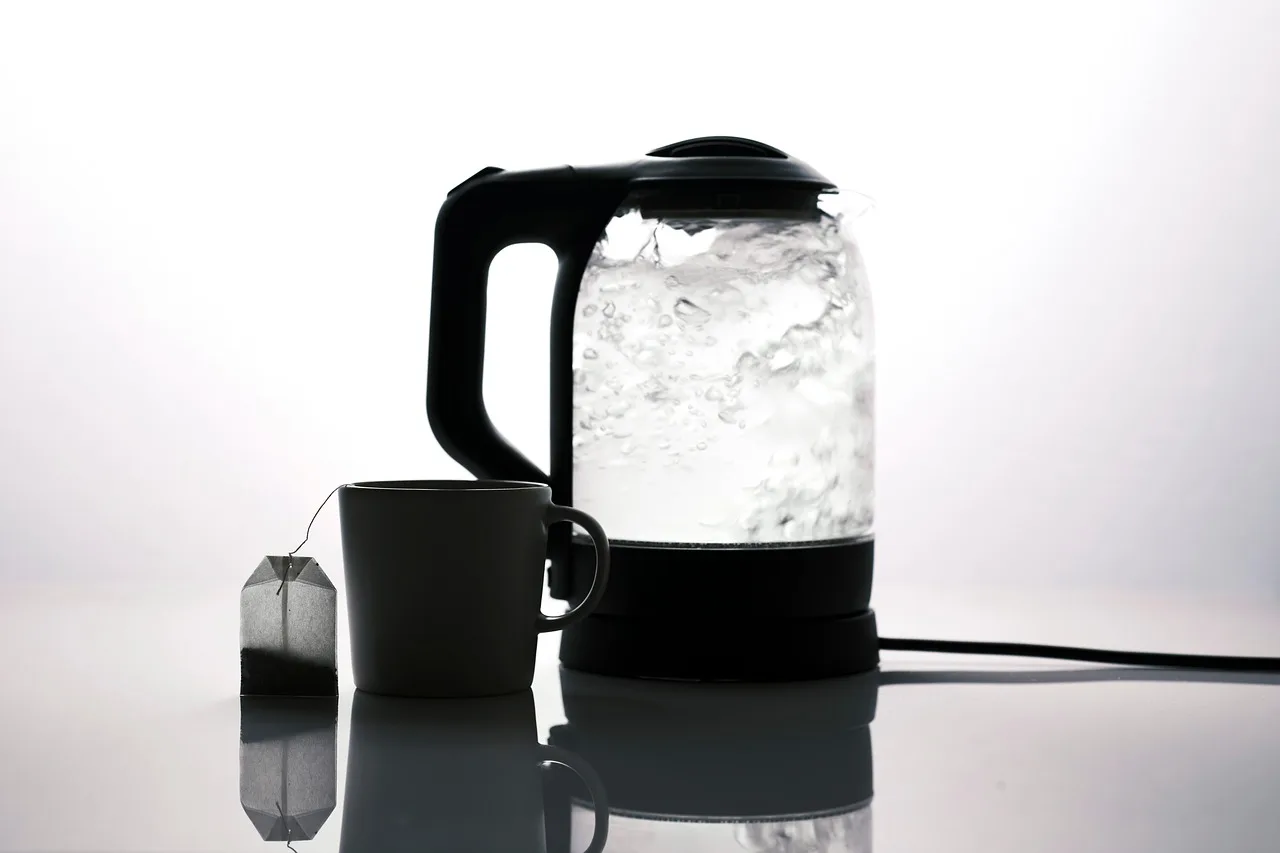
Higher wattage usually cuts boil time, but it can bring more noise and a harder rolling boil. A concealed heating element wipes clean faster and gives mineral crust fewer corners to grab. Variable temperature and hold matter most for manual brewing, where even small temperature shifts can change extraction and timing.
Material changes upkeep, too. Stainless steel hides scale better but can let maintenance slide. Glass shows buildup early, which is useful in hard-water homes, though it can feel heavier and more exposed to bumps. In practice, the easier kettle to clean is often the one that tastes better six months later.
What electric kettle is best for coffee?
The best electric kettle for coffee depends on method: gooseneck plus variable temperature for pour over, a fast standard-spout 1.0-1.5L kettle for French press, and a basic boil-only model for instant coffee. Match the kettle to household size, water hardness, and how much pour control the brew actually needs.
Best feature mix for pour over drinkers
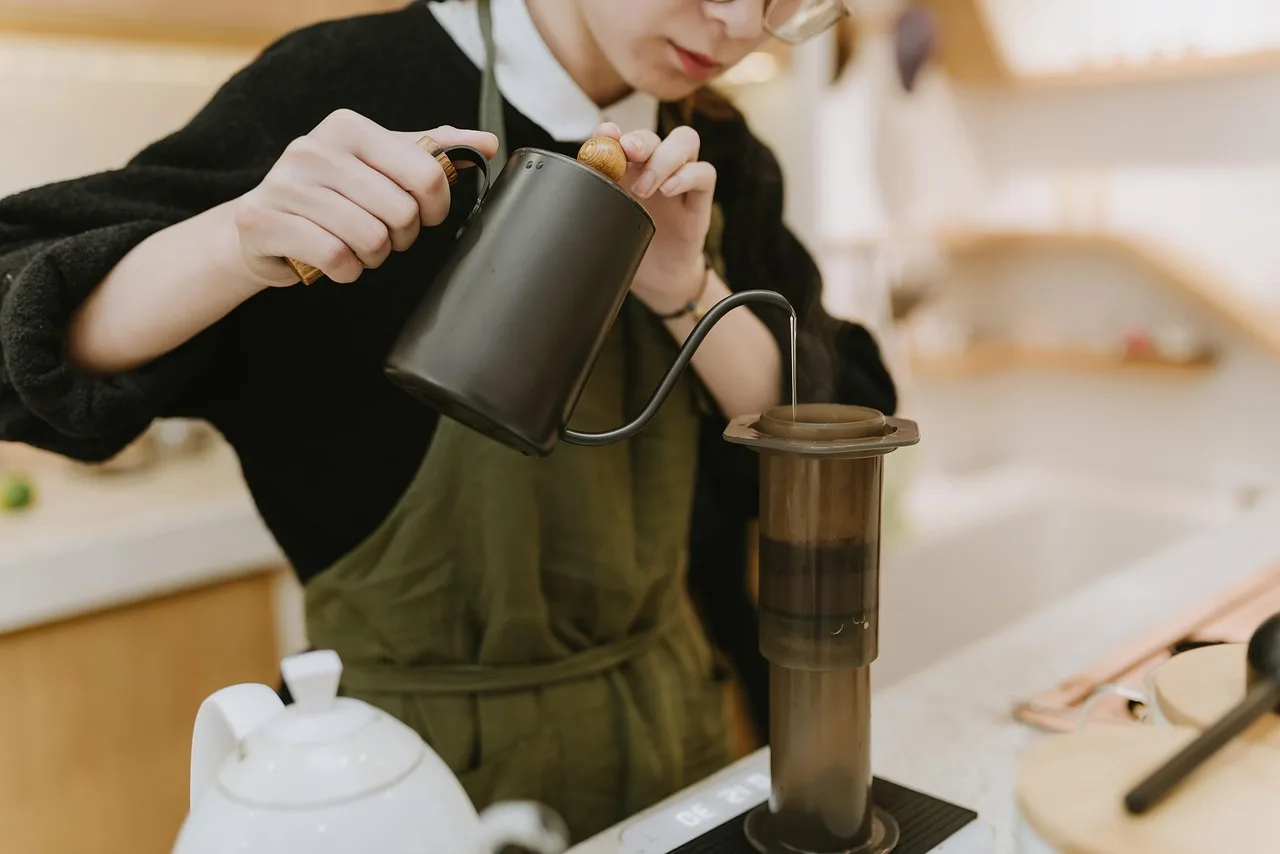
Pour over drinkers should start with a gooseneck spout, a balanced handle, and a body size that does not feel top-heavy when partly full. Variable temperature earns its keep here because pour over rewards repeatability. Temperature hold helps when grinding, rinsing a filter, or brewing two cups back to back.
Look for a stable 360-degree base, a lid that opens without forcing your knuckles into steam, and a concealed heating element. These sound minor on paper, but they matter when the kettle is lifted often and poured in slow circles above a dripper. That is where good kettles feel calm and bad ones feel twitchy.
Best feature mix for French press and immersion brewers
French press does not need needle-fine flow control. It does benefit from speed, enough capacity for brew water plus preheating, and a simple interior that is easy to descale. A standard spout is fine if it pours cleanly without sloshing at full fill.
Variable temperature can still help, but less than with pour over. If the kettle only boils, brewing can still stay on track by boiling and resting the water briefly before pouring. For immersion brewing, I would rather have easy cleaning and enough volume than a fancier spout.
Best feature mix for instant coffee and general hot-water use
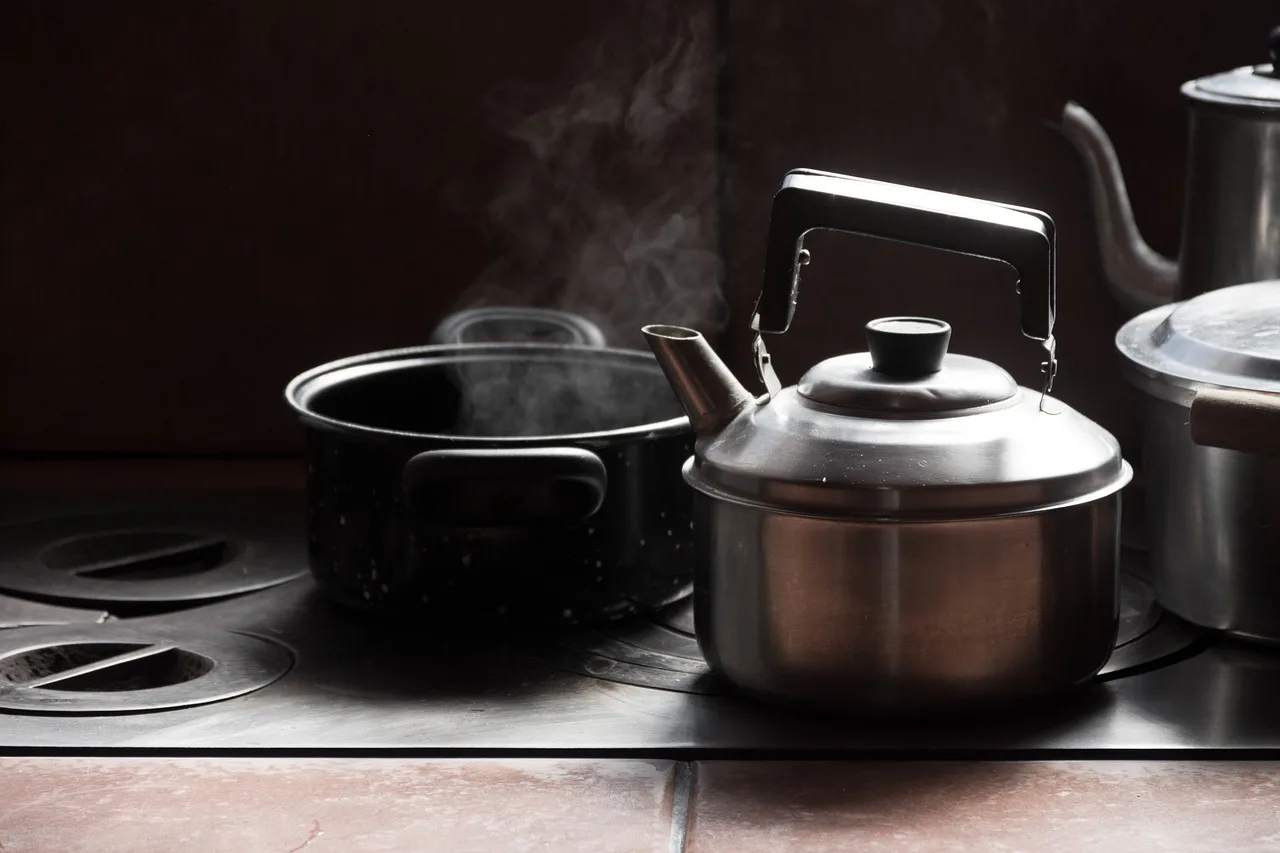
For instant coffee, oatmeal, and mixed household use, the best kettle is often a standard stainless steel unit with fast boil, shutoff that clicks off cleanly once the water reaches a full boil, dry-fire protection that cuts power if someone starts it empty or below the safe line, and a cordless base that lets you lift and return the kettle from any angle without fighting a cord. Precision matters less. Easy cleaning and dependable shutoff matter more.
If several people use it across the day, a larger capacity reduces repeat boils. If the water is hard, prioritize a wide opening and concealed element for easier cleaning. That combination saves more frustration than niche brewing features when the kettle doubles as a household appliance.
When a standard spout beats a gooseneck
A standard spout wins when speed and volume matter more than line-by-line control. Filling a French press, topping an AeroPress bypass, or making several mugs quickly is often easier with a wider spout and stronger flow. Goosenecks are slower by design.
That slower flow helps with bloom and pulse pours. It helps less when the brew method is immersion and the job is simply getting hot water into the vessel without splashing. I reach for a standard kettle whenever the morning is about output, not precision.
Electric kettle vs microwave for heating coffee water
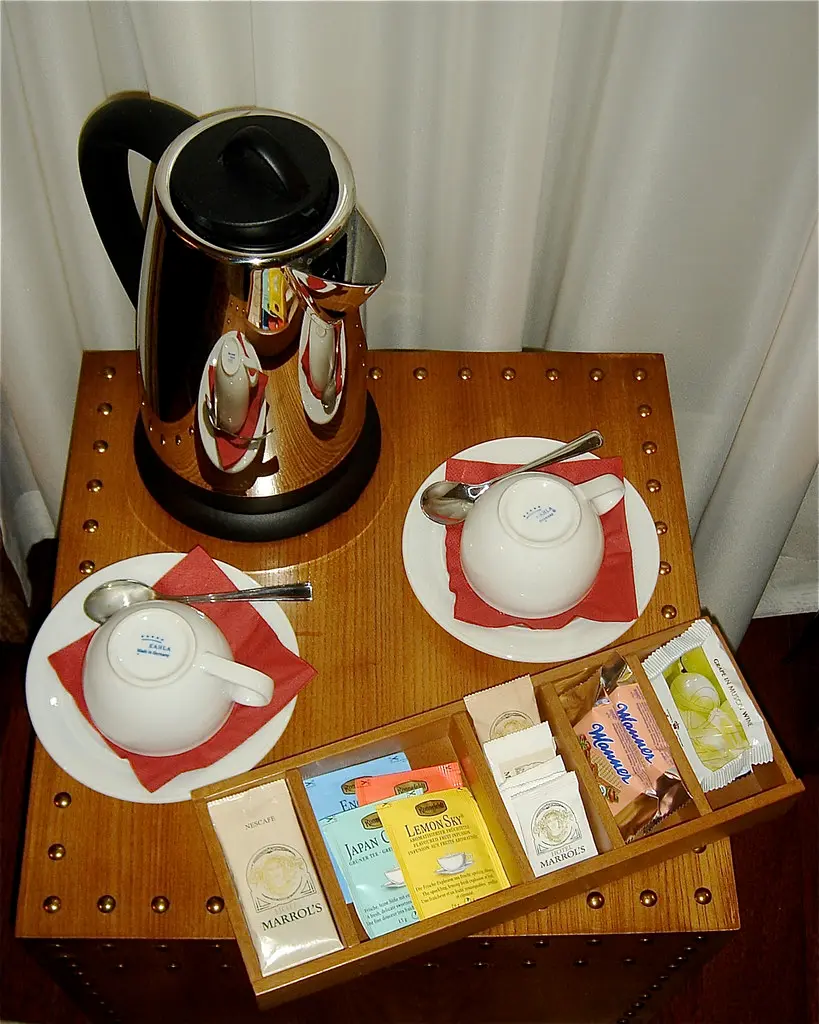
Heating method directly impacts extraction quality and energy costs. kettle versus microwave comparison shows electric kettles heat water faster and more evenly than microwaves, preventing cold spots that make coffee taste flat or bitter. The supporting article breaks down specific speed metrics, safety features, and electricity consumption per mug. It provides a decision table for office, dorm, or small-kitchen scenarios, helping you choose the right tool based on your available space and power budget rather than guessing which appliance serves your brewing routine best.
Which electric kettle fits a single-cup coffee routine?
For one-cup coffee, the best kettle is usually compact, quick to heat, and sized to avoid wasting water. If you brew pour-over or AeroPress, a 0.8–1.0 liter kettle with temperature control helps you hit repeatable brew temps and pour more accurately. If you mostly use French press or other immersion methods, a fast-boil model can be enough because exact temp control matters less.
The supporting guide breaks down those tradeoffs, compares control features and capacity, and shows which kettle style matches each routine best. If you want a focused shortlist before buying, see the single-serve kettle guide.
What temperature should I use for coffee in an electric kettle?
For most coffee brewing, use a hot-but-not-boiling range around 195-205 F / 90-96 C. The National Coffee Association gives that range for brewing, and the Specialty Coffee Association uses similar targets in home and professional guidance. Pour overs often taste best near the middle; French press can tolerate the upper end.
The practical brewing range for coffee extraction
Water below the common extraction range can flatten sweetness and leave coffee tasting thin or sour. Water pushed too hot can bring bitterness forward faster, especially in fine-ground pour over. The main point is repeatability. The same kettle should hit the same zone day after day, not bounce around based on guesswork.
When to use variable temperature and hold
Variable temperature matters most when brew method is sensitive to timing and pour structure. That means V60, Kalita, Chemex, and similar manual brewers. Hold mode helps if brewing two drippers in sequence or if prep takes a few minutes before the first pour.
Cheap hold functions can drift. If the kettle cycles aggressively or overshoots before settling, the display matters less than stable real-world brewing. In my testing, a kettle that lands close and behaves predictably is more useful than one with a flashy screen and sloppy control.
Boil then rest: a workable method if the kettle has no temp control
A boil-only kettle can still make very good coffee. Bring water to a boil, let the bubbling settle, then wait a short period before pouring, often around half a minute or a bit more in an open kettle, depending on room temperature and fill level. It is less exact, but workable.
The drawback is workflow friction. Every extra pause adds time and invites guesswork, especially during rushed morning brewing. I find this method easiest for French press and least satisfying for pour over recipes that depend on tight timing from bloom to final pulse.
Method-by-method temperature guidance
Pour over gets the most from staying inside 195-205 F / 90-96 C with a steady stream. French press usually handles the upper end well because the water enters all at once and extraction is controlled mostly by steep time and grind. Instant coffee can take near-boiling water unless the label says otherwise.
Which kettle features matter most for coffee use?
Capacity, wattage, and boil speed
Capacity changes how often the kettle needs refilling. Wattage changes how long the wait feels. For a single morning mug, fast boiling matters because the kettle is part of brew pace. For batch prep, capacity often matters more than shaving a little time off one heating cycle.
On standard North American home circuits, many electric kettles land around 1200-1500 watts. Higher wattage usually means faster heating on a suitable outlet, though it can bring more audible boiling and stronger steam near shutoff. That tradeoff is harmless in some homes and annoying in others.
Spout design, handle geometry, and pour control
For pour over, the target is stream stability with little start-stop sputter. A good gooseneck lets the stream begin with less wrist strain and fewer sudden surges. A poor one dribbles after the pour ends, or demands an awkward angle once the water level drops.
For French press, the handle matters more than pinpoint stream shape. A full kettle should still feel planted and easy to tip without twisting the wrist. In daily use, comfort under a full load matters more than showroom looks or a long feature list.
Heating element design and safety cutoff behavior
A concealed heating element is easier to clean and usually better suited to hard-water homes because there are fewer exposed spots for mineral scale to cling to. The U.S. Geological Survey notes that hard water leaves mineral deposits, and those deposits can slow heating and interfere with normal performance over time.
Low fill levels can also confuse kettle behavior. Some units shut off early if the sensor gets steam too fast or if the water level sits below where the heating system expects it. That is one reason I avoid running kettles right at the minimum line unless the model handles it cleanly.
Auto shutoff, boil-dry protection, base stability, and lid safety
Auto shutoff and boil-dry protection are baseline safety features I would not skip. Independent electrical-safety guidance and most kettle manuals treat them as standard protections for unattended or low-water use. For coffee, I also want a firm base, predictable handle, and a lid that does not dump steam toward my hand.
A stable base matters more than it sounds. Coffee routines involve repeat lifts, quick returns, and wet counters. The best kettles disappear into the routine; the bad ones wobble, spit steam awkwardly, or force you to reseat them every time.
What beginner-friendly kettle features actually matter
If you’re new to pour-over, the most useful kettle features are simple: temperature control, a gooseneck spout, and a keep-warm setting. Those three choices have the biggest impact on brew consistency because they help you hit the right water temperature and pour in a steady, controlled stream instead of splashing grounds around.
The supporting guide breaks down the best electric kettle features for beginners and explains which extras are optional, like preset modes or app control. That matters because it helps you avoid paying for features that won’t improve your cup, while focusing your budget on the controls that actually make pour-over easier and more repeatable.
Is a glass or stainless steel electric kettle better for coffee?
For most coffee drinkers, stainless steel is the better all-around choice because it is durable, usually lighter for its size, and often holds heat a bit better. Glass makes scale easy to spot and can reassure buyers worried about interior coatings, but it needs gentler handling and more frequent visual cleaning.
Taste, odor, and heat retention differences
Good stainless interiors are generally neutral in daily coffee use once any factory residue is washed out. Glass is also neutral, but the full kettle can lose heat a bit faster after shutoff. If a metallic note appears, the cause is often residue, scale, or water source rather than the base material alone.
Durability, scale visibility, and cleaning tradeoffs
Glass lets scale announce itself early. That is useful in hard-water areas because white film and floating flakes are easy to catch before taste slips. Stainless steel hides buildup, which looks cleaner until boil time stretches and the cup starts tasting dull.
Wide-mouth stainless designs are usually simpler to descale thoroughly. Narrow glass designs can be harder to wipe around the lid and steam path. In my experience, visible scale is helpful, but easier scrubbing is what keeps maintenance realistic.
When material choice changes the buying decision
If the water is hard and the user tends to stretch maintenance, glass has one real advantage: visible warning signs. If the kettle will be moved often, used by several people, or kept near crowded prep space, stainless steel is usually the safer long-term bet.
Both materials are common food-contact choices when made for kitchen use. The practical difference for coffee is usually upkeep and breakage risk, not some dramatic flavor change. Cleanliness and water quality matter more than the material badge.
How water quality and limescale change kettle performance
Hard versus soft water in the cup and in the kettle
Hard water leaves more mineral residue in the kettle and can mute clarity in the cup as buildup grows. The U.S. Geological Survey explains that hard water contains more dissolved calcium and magnesium, which is why scale shows up on heating surfaces. Soft water scales less but can brew coffee differently.
How scale affects taste, boil time, and premature shutoff
Limescale is more than a cosmetic problem. It insulates the heating surface, so water can heat less evenly and take longer to boil. It can also redirect steam near the thermostat area, which may lead to early shutoff. In goosenecks, buildup around the spout path can also affect how the stream breaks.
Filtering options and when they are worth using
If the water leaves heavy white deposits on faucets or the kettle floor within days, filtering is often worth it. A basic pitcher filter may cut some scale load. In stubborn hard-water homes, stronger mineral reduction can pay back in fewer cleanings and steadier kettle behavior.
I do not treat filtration as mandatory for every kitchen, but when scale returns almost immediately, it becomes a maintenance tool as much as a taste upgrade. That is especially true if the kettle is used several times a day.
How often coffee drinkers should descale
In hard water homes with daily use, descale often enough that it becomes part of your regular coffee routine; in very hard water, that may be every few weeks. In soft water homes, the interval can stretch much longer. The trigger is performance: slower heating, visible film, flakes, or off taste.
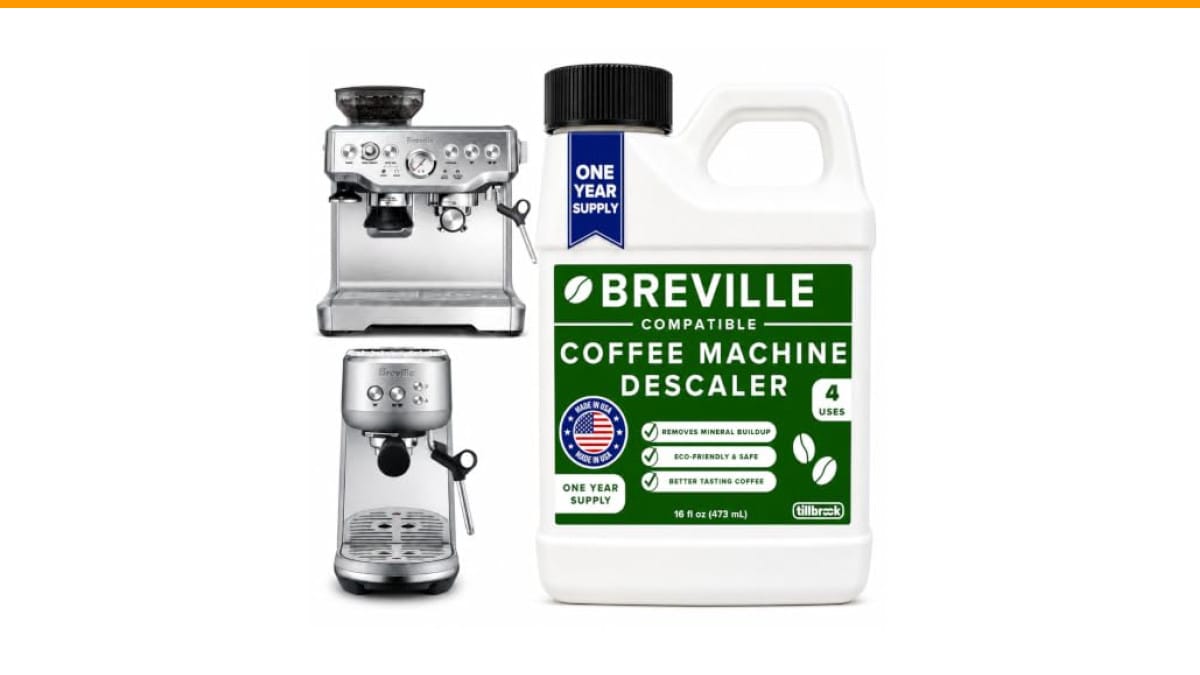
Citric acid usually leaves less lingering smell than vinegar. Vinegar works, but it needs a more thorough rinse to keep the next brew from picking up off flavors. I prefer citric acid for coffee gear because it is easier to rinse fully.
Choosing a kettle for soft water and cleaner flavor
If your water is already soft, the kettle matters less for mineral removal and more for avoiding off-notes that can muddy coffee. The supporting guide explains which kettle materials and designs are least likely to add plastic, metallic, or stale flavors, with a clear recommendation for a stainless-steel body, smooth interior, precise temperature control, and a wide opening for easier cleaning.
It also helps you compare glass, stainless steel, and gooseneck options based on durability, residue visibility, and pour control so you can match the kettle to your brewing style. For a focused breakdown of the best choices, see soft-water kettle guide.
Coffee-drinker kettle selector table
Feature map by brew method, household size, water hardness, and pour precision
| Brew method | Household size | Water hardness | Desired pour precision | Capacity target | Best spout | Temperature control | Heating element and body priorities | Main tradeoff |
|---|---|---|---|---|---|---|---|---|
| Pour over | 1 person | Soft | High | 0.8-1.0L | Gooseneck | Variable temperature with hold | Concealed element, stable base, balanced handle | Best control, slower full-volume pours |
| Pour over | 2 people | Hard | High | 1.0L | Gooseneck | Variable temperature with hold | Wide opening, concealed element, easy-to-see scale line | More cleaning, less tolerance for skipped descaling |
| French press | 1-2 people | Soft | Low | 1.0-1.5L | Standard spout | Boil-only or basic presets | Fast wattage, sturdy handle, simple interior | Less exact temperature, faster workflow |
| French press | 3+ people | Hard | Low | 1.5L | Standard spout | Boil-only acceptable | Concealed element, wide mouth, stainless body | Heavier when full, more scale load per cycle |
| Instant coffee | 1 person | Soft | Low | 0.8-1.0L | Standard spout | Boil-only | Fast boil, auto shutoff, boil-dry protection | Lowest precision, lowest fuss |
| Mixed coffee household | 2-4 people | Hard | Medium | 1.0-1.5L | Standard spout or hybrid-control spout | Variable temperature useful | Concealed element, stainless body, wide lid opening | Compromise between speed and pour finesse |
Short buying recommendation matrix with feature thresholds
| Brew method | Capacity threshold | Wattage target | Temperature control threshold | Spout threshold | Best fit if… |
|---|---|---|---|---|---|
| Pour over | 0.8-1.0L | 1000W or higher | True variable temp, ideally with hold | Gooseneck with steady low-flow control | You brew one to two cups and care about pulse-pour accuracy. |
| French press | 1.0-1.5L | 1200W or higher | Boil-only acceptable; presets optional | Standard spout with clean, fast pour | You want enough water for the press plus preheating without a second boil. |
| Instant coffee | 0.8-1.5L | 1200W or higher | No variable control required | Standard spout | You value speed, simple controls, and low maintenance over brew precision. |
| Mixed household | 1.0-1.5L | 1200-1500W | Variable temp useful but not mandatory | Standard or hybrid-control spout | You switch between tea, press, instant, and occasional manual coffee. |
How to read the selector and rank tradeoffs
Read left to right. Brew method decides spout. Household size decides capacity. Water hardness decides how much cleanability should affect the purchase. Desired precision decides whether variable temperature and hold are worth the extra cost and extra electronics.
When two features conflict, coffee workflow should break the tie. A pour over drinker should accept slower full-pot speed to get steadier flow. A French press household should accept a less delicate stream to get faster heating and easier descaling.
Quick picks for common home setups
- Single-cup pour over: 0.8-1.0L gooseneck, variable temperature, hold, concealed element.
- Two daily mugs plus occasional French press: 1.0-1.5L standard spout, fast wattage, concealed element, stable base.
- Hard-water kitchen with mixed use: stainless steel body, wide opening, concealed element, easy descale routine, optional filter support.
- Batch French press on busy mornings: 1.5L standard spout, boil-only acceptable, strong handle, dependable auto shutoff.
Short maintenance checklist to prevent taste defects
- Empty leftover water after the last brew of the day.
- Rinse the kettle with fresh water instead of topping up stale water repeatedly.
- Check the floor and spout weekly for white film or flakes.
- Descale with citric acid or vinegar when boil time stretches or taste turns flat.
- Rinse thoroughly after descaling until no smell remains.
- Keep the lid, steam path, and sensor area free of residue.
- Use filtered water if scale returns quickly.
How do I use an electric kettle for pour over and French press coffee?
For pour over, fill the kettle above its minimum line, heat water into the 195-205 F / 90-96 C range, and use a slow controlled stream for bloom and main pours. For French press, prioritize enough volume, preheat the brewer if desired, and pour steadily without worrying about narrow stream control.
Pour over workflow: fill level, heat target, bloom, and controlled pours
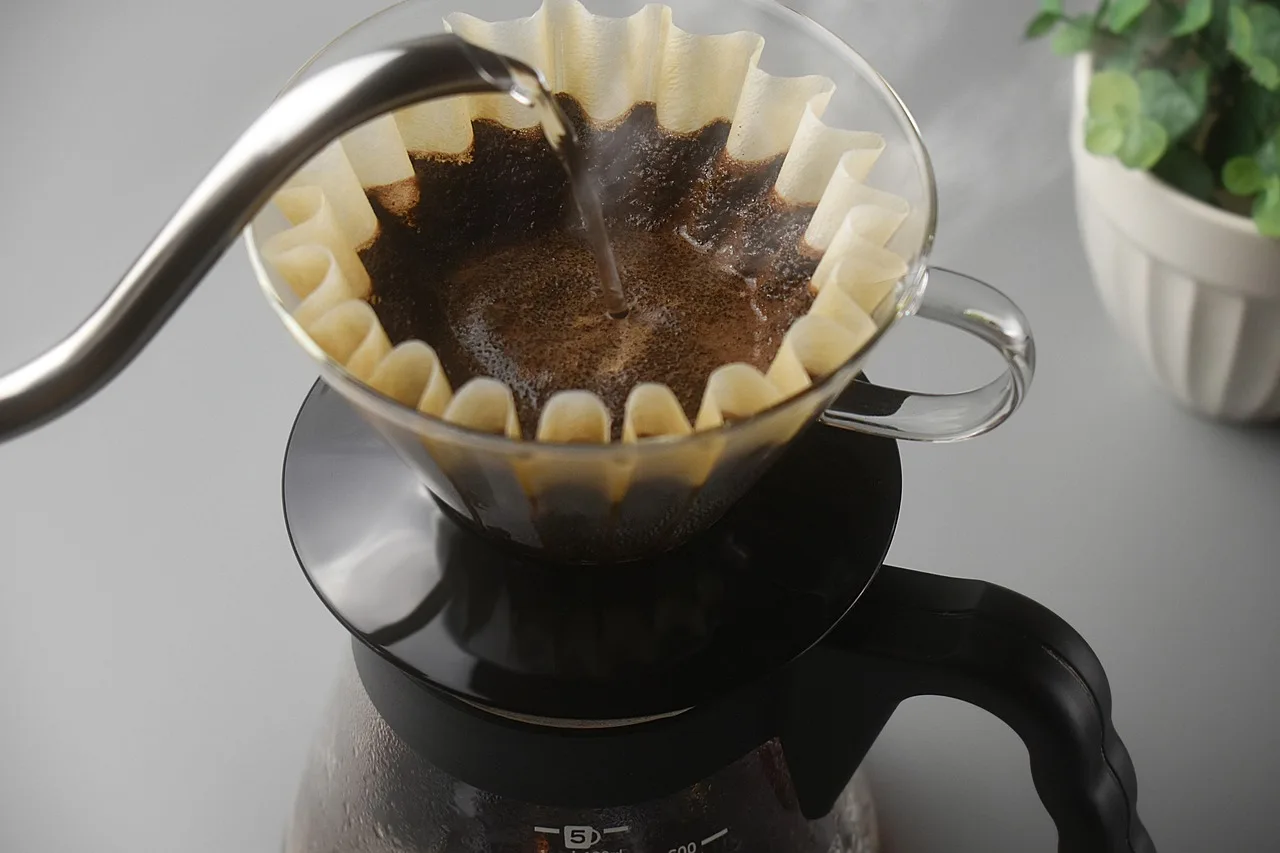
Keep the kettle filled enough to pour smoothly. Very low fill levels can make some goosenecks sputter or shut off oddly, and they change wrist angle as the water drops. Heat to target, wet the bed for bloom, then use small circles or center pours according to the brewer and recipe.
If the kettle drips after each pulse, pause a little lower over the dripper before lifting away. That often keeps the final drip from landing on the filter wall. Small handling habits like that matter more than people expect.
French press workflow: preheat, steeping water, and batch sizing
French press brewing is simpler. Heat enough water for the brew and, if needed, a quick preheat of the press. Add the brew water in a steady pour, stir if the recipe calls for it, and let steep. A standard spout works well because exact stream speed is less important than getting the full dose in cleanly.
How kettle fill level changes control and shutdown behavior
A kettle near empty can become twitchy. The stream may break, the balance can feel awkward, and steam may hit the thermostat path differently. A kettle packed to its maximum line can slosh and pour less precisely. Staying between those extremes usually gives the cleanest brew workflow.
Why does my electric kettle taste metallic, boil unevenly, or shut off too early?
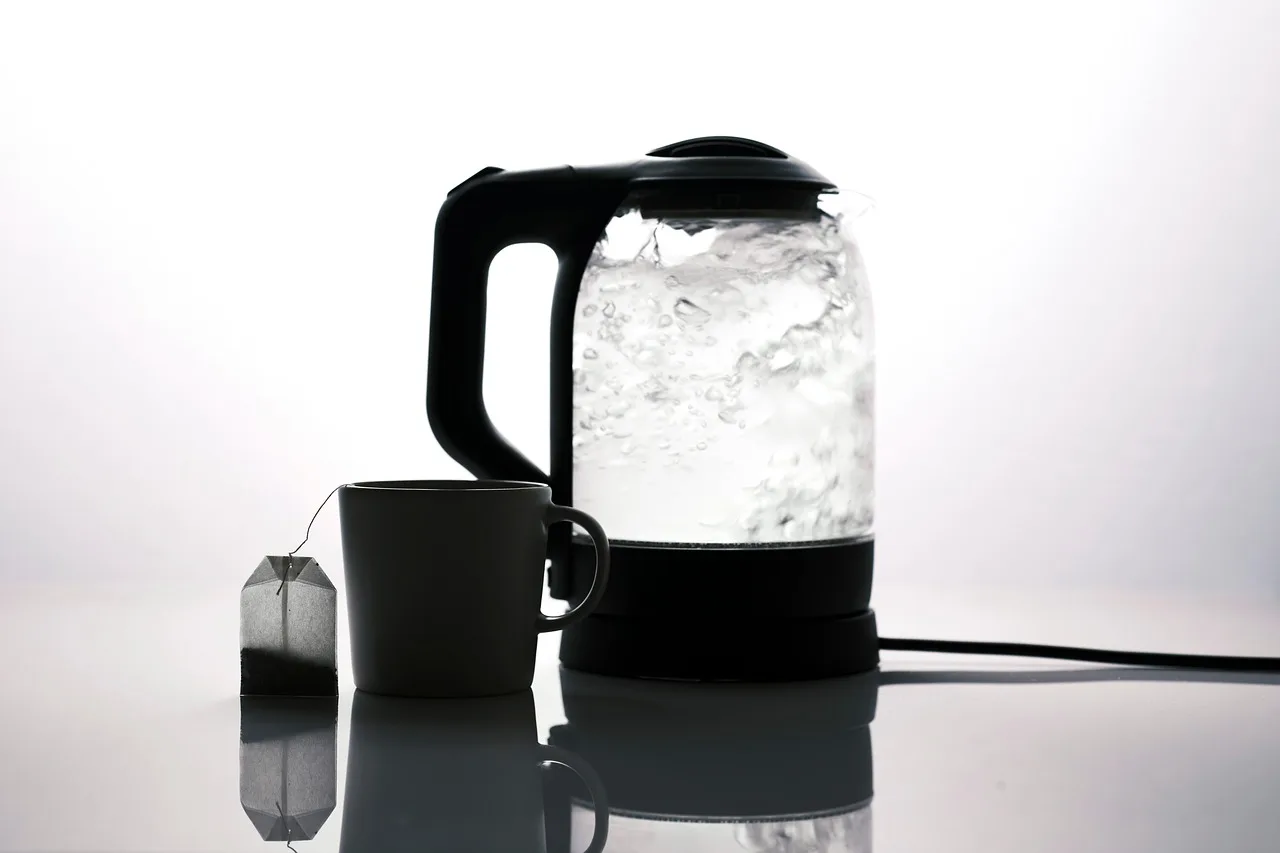
Metallic taste usually comes from factory residue, stale water, scale, or the water source rather than metal alone. Uneven boil often points to limescale on the heating area. Early shutoff commonly comes from low fill, a mis-seated lid, blocked steam path, or a sensor reacting badly to mineral buildup.
Metallic smell or taste: first-use residue, scale, and water source checks
New kettles often need a few boil-and-rinse cycles before first use. If the note appears later, empty the kettle, descale it, and taste plain heated filtered water. If the off flavor remains only with tap water, the kettle may be revealing a water issue rather than creating it.
Slow heating and uneven boil: scale and element issues
When heating slows, look at the floor first. A chalky layer on the concealed element area acts like insulation, which is consistent with hard-water scale guidance from the U.S. Geological Survey. Water may rumble on one side, then stall, then surge. Descaling usually fixes it before bigger performance problems appear.
Premature shutoff: low fill, lid position, steam path, and sensor problems
If the kettle clicks off before a full boil, start with simple checks. Fill above the minimum line. Make sure the lid closes fully. Clean the lid vent and steam path. Heavy scale near the thermostat area can trip the cutoff too soon, especially after repeated hard-water use.
Dribbling, splashing, and poor flow control at the spout
Dribbling usually comes from spout shape, rough pouring angle, or mineral buildup at the lip. Splashing often means the stream is too forceful for the brew bed or the kettle is too full for controlled wrist movement. Clean the spout, reduce fill, and slow the tip angle before blaming the brewer.
What wattage should an electric kettle have for fast boiling?
For fast boiling, look for about 1200-1500 watts on a typical North American home outlet, with the understanding that capacity changes real-world speed. A 1500W kettle heating 1.5L is not automatically faster in practice than a smaller 1200W kettle heating one mug’s worth of water.
What size electric kettle is best for one or two coffee drinkers?
For one coffee drinker, 0.8-1.0L usually gives the best mix of agility, fill control, and manageable weight. For two drinkers, 1.0-1.5L is the safer range because it covers brew water, rinsing, and a second cup without forcing another heating cycle.
Is a glass or stainless steel electric kettle better for coffee?
Stainless steel is usually the better all-around pick for coffee because it is durable, practical, and often easier to live with daily. Glass helps users spot scale faster, which is useful in hard-water homes, but it needs more careful handling and may show every streak and deposit.
How do I keep an electric kettle from scaling up?
Use filtered water if the tap is hard, empty the kettle after use instead of letting water sit overnight, and descale when you see white film, when boil time starts stretching, or when plain hot water tastes flat. In hard-water homes, waiting for heavy flakes means you waited too long.
How do I stop my electric kettle from shutting off too early?
Keep the fill above the minimum line, close the lid fully, and clean any scale from the kettle floor, lid vent, and steam path. Early shutoff often happens when mineral buildup redirects steam toward the cutoff sensor or when very low water levels heat too fast for stable sensing.
Sources
- National Coffee Association brewing guidance on coffee-water temperature: 195-205 F.
- Specialty Coffee Association brewing standards and home-brewing guidance on hot-water temperature targets.
- U.S. Geological Survey information on hard water, dissolved calcium and magnesium, and mineral scale formation.
- General electrical-safety guidance and common manufacturer documentation on automatic shutoff and boil-dry protection as baseline kettle safety features.
- Food-contact material guidance and common kitchen-use standards for stainless steel and glass as routine beverage-contact materials.
Products related to this article
Sponsored / affiliate links. As an Amazon Associate I earn from qualifying purchases. I may earn additional commission from eligible campaigns.