You just poured what should have been a perfect cup, and it tastes like last Tuesday’s burnt grounds. The mesh screen feels slick, the glass has a brown film, and no amount of hot water fixes it. That’s the classic French press problem: it hides its dirt well.
The good news is that cleaning a French press isn’t hard. It takes about five minutes of active work, and you likely have everything you need in your kitchen right now. This guide covers the daily rinse, the weekly deep clean, and the monthly reset that removes the oily buildup most people miss. You’ll walk away knowing exactly why your coffee tastes bitter and how to stop it.

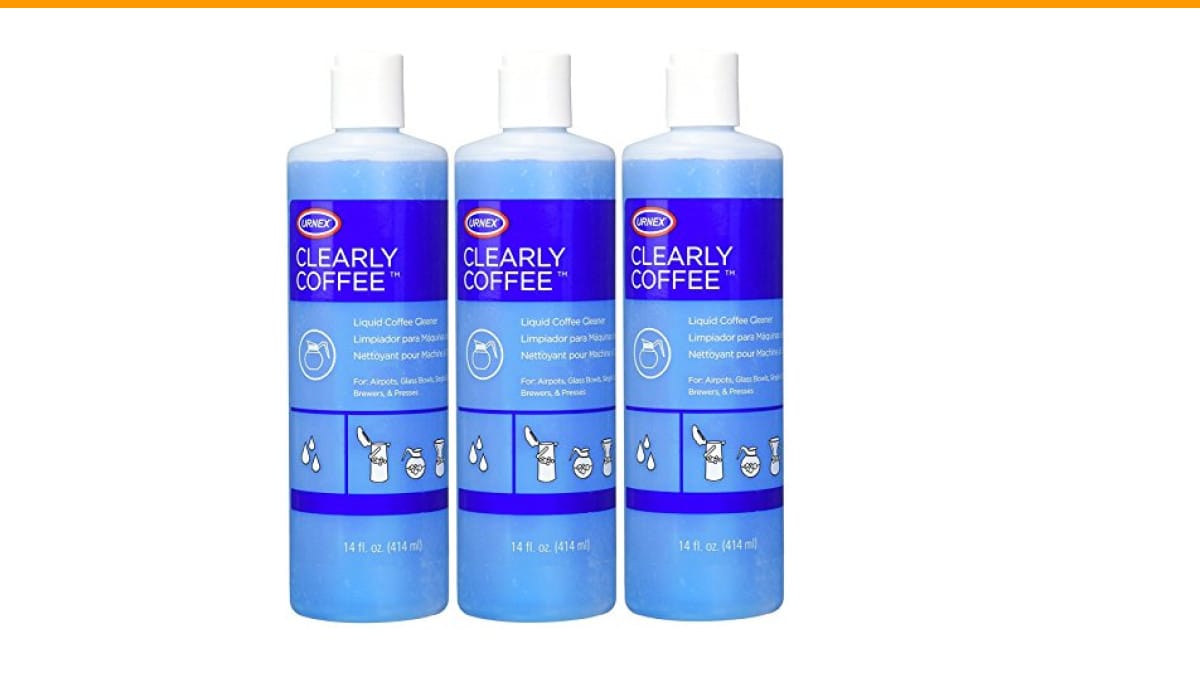
Urnex
Urnex Clearly Coffee Pot Cleaner - 3…
- Cleans and removes coffee oils and inhibits additional mineral deposits
- For glass bowls, airpots, satellite brewers, and thermal servers
- Liquid provides counter top convenience
As an Amazon Associate I earn from qualifying purchases.
Your press is a simple machine, but its parts trap coffee oils that go rancid fast. Those oils are the main culprit behind off-flavors. Let’s fix that.
For the heavier buildup, a dedicated cleaner like the Urnex Clearly Coffee Pot Cleaner works well. It’s a liquid solution made for glass bowls and thermal servers. The blue color is a nice touch — it shows you exactly when the rinse water is clear, so you never leave residue behind.
Why Your French Press Gets Filthy Even If You Rinse It
Water alone won’t cut it. Coffee oils are hydrophobic, meaning they repel water. When you rinse with hot water, you wash away the loose grounds, but the oil film stays on the glass and the metal mesh. That film oxidizes over time, turning bitter and stale.
You’ll notice it first in the plunger. The mesh screen gets clogged with micro-grounds and oil, making the plunger harder to push down. That resistance means your press is working against its own dirt.
The glass carafe also develops a brown stain near the bottom. That’s not just cosmetic — it’s a layer of rancid oil that will flavor your next brew. Think of it like a cast-iron skillet that’s never been seasoned properly. The residue doesn’t help; it hurts.
The Daily Routine: 90 Seconds After Every Brew
Do this immediately after you pour your coffee, while the press is still warm. Warm oil is thinner and easier to remove than cold, congealed oil.
- Remove the plunger and dump the spent grounds into the trash or compost. Don’t put them down the sink — they’ll clog your drain.
- Rinse the carafe and plunger under hot running water. Use your thumb to rub the mesh screen while the water flows through it. This dislodges the grounds stuck between the mesh layers.
- Fill the carafe halfway with hot water, drop the plunger in, and pump it up and down a few times. This flushes oil out of the mesh.
- Dump the water and let everything air dry on the dish rack.
That’s it. This routine takes less than two minutes and prevents 90% of the buildup. If you skip it, the oil hardens and the next step becomes necessary.
The Weekly Deep Clean: Dish Soap and a Soft Sponge
Once a week, the daily rinse isn’t enough. You need soap to break down the oil film. Use a mild dish soap — nothing abrasive. A soft sponge or a bottle brush works best. Avoid steel wool or scouring pads; they’ll scratch the glass and create tiny crevices where bacteria and oil hide.
Here’s the step-by-step for the weekly clean:
- Disassemble the press completely. The plunger, the mesh screen, the spring, and the carafe should all be separate pieces.
- Wash each part with warm, soapy water. Pay special attention to the mesh screen. Rub it between your fingers with soap to work the oil out of the weave.
- For the carafe, use a bottle brush to reach the bottom corners. The bottom edge is where the oil film builds up thickest.
- Rinse everything thoroughly. Soap residue will ruin your next cup faster than coffee oil will.
- Air dry completely before reassembling. Trapped moisture between the mesh layers can grow mold.
Most French presses are dishwasher safe, but I don’t recommend it. The high heat and harsh detergent can warp the plastic parts and dull the glass. Hand washing takes three minutes and gives you better control over the delicate mesh.
The Monthly Reset: Removing Stubborn Oil and Stains
Even with weekly washing, a thin film will build up over time. You’ll see it as a cloudy haze on the glass or a stubborn brown ring near the bottom. This is where you need a stronger approach.
You have three solid options for the monthly deep clean. Each works, but they’re not equal.
| Method | What It Takes | Best For | Watch Out For |
|---|---|---|---|
| Baking soda paste | 3 tablespoons baking soda + 1 tablespoon water | Gentle scrubbing of glass and mesh | Rinse extremely well; grit can scratch |
| White vinegar soak | 1 part vinegar to 2 parts hot water, soak 30 min | Dissolving mineral deposits and old oils | Strong smell; rinse twice to avoid vinegar taste |
| Dedicated cleaner | Follow label instructions | Heavy buildup, thermal carafes, airpots | Costs a few dollars more, but works fast |
For the baking soda method, make a paste and rub it on the glass with a soft cloth. Let it sit for five minutes, then rinse. The paste is mildly abrasive, so it lifts the film without scratching.
For vinegar, fill the carafe with the solution and let it soak. The acid breaks down the oil and any hard water scale. After soaking, wash with soap and water as usual. I’ve found vinegar leaves a faint smell if you don’t rinse well, so do a final hot water rinse.
The dedicated cleaner route is the least labor-intensive. The Urnex Clearly solution works in about 15 minutes with no scrubbing. It’s NSF certified for metal compatibility, so it’s safe for the stainless steel mesh and springs. The blue dye is genuinely useful — you can see when the rinse water runs clear, which takes the guesswork out of the process.
How Often Should You Actually Clean It?
If you brew daily, follow the daily rinse and weekly soap wash without exception. The monthly deep clean is flexible — do it when you notice the plunger getting stiff or the glass looking hazy. That’s usually every 4 to 6 weeks.
If you only use your press a few times a month, you can skip the daily rinse and just do the soap wash after each use. The oil doesn’t have time to oxidize between brews, so the buildup is slower. Still do the monthly reset every couple of months to keep the mesh clear.
One note on the plunger: if the mesh screen gets permanently clogged and won’t clear after a deep clean, you can replace it. Most presses have replaceable screens, and they’re cheap. Don’t throw away a good carafe because the screen is tired.
Regular maintenance also protects your equipment. A clean press brews faster, plunges smoother, and tastes better. If you want to extend the life of your gear, check out our guide on why regular cleaning matters for the broader picture.
Common Mistakes That Ruin a French Press
People make three consistent errors when cleaning their press. Avoid these and you’re ahead of most home baristas.
Mistake 1: Scrubbing the mesh with a brush. The mesh is fine and delicate. A stiff brush will bend the wires and create gaps that let grounds through. Use your fingers or a soft cloth on the mesh. The soap and water do the work, not the scrubbing.
Mistake 2: Putting the plunger in the dishwasher. The high heat can warp the plastic handle and the spring can lose its tension. A warped plunger won’t seal properly, which means grounds in your cup. Hand wash it.
Mistake 3: Letting coffee sit in the press for hours. The longer the coffee sits, the more oil adheres to the glass. If you leave it overnight, you’ve essentially baked the oil on. Clean it right after you pour your last cup.
If you’re also dealing with a standard drip machine, the same principles apply. Check our proper cleaning methods for those machines to keep everything tasting fresh.
Frequently Asked Questions
Can I use barista cleaner tablets on a French press?
Yes, but check the label first. Some tablets are designed for espresso machines and contain descalers that are too harsh for glass. If the tablet is safe for glass carafes, it works well. The Urnex solution mentioned above is a liquid, so it’s easier to rinse away than tablets that sometimes leave a powdery residue.
Why does my French press coffee taste bitter even after cleaning?
Two possible causes. First, you might be over-extracting — water too hot or steeping too long. Second, there might be a lingering oil film you can’t see. If you’ve done a deep clean with vinegar or a dedicated cleaner and the taste persists, it’s a brewing issue, not a cleaning issue. Try a coarser grind and a shorter steep time.
Is it safe to use bleach to clean a French press?
No. Bleach is too harsh and can leave toxic residue if not rinsed perfectly. It can also corrode the metal spring and mesh. Stick to dish soap, baking soda, vinegar, or a dedicated coffee cleaner. None of those risk your health or the equipment.
How do I get the stain out of the bottom of the glass carafe?
That stain is oxidized coffee oil. A baking soda paste scrubbed with a soft cloth will lift most of it. If it’s really stubborn, let the paste sit for 15 minutes before scrubbing. A dedicated cleaner soak is even easier — it dissolves the oil without any elbow grease. The stain won’t affect flavor if it’s just on the outside, but if it’s inside, it will.
Can I clean the mesh screen separately from the plunger?
Yes, and you should. Most plungers unscrew so you can separate the mesh discs from the spring. This lets you clean between the layers where grounds get trapped. If you don’t separate them, you’re only cleaning the surface. Make sure you note the order of the parts so you can reassemble them correctly.
What to Remember for a Cleaner Press
- Rinse the press immediately after brewing — warm oil comes off far easier than cold oil.
- Use mild dish soap and a soft sponge weekly; never use steel wool on glass.
- Disassemble the plunger completely to clean between the mesh layers.
- Do a monthly deep clean with baking soda paste, vinegar, or a dedicated cleaner like Urnex Clearly.
- Air dry every part fully before reassembling to prevent mold growth.
- Replace the mesh screen if it stays clogged after deep cleaning — it’s a cheap fix.
- If you’re troubleshooting other coffee gear, our grinder cleaning guide covers the other half of your setup.
Products related to this article
Sponsored / affiliate links. As an Amazon Associate I earn from qualifying purchases. I may earn additional commission from eligible campaigns.
 HomeBeyond Espresso Coffee Maker 12 Cups, Classic Stovetop Espresso Maker, 600ml / 20oz Coffeemaker for Gas & Ceramic Stovetops (Silver)
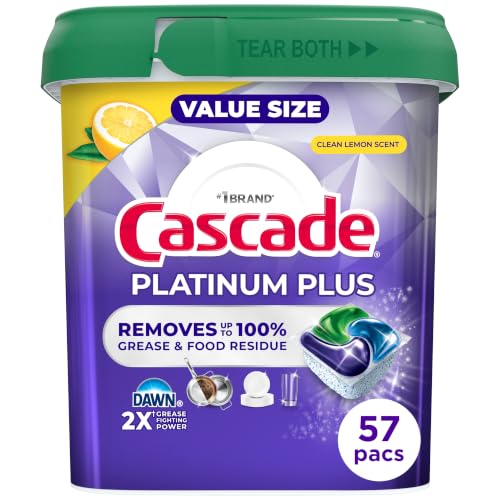 Cascade Platinum Plus Dishwasher Detergent Pods Dish Soap Lemon 57 Count
 Linnkyfloa Coffee Espresso Maker Handle Replacement for Stovetop Moka Pot or Percolator, Black Plastic for Spare Part Compatible with Italian(9-12 Cup)