You pour your morning cup, take a sip, and something’s off. The coffee tastes bitter, maybe a little metallic, or it just lacks the brightness it had last week. Your first thought is the beans. But the real culprit is probably hiding inside the machine — a layer of mineral scale and stale coffee oil that’s been building up for weeks.
Most people never think about cleaning their drip coffee maker until it starts brewing slower or tasting bad. By then, the damage is done. The good news is that fixing it takes about 30 minutes and costs almost nothing if you already have vinegar in the pantry. This guide covers the full process, the tools that work best, and how often you actually need to do it.

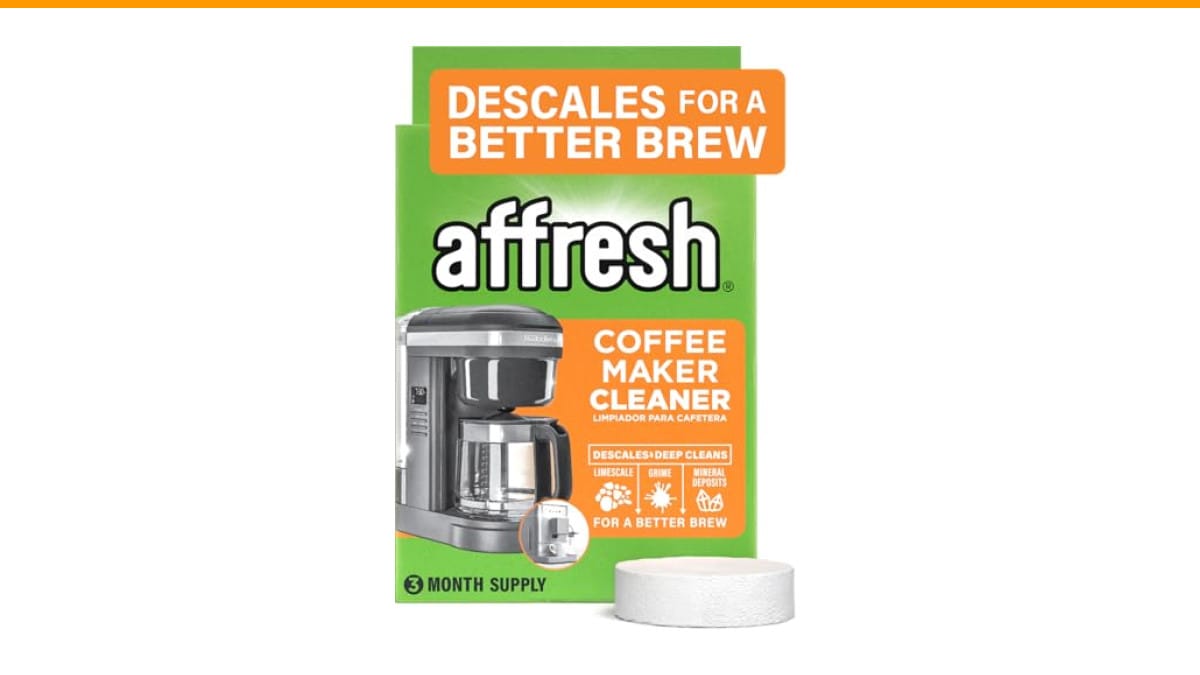
Affresh
Affresh Coffee Maker Cleaner, Unscented, Descales &…
- Descales your coffee maker, fighting hard water deposits and mineral buildup for a better tasting brew
- Deep cleans without the odor of vinegar
- Compatible with multi-cup and single-serve coffee makers
As an Amazon Associate I earn from qualifying purchases.
You’ll walk away knowing exactly how to clean a drip coffee maker, why the water you use matters more than you think, and which cleaning method gives you the best results without leaving a vinegar aftertaste in your next pot.
If you want a cleaner that skips the vinegar smell entirely, the Affresh Coffee Maker Cleaner tablets are a solid option. They dissolve quickly, tackle hard water scale, and leave no odor behind. It’s a nice middle ground if you hate the smell of vinegar but still want a deep clean.
Why Your Coffee Maker Gets Dirty (And Why It Matters)
Every time you brew, two things happen. Hot water extracts flavor from the grounds, and it also leaves behind minerals from the water itself. Hard water — which most of us have — deposits calcium and lime scale on the heating element and internal tubes. Over time, that scale acts like an insulator. The water takes longer to heat, the brew temperature drops, and your coffee comes out under-extracted and sour.
Then there’s the coffee oil. Coffee contains natural oils that cling to the carafe, the filter basket, and the internal hoses. These oils go rancid after a few days. That’s the bitter, stale taste you notice even with fresh beans. A quick rinse doesn’t remove them. You need a chemical or acidic cleaner to break the oils down.
The fix is a process called descaling. It dissolves the mineral deposits and strips the old oils in one pass. It’s not optional maintenance — it’s the difference between a machine that lasts five years and one that dies at eighteen months.
Vinegar vs. Citric Acid vs. Commercial Cleaners: What Actually Works
You’ve got three main options for descaling. Each has trade-offs, and the right choice depends on how much time you have and how sensitive you are to smells.
White Vinegar
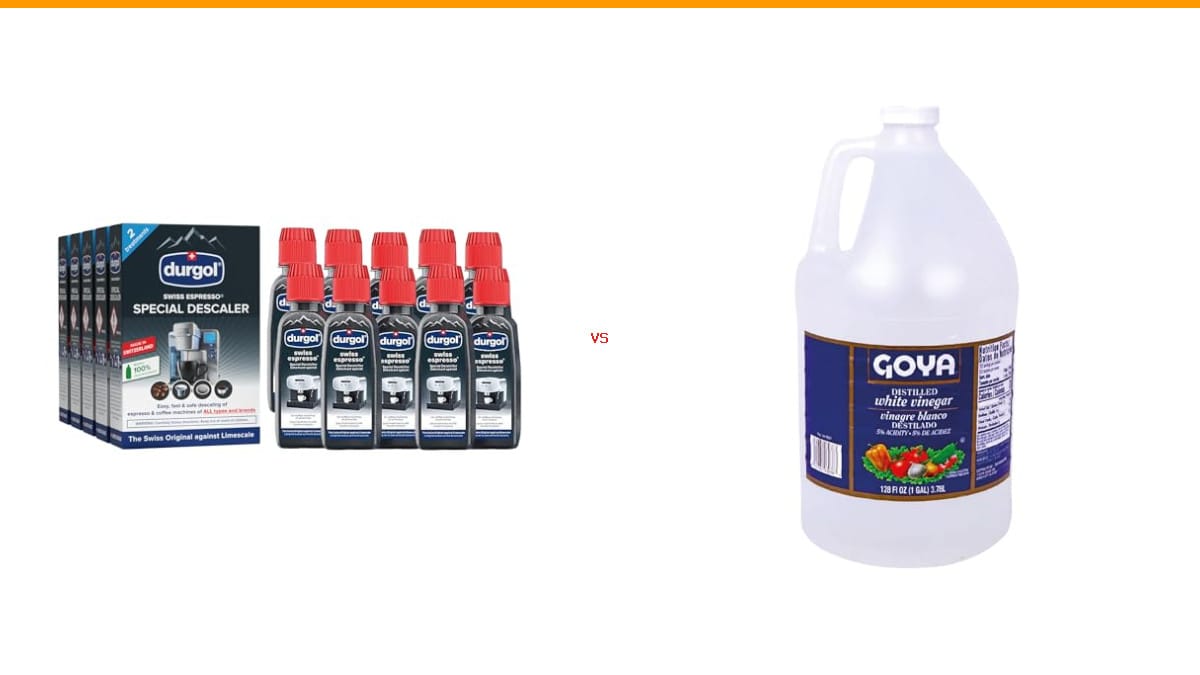
Plain white vinegar is the default choice for good reason. It’s cheap, available everywhere, and the acetic acid dissolves calcium carbonate effectively. The standard ratio is 1 part vinegar to 2 parts water, run through a full brew cycle, then run two or three cycles with plain water to rinse. It works, but the smell lingers. Even after multiple rinses, the first pot of coffee after cleaning can carry a faint vinegar note. If you’re sensitive to that, you’ll want to rinse more than you think is necessary.
Citric Acid Powder
Citric acid is the active ingredient in most commercial descalers, and you can buy it in bulk for pennies per use. Mix one to two tablespoons in a full reservoir of warm water and run the cycle. It’s odorless, which makes it more pleasant than vinegar, and it’s arguably more effective at breaking down scale because it chelates minerals rather than just dissolving them. The downside is that it’s another thing to store, and if you use too much, the acidic solution can be harsh on rubber gaskets.
Commercial Tablets and Liquid Cleaners
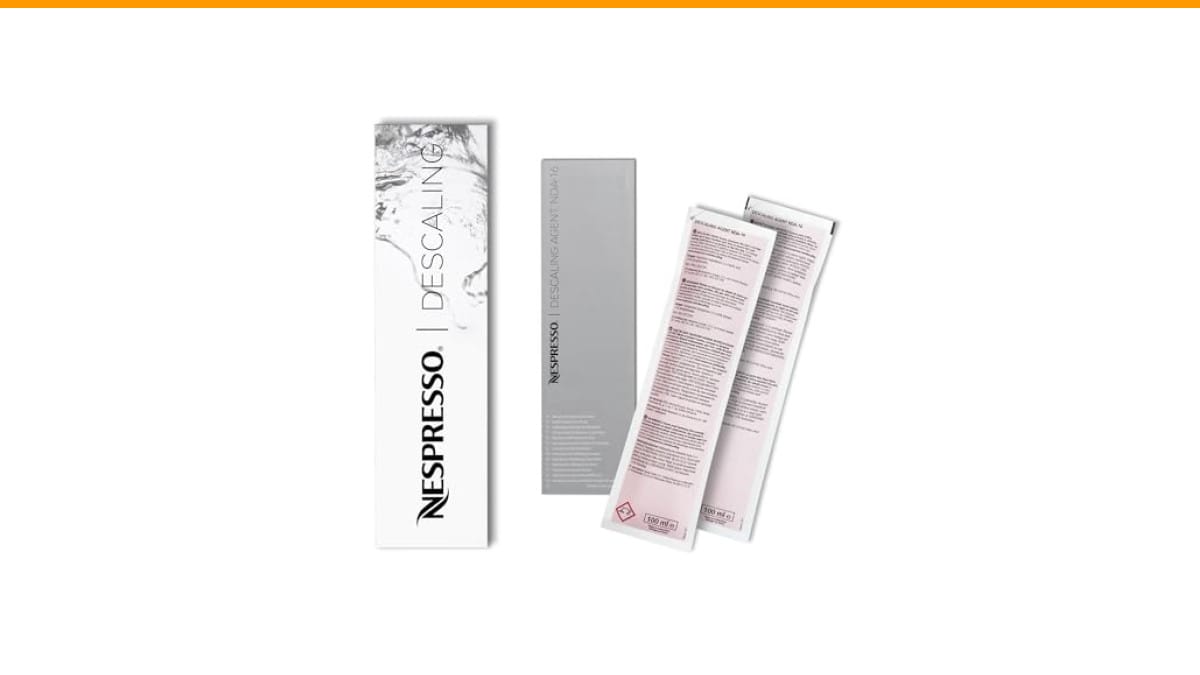
Products like the Affresh tablets are formulated to be safe for all internal components while still cutting through scale and oils. They’re convenient — drop one in, fill the reservoir, run the cycle. No measuring, no mixing. They also include anti-corrosion agents that plain vinegar lacks, which is easier on the machine’s internal seals over the long term. The cost per use is higher, but you’re paying for simplicity and a neutral smell.
| Method | Cost Per Clean | Smell | Effectiveness | Best For |
|---|---|---|---|---|
| White Vinegar | ~$0.20 | Strong, lingers | Good | Budget cleaning, no smell sensitivity |
| Citric Acid | ~$0.10 | None | Very Good | Deep scale buildup, odor-free |
| Commercial Tablets | ~$1.00 | None | Excellent | Monthly maintenance, convenience |
My personal take: keep a box of Affresh tablets on hand for monthly cleanings, and use vinegar only when you’re out of tablets and need a quick fix. The tablets are easier and don’t require the extra rinse cycles. But if you’re on a tight budget, citric acid powder is the best value per clean.
The Step-by-Step Cleaning Process
Here’s the full routine. Do this every month if you brew daily, or every three months if you only brew a few times a week. If your water is very hard, bump the frequency up.
- Empty the machine. Remove the carafe, filter basket, and any removable parts. Wash them with warm soapy water and rinse thoroughly.
- Fill the reservoir. For vinegar, use a 1:2 vinegar-to-water mix. For citric acid, dissolve 2 tablespoons in a full reservoir. For tablets, drop one in and fill with water.
- Run a brew cycle without coffee grounds. Let the solution run through about halfway, then turn the machine off and let it sit for 30 minutes. This soak time lets the acid work on the scale inside the heating element.
- Restart and finish the cycle. Let the rest of the solution drain through.
- Rinse, rinse, rinse. Fill the reservoir with fresh water and run a full cycle. Repeat this at least twice for vinegar, once for tablets or citric acid. If you smell or taste vinegar on the next brew, run another rinse cycle.
- Wipe down the exterior. Use a damp cloth to clean the warming plate and the outside. Coffee spills baked onto the plate are tough to remove later.
One thing people skip: the carafe. If you’re only descaling the internal lines, the carafe still holds old oils. A dishwasher works if your carafe is marked dishwasher-safe. Otherwise, a bottle brush and hot soapy water does the job.
How Often Should You Actually Do This?
The standard advice is every 40 to 80 brew cycles, which works out to roughly once a month for daily brewers. But that assumes average tap water. If you have hard water, you’ll notice scale building up faster — maybe in as little as two weeks. If you use filtered or bottled water, you can stretch it to two or three months.
Here’s a practical test: fill the reservoir with plain water and run it through without coffee. If the water comes out cloudy or you see white flakes in the carafe, you’re due for a descale. Also, if your brew time has gotten noticeably slower than when the machine was new, scale is already restricting the flow.
Don’t wait for the machine to start sputtering or making loud gurgling noises. That’s a sign of a partial clog, which is a more serious problem. If you’ve let it go too long, you might need to run two descaling cycles back-to-back. Check our guide on cleaning a clogged coffee maker for that situation.
Common Mistakes That Ruin the Clean
People make a few predictable errors. The biggest one is not rinsing enough. Vinegar residue doesn’t just taste bad — it’s acidic enough to irritate your stomach in large amounts. Run an extra rinse cycle even if you think it’s fine.
Another mistake is using vinegar in a machine with a plastic reservoir that’s stained. The acid can sometimes make plastic cloudier over time. It won’t break it, but it won’t look pretty either. Commercial tablets are gentler on plastic parts.
Some people also forget to clean the spray head or shower head — the part above the filter basket where water drips out. Those tiny holes clog with coffee oils and mineral deposits. A paperclip or a stiff brush can clear them. This is a step most cleaning guides skip, but it’s often the reason your coffee still tastes off after a full descale.
Frequently Asked Questions
Can I use bleach to clean my coffee maker?
No. Bleach is toxic and will leave dangerous residues in the internal lines. It’s also corrosive to the heating element. Stick to vinegar, citric acid, or a commercial cleaner. There’s no scenario where bleach is the right answer.
Why does my coffee taste like vinegar after cleaning?
You didn’t rinse enough. Vinegar is water-soluble, so it should flush out completely, but it takes more than one rinse cycle. Run two or three full cycles with fresh water. If the taste persists, run a cycle with a slice of lemon or a tablespoon of baking soda in the reservoir, then rinse again. That neutralizes the acid.
Is it safe to clean a drip coffee maker with just water?
Running plain water through the machine won’t remove scale. It might rinse away loose coffee grounds, but mineral deposits need an acid to dissolve. Water-only cleaning is fine between descaling sessions, but it’s not a substitute for the real thing.
How long does a descaling cycle take?
About 45 minutes total if you include the 30-minute soak time and two rinse cycles. The actual brew cycle is only 5–10 minutes depending on your machine’s reservoir size. The soak is the part that does the heavy lifting, so don’t rush it.
Can I descale a single-serve coffee maker with the same method?
Yes, the process is the same, but you’ll run the solution through a mug instead of a carafe. The Affresh tablets are labeled for both drip and single-serve machines. The only difference is that you may need to run a few more rinse cycles to clear the smaller internal tubing.
What to Remember for Next Time
- Descale monthly if you brew daily; every three months for lighter use.
- Vinegar works but requires at least two rinse cycles to remove the smell.
- Citric acid powder is the cheapest odorless option.
- Commercial tablets like Affresh are the easiest and safest for the machine’s internals.
- Clean the carafe and spray head separately — the internal descale doesn’t touch them.
- If you notice slower brew times, don’t delay — that’s a clog forming.
- Always run a rinse cycle with fresh water before brewing your next cup.
Regular cleaning is the single best thing you can do for your machine’s lifespan and your coffee’s flavor. It’s a low-effort habit with a big payoff. For more on why this matters, see our breakdown of why regular cleaning matters. And if you’re also dealing with a grinder that’s accumulating old grounds, don’t forget to check out our coffee grinder cleaning guide.
Products related to this article
Sponsored / affiliate links. As an Amazon Associate I earn from qualifying purchases. I may earn additional commission from eligible campaigns.
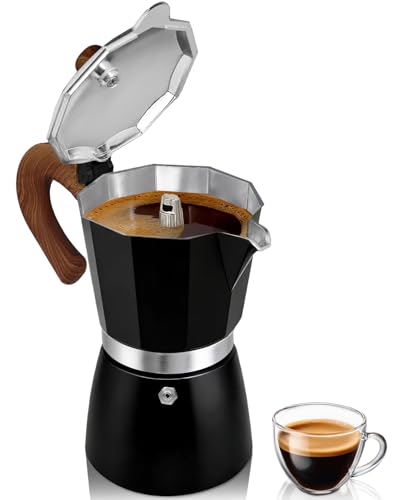 Belly Moka Coffee Maker Stovetop Espresso Maker 9 Cup Aluminum Moka Pot Percolator 15oz 450ml Easy Brewing for Electric Ceramic Stoves Home Camping Italian Cuban Café Classic Black
 Belly Moka Coffee Maker Stovetop Espresso Maker 6 Cup Aluminum Moka Pot Percolator 10oz 300ml Easy Brewing for Electric Ceramic Stoves Home Camping Italian Cuban Café Classic Silver
 HomeBeyond Espresso Coffee Maker 12 Cups, Classic Stovetop Espresso Maker, 600ml / 20oz Coffeemaker for Gas & Ceramic Stovetops (Silver)