You pulled a shot this morning and something tasted off. Not sour, not bitter—just dull and slightly burnt. You checked the beans, the dose, the temperature. Everything looked normal. But the machine has been running for weeks without a real clean, and the grinder has been holding onto old coffee oils that have gone rancid.
This is the moment most home baristas realize they have been ignoring the most important maintenance task in their kitchen. Cleaning an espresso machine with a grinder isn’t just about wiping down the steam wand. It’s a two-part job that affects flavor, machine longevity, and your daily routine. This guide covers the exact steps, the tools you need, and the schedule that keeps both components working like new.

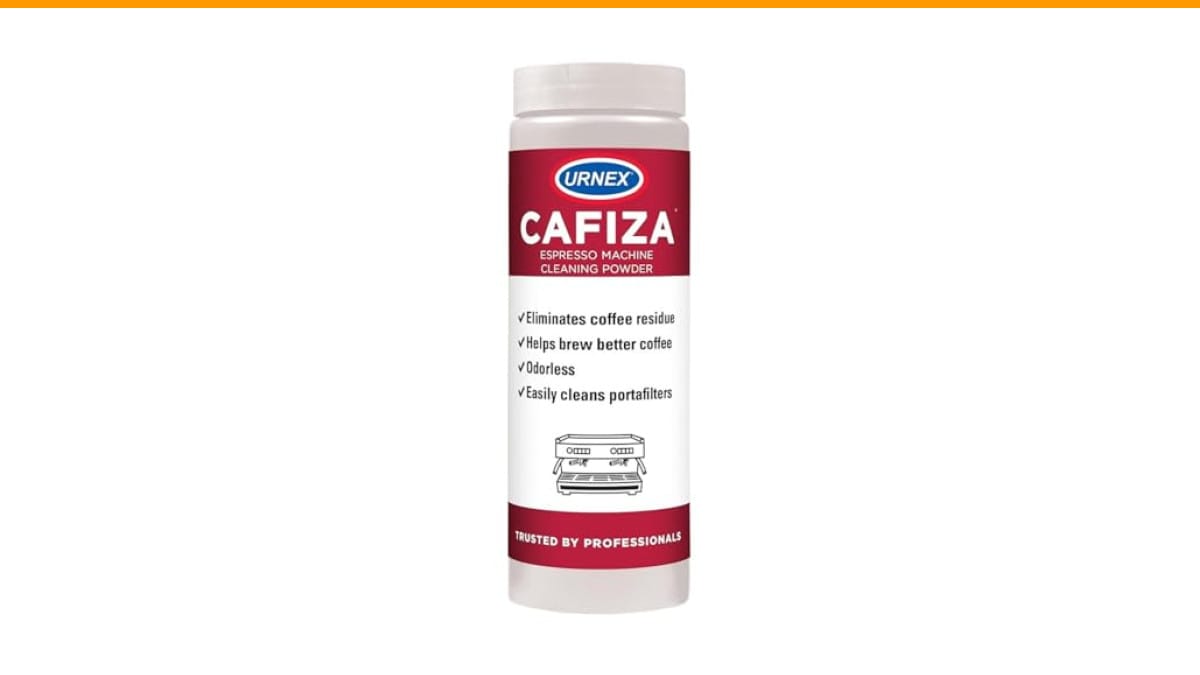
Urnex
Urnex Espresso Machine Cleaning Powder - 566…
- Eliminates coffee residue and oils from espresso machine group heads, valves and lines
- Specially formulated to clean heavily soiled equipment in a professional setting
- Powder format allows for easy and controlled dosing
As an Amazon Associate I earn from qualifying purchases.
You’ll walk away knowing how to backflush properly, how to deep clean the grinder burrs, and why skipping this for a month can ruin a bag of $20 beans faster than anything else.
For the machine side of things, a dedicated cleaner like Urnex Espresso Machine Cleaning Powder dissolves coffee oils and residue that plain water cannot touch. It is NSF certified and works for daily backflushing, which is the single most effective habit you can build.
Why Your Espresso Machine and Grinder Get Dirty So Fast
Espresso extraction is a violent process. Hot water at 9 bars of pressure blasts through finely ground coffee, pulling out soluble flavors and insoluble oils. Those oils stick to the group head, the dispersion screen, and the internal valves. Over time, they oxidize and turn into a sticky, dark residue that tastes like burnt rubber.
The grinder is worse. Coffee beans contain about 15% oil by weight. When you grind, those oils coat the burrs and the chute. They attract fine coffee dust, which cakes onto surfaces and slows down the grind. A grinder that was delivering 18 grams in 4 seconds might take 7 seconds after three weeks of heavy use. That changes your extraction time and your shot consistency.
Most home machines don’t get the daily use of a café, but they still need weekly attention. If you pull two or three shots a day, you are producing enough residue to affect flavor within five to seven days.
The Backflush Routine: Your Weekly Machine Clean
Backflushing is the process of forcing cleaning solution through the group head in reverse. It cleans the parts you cannot see—the three-way solenoid valve, the dispersion block, and the internal plumbing.
Here is the step-by-step routine I recommend for home users with a machine that has a three-way valve (most pump-driven machines like Gaggia, Rancilio, Breville, and ECM have this).
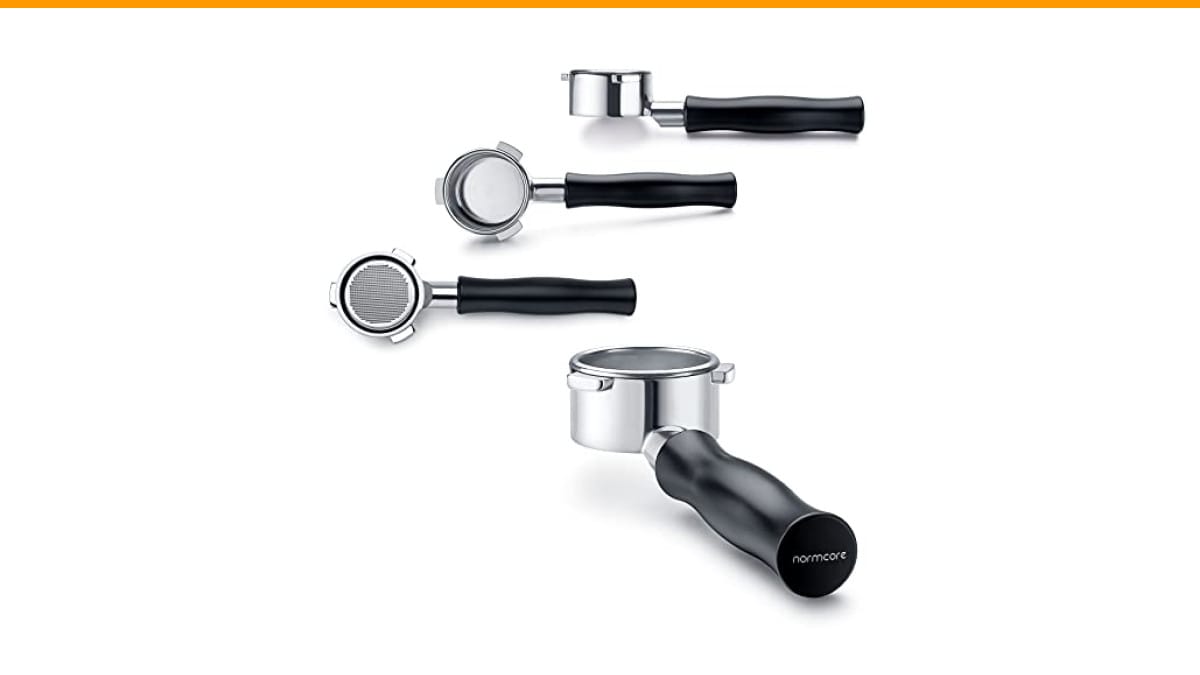
- Remove the portafilter basket and replace it with a blind basket (the one with no holes).
- Add about half a gram of cleaning powder—roughly a quarter teaspoon—into the blind basket.
- Lock the portafilter into the group head.
- Start the brew cycle for 10 seconds, then stop it. Let the solution sit for 30 seconds.
- Repeat the 10-second brew cycle and stop. Do this 5 times.
- Remove the portafilter and rinse it thoroughly.
- Run two full empty cycles of plain water through the group head to flush out any remaining solution.
That whole process takes about three minutes. Do it every week if you pull shots daily. If you only use the machine on weekends, every two weeks is fine.
Do not use vinegar for backflushing. Vinegar is an acid that can damage the rubber gaskets and the internal seals of an espresso machine. Use a proper espresso cleaner like the Urnex powder mentioned above. It is designed to break down coffee oils without harming the machine components.
If you have not backflushed in months, the first clean will produce a dark, brownish liquid that looks like dirty motor oil. That is normal. Run the backflush cycle twice with fresh powder to get the group head completely clean.
Grinder Cleaning: Burrs, Chute, and Dosing Chamber
Your grinder needs a different approach. You cannot backflush a grinder. You have to take it apart partially and brush it out.
Start by unplugging the grinder. Remove the hopper and the bean container. If there are beans in the hopper, store them in an airtight jar. Do not run them through the grinder just to clear it out—that wastes good coffee and pushes stale grounds into the burr chamber.
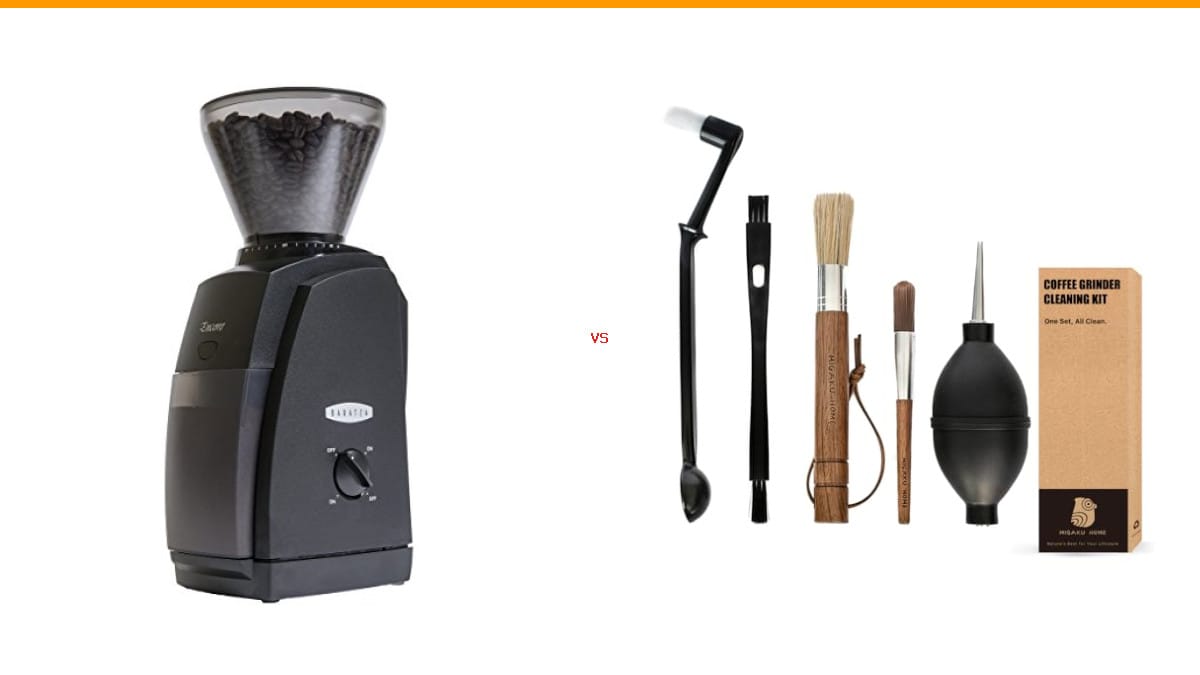
Most home grinders like the Baratza Encore, the Sette 270, or the built-in grinders on machines like the Breville Barista Express have a removable upper burr. Take it out. You will see a retaining ring or a set of tabs that twist to release. Consult your manual if you are unsure—forcing it can strip the threads.
Use a stiff brush (a dedicated coffee grinder brush or a clean paintbrush works) to sweep out the grounds stuck to the burrs and the interior walls. Do not use water. Moisture causes the metal burrs to rust and the coffee oils to clump into a paste that is harder to remove.
For the chute and the dosing chamber, a vacuum with a narrow nozzle helps. Many home grinders accumulate a surprising amount of ground coffee in the chute that never makes it into the portafilter. That stale coffee drops into your next dose and ruins the freshness.
Once a month, you can use grinder cleaning tablets (like Urnex Grindz or Cafetto) to absorb oils. Run a tablet through the grinder on the coarsest setting, then grind about 30 grams of fresh coffee to purge the residue. This is not a substitute for brushing—the tablets do not remove caked-on grounds. They only absorb surface oils.
A side-by-side comparison of both methods shows that the brush-and-vacuum approach is more effective for removing old grounds. The tablets are a good supplement, not a replacement.
Steam Wand and Exterior Maintenance
The steam wand is the most visible part of the machine and the one most people neglect until it looks like a science experiment.
After every milk steaming session, wipe the wand with a damp cloth immediately. Milk protein bonds to hot metal in seconds. If you let it sit, it forms a crust that requires soaking to remove.
Once a week, purge the wand by turning on the steam for two seconds with the tip submerged in a small pitcher of water. This flushes milk residue from the internal tube. Then wipe it down again.
For the exterior, a microfiber cloth and warm water are enough. Avoid abrasive cleaners that will scratch the stainless steel. If your machine has a drip tray, empty and rinse it every day. Coffee drips and milk spills create a breeding ground for mold and bacteria.
You can find a more detailed guide on steam wand care if you want the full breakdown.
Comparing Cleaning Methods for Home Espresso Setups
Not every cleaning method works for every machine. Here is a comparison of the common approaches based on testing results and general home barista experience.
| Method | Best For | Frequency | Time Needed | Effectiveness |
|---|---|---|---|---|
| Backflush with powder | Machine with three-way valve | Weekly | 3-5 minutes | Cleans internal valves and group head |
| Brush and vacuum grinder clean | All grinders | Weekly | 5-10 minutes | Removes caked grounds and old coffee |
| Grinder tablets | Burr grinders | Monthly | 2 minutes | Absorbs oils, does not remove residue |
| Vinegar soak | Drip machines only | Monthly | 30 minutes | Not safe for espresso machines |
| Steam wand purge | All machines with steam | Weekly | 30 seconds | Prevents milk crust buildup |
The biggest mistake I see is people using vinegar on expensive espresso machines. It works fine for a $30 drip coffee maker, but the acid eats the seals and the brass components in an espresso machine. Stick with the proper cleaners.
How Often Should You Do All of This?
Here is the schedule I have settled on after years of testing machines at home.
- Daily: Wipe the steam wand, empty the drip tray, knock out the spent puck.
- Weekly: Backflush the machine, brush out the grinder burrs, purge the steam wand.
- Monthly: Deep clean the grinder chute and dosing chamber with a vacuum, run grinder tablets, descale if your water is hard.
- Quarterly: Replace the group head gasket and shower screen if they show wear.
Descaling is a separate task from cleaning. Cleaning removes coffee oils. Descaling removes mineral scale from hard water. You need both, but they are not the same thing. Check your water hardness and descale every three to six months depending on your local water.
If you skip the weekly backflush, the first sign of trouble is usually a slower shot or a lingering bitter taste. The second sign is a group head that leaks because the gasket has become hard and brittle from oil buildup.
What Happens If You Skip Cleaning for a Month
I let a test machine run for four weeks without any cleaning beyond wiping the wand. The results were predictable but still surprising.
The group head screen was coated in a dark brown film. The first backflush produced water that looked like iced tea. The grinder burrs had a visible layer of oil that made the grind size inconsistent—fines and boulders in the same dose. The espresso tasted flat and slightly ashy, even with fresh beans.
It took three backflush cycles and a full grinder disassembly to bring it back to normal. That is about 20 minutes of work that could have been avoided with a 5-minute weekly routine.
For those who own a machine with a built-in grinder, the stakes are higher. A clogged chute can cause the grinder to jam, which burns out the motor. Replacing a grinder motor costs more than the cleaning supplies you would use in a year.
If your machine has been running loud or making unusual noises, check the grinder for obstructions before assuming it is broken. A quick clean often solves the problem. You can read about loud machine fixes if that is your situation.
Frequently Asked Questions About Cleaning Espresso Machines and Grinders
Can I clean my espresso machine with just water?
Water rinses away loose grounds but does not dissolve the oils that stick to the group head and valves. You need a detergent-based cleaner for that. Water alone will leave the machine looking clean while the internal parts slowly accumulate residue that affects flavor.
How do I know if my grinder burrs need replacing instead of just cleaning?
Cleaning removes oils and grounds, but burrs wear out from friction. If you notice the grind size is inconsistent even after a thorough clean, or if the grinder struggles to grind at the same setting it used to, the burrs are likely dull. Most home burrs last 500 to 800 pounds of coffee before needing replacement.
Is it safe to run cleaning tablets through my grinder?
Yes, if you use tablets made for coffee grinders. They are food-safe and designed to absorb oils without damaging the burrs. Do not use rice or bread, which are common hacks but can leave starch residue or clog the chute. Grindz tablets are the standard choice.
My espresso machine leaks from the group head. Is that a cleaning issue?
Sometimes. A hard, oily gasket can lose its seal and cause leaks. Cleaning the group head and replacing the gasket usually fixes it. If the leak persists after a clean, the gasket is worn out and needs replacement—it is a $10 part and a 5-minute job.
How often should I descale my espresso machine?
It depends on your water hardness. If you use soft or filtered water, every six months is fine. With hard tap water, every three months. Scale buildup reduces water flow and can damage the boiler. Use a descaling solution specifically for espresso machines, not vinegar.
What to Do Next: Build the Habit
Cleaning an espresso machine with grinder is not glamorous, but it is the difference between a machine that lasts five years and one that lasts fifteen. The routine is short: three minutes for the backflush, five for the grinder brush-out, and thirty seconds for the wand wipe.
Set a reminder on your phone for Sunday mornings. Pull your first shot, then do the clean while the machine is still warm. Warm parts release oils more easily than cold ones.
- Backflush weekly with a proper espresso cleaner, not vinegar.
- Brush out the grinder burrs weekly and vacuum the chute monthly.
- Wipe the steam wand after every use and purge it weekly.
- Replace the group head gasket when it gets hard or leaks.
- Descale every three to six months based on water hardness.
- Use grinder tablets monthly as a supplement to brushing, not a replacement.
- Keep a dedicated brush and microfiber cloth near the machine so the habit is easy.
Your coffee will taste cleaner, your shots will run consistently, and you will not have to spend an afternoon deep cleaning a neglected machine. For more on keeping your grinder in shape, check out the step-by-step grinder cleaning guide. And if you are dealing with a machine that has seen better days, the deep clean guide covers the full teardown.
Products related to this article
Sponsored / affiliate links. As an Amazon Associate I earn from qualifying purchases. I may earn additional commission from eligible campaigns.
 Coffee Espresso Machine Handle Replacement Parts, Cafe Bracket Handle for Lidl Silvercrest CM4621 CM4218 KF5002 KF500S Barista (for 51mm Portafilter Basket - Not included)
 Linnkyfloa Coffee Espresso Maker Handle Replacement for Stovetop Moka Pot or Percolator, Black Plastic for Spare Part Compatible with Italian(9-12 Cup)
 HomeBeyond Espresso Coffee Maker 12 Cups, Classic Stovetop Espresso Maker, 600ml / 20oz Coffeemaker for Gas & Ceramic Stovetops (Silver)