You love starting your day with a fresh cup of coffee, but have you ever thought about what’s inside your coffee maker? If you don’t clean it regularly, old coffee oils, minerals, and bacteria can build up, affecting the taste and even your health.

Affresh
Affresh Coffee Maker Cleaner, Unscented, Descales &…
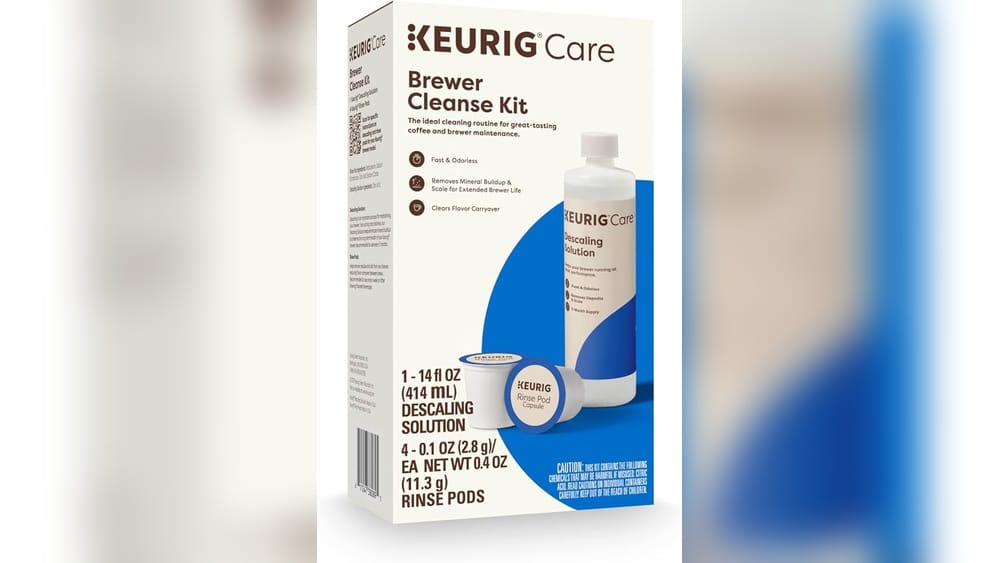
- Descales your coffee maker, fighting hard water deposits and mineral buildup for a better tasting brew
- Deep cleans without the odor of vinegar
- Compatible with multi-cup and single-serve coffee makers
As an Amazon Associate I earn from qualifying purchases.
Imagine brewing your favorite coffee only to find it tastes bitter or strange. That’s a sign your machine needs attention. Keeping your coffee maker clean isn’t just about better flavor—it can save you money and extend the life of your machine.
Curious to know how simple steps can make a big difference? Keep reading to discover why regular cleaning of your coffee maker is a must.
Impact Of Residue On Coffee Taste
Residue buildup inside a coffee maker changes the taste of your coffee. Oils and minerals from coffee beans and water stay inside the machine. These leftovers mix with fresh coffee and affect its flavor. This can make your coffee taste bitter, sour, or just off. Regular cleaning removes these residues. It keeps your coffee tasting fresh and delicious every time.
How Oils And Minerals Affect Flavor
Coffee beans release natural oils when brewed. These oils stick to the machine’s parts. Over time, they turn stale and bitter. This bitterness mixes with new coffee. It ruins the smooth, rich flavor you want. Minerals from water also build up inside the machine. They create a hard layer called scale. Scale blocks heat and changes the brewing process. This stops the coffee from brewing properly. The result is weak or strange-tasting coffee.
Common Sources Of Off-taste
Old coffee grounds left in the filter cause bad taste. They rot and create sour flavors. Water left in the machine grows bacteria and mold. This adds unpleasant smells and flavors. Dirty coffee pots collect stains and residue. These stains soak into the coffee with each brew. Coffee makers that are not cleaned often develop these problems. This is why cleaning is key for good coffee taste.
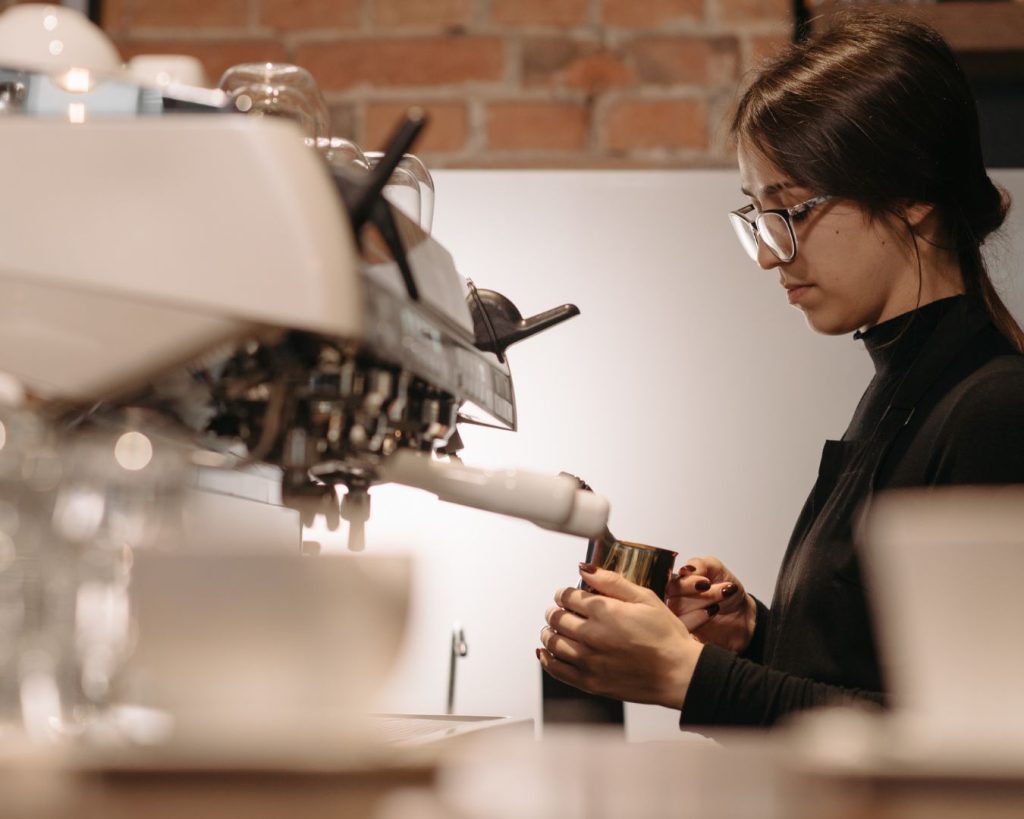
Credit: cosmoappliances.com
Health Risks From Dirty Coffee Makers
Dirty coffee makers can cause serious health problems. Bacteria, mold, and other harmful substances can build up inside. These contaminants can affect the taste of your coffee and your well-being. Understanding the health risks helps motivate regular cleaning. Clean coffee makers brew safer, better-tasting coffee.
Bacteria And Mold Growth
Moist and warm environments inside coffee makers are perfect for bacteria and mold. These microorganisms multiply quickly on coffee grounds, water reservoirs, and filters. Drinking coffee made from a dirty machine can expose you to harmful bacteria. Mold spores can cause breathing problems and allergic reactions. Regular cleaning stops bacteria and mold from growing.
Potential Allergens And Contaminants
Old coffee oils and leftover water create a breeding ground for allergens. These allergens can trigger sneezing, coughing, or skin irritation. Contaminants like rust or mineral deposits can also build up inside. They affect coffee flavor and may cause stomach discomfort. Cleaning removes these substances and keeps your coffee safe and fresh.
Signs Your Coffee Maker Needs Cleaning
Knowing when to clean your coffee maker helps keep your coffee fresh. Dirty machines can change the taste and slow down the brewing. Spotting early signs saves you time and keeps your machine working well.
Changes In Coffee Flavor
Bitter or sour coffee can mean your machine needs cleaning. Old coffee oils and residue build up inside. These leftovers affect the flavor, making coffee taste off or stale. Fresh coffee should taste rich and smooth.
Visible Mineral Buildup
White or crusty spots on your machine show mineral buildup. Hard water leaves deposits inside the coffee maker parts. This buildup blocks water flow and damages the machine. Cleaning removes these deposits and protects your coffee maker.
Slower Brewing Times
Your coffee maker taking longer to brew is a sign of clogging. Mineral deposits and coffee residue slow down water flow. Slow brewing means your machine needs a good cleaning. Regular cleaning keeps the water flowing fast and smooth.
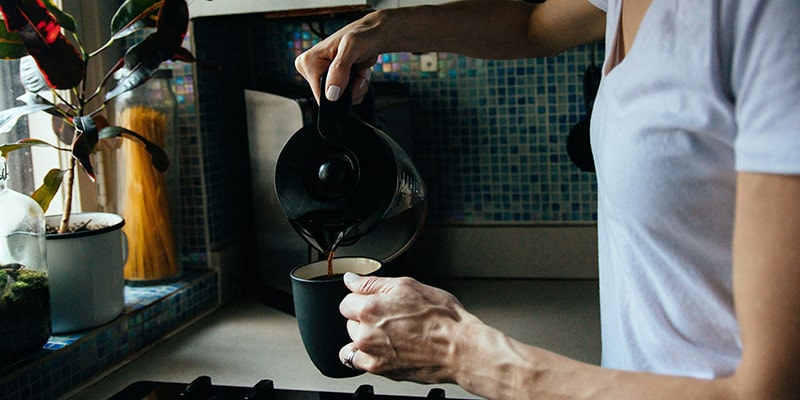
Credit: unionplacecoffeeroasters.com
Recommended Cleaning Frequency
Keeping your coffee maker clean helps it work well and last longer. Dirt and coffee oils build up fast. This can change how your coffee tastes. It can also cause damage to the machine. Clean your coffee maker often to avoid problems. Follow the right cleaning schedule for the best results.
Daily Maintenance Tips
Empty the coffee grounds after each use. Rinse the filter and basket with warm water. Wipe the machine’s outside with a damp cloth. Clean the coffee pot every day to stop stains. These simple steps keep your machine fresh daily. They prevent build-up and keep coffee tasting great.
Monthly Deep Cleaning Guidelines
Run a cleaning cycle with a vinegar solution once a month. Use equal parts water and white vinegar for this. Let the solution run through the machine, then rinse with fresh water. Clean all removable parts with warm, soapy water. This deep cleaning removes mineral deposits and stubborn oils. It helps your coffee maker work like new.
Effective Cleaning Methods
Keeping your coffee maker clean helps it work better and last longer. Dirt and mineral buildup can change the taste of your coffee. Cleaning also stops bacteria from growing. Use simple methods to clean your machine regularly. Here are some easy and effective ways to keep your coffee maker fresh and clean.
Using Vinegar And Baking Soda
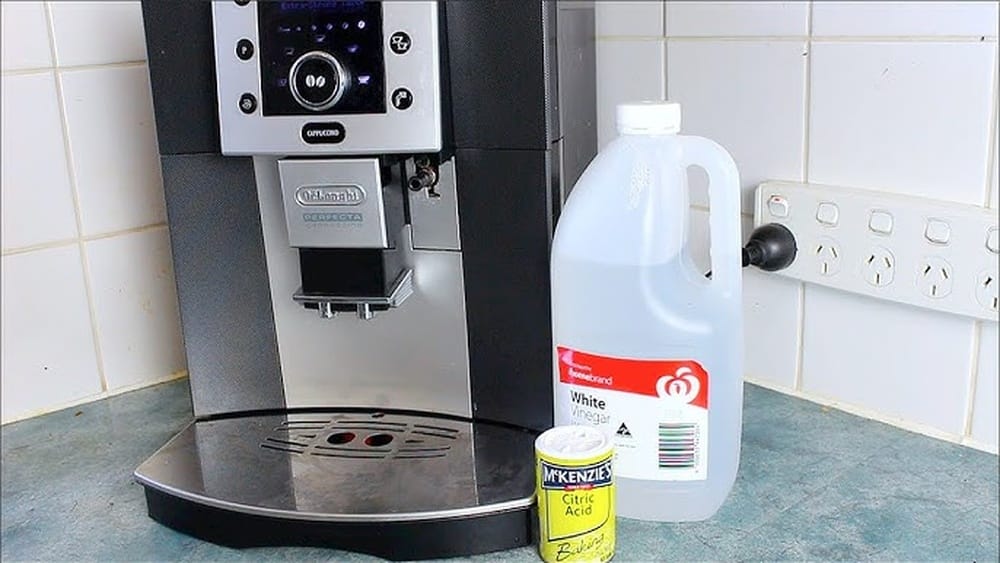
Vinegar removes mineral deposits and cleans deep inside. Fill the water tank with equal parts water and white vinegar. Run a brewing cycle without coffee grounds. After that, run two cycles with clean water to rinse.
Baking soda removes stains and odors. Mix a small amount with water to form a paste. Use a soft cloth or sponge to scrub stains. Rinse well before using the machine again.
Commercial Cleaning Solutions
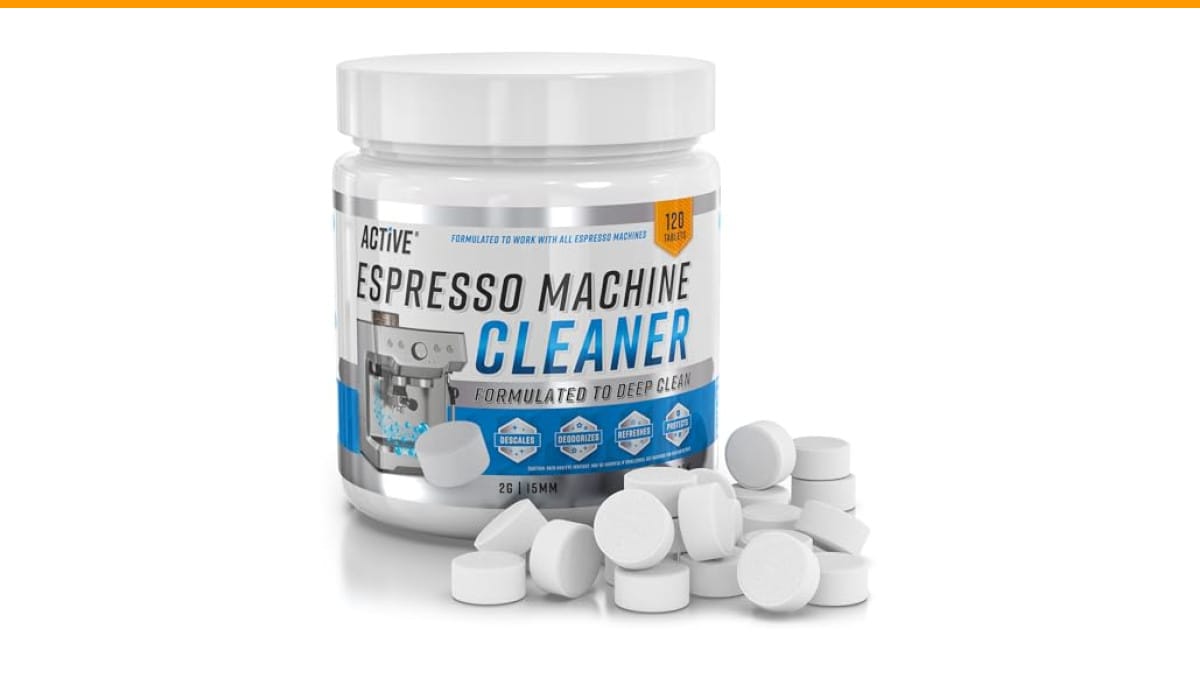
Special cleaning products are made for coffee makers. Follow the instructions on the package carefully. These solutions break down buildup faster than vinegar. They are safe for most machines. Use them once a month to keep your coffee tasting great.
Cleaning Removable Parts
Take apart removable parts like the filter basket and carafe. Wash them with warm, soapy water. Use a brush to clean hard-to-reach areas. Dry parts completely before putting them back. Regular cleaning stops mold and keeps your coffee fresh.
Benefits Of Regular Cleaning
Keeping your coffee maker clean is more important than many realize. Regular cleaning offers several key benefits. These benefits improve your coffee experience and protect your appliance.
Enhanced Coffee Flavor
Old coffee oils and residue build up inside the machine. This buildup can change the taste of your coffee. Cleaning removes these unwanted flavors. Fresh coffee tastes much better and richer. Every cup will have a clearer, smoother flavor.
Improved Machine Longevity
Regular cleaning stops mineral deposits from damaging the machine. These deposits can clog the water lines and parts. Removing them keeps the machine working well longer. It reduces the chance of breakdowns and repairs. A clean coffee maker lasts more years.
Healthier Coffee Consumption
Dirty coffee makers can harbor mold and bacteria. These germs affect your health and coffee quality. Cleaning kills germs and removes mold. Drinking coffee from a clean machine is safer. It protects you and your family’s well-being.

Credit: www.wabilogic.com
Frequently Asked Questions
How Often Should I Clean My Coffee Maker?
You should clean your coffee maker at least once a month. Regular cleaning prevents buildup of coffee oils and minerals. This keeps your machine running efficiently and ensures better tasting coffee. More frequent cleaning is needed if you use hard water.
What Happens If I Don’t Clean My Coffee Maker?
Not cleaning your coffee maker can cause clogged parts and poor coffee taste. Bacteria and mold can grow inside, posing health risks. Mineral deposits also reduce the machine’s lifespan and efficiency. Regular cleaning maintains hygiene and performance.
Can Cleaning Improve Coffee Flavor?
Yes, cleaning removes old coffee oils and mineral deposits that affect taste. A clean machine brews fresher, richer coffee. It prevents bitter or off-flavors caused by residue buildup. Regular cleaning ensures every cup tastes as good as possible.
What Are The Best Cleaning Methods For Coffee Makers?
Use a mixture of equal parts water and white vinegar to descale. Run a cleaning cycle, then rinse with clean water twice. For removable parts, wash with warm, soapy water. Always follow the manufacturer’s instructions for specific cleaning advice.
Conclusion
Regular cleaning keeps your coffee maker working well. It stops old coffee oils and dirt from building up. Clean machines make better-tasting coffee every time. You save money by avoiding repairs or replacements. It also helps prevent germs and mold from growing.
A clean coffee maker lasts longer and stays safe to use. Taking a few minutes to clean often is worth it. Enjoy fresh, delicious coffee with a simple cleaning routine. Your daily brew deserves the best care.
Related pick: Check today's price on Amazon Sponsored / affiliate links. As an Amazon Associate I earn from qualifying purchases. I may earn additional commission from eligible campaigns.Products related to this article
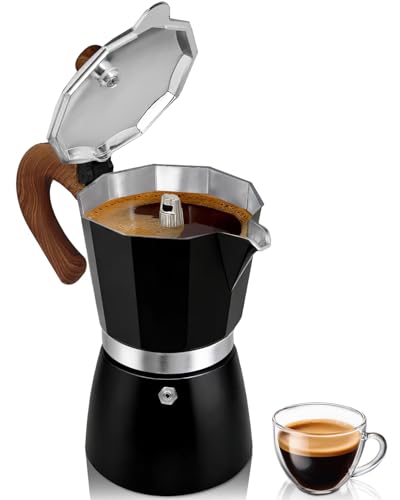 Belly Moka Coffee Maker Stovetop Espresso Maker 9 Cup Aluminum Moka Pot Percolator 15oz 450ml Easy Brewing for Electric Ceramic Stoves Home Camping Italian Cuban Café Classic Black
 Belly Moka Coffee Maker Stovetop Espresso Maker 6 Cup Aluminum Moka Pot Percolator 10oz 300ml Easy Brewing for Electric Ceramic Stoves Home Camping Italian Cuban Café Classic Silver
 HomeBeyond Espresso Coffee Maker 12 Cups, Classic Stovetop Espresso Maker, 600ml / 20oz Coffeemaker for Gas & Ceramic Stovetops (Silver)