You bought a 12 cup coffee maker for a reason: mornings with a full carafe, guests over, or just not wanting to brew twice. But somewhere along the line, that first cup started tasting flat, bitter, or just… off. You blame the machine, but the machine is rarely the whole problem.
Most 12 cup brewers are actually capable of producing a decent cup. The issue is that we treat them like set-and-forget appliances. We fill the tank with tap water, scoop in whatever coffee is on sale, and press start. Then we wonder why it doesn’t taste like the café down the street.

BRENSTEN
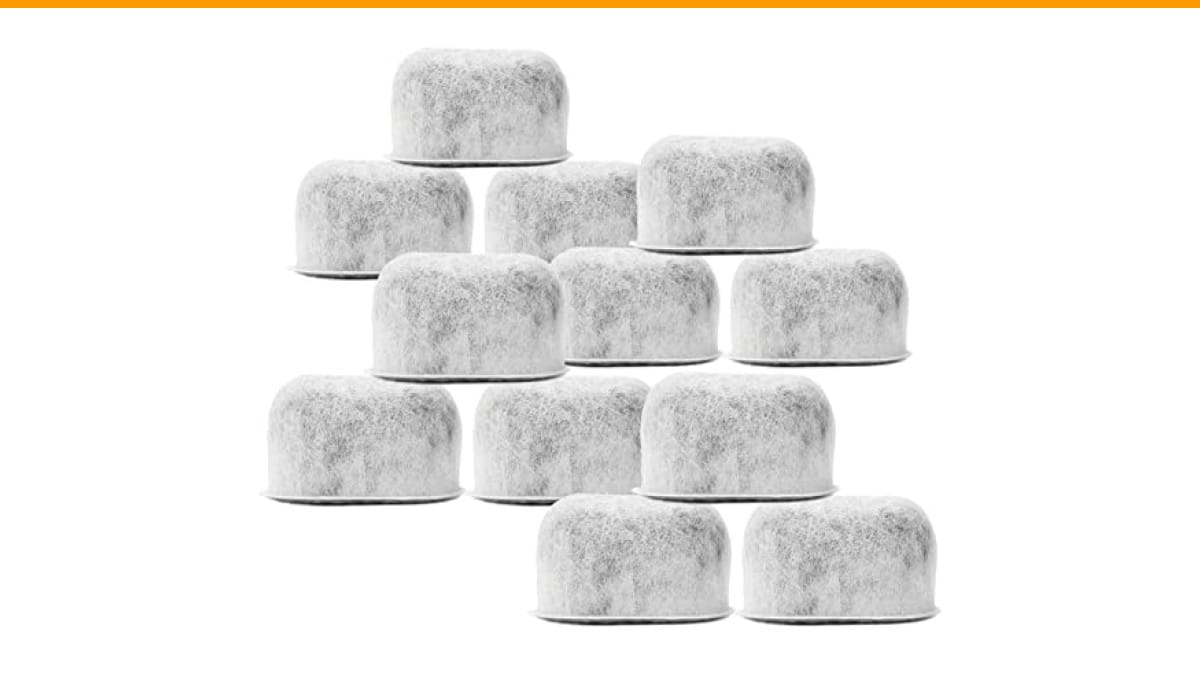
12 Pack Replacement Charcoal Water Filters for…
- ENJOY THE DELICIOUS TASTE AND AROMA OF BREWED COFFEE - Removes chlorine, odors, calcium, and other water impurities prior to brewi…
- COMPATIBLE WITH CUISINART COFFEE MAKERS – Specially designed for Cuisinart coffeemakers, these set of charcoal filter refills will…
- EASY TO INSTALL – Not only will these filters provide a less expensive way for you to enjoy delicious coffee, but they are also ve…
As an Amazon Associate I earn from qualifying purchases.
This guide walks through the specific, fixable things that change the flavor from your 12 cup brewer. You’ll learn about water chemistry, coffee-to-water ratios, grind size, and why your machine’s internal cleanliness matters more than the brand of beans. No vague advice here—just numbers, conditions, and steps you can take this afternoon.
Start With the Water, Not the Beans
Coffee is 98% water. If your water tastes like chlorine or has a mineral bite, your coffee will too. Most 12 cup makers heat water to around 195–205°F, but they can’t filter out what’s already in the tap.
Hard water is the silent killer of coffee flavor. Calcium and magnesium build up inside the heating element and the brew basket, which changes how heat transfers to the water. That buildup also makes your coffee taste chalky or metallic. A simple test: if your kettle develops white scale after a few weeks, your water is hard.
Two fixes work immediately. First, use filtered water from a pitcher or a faucet filter. Second, install a charcoal filter in the machine’s water reservoir. Most 12 cup brewers, especially Cuisinart models, have a slot for a small charcoal filter. This isn’t a gimmick—the charcoal removes chlorine and odors that survive municipal treatment.
The BRENSTEN 12 Pack Replacement Charcoal Water Filters fit all Cuisinart machines that require a filter, including the DCC-1100, DCC-1200, and DCC-2600. Each filter lasts about 30 days, or less if you have hard water. Pop one in, soak it for 15 minutes first, and you’ll notice the difference in the first cup. It’s the cheapest upgrade you can make to your brewing routine.
If you’re dealing with serious limescale, that’s a separate issue. Check our guide on removing limescale before you worry about flavor—scale will ruin a fresh bag of beans faster than anything.
Get the Coffee-to-Water Ratio Right
Most people under-dose their coffee. They scoop lightly, or they use the scoop that came with the machine, which is often smaller than a standard tablespoon. The result is a weak, sour brew that tastes like brown water.
The Specialty Coffee Association recommends 55 grams of coffee per liter of water. That translates to about 1.5 to 2 tablespoons of ground coffee per 6-ounce cup. For a full 12 cup carafe (which is actually 60 ounces, not 72), you need between 75 and 90 grams of coffee. That’s roughly 10 to 12 tablespoons.
Here’s the catch: most 12 cup makers have a 12-cup line on the carafe, but the actual capacity is often closer to 60 ounces. If you’re filling to the 12-cup mark and using 12 scoops, you’re probably under-brewing. Use a kitchen scale for a week and you’ll recalibrate your eye.
Grind size matters just as much. A 12 cup machine uses a flat-bottom filter basket, which needs a medium grind—like coarse sand. Too fine, and the water struggles to pass through, over-extracting and turning bitter. Too coarse, and the water rushes through, under-extracting and turning sour. If your brewer has a ‘strength’ setting, it changes the spray pattern or brew time, not the ratio. Adjust the coffee amount first, then the setting.
Fresh beans also make a difference, but not if you’re grinding them too far ahead. Grind right before brewing, and store beans in an airtight container away from light. Pre-ground coffee loses its volatile aromatics within days, not weeks.
Clean the Machine More Often Than You Think
You can’t taste the oils and residue left behind from previous brews, but they coat the internal lines and the carafe. Those old oils go rancid and add a bitter, cardboard-like note to fresh coffee. A machine that’s never cleaned will make even great beans taste mediocre.
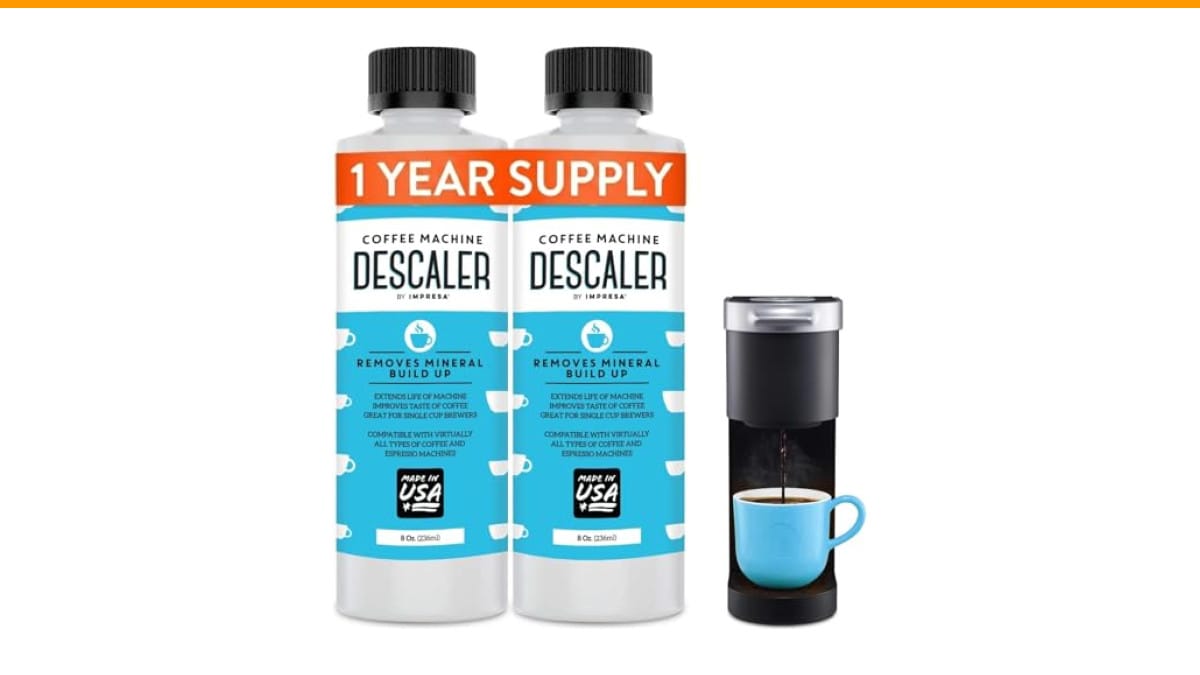
Run a cleaning cycle every 30 to 40 brew cycles, or at least once a month. Use a descaling solution or a 50/50 mix of white vinegar and water. Run half the solution through, let it sit for 30 minutes, then run the rest. Follow with two full cycles of clean water to rinse out any residual vinegar taste.
Don’t forget the parts you can see. The carafe lid, the filter basket, and the spray head all collect coffee oils. Wash them with warm, soapy water after every use. The spray head, especially, gets clogged with mineral deposits and grounds, which changes the water distribution over the coffee bed. If your brew looks like it’s dripping from one spot instead of showering evenly, that’s your problem.
For a deeper dive into the whole process, read our guide on proper coffee maker cleaning. It covers the steps we just touched but with more detail on the disassembly.
If your machine has been running for months without a clean, you might have a clogged water line. That’s a different fix, and we’ve covered it in the clogged coffee maker guide.
Temperature and Timing: The Hidden Variables
Your 12 cup maker’s thermostat might be off. Most budget brewers heat water to about 180°F, which is below the ideal 195–205°F range. Under-heated water can’t extract the full range of flavors from the grounds, leaving you with a sour, weak cup.
You can test this with a kitchen thermometer. Run a brew cycle with just water and catch the temperature right as it hits the carafe. If it reads below 190°F, your machine is running cool. Some models have an adjustable thermostat, but most don’t. In that case, preheating the carafe with hot water helps a little, but the real fix is a machine that heats properly.
Brew time is another factor. A full 12 cup cycle should take between 6 and 9 minutes. If it finishes in 4 minutes, the water is flowing too fast. If it takes 15 minutes, the filter basket might be clogged, or the grind is too fine. Time your next brew and compare.
One more thing: don’t leave the carafe on the warming plate for more than 20 minutes. The heat burns off the delicate aromatics and makes the coffee taste scorched. Pour what you need into a thermos instead, or just brew a smaller batch. A 12 cup maker doesn’t mean you have to fill it every time.
Comparing Quick Fixes: What Actually Moves the Needle
| Fix | Cost | Time to See Results | Impact on Flavor | Effort |
|---|---|---|---|---|
| Charcoal water filter | Low | First brew | High (removes chlorine, odors) | Minimal |
| Filtered water (pitcher) | Medium | First brew | High | Minimal |
| Adjust coffee ratio | Free | Immediate | High (fixes weak/sour) | Low |
| Change grind size | Free | Immediate | Medium (fixes bitter/sour) | Low |
| Deep clean machine | Low | Next brew | Medium (removes stale oils) | Medium |
| Use fresh beans | Variable | First brew | High | Low |
| Preheat carafe | Free | Immediate | Low | Minimal |
| Replace machine | High | Immediate | Variable | High |
That table puts things in perspective. The two highest-impact fixes—water quality and coffee ratio—cost almost nothing and take five minutes. The machine itself is rarely the bottleneck.
Frequently Asked Questions
Why does my 12 cup coffee maker brew weak coffee?
You’re probably under-dosing the coffee. Use a scale and aim for 75–90 grams for a full carafe. Also check your grind size—too coarse lets water rush through without extracting enough. And if you’re using the machine’s scoop, verify it actually holds a full tablespoon; many are smaller.
How often should I replace the charcoal water filter?
Every 30 days is the standard recommendation. If you have hard water, swap it every two to three weeks. A filter that’s past its prime stops removing chlorine and can even harbor bacteria. The BRENSTEN 12-pack we mentioned gives you a year’s supply, so you can stick to a schedule without thinking about it.
Does descaling affect the taste of coffee?
Yes, and usually for the better. Scale buildup on the heating element makes the water too hot or too cold in spots, which leads to uneven extraction. Descaling removes that buildup. Just make sure you rinse thoroughly afterward—leftover vinegar will ruin your next brew.
Is it better to brew a full 12 cups or a smaller batch?
Brewing a smaller batch is almost always better if you’re not going to drink the whole carafe. The warming plate degrades flavor quickly. Most 12 cup makers can brew as little as 2 cups, but the water distribution gets uneven at the low end. Aim for at least 4 cups if you’re using the full basket.
Why does my coffee taste bitter after I clean the machine?
You probably didn’t rinse out all the descaling solution or vinegar. Run two or three full cycles of fresh water through the machine before brewing. If the bitterness persists, check your grind size—you might have ground finer than usual, which over-extracts and tastes bitter.
What to Do Next: A Quick Action List
- Install a fresh charcoal water filter and replace it monthly. It’s the single cheapest way to change your brew.
- Weigh your coffee instead of scooping. Use 75–90 grams for a full 12 cup carafe.
- Grind beans to a medium consistency, like coarse sand, right before brewing.
- Deep clean your machine every 30–40 brew cycles with a descaling solution.
- Wash the carafe, filter basket, and spray head after every use to prevent oil buildup.
- Don’t let brewed coffee sit on the warming plate for more than 20 minutes.
- Test your brew temperature once with a thermometer. If it’s below 190°F, consider a newer machine.
You don’t need a fancy espresso setup to drink good coffee. A 12 cup maker, decent beans, and a little attention to the details we covered will get you 80% of the way there. The last 20% is just consistency—do these things every day, not once a month.
Products related to this article
Sponsored / affiliate links. As an Amazon Associate I earn from qualifying purchases. I may earn additional commission from eligible campaigns.
 HomeBeyond Espresso Coffee Maker 12 Cups, Classic Stovetop Espresso Maker, 600ml / 20oz Coffeemaker for Gas & Ceramic Stovetops (Silver)
 Quick Heating Cup Warmer, Three Temperature Settings, Splashproof and Portable, for Coffee, Milk, Lightweight ABS Material
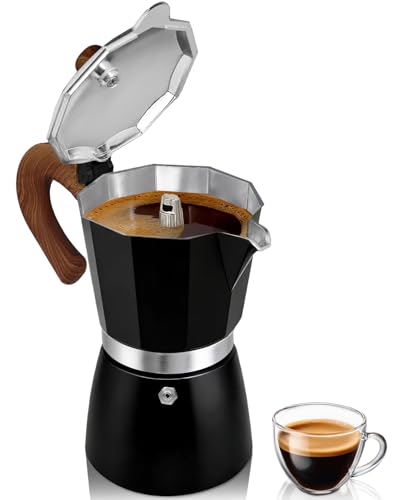 Belly Moka Coffee Maker Stovetop Espresso Maker 9 Cup Aluminum Moka Pot Percolator 15oz 450ml Easy Brewing for Electric Ceramic Stoves Home Camping Italian Cuban Café Classic Black