You finally got your pour over routine dialed in. The grinder is set, the kettle hits the right temperature, and your morning cup tastes like something from a specialty shop. Then one day you notice a hairline crack in your glass carafe or the plastic dripper feels brittle. You start wondering: how long does a pour over coffee maker last before it becomes a safety risk or ruins your brew?
This guide gives you specific numbers by material, explains the real reasons brewers fail, and walks through a simple repair-versus-replace decision framework. You’ll know exactly when to keep using your gear and when to toss it.

Bodum
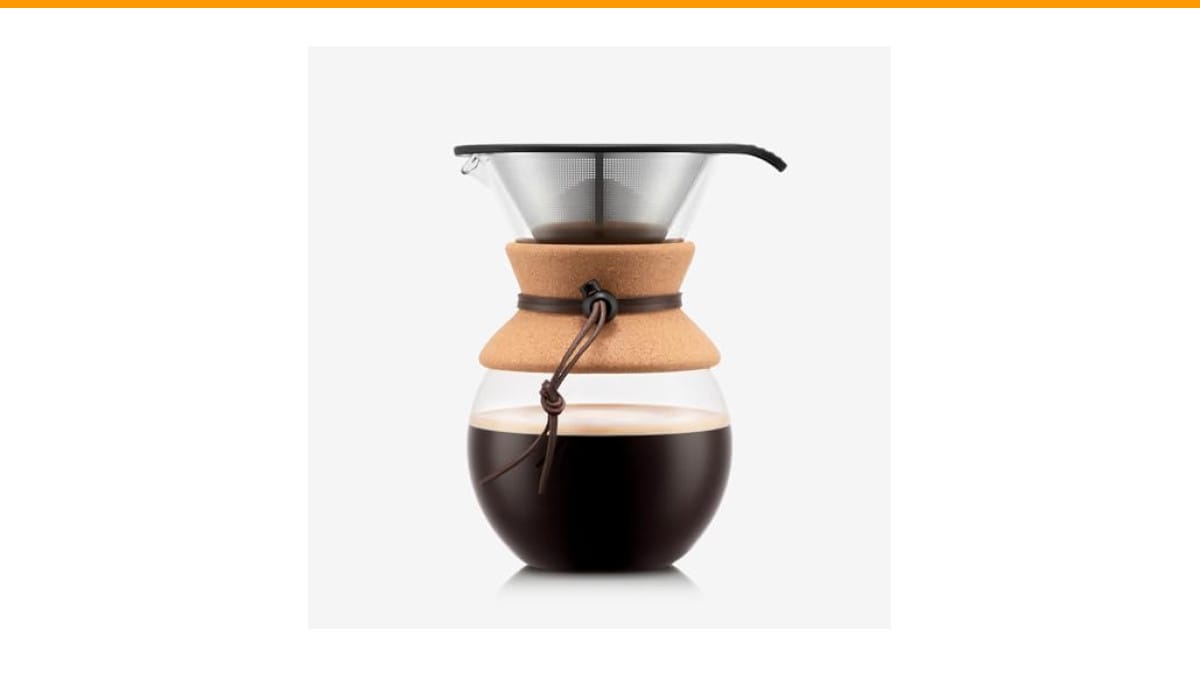
Bodum 34oz Pour Over Coffee Maker, High-Heat…
- Pour Over Coffee: Manual Pour Over Coffee Maker allows you to brew an excellent cup of Coffee in minutes
- Stainless steel: Includes a new and improved permanent, stainless steel mesh filter that helps extract your coffee's aromatic oils…
- Coffee Carafe: Made of durable, heat-resistant borosilicate glass with Cork Band detailing that is both functional and elegant; si…
As an Amazon Associate I earn from qualifying purchases.
If you’re shopping for a durable option, the Bodum 34oz Pour Over Coffee Maker uses high-heat borosilicate glass with a reusable stainless steel filter, which sidesteps two common failure points: paper filter waste and thin glass that cracks under thermal stress. It’s a solid choice if you want something that outlasts the average plastic dripper.
How Long Does a Pour Over Coffee Maker Actually Last?
The short answer: it depends almost entirely on what it’s made of and how you treat it. A plastic V60 might give you 2 to 5 years of daily use before the material degrades. A thick borosilicate glass Chemex or a ceramic dripper can easily last 10 to 20 years, often longer. Metal brewers like the stainless steel Kalita Wave sit somewhere in between, usually 5 to 10 years before the mesh or fit starts to wear.
Those ranges assume normal home use — one to four brews per day. Commercial settings cut those numbers in half or worse. Heat, UV light, and physical handling are the main variables that shorten lifespan.
Compare that to an automatic drip machine, which typically gives you 3 to 5 years before pumps, heating elements, or internal plastic parts fail. Pour over gear is simpler, so it lasts longer when the materials are solid.
Lifespan by Material: Glass, Ceramic, Plastic, and Metal
Each material has a different failure mode. Knowing them helps you pick gear that matches your habits.
| Material | Typical Lifespan | Common Failure Mode | Best For |
|---|---|---|---|
| Borosilicate glass (e.g., Chemex, Bodum) | 10+ years | Chips and cracks from drops or thermal shock | Daily home brewing, serving multiple cups |
| Soda-lime glass (cheaper carafes) | 2-4 years | Clouding, cracking under rapid temperature change | Occasional use, budget setups |
| Ceramic (e.g., Hario V60 ceramic, Kalita 102) | 15+ years | Chipping at the rim or base, glaze crazing | Heat retention, durability, aesthetics |
| Plastic (e.g., Hario V60 plastic, Melitta) | 2-5 years | UV degradation, warping, scratches holding odors | Travel, camping, beginners |
| Stainless steel (e.g., Kalita Wave, Fellow Stagg) | 5-10 years | Mesh filter clogging, dents affecting flow | Long-term durability, heat retention |
Ceramic wins on raw longevity, but it’s fragile. One drop on a tile floor and your 15-year dripper is gone. Borosilicate glass is more forgiving with heat but still shatters on impact. Plastic is the most practical for travel but the least durable.
My personal experience: I’ve used a ceramic V60 daily for six years and it looks brand new. My plastic V60 started feeling chalky and slightly warped after two years of camping trips and dishwasher cycles. The difference is stark.
The Real Culprits: What Wears Out a Pour Over Brewer?
Cracks, Chips, and Thermal Shock
Thermal shock is the sneaky killer. Borosilicate glass handles a 200°F temperature swing, but soda-lime glass does not. If you rinse a cold carafe with boiling water, you’re asking for a crack. Ceramic is similar — it holds heat well but expands unevenly if you heat it too fast.
Drops are obvious, but micro-cracks are not. A tiny chip at the rim can turn into a full crack the next time you brew. Inspect your dripper and carafe monthly. Run your finger along the edges. If you feel any roughness, retire the piece.
Plastic has a different problem. UV light breaks down polypropylene over time. Leave a plastic V60 on a sunny windowsill for a year and it becomes brittle. You’ll notice a chalky film or a slight yellowing. That’s the polymer degrading, and it can leach into your coffee.
Scale Buildup and Stained Carafes
Hard water leaves calcium scale on glass and metal. It doesn’t just look bad — it clogs the pores of a metal mesh filter. A clogged filter slows the drawdown, which over-extracts your coffee and makes it taste bitter. That’s a maintenance issue, not a lifespan issue, but it accelerates wear if you ignore it.
Staining is cosmetic unless it’s accompanied by etching. Coffee acids can etch cheap glass over years of use, creating a cloudy film that won’t wash off. That’s a sign the carafe is nearing the end of its useful life. Borosilicate glass resists etching much better than soda-lime.
The mesh filter on a stainless steel brewer also degrades. It stretches, loses its shape, and eventually lets fines through into your cup. Check it every six months by holding it up to light. If you see gaps or tears, replace the filter — many brands sell them separately.
Signs Your Pour Over Setup Needs Replacing (Not Just Cleaning)
Not every issue is fixable. Here’s when to stop using your gear:
- Visible cracks or chips in glass or ceramic — these can shatter mid-brew and send glass into your coffee.
- Warped plastic that no longer sits flat on your mug or server.
- Clogged metal mesh that doesn’t clear after a vinegar soak.
- Etched or cloudy glass that stays stained after cleaning.
- Mold or mildew smell that persists after a thorough wash — this means the material is porous and harboring bacteria.
- Loose or broken parts on a dripper with a separate base or collar.
If you see any of these, replace the piece. A $20 dripper isn’t worth a trip to urgent care or a ruined morning brew.
How to Extend the Life of Your Pour Over Coffee Maker
Proper Cleaning and Descaling Routine
Rinse your dripper and carafe immediately after brewing. Coffee oils harden when they dry, making them harder to remove later. Once a week, wash with mild dish soap and a soft sponge. Avoid abrasive pads — they scratch glass and ceramic, creating tiny crevices where bacteria hide.
Descale monthly if you have hard water. Fill the carafe with a 1:3 vinegar-to-water solution, let it sit for 30 minutes, then scrub and rinse thoroughly. For a metal mesh filter, soak it in the same solution for 15 minutes. This keeps the pores open and prevents over-extraction from a slow drawdown.
Check our vinegar cleaning guide for exact ratios and a step-by-step process. For a deeper clean, see our proper cleaning routine.
Storage and Handling Best Practices
Store glass and ceramic brewers on a stable shelf, not on the edge of a counter. Keep them away from direct sunlight — UV light degrades both plastic and the glazes on ceramic. Don’t stack heavy items on top of a carafe.
Pre-heat your carafe with warm water, not boiling water. Let it sit for 30 seconds, then pour it out and add your brewing water. This gradual temperature change prevents thermal shock.
Hand-wash everything. Dishwashers use harsh detergents and high heat that wear down glazes, cloud glass, and warp plastic. The manufacturer says the Bodum carafe is dishwasher safe, but hand-washing will still extend its life.
Repair vs. Replace: When Is It Worth It?
The math is simple. Compare the cost of a replacement part against the cost of a new brewer. If the part costs less than 50% of a new unit and the rest of the brewer is in good shape, repair it.
For example, a replacement metal mesh filter for a Kalita Wave costs around $8, while a new brewer is $30. That’s a clear repair. A cracked glass carafe for a Chemex is roughly $35, and a new Chemex is $50. That’s borderline — you might just buy the new one and keep the old wooden collar as a spare.
But a cracked ceramic dripper with no replaceable parts? Toss it. A warped plastic V60? Toss it. There’s nothing to repair.
For kettles, the calculus changes. A gooseneck kettle with a broken heating element costs $60 to $100 to replace. If it’s out of warranty, repair is rarely cost-effective. If the spout is dented but the kettle works, keep using it — dents don’t affect pour control much.
Warranties matter. Hario and Chemex offer limited warranties on manufacturing defects, but they don’t cover drops or thermal shock. Fellow covers their kettles for one year. Read the warranty terms before you buy, and register your gear if required.
Maintenance Is the Real Lifespan Multiplier
Here’s the honest truth: a $15 plastic dripper that’s cleaned weekly and stored out of the sun will outlast a $50 ceramic one that’s abused. Maintenance matters more than material.
Scale buildup is the biggest preventable killer. Hard water deposits clog filters and etch glass, and once that starts, the brewer is on a slow decline. A monthly descaling routine is the single best investment you can make in your equipment’s longevity.
If you’re wondering how often to clean your setup, our cleaning frequency guide breaks it down by usage. Regular care also prevents the bitter, off-tasting coffee that comes from a dirty brewer — see our article on bitter coffee after cleaning if you’ve hit that wall.
The Bottom Line on Pour Over Longevity
- Plastic drippers last 2-5 years; ceramic and borosilicate glass can last 10-20 years with care.
- Thermal shock and drops are the top causes of failure — pre-heat gradually and store safely.
- UV light degrades plastic; keep it out of direct sunlight.
- Descale monthly with vinegar to prevent scale buildup and clogged filters.
- Replace any piece with visible cracks or chips immediately — it’s not worth the risk.
- Repair only if the part costs less than half the price of a new brewer.
- Hand-wash your equipment to maximize lifespan, even if the label says dishwasher safe.
Your pour over setup can outlast most other kitchen appliances if you treat it right. The materials are simple, the failure modes are predictable, and the fixes are mostly about prevention. Take care of the gear, and it’ll take care of your mornings for a decade or more.
Products related to this article
Sponsored / affiliate links. As an Amazon Associate I earn from qualifying purchases. I may earn additional commission from eligible campaigns.
 HomeBeyond Espresso Coffee Maker 12 Cups, Classic Stovetop Espresso Maker, 600ml / 20oz Coffeemaker for Gas & Ceramic Stovetops (Silver)
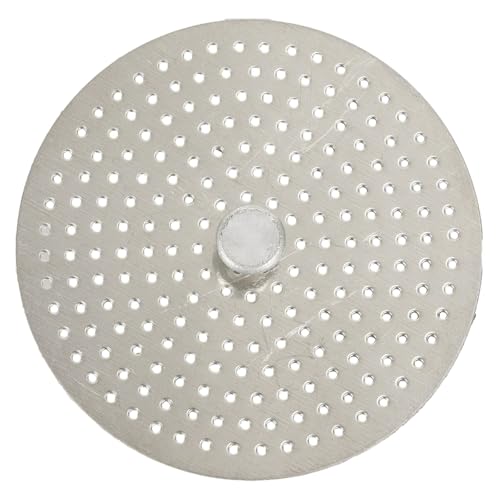 Stainless Steel Moka Pot Coffee Filter Disc for Espresso Brewing, Coffee Maker Replacement Filter Plate for Home Office Coffee Bar Cafe (FOR 4 Cups)
 House Gem Coffee Mug Warmer for Desk, Candle Warmer Plate, 12H Timer, Wood