You pull the portafilter from the grinder, and before you can even think about tamping, a cascade of coffee grounds spills over the rim, dusting your counter, your shirt, and the floor. It’s a familiar scene for anyone who’s tried to rush the espresso routine. A messy tamp isn’t just an aesthetic problem—it wastes coffee, creates uneven extraction, and adds five minutes of cleanup to your morning.
This guide walks you through the exact technique to tamp espresso cleanly and consistently. You’ll learn how to dose properly, hold the tamper correctly, apply even pressure, and avoid the rookie mistakes that cause spills. By the end, you’ll have a repeatable process that keeps your station tidy and your shots tasting better.

Apexstone
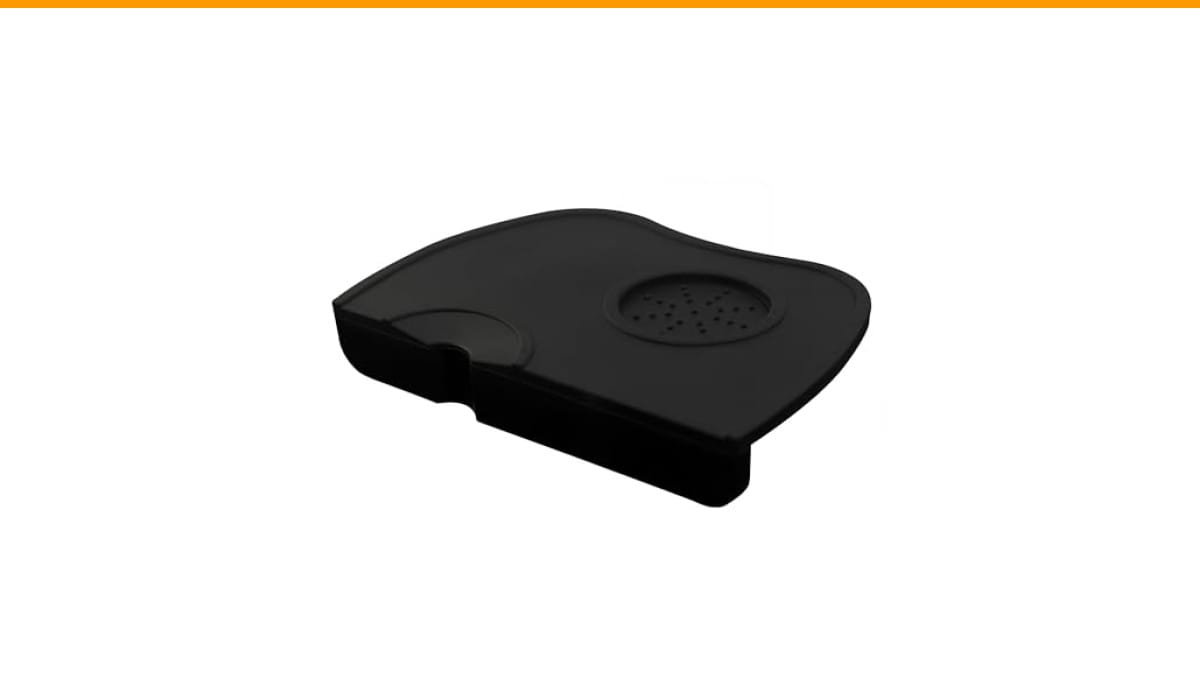
Apexstone Silicone Coffee Tamper Mat 8 Inch…
- High Quality Food Grade Silicone. Odorless and safe for your family's health. Ideal for commercial or domestic use, Professional b…
- Suitable for right-angle countertops. Keeps the portafilter from sliding around while you're tamping. Protect counters and portafi…
- Size: 8 inch X 6 inch(Length X Width), Hole Diameter:63mm ,Thickness: 7/20 inch,Overhang Size: 1-1/5 inch X 2/5 inch (Height X Wid…
As an Amazon Associate I earn from qualifying purchases.
One piece of gear that makes a noticeable difference is a Apexstone Silicone Coffee Tamper Mat. It’s a simple 8×6-inch silicone pad with a 63mm recess that holds your portafilter steady while you tamp. The mat grips the counter so the basket doesn’t slide, and it catches stray grounds that would otherwise end up on your work surface. It’s not a magic solution, but it removes the most common source of mess—the portafilter skittering sideways mid-tamp.
Why Tamping Creates a Mess in the First Place
Most messes happen before the tamper even touches the coffee. The real culprit is overfilling the basket. When you heap grounds above the rim, tamping pushes them outward, and they spill over the edge. The fix is to dose correctly: aim for a level mound that sits just below the rim, roughly 1-2mm of headspace after tamping. For a standard 18g basket, that’s about 18-19g of ground coffee, depending on your roast’s density.
Another culprit is a dirty or wet portafilter. If the basket has residual oil or moisture, grounds stick to the sides and clump, making a mess when you tap it. Dry the basket with a clean towel before dosing. A quick wipe after each shot keeps the surface clean.
Finally, the tamper itself can cause spills if you’re not holding it level. A tilted tamper creates a gap on one side, and coffee grounds escape through that gap under pressure. Keep the tamper base parallel to the counter, and you’ll eliminate most of the mess.
The Correct Tamping Technique, Step by Step
A clean method for every morning is as follows. It takes about 20 seconds once you get the hang of it.
- Distribute the grounds. After grinding into the portafilter, use a distribution tool (or a toothpick) to break up clumps and level the surface. Tap the side of the portafilter gently with your palm to settle the grounds—not on the counter, which can cause compaction and uneven extraction.
- Position the tamper. Rest the tamper base flat on top of the grounds. Your elbow should be at a 90-degree angle, directly over the portafilter. This alignment ensures you’re pushing straight down.
- Apply pressure. Press down with 30 pounds of force—about the same as squeezing a firm handshake. Hold for 2-3 seconds, then release. Don’t twist the tamper while pressing; twisting can crack the puck and create channels.
- Check the surface. The tamped puck should be level and smooth, with no visible cracks. If you see a tilt, scrape off the grounds and try again with a more level press.
- Wipe the rim. Use a dry cloth to wipe any stray grounds from the rim of the portafilter before locking it into the group head. This prevents grounds from getting into the brew head and causing leaks or bitter shots.
If you’re using the Apexstone mat, place the portafilter in the recess before step 2. The mat holds the basket steady, so you don’t need to grip the portafilter with your other hand—that frees you to focus entirely on keeping the tamper level.
Common Mistakes That Cause Messes (and How to Fix Them)
Even experienced home baristas make these errors. Here’s what to watch for.
Overfilling the basket. If grounds are mounded above the rim, tamping will inevitably spill. Use a scale to dose consistently. A 0.1g difference can impact extraction, but more importantly, a full basket is a mess waiting to happen.
Using the wrong tamper size. A 58mm tamper in a 54mm basket leaves a gap where grounds can escape. Match your tamper diameter to your basket’s inner diameter. The Apexstone mat’s 63mm recess works with most standard 58mm portafilters, but check your equipment.
Tamping on an unstable surface. If your counter is uneven or the portafilter slides around, you’ll lose control. A silicone mat solves this by providing grip. The mat’s overhang (1.2 inches) also catches any stray grounds that fall during distribution.
Rushing the process. A quick, sloppy tamp leads to spills and uneven pucks. Slow down. The 2-3 second hold isn’t just for show—it allows the grounds to settle uniformly.
Comparing Tamping Methods: Mat, No Mat, and Alternatives
Three common approaches are tamping directly on the counter, using a silicone mat, and using a wooden or plastic tamping station. Here’s how they stack up.
| Method | Mess Level | Stability | Cost | Best For |
|---|---|---|---|---|
| Direct counter | High—grounds scatter | Poor, portafilter slides | Free | Occasional use, no other option |
| Silicone mat (like Apexstone) | Low—catches spills | Excellent, non-slip grip | Check current price | Daily home use, small spaces |
| Wooden tamping station | Medium—grounds collect in crevices | Good, but takes counter space | Moderate | Baristas who want a dedicated station |
The silicone mat wins for most home users. It’s small enough to store in a drawer, easy to rinse under water, and doesn’t absorb coffee oils like wood does. The wooden station looks nice but requires regular cleaning to avoid rancid smells.
Frequently Asked Questions
How much pressure should I use when tamping?
Aim for 30 pounds of force. That’s enough to compact the grounds without over-extracting. You don’t need a pressure gauge—just practice with a bathroom scale until you get a feel for the resistance. More pressure isn’t better; it can stall the shot or cause channeling.
Should I twist the tamper after pressing?
No. Twisting while pressing can create cracks in the puck, leading to uneven extraction. If you want to polish the puck, do a light twist after releasing pressure, but only if your tamper has a smooth base. Most baristas skip it entirely.
Why do my grounds stick to the tamper?
Static electricity or residual moisture causes grounds to cling. Wipe the tamper base with a dry cloth before each use. You can also tap the tamper handle gently after pressing to dislodge any stuck grounds, but do that over the sink or mat, not the counter.
Can I use a regular kitchen towel as a tamping mat?
A towel can work in a pinch, but it doesn’t provide the same stability. Towels slide, and they absorb moisture, which can lead to mold. A silicone mat is washable and grippy. If you’re on a budget, a damp paper towel on the counter can help, but it’s not a long-term solution.
How often should I clean my tamping mat?
Rinse it under warm water after each use. If coffee oils build up, scrub with a soft brush and mild soap. The Apexstone mat is food-grade silicone, so it can handle hot water without warping. Let it air dry before storing.
What to Take Away from This
- Dose by weight, not by volume—overfilling is the #1 cause of mess.
- Distribute grounds before tamping to ensure an even surface.
- Hold the tamper level and press straight down with 30 pounds of force.
- Use a silicone mat to keep the portafilter stable and catch stray grounds.
- Wipe the portafilter rim after tamping to keep the group head clean.
- Clean your mat regularly to avoid coffee oil buildup.
- Practice the technique—it takes a week to develop the muscle memory, but the mess disappears quickly.
If you’re dealing with other espresso issues, like a noisy machine or a leaking group head, check out our guides on loud espresso machine fixes and leaking water solutions. These are common problems that, like a messy tamp, often come down to simple habits.
Now go make a shot without wearing half of it.
Products related to this article
Sponsored / affiliate links. As an Amazon Associate I earn from qualifying purchases. I may earn additional commission from eligible campaigns.
 Coffee Espresso Machine Handle Replacement Parts, Cafe Bracket Handle for Lidl Silvercrest CM4621 CM4218 KF5002 KF500S Barista (for 51mm Portafilter Basket - Not included)
 MIBOTE Silicone Cooking Kitchen Utensils Set, Wooden Handle, Coffee
 Linnkyfloa Coffee Espresso Maker Handle Replacement for Stovetop Moka Pot or Percolator, Black Plastic for Spare Part Compatible with Italian(9-12 Cup)