You found the perfect cold brew recipe. The concentrate comes out smooth, chocolatey, and strong enough to wake the dead. Then one morning, the brew tastes off. A little sour, a little musty. The filter is stained, the pitcher has a film you can’t quite see, and you realize the last time you cleaned the thing was… actually, you can’t remember.
That’s the moment most people start searching for how to maintain a cold brew coffee maker. The good news is that maintenance is simple. You don’t need special tools or harsh chemicals. You need a routine, a few common household items, and about ten minutes of effort. This guide walks through everything: daily rinses, weekly deep cleans, monthly descaling, and how to keep the filter mesh from clogging.

Sivaphe
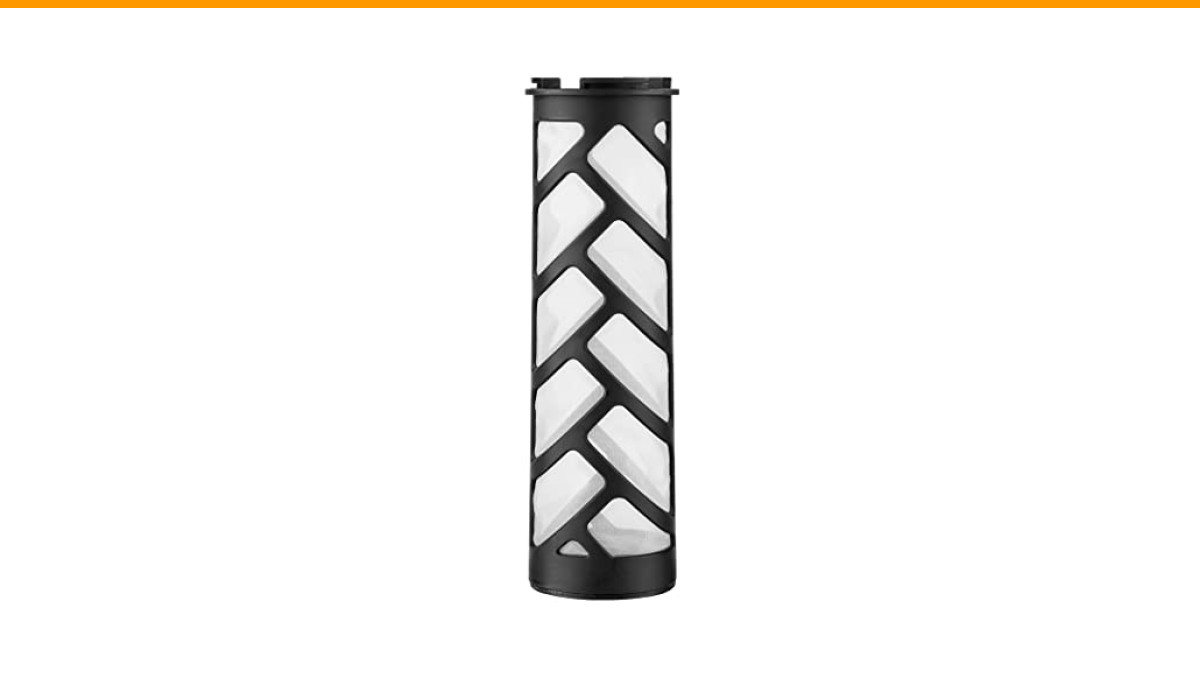
Sivaphe 64oz Cold Brew Coffee Maker Filter…
- LARGE CAPACITY: This mesh coffee filter is large than the normal filter, best for the large 64oz cold brew coffee maker or jars. M…
- MUTIPURPOSE USE: Tea Infuser Use to 2 L brew Coffee, Loose Tea, Spiced Cider, herbs and spices.
- CLEVER DESIGNE: The replacemnt coffee filter is designed 2 part, both the top and bottom of the infuser is removable, you can pour…
As an Amazon Associate I earn from qualifying purchases.
You’ll also learn why the cleaning frequency matters more than the method, and how to spot problems before they ruin a batch.
If you already own a cold brew maker with a mesh filter, you might notice the filter gets clogged faster than the glass pitcher. That’s normal. A replacement filter like the Sivaphe 64oz Cold Brew Coffee Maker Filter solves this because the top and bottom sections come apart completely. You can rinse every nook without fighting a one-piece design.
The Daily Routine: 60 Seconds That Saves Your Next Batch
Cold brew coffee is acidic. The oils from the beans cling to glass and stainless steel. If you leave them sitting for 24 hours, they start to oxidize. That’s the dull, cardboard-like flavor you sometimes get from a maker that looks clean.
Every day after you pour your concentrate, do this:
- Dump out any leftover liquid immediately. Don’t let it sit.
- Rinse the pitcher with hot tap water. Hot water cuts the coffee oils better than cold.
- Take the filter apart and hold it under running water for 10 seconds. Rub the mesh gently with your fingers to dislodge trapped grounds.
- Let everything air dry upside down on a dish rack.
That’s it. You’re not sanitizing, just removing the bulk of the residue. If you skip this step, the oils polymerize into a sticky film that hot water alone won’t remove.
One thing I learned the hard way: don’t use dish soap on the mesh every single day. Soap residue gets trapped in the fine weave and can foam up in your next brew. Save the soap for the weekly deep clean.
The Weekly Deep Clean: Where the Real Work Happens
Once a week, you need to do more than rinse. This is the step that actually prevents buildup. You’ll need a soft sponge, mild dish soap, and a bottle brush if your pitcher is tall.
Start by disassembling everything. The Sivaphe filter is a two-part design, which makes this easier. If your filter is one solid piece, pay extra attention to the seam where the mesh meets the frame—grounds love to hide there.
Wash each part with warm, soapy water. Use a non-abrasive sponge. Steel wool will scratch the glass and tear the mesh. For the pitcher, a bottle brush reaches the bottom corners where a sponge can’t.
Rinse everything thoroughly. Then fill the pitcher with warm water and swish it around. Dump it out. Do that twice. The second rinse ensures no soap film remains.
If you notice a brown ring around the waterline inside the pitcher, that’s coffee oil. A paste of baking soda and water works better than any degreaser. Apply it with a sponge, let it sit for five minutes, then scrub gently. The ring lifts off without much effort.
For the mesh filter, soak it in a solution of one part white vinegar to three parts water for 30 minutes. This dissolves the oils that soap can’t reach. Rinse well afterward. Your next batch will taste noticeably cleaner.
Monthly Descaling and Stain Removal
Hard water leaves mineral deposits. You’ll see them as white spots on the glass or a chalky film on the mesh. Vinegar handles this, but you need to let it work.
Once a month, fill the pitcher with equal parts white vinegar and water. Let it soak for two hours. Do not boil the vinegar—it’s unnecessary and will damage the glass.
After the soak, dump the solution and wash everything with soap and water as usual. Run a final rinse with plain water. The vinegar smell evaporates quickly, but if you’re sensitive to it, rinse with a little lemon juice instead.
Stubborn coffee stains on the glass can be tackled with a slice of lemon. Rub the cut side over the stain, let it sit for ten minutes, then rinse. The citric acid breaks down the tannins that cause discoloration.
One caveat: if your maker has a plastic lid or a rubber gasket, don’t soak those in vinegar for extended periods. Vinegar degrades rubber over time. Wipe those parts with a vinegar-dampened cloth instead of submerging them.
Filter Care: The Most Overlooked Piece
The mesh filter is the workhorse of your cold brew maker. It holds the grounds, lets the water flow through, and keeps your brew free of silt. But it’s also the first part to fail.
Over time, the mesh can stretch, tear, or simply clog with micro-grounds that no amount of rinsing will remove. You’ll notice the brew time gets longer, or the coffee tastes bitter because the water can’t flow through properly.
Check your filter every few weeks. Hold it up to the light. If you see holes or stretched threads, replace it. A torn filter lets grounds into your concentrate, and there’s no fixing that batch.
The Sivaphe replacement filter is a solid option if yours is beyond saving. It’s designed to be fully disassembled, so cleaning is straightforward. The large capacity works with 64oz pitchers, and it doubles as a tea infuser if you want to branch out from coffee.
If you’re still using the original filter and it’s in good shape, keep it that way. Don’t twist or wring the mesh to dry it. Lay it flat or hang it. Twisting distorts the weave and creates weak points.
Comparing Maintenance Approaches
Different methods work for different situations. Here’s a breakdown of the most common approaches to keeping a cold brew maker clean.
| Method | Best For | Time Needed | Frequency | Tools Required |
|---|---|---|---|---|
| Hot Water Rinse | Daily residue removal | 1 minute | Every use | None |
| Soap and Sponge | Weekly oil removal | 10 minutes | Weekly | Mild soap, soft sponge, bottle brush |
| Vinegar Soak | Descaling and deep cleaning | 2 hours | Monthly | White vinegar, water |
| Baking Soda Paste | Stubborn stains and rings | 15 minutes | As needed | Baking soda, water |
| Dishwasher | Full sanitization | 1 cycle | Weekly or monthly | Dishwasher-safe parts only |
Notice the dishwasher is last. Many cold brew makers are labeled dishwasher safe, but the high heat and harsh detergents can dull the glass and weaken the mesh over time. Hand washing is gentler and extends the life of the equipment. If you do use the dishwasher, place the filter on the top rack and skip the heated dry cycle.
Common Mistakes That Shorten the Lifespan
People ruin cold brew makers in predictable ways. Avoid these and yours will last a long time.
- Leaving grounds in the filter overnight. This dries into a cement-like layer that’s hard to remove and can harbor mold.
- Using abrasive scrubbers on the mesh. Even a small tear lets grounds through.
- Putting hot liquid in a cold glass pitcher. Thermal shock can crack the glass. Always let brewed coffee cool before transferring.
- Ignoring the rubber gasket. If your maker has one, it needs cleaning too. Wipe it with a damp cloth regularly and check for cracks.
- Storing the maker fully assembled with the lid on. This traps moisture inside, which leads to mold. Store parts disassembled and dry.
If you’re dealing with a clogged or malfunctioning brewer, the principles are similar to other coffee equipment. The same logic that applies to cleaning a clogged coffee maker applies here, just scaled down.
Frequently Asked Questions
How often should I clean my cold brew coffee maker?
Rinse it after every use. Do a full soap-and-water wash once a week. Soak in vinegar once a month. If you use it daily, stick to this schedule. If you only brew once a week, you can stretch the weekly wash to after each brew, but still do the monthly vinegar soak.
Can I put my cold brew maker in the dishwasher?
Check the manufacturer’s instructions. Many glass pitchers and plastic lids are dishwasher safe, but the mesh filter is delicate. The high heat and strong detergents can warp the mesh or degrade the rubber seals. Hand washing is safer for the filter, even if the rest is dishwasher safe.
Why does my cold brew taste sour?
Sourness usually means underextraction, but a dirty maker can also cause it. Old coffee oils coat the grounds and prevent proper extraction. If your brew suddenly tastes sour or bitter and you haven’t changed your beans or grind size, clean the maker thoroughly. The issue is often the filter.
How do I remove coffee stains from the glass pitcher?
Make a paste of baking soda and water, apply it to the stain, and let it sit for five minutes. Scrub gently with a soft sponge. For stubborn stains, rub a lemon wedge over the area and let it sit for ten minutes before rinsing. Avoid bleach or harsh chemical cleaners.
When should I replace the filter?
Replace it when you see visible tears, stretched mesh, or when the brew time slows down significantly. A clogged filter that won’t clear after a vinegar soak is also a sign. Most filters last a year or more with regular care, but heavy daily use can shorten that.
Simple Habits That Keep Your Brewer Going
Maintenance doesn’t have to be a chore. A few small habits make a big difference over time.
- Rinse the pitcher and filter immediately after pouring your last cup.
- Disassemble the filter every time you clean it. Don’t leave it locked together.
- Air dry everything completely before storing. Moisture is the enemy.
- Use a soft sponge and mild soap. Harsh tools cause damage.
- Soak the mesh in vinegar monthly to prevent oil buildup.
- Check the rubber seals and gaskets for cracks every few months.
- Replace the filter when you notice tears or slow flow, not when it completely falls apart.
These steps take less than an hour a month total. The payoff is consistent flavor and a brewer that doesn’t need replacing every year. If you’re also maintaining other gear, the same care applies to your grinder and hot coffee equipment. A clean grinder means better extraction, so check out this coffee grinder cleaning guide for the full routine.
Cold brew is forgiving. It’s hard to over-extract, and the slow process masks many flaws. But a dirty maker isn’t forgiving. It adds off-flavors that no amount of steeping time can fix. Keep the routine simple, stay consistent, and your cold brew will taste as good as the day you bought the maker.
Products related to this article
Sponsored / affiliate links. As an Amazon Associate I earn from qualifying purchases. I may earn additional commission from eligible campaigns.
 HomeBeyond Espresso Coffee Maker 12 Cups, Classic Stovetop Espresso Maker, 600ml / 20oz Coffeemaker for Gas & Ceramic Stovetops (Silver)
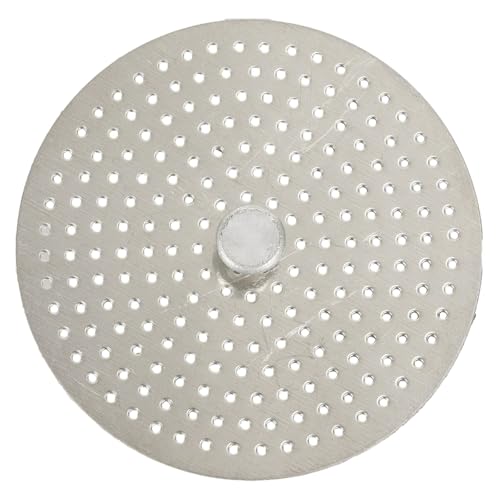 Stainless Steel Moka Pot Coffee Filter Disc for Espresso Brewing, Coffee Maker Replacement Filter Plate for Home Office Coffee Bar Cafe (FOR 4 Cups)
 Linnkyfloa Coffee Espresso Maker Handle Replacement for Stovetop Moka Pot or Percolator, Black Plastic for Spare Part Compatible with Italian(9-12 Cup)