You pull the cold brew pitcher out of the fridge after 18 hours, pour a glass, and get a mouthful of stale, oily bitterness. The coffee smells fine going in, but the finish is flat and slightly sour. You rinse the carafe with hot water, maybe scrub the mesh filter with a sponge, and tell yourself it’s fine. It’s not.
Cold brew makers trap coffee oils, fine silt, and mineral deposits in places you can’t see. Over time, those residues go rancid and coat the next batch. This guide covers exactly how to clean a cold brew coffee maker, step by step, using tools you already own. You’ll learn what to do after every brew, what needs a weekly deep clean, and which mistakes cause the dreaded clogged filter.

Sivaphe
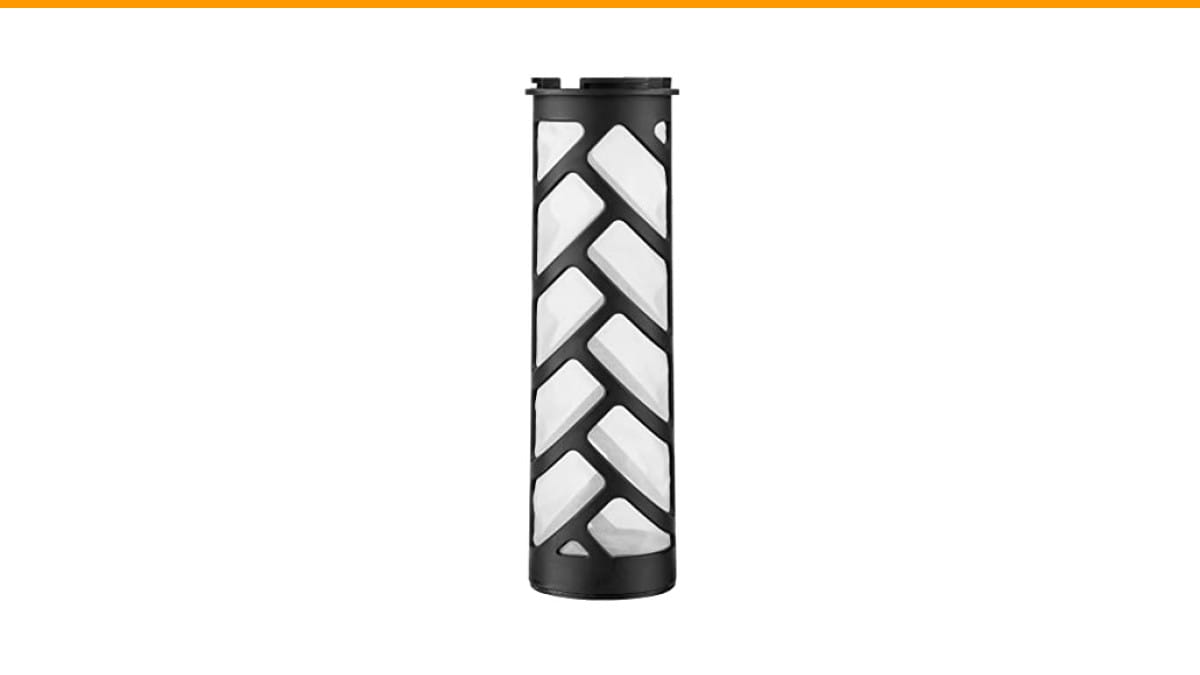
Sivaphe 64oz Cold Brew Coffee Maker Filter…
- LARGE CAPACITY: This mesh coffee filter is large than the normal filter, best for the large 64oz cold brew coffee maker or jars. M…
- MUTIPURPOSE USE: Tea Infuser Use to 2 L brew Coffee, Loose Tea, Spiced Cider, herbs and spices.
- CLEVER DESIGNE: The replacemnt coffee filter is designed 2 part, both the top and bottom of the infuser is removable, you can pour…
As an Amazon Associate I earn from qualifying purchases.
If your current infuser is getting hard to rinse or the mesh is tearing, a replacement filter like the Sivaphe 64oz Cold Brew Coffee Maker Filter solves the problem. It’s a two-part mesh basket that comes apart completely, which makes the cleaning process far easier than one-piece designs.
The Real Reason Your Cold Brew Tastes Bad
Most people blame the beans. They switch roasts, grind finer, try a different water ratio. The coffee still tastes off. The culprit is almost always a dirty brewer.
Cold brew extraction is slow and gentle, which means it pulls out a wide range of oils and acids. Those compounds cling to glass and plastic. A simple water rinse removes maybe half of them. The rest stays behind and oxidizes, turning bitter and musty.
Here’s a test you can do right now. Run your finger along the inside of your cold brew carafe near the bottom. If it feels slick or slightly tacky, that’s coffee oil residue. It’s not harmless. That film will transfer to your next batch, dulling the bright flavors and adding a cardboard-like note.
Daily Cleaning: The 60-Second Routine
You don’t need harsh chemicals for everyday maintenance. You need consistency.
After you empty the pitcher, do this immediately. Dump the grounds into the trash or compost. Rinse the filter basket under warm running water, using your fingers to rub the mesh from both sides. Most of the grounds will wash away in under ten seconds.
Fill the carafe halfway with warm water and swish it around. Pour it out. That’s the baseline. It takes less time than you spent reading this paragraph.
Once a day, or every other day if you don’t brew daily, use a soft sponge with a drop of dish soap. Wash the carafe, the lid, and the filter basket. Rinse everything thoroughly. Soap residue is just as bad as coffee oil, so make sure the water runs clear.
The one thing you should skip is the dishwasher for daily loads. The heat and detergent can warp plastic lids over time, and the fine mesh on some filters doesn’t survive the jets. Hand washing is gentler and honestly faster for a single pitcher.
Weekly Deep Clean: What Actually Removes the Film
Once a week, you need to break down the oils that soap and water can’t touch. Two methods work reliably: white vinegar and baking soda.
For the vinegar method, mix one part white vinegar with two parts warm water. Fill the carafe, drop in the filter basket and lid, and let everything soak for 30 minutes. Vinegar is a mild acid that dissolves coffee oils and mineral scale. After the soak, dump the solution and wash everything with soap and warm water. The vinegar smell disappears completely once the soap rinse is done.
The baking soda method is better if you notice a lingering odor. Make a paste of three tablespoons of baking soda and a tablespoon of water. Scrub the inside of the carafe and the filter mesh with this paste using a soft cloth or an old toothbrush. Baking soda is a mild abrasive, so it won’t scratch glass or plastic, but it will lift the brown film that vinegar leaves behind.
Here’s a tip I learned the hard way. Don’t use both vinegar and baking soda at the same time. They react and foam up, which looks impressive but does nothing for cleaning. Use one or the other.
For the filter specifically, inspect the mesh after the soak. If you see any clumps of grounds stuck in the weave, use a soft toothbrush and gently brush in a circular motion. This is the step most people skip, and it’s why their filter eventually slows down to a trickle.
No, Soaking in Hot Water Does Not Sterilize It
Hot water alone won’t kill the bacteria and mold that can grow in a damp filter basket. Coffee grounds are organic matter. Left in a warm kitchen, they start growing mold within 24 to 48 hours.
You might not see it. Mold can be white, grey, or barely visible. But you’ll smell it, and you’ll taste it in the coffee. Boiling water kills most microbes, but it can also warp plastic parts and weaken the mesh on your filter.
The safer approach is a sanitizing soak. Once a month, mix one teaspoon of unscented bleach into one quart of water. Soak the carafe and filter for 10 minutes. Rinse everything thoroughly with hot water, then wash with soap. This kills mold spores that vinegar and baking soda don’t fully eliminate. I know bleach sounds harsh, but it’s the standard method used in commercial kitchens, and it’s safe as long as you rinse completely.
If you’re not comfortable with bleach, a 10-minute soak in a solution of one part hydrogen peroxide to three parts water works as a milder alternative. It’s less effective on tough mold, but it’s gentler on the parts.
How to Fix a Clogged Cold Brew Filter
A slow-draining filter is the most common complaint with cold brew makers. The mesh gets packed with fine coffee particles that slip through the grind and wedge into the weave.
Don’t throw it away yet. Most clogs are reversible.
Start by rinsing the filter under strong running water from the inside out. Hold the basket upside down and let the water push the grounds out. If that doesn’t work, soak the filter in a solution of one part vinegar to two parts hot (not boiling) water for 20 minutes. The heat softens the oils, and the vinegar dissolves the residue.
After the soak, use a soft toothbrush to scrub the mesh from both sides. Rinse again. If the filter still drains slowly, the mesh might be damaged or permanently stretched. At that point, replacement is the practical choice. A new filter costs a fraction of what you’d spend on a new brewer, and it restores the flow rate to normal.
I’ve tested filters that looked fine but were actually clogged deep inside the weave. A magnifying glass helps you see it. The mesh should be uniform. If you see any gaps or tears, replace it. A torn filter lets coffee grounds into your drink, and no amount of cleaning will fix that.
Comparing Cleaning Methods: Vinegar vs. Baking Soda vs. Dishwasher
| Method | Best For | Time Needed | Residue Left Behind | Risk to Parts |
|---|---|---|---|---|
| Warm water rinse | Daily maintenance after each brew | 30 seconds | None if done properly | None |
| Dish soap + sponge | Removing surface oils and grounds | 2-3 minutes | Soap film if not rinsed well | Low, but avoid harsh scrubbers |
| White vinegar soak | Dissolving coffee oils and mineral scale | 30 minutes soak | Vinegar smell until rinsed | Low, safe for glass and plastic |
| Baking soda paste | Removing stubborn stains and odors | 5-10 minutes scrub | Gritty residue if not rinsed | Very low, mildly abrasive |
| Dishwasher cycle | Deep cleaning all parts at once | Full cycle | Detergent film possible | High for plastic lids and fine mesh |
| Bleach soak | Monthly sanitizing against mold | 10 minutes soak | None if rinsed thoroughly | Moderate, use diluted only |
Your choice depends on how often you brew. Daily users need the vinegar soak weekly. Occasional brewers can get away with a monthly deep clean, but they must still rinse after every use.
If you use a mesh filter like the Sivaphe replacement, the basket comes apart into two pieces. That’s a big advantage for cleaning because you can access both sides of the mesh directly. One-piece filters trap grounds in the seam where the top meets the bottom, and that’s nearly impossible to clean out.
For more on keeping your coffee gear fresh, check out this guide on cleaning frequency and this one on proper cleaning methods.
Frequently Asked Questions
How often should I clean my cold brew maker?
Rinse it after every single use. That’s non-negotiable. Do a soap-and-water wash every 2-3 days if you brew daily, and a vinegar soak once a week. If you only brew on weekends, wash it thoroughly after each batch and do the vinegar soak once a month.
Can I put my cold brew maker in the dishwasher?
Some parts are dishwasher-safe, but I don’t recommend it. The high heat and water pressure can warp plastic lids and bend fine mesh filters. The detergent also leaves a film that affects flavor. Hand washing takes three minutes and gives you more control. Check your manufacturer’s instructions, but when in doubt, wash by hand.
Why does my cold brew taste bitter even with fresh beans?
Dirty equipment is the top reason. Old coffee oils go rancid and add a bitter, harsh note to fresh coffee. Another cause is over-extraction, which happens when you steep for longer than 20 hours. But if your brew time is normal and the taste is still off, clean the maker thoroughly and try again.
What’s the best way to remove coffee stains from the glass carafe?
Baking soda paste works best. Make a thick paste, rub it on the stained areas with a soft cloth, and let it sit for five minutes. Rinse with warm water. For stubborn brown rings, add a splash of white vinegar to the paste. The combination lifts the stain without scratching the glass.
How do I know when to replace the filter?
Look for visible tears, stretched mesh, or a permanent clog that doesn’t clear after a vinegar soak and toothbrush scrub. If grounds are getting through into your coffee, the mesh is compromised. Also replace it if the plastic frame feels brittle or cracked. A worn filter affects both the brew strength and the cleanliness of your drink.
What To Do Next
- Rinse the carafe and filter immediately after every batch, even if you’re not washing with soap.
- Do a vinegar soak once a week to dissolve oils and scale.
- Use a baking soda paste for stubborn stains and odors.
- Sanitize with a diluted bleach soak once a month if you brew regularly.
- Scrub the mesh gently with a toothbrush to prevent clogs.
- Replace the filter when you see tears or permanent clogs.
- Skip the dishwasher for plastic parts and fine mesh.
Cold brew is forgiving, but your equipment shouldn’t have to be. A clean maker means every batch tastes like the beans you paid for, not the residue of last week’s brew. If your current filter is past saving, the Sivaphe replacement filter is a solid upgrade with a two-piece design that’s easier to clean than most stock filters. For more on keeping your coffee gear in top shape, see our guide on grinder cleaning and why regular cleaning matters.
Products related to this article
Sponsored / affiliate links. As an Amazon Associate I earn from qualifying purchases. I may earn additional commission from eligible campaigns.
 HomeBeyond Espresso Coffee Maker 12 Cups, Classic Stovetop Espresso Maker, 600ml / 20oz Coffeemaker for Gas & Ceramic Stovetops (Silver)
 Cascade Platinum Plus Dishwasher Detergent Pods Dish Soap Lemon 57 Count
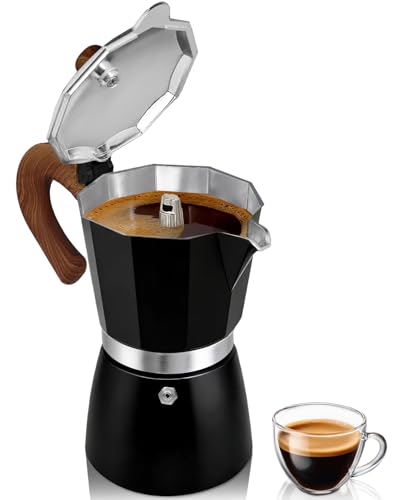 Belly Moka Coffee Maker Stovetop Espresso Maker 9 Cup Aluminum Moka Pot Percolator 15oz 450ml Easy Brewing for Electric Ceramic Stoves Home Camping Italian Cuban Café Classic Black