You bought a reusable K cup to save money and stop tossing plastic pods in the trash. Six months later, you’re wondering if the filter is still doing its job or if you’re just drinking bitter coffee out of habit. It’s a fair question. Most people never get a straight answer about lifespan because the truth depends on what your cup is made of and how you treat it.
This guide walks through a durability audit for your reusable K cup. You’ll learn exactly how long plastic, stainless steel, and silicone components last, what signs of failure look like, and when replacement actually makes financial sense. By the end, you’ll know whether your cup needs to be retired or if a good cleaning will squeeze another year out of it.

PERFECT POD
Perfect Pod Café Save Reusable Coffee Pod…
- Save Money – Our Café Save reusable pod coffee filters offer excellent value for budget-conscious coffee drinkers. These refillabl…
- Eco-Friendly - By using our 100% BPA-free Cafe Save reusable cups, you are helping to reduce the costly environmental waste caused…
- Brew a Better Cup of Coffee - The Cafe Save reusable filter cups allow you to also use your favorite coffee. Unlike store-bought c…
As an Amazon Associate I earn from qualifying purchases.
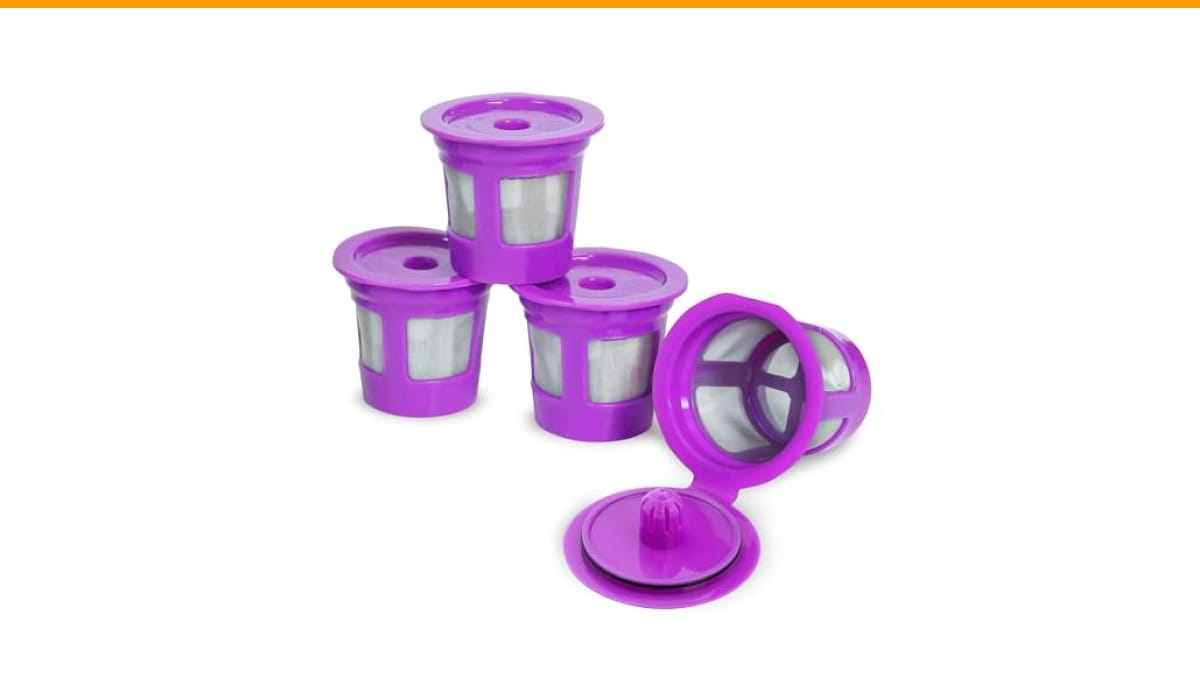
A quick note on hardware: the Perfect Pod Café Save Reusable K-Cup Coffee Filter Capsules, 4 Pack covers most Keurig models with a BPA-free plastic frame and mesh filter. It’s a solid baseline for the advice below, especially if you want backups for different grind sizes.
The Short Answer: How Long Do They Actually Last?
Most reusable K cups last between 6 months and 2 years of daily use. That range feels wide because it is. The material, the grind size you use, and the water hardness in your area all push the number up or down.
Here’s a rough breakdown based on typical daily brewing:
- Plastic frames (BPA-free): 6 to 12 months before warping or cracking
- Stainless steel baskets: 2 years or more with proper care
- Silicone seals and O-rings: 3 to 6 months, often the first thing to fail
The filter mesh is the real clock. It degrades from brewing pressure and coffee oils long before the outer frame shows visible damage. You might not see a hole, but the mesh stretches and lets fine grounds slip through, which changes your cup’s flavor profile.
Your brewing habit matters more than the calendar. Someone brewing one cup per morning gets double the lifespan of someone running three cups through a busy office machine. Treat the lifespan as a starting point, not a guarantee.
Why Material Matters: Plastic vs. Stainless Steel vs. Silicone
Manufacturers build reusable K cups from three main materials, and each ages differently under heat and pressure. Knowing which one you own tells you what to watch for.
Plastic (BPA-Free): The 6-Month Checkpoint
Plastic frames are lightweight and cheap, which is why most starter packs use them. The trade-off is durability. Repeated exposure to near-boiling water and the Keurig’s piercing needle causes micro-stress fractures over time.
At around the 6-month mark, inspect the rim where the lid snaps shut. This area takes the most abuse. Cracks here mean water bypasses the coffee bed, producing weak, watery brews. The plastic also absorbs coffee oils, which turns it brown and slightly sticky no matter how well you rinse it. That residue can add a rancid note to fresh coffee after several months.
If your cup is plastic and you brew daily, mark a calendar reminder for the 6-month checkpoint. It’s not that every plastic cup fails at exactly 6 months, but it’s when the risk curve starts climbing steeply.
Stainless Steel: The 2-Year Standard
Stainless steel baskets resist cracking, warping, and oil absorption far better than plastic. A good steel insert handles 2 years of daily brewing without structural failure. The mesh is still the weak point, but it’s easier to clean because steel doesn’t hold onto oils the way plastic does.
Steel does conduct heat differently. Some users report slightly cooler brew temperatures because the metal wicks heat away faster than plastic. In testing, the difference is a degree or two, not enough to ruin a cup, but noticeable if you’re sensitive to temperature.
The main downside is cost. Steel cups run two to three times the price of plastic ones. If you do the math on how much you save per cup versus disposables, the upfront cost pays for itself within a few months.
Silicone Seals: The Weakest Link
The rubber gasket around the lid is the part that fails first. It’s under constant compression when the lid snaps shut, and it degrades from heat cycles and coffee oils. After 3 to 6 months, the seal loses its flexibility and starts allowing pressure to escape.
You’ll notice this as a slower brew cycle or coffee that tastes under-extracted. The machine still runs, but the pressure isn’t building properly inside the basket.
Replacement seals are cheap and often sold in multi-packs. If your cup’s frame and mesh are still fine, swapping the O-ring gives you another 6 months of use. It’s the smartest repair you can make, and most people don’t know it’s an option.
5 Clear Signs Your Reusable K-Cup Needs Replacing
Visual inspection catches some problems, but not all. Here are five signals that your cup is past its prime.
The Flavor Test: When Coffee Tastes “Off”
Sudden bitterness or weakness in your coffee is the earliest warning sign. A stretched mesh lets fine grounds through, which over-extract and turn bitter. Or the mesh gets clogged with accumulated oils, slowing water flow and producing a sour, under-developed cup.
Run a side-by-side test: brew one cup with your reusable cup and one with a disposable pod using the same beans. If the reusable cup’s coffee tastes noticeably different, the filter is likely compromised. This test catches mesh degradation that your eyes can’t see.
Visual Wear: Cracks, Warping, and Stains
Hold the cup up to light and inspect the mesh for pinholes or stretched areas. Look at the frame from the side to check for warping. A warped cup won’t sit flush in the Keurig’s holder, which causes water to channel around the coffee instead of through it.
Permanent brown staining that doesn’t come off with a vinegar soak means the plastic has absorbed oils. This isn’t just cosmetic; it affects flavor. If the cup looks stained and your coffee tastes off, replace it.
Also check the lid hinge. A cracked hinge won’t close tightly, which drops brewing pressure and makes a mess.
Slow Brew Time
Time your brew cycle when the cup is new, then compare it months later. A significant slowdown, say from 45 seconds to 90 seconds, indicates the mesh is clogging or the seal is leaking. Cleaning can fix the first issue, but not the second.
Grounds in Your Mug
Sediment at the bottom of your mug is the most obvious failure. It means the mesh has torn or stretched enough to let grounds through. No amount of cleaning fixes this. Once you see grounds in your cup, the filter is done.
Difficulty Snapping the Lid Shut
If the lid no longer clicks closed with a firm snap, the plastic has fatigued. This is a mechanical failure, not a cleaning issue. A loose lid lets steam escape and drops the brewing temperature, which affects extraction.
How Your Keurig Model Impacts Lifespan
Not all Keurig machines treat reusable cups the same. The pressure and water flow vary by model, which changes how fast components wear.
Older Keurig 1.0 and 2.0 machines use a needle that pierces the cup from the top and bottom. These machines run at lower pressure, so reusable cups last longer. The K-Classic, K-Elite, and K-Cafe fall into this category. They’re gentler on the mesh and seals.
Newer models like the K-Mini and K-Slim use a single-stream design that concentrates water into a narrower jet. That focused stream hits the mesh harder and can accelerate wear, especially if you use a fine grind. The K-Mini Plus, in particular, has a reputation for wearing out mesh filters faster because of its compact brew chamber.
If you own a high-pressure model, check your cup’s mesh monthly instead of quarterly. The extra force isn’t damaging your machine, but it does shorten the reusable cup’s useful life.
For a deeper look at keeping your machine running smoothly, check our guide on coffee machine maintenance.
The Hidden Cost: When Replacement Beats Repair
Let’s talk money. A reusable cup costs anywhere from $10 to $25. A box of disposable pods runs about $0.50 to $0.80 per cup. If you brew one cup daily, you save roughly $180 to $290 per year by using a reusable cup.
| Component | Lifespan | Replacement Cost | Cost Per Year |
|---|---|---|---|
| Plastic reusable cup | 6-12 months | $10-$15 | $10-$30 |
| Stainless steel cup | 2+ years | $20-$25 | $10-$12 |
| Silicone seal only | 3-6 months | $3-$5 | $6-$20 |
| Disposable pods | Single use | $0.50-$0.80 each | $180-$290 |
Even if you replace a plastic cup every 6 months, you’re still saving over $150 per year versus disposables. The break-even point for any reusable cup is usually 3 to 4 weeks of daily use. After that, it’s pure savings.
Replacement makes sense when a cup fails before its expected lifespan. If your plastic cup cracks at 4 months, that’s premature failure, and buying the same model again is a gamble. This is where stainless steel earns its keep. The higher upfront cost amortizes over a longer life, and you avoid the annoyance of buying replacements twice a year.
The cheapest path is replacing only the silicone seal when the frame and mesh are still good. A $4 seal beats a $15 cup every time.
Maintenance Hacks to Extend Lifespan by 6 Months
You can push a reusable cup past its typical lifespan with a disciplined cleaning routine. Here’s what actually works.
- Rinse immediately after brewing. Coffee oils harden as they cool. A 10-second rinse under hot tap water right after brewing removes most of the residue before it sets.
- Deep clean weekly with a vinegar soak. Mix one part white vinegar with two parts water and soak the cup for 15 minutes. This dissolves oils and mineral scale that clog the mesh. Rinse thoroughly afterward.
- Use medium grind coffee. Fine grinds pack tighter and put more pressure on the mesh. Medium grind flows better and reduces clogging. If you grind your own beans, aim for a consistency like table salt, not powdered sugar.
- Air dry completely. Storing a wet cup in a dark cabinet invites mold and accelerates plastic degradation. Let it dry on a dish rack before putting it away.
- Don’t overfill. Packing the basket to the brim forces the lid to compress the coffee, which strains the hinge and seal. Fill to about 90% and leave room for the lid to close naturally.
One thing to avoid: putting your reusable cup in the dishwasher. The high heat and harsh detergents degrade both plastic and silicone faster than hand washing. If your cup says dishwasher-safe, ignore it. Hand washing is gentler and adds months to the lifespan.
If you’re dealing with bitter coffee that won’t go away, it might not be the cup. Check our article on bitter coffee causes for other culprits.
The Bottom Line: When to Toss It
Here’s a simple decision tree for your reusable K cup:
- If the mesh has holes or grounds appear in your mug, replace it immediately.
- If the lid won’t snap shut or the frame is cracked, replace it.
- If the seal is loose but everything else looks good, buy a replacement seal.
- If the cup is stained but brews fine, keep using it but start a weekly deep clean.
- If your coffee tastes off and cleaning doesn’t fix it, replace the cup before you blame your beans.
- If you’ve owned a plastic cup for over a year, replace it proactively. The cost is low, and the flavor improvement is worth it.
Reusable K cups are a solid investment, but they’re not immortal. The plastic ones are consumables, like a toothbrush. The stainless steel ones are closer to a good pan, lasting years with care. Know which one you have, inspect it regularly, and don’t be afraid to spend a few dollars on a replacement when the signs point to failure.
Your coffee will taste better, and your wallet will stay fuller than it would with disposable pods. That’s the whole game.
And if your Keurig is acting up beyond the cup, check our troubleshooting guide on Keurig brew issues.
Products related to this article
Sponsored / affiliate links. As an Amazon Associate I earn from qualifying purchases. I may earn additional commission from eligible campaigns.
 Coffee Mug Warmer, Heating Cup Mat Electric Cup Warmer Pad Electric Thermostat Coaster USB Cup Heater Electric Beverage Warmers for Office Home (A)
 Quick Heating Cup Warmer, Three Temperature Settings, Splashproof and Portable, for Coffee, Milk, Lightweight ABS Material
 Coffee Mug Warmer & You are Awesome Mug Set, Electric Cup Warmer for Desk