You just finished a backflush cycle, the portafilter looks brand new, and the leftover tablets are sitting on the counter next to the kettle. That’s a problem. Most people don’t think twice about where they toss the packet after cleaning, but those tablets are chemically reactive. Heat, moisture, and even light degrade them faster than you’d expect.
This guide covers exactly how to store espresso machine cleaning tablets so they stay effective for the full life of the packet. You’ll learn why the bathroom cabinet is a terrible spot, what happens when a tablet absorbs humidity, and which containers actually work. You’ll also get a direct comparison of storage methods so you can pick one and stop worrying.

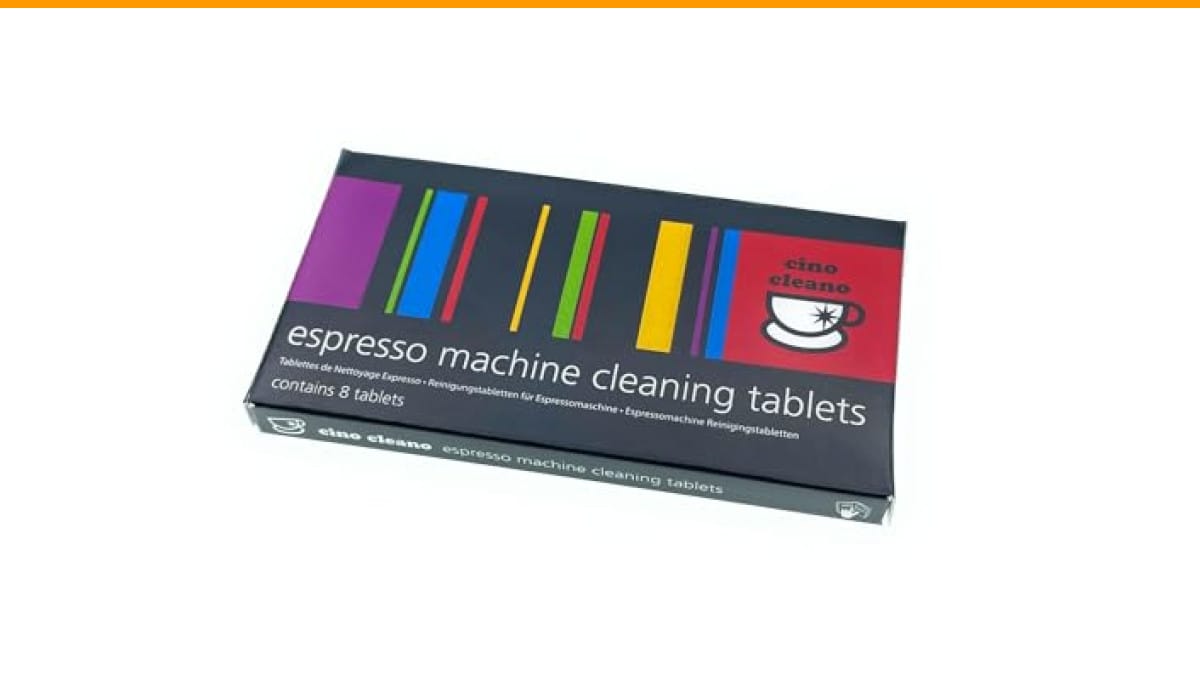
Cino Cleano
Cino Cleano Espresso Machine Cleaning Tablets (8…
- Listing is for 1 Packet which contains 8 tablets Suitable for use with all Breville Espresso machines
- Precision dissolution time to provide optimal cleaning performance
- All pharmaceutical and food grade ingredients
As an Amazon Associate I earn from qualifying purchases.
If you are using a Breville or DeLonghi machine, the Cino Cleano tablets are a solid option — they dissolve at a controlled rate which matters for backflushing — but only if you store them right. A degraded tablet still fizzes, but it loses cleaning power. Let’s fix that.
If you are using a Breville machine, the Cino Cleano Espresso Machine Cleaning Tablets are designed to dissolve at a precise rate for optimal cleaning. They come in a pack of 8, which is about two months of weekly cleaning, and the non-corrosive formula is safe for your group head. Just remember that even good tablets fail if you store them poorly.
Why Storage Conditions Matter More Than You Think
Cleaning tablets are pressed powder. They contain a mix of alkaline salts, surfactants, and sometimes enzymes. The binding agents that hold them together are water-soluble. That’s the whole point — they dissolve in water during the cleaning cycle. But it also means they react to ambient moisture in the air.
Leave a tablet on a damp counter for a week and it will start to soften. The edges turn chalky, the surface gets tacky, and the tablet begins to crumble. A crumbled tablet is still usable, but you lose the controlled dissolution rate. The cleaning action becomes uneven, and you might get residue left behind in the group head.
Heat is a secondary concern. Temperatures above 30°C (86°F) can cause the binding agents to break down slowly. This doesn’t happen overnight, but if you store tablets near an oven or on top of a boiler, you’ll shorten their lifespan by months.
Light exposure matters too, though less than heat and humidity. UV light can degrade certain surfactants over time. The foil packets most tablets come in block light, but once you open the packet, the clock starts ticking.
The core rule is simple: store them like you would store a good bag of coffee beans. Cool, dark, dry, and in an airtight container.
The Three Storage Methods Compared
You have three realistic options for storing opened tablets. Each has trade-offs. Here’s a direct comparison based on what I’ve tested in my own kitchen and what makes sense chemically.
| Method | Best For | Lifespan (Opened) | Risk Level |
|---|---|---|---|
| Original foil packet, folded tight | Short-term use (under 2 weeks) | 2–3 weeks | Medium — foil seal rarely re-seals perfectly |
| Airtight glass jar with desiccant pack | Home users cleaning weekly | 6–8 weeks | Low — best balance of convenience and protection |
| Vacuum-sealed bag | Bulk buyers or long-term storage | Up to 6 months | Very low — but annoying to open every week |
The glass jar with a silica gel desiccant pack is the sweet spot for most home users. It’s what I use. A small 200ml jar fits a full packet of 8 tablets easily, and you can see the condition of the tablets at a glance. The desiccant pack absorbs any residual moisture in the jar before it touches the tablets.
If you only have a few tablets left and plan to use them within two weeks, just fold the original packet over and clip it. It’s not perfect, but it’s fine for short stretches.
How to Store Unopened Tablets Properly
Unopened tablets are less fussy, but they still need a stable environment. The foil packet is designed to keep moisture out, but it’s not a vacuum seal. If you store an unopened packet in a humid laundry room, moisture will eventually penetrate the foil seams.
Keep unopened packets in a kitchen cabinet away from the sink and dishwasher. The cabinet under the sink is a common spot, but it’s usually the most humid place in the kitchen. Move them higher, near the coffee station if you have one.
If you buy in bulk — say, three or four packets at once — rotate your stock. Use the oldest packet first. Write the purchase date on the packet with a marker. This sounds obvious, but I’ve found half-used packets from months ago that I completely forgot about. They still worked, but they took longer to dissolve, which told me they had absorbed some moisture.
For long-term storage of unopened packets, a sealed plastic bin with a lid works fine. Add a desiccant pack to the bin if you live in a humid climate. This is the same logic as storing descaling powder — keep it dry and it lasts.
Signs Your Tablets Have Gone Bad
You can usually tell if a tablet is compromised before you use it. Look for these signs:
- Soft or crumbly edges — the tablet should feel rock hard. If it crumbles when you pinch it, it’s absorbed moisture.
- White powder residue on the surface — this is the binder leaching out. The tablet will still clean, but less effectively.
- A faint chemical smell — fresh tablets have almost no odor. If you smell ammonia or a sharp chemical scent, the ingredients are breaking down.
- Discoloration — yellowing or dark spots indicate degradation.
Using a degraded tablet isn’t dangerous. The ingredients are still food-grade and non-corrosive in most cases. But you’ll get a weaker clean, and you might need to run a second cycle to fully flush the group head. If the tablet is crumbling, it can also leave residue in the shower screen that you’ll have to rinse out manually.
If you’re unsure whether a tablet is still good, run a test. Drop it in a glass of warm water. A healthy tablet should fully dissolve in 2–3 minutes with steady fizzing. If it takes longer than 5 minutes or leaves chunks, toss it.
Common Storage Mistakes to Avoid
I’ve seen people make the same errors repeatedly. Here are the ones that actually cause problems:
- Storing tablets in the bathroom. The humidity from showers is brutal. Even in a closed cabinet, the moisture level fluctuates daily.
- Leaving tablets in the machine’s drip tray. Some machines have a storage slot there, but it’s exposed to residual moisture. Don’t use it.
- Putting tablets in the refrigerator. The fridge is cold but humid. Condensation forms on the packet when you take it out, and that water gets inside.
- Mixing old and new tablets in the same jar. If an old tablet is degraded, it can transfer moisture to the fresh ones. Keep them separate.
One more thing: don’t store tablets near your coffee beans. The tablets have a mild odor, and coffee beans absorb odors aggressively. You’ll end up with coffee that tastes faintly of detergent. Store them in a separate cabinet or on a different shelf.
If you’re dealing with a machine that has cleaning issues beyond just tablet storage, check our guide on deep cleaning your coffee machine for a full breakdown of the process.
Frequently Asked Questions
Can I store espresso machine cleaning tablets in a plastic bag?
A zip-lock bag works for a few days, but it’s not a long-term solution. Plastic bags are slightly permeable to moisture, and the seal isn’t airtight. If you use a bag, squeeze out all the air before sealing and use the tablets within a week. A glass jar is better.
Do cleaning tablets expire?
Yes. Most tablets have a shelf life of 2–3 years from the manufacturing date when unopened. Once opened, that drops to 6–8 weeks in ideal conditions. Check the packet for a manufacturing date or lot code. If you can’t find one, assume it’s been sitting on a shelf for a while.
Is it okay to break a tablet in half for a smaller machine?
Technically yes, but you lose the controlled dissolution rate. Half a tablet will dissolve faster and might not clean evenly. If you have a single-boiler machine with a small group head, you can try it, but you’re better off using a full tablet and running a shorter cycle.
Can I store tablets in the freezer to make them last longer?
No. Freezing causes condensation when you take them out, which adds moisture. The cold itself doesn’t hurt the chemicals, but the temperature swing does. Keep them at room temperature in an airtight container instead.
How do I know if my tablets are still effective?
Drop one in a glass of warm water. It should dissolve completely in 2–3 minutes with active fizzing. If it dissolves slowly or leaves residue, the tablet has degraded. Replace it and adjust your storage setup.
What to Do With Leftover Tablets
If you have a partial packet that’s been sitting around for months, don’t throw it out immediately. Test it first. If it passes the water test, it’s fine to use. If it fails, don’t use it in your machine — the residue can clog the solenoid valve in your espresso machine, which is a common cause of strange noises during operation.
For tablets that have gone bad, dispose of them in the regular trash. They’re water-soluble, so they’ll break down in a landfill. Don’t flush them down the sink — they can create a foam problem in your plumbing.
Storage Habits That Actually Stick
Here’s the short version for anyone who wants to skip the science and just get it done:
- Keep tablets in an airtight glass jar, not the original foil packet.
- Add a small silica gel desiccant pack to absorb residual moisture.
- Store the jar in a kitchen cabinet away from the sink, dishwasher, and oven.
- Never store tablets in the bathroom, fridge, or freezer.
- Test any tablet that’s been stored for over a month in warm water before using it.
- Write the open date on the jar so you know how long they’ve been exposed.
- If a tablet crumbles or smells off, toss it — a fresh one costs less than a repair.
Storing tablets correctly takes about thirty seconds of effort. It’s the difference between a clean group head and a half-hearted backflush that leaves coffee oils behind. Your machine will thank you, and so will your next shot.
Products related to this article
Sponsored / affiliate links. As an Amazon Associate I earn from qualifying purchases. I may earn additional commission from eligible campaigns.