You pull a shot that tastes sour. The crema looks thin. Maybe you notice a film on your portafilter. Your first instinct is to grab the white vinegar from the pantry. That’s what your grandmother did for her drip coffee maker, right?
Here’s the problem: espresso machines are not drip coffee makers. They use brass boilers, aluminum components, and rubber gaskets that vinegar attacks. This article explains the material science behind that damage, what cleaning tablets actually do, and how to backflush properly. You’ll also get a safe liquid descaler alternative for when you want to save money without wrecking your machine.

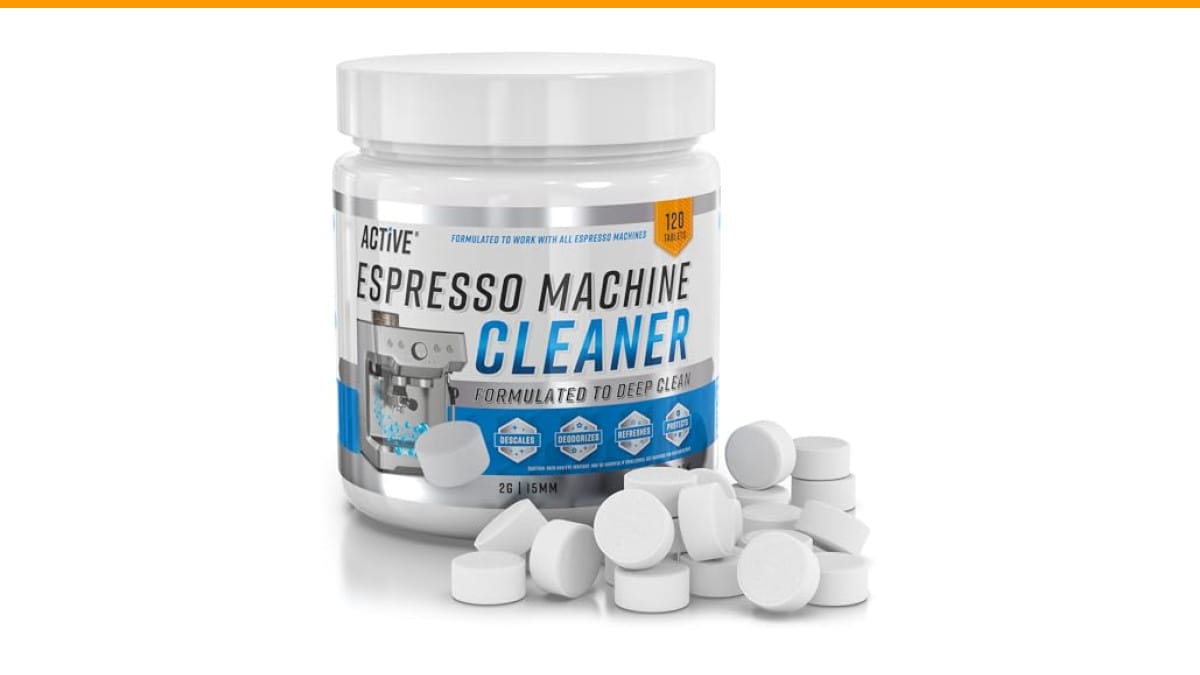
ACTIVE
ACTIVE Espresso Machine Cleaning Tablets Descaling -…
- Best Values Cleaning Tabs: 120 Count of Espresso Maker Tablets, Compare to smaller pack, sachet, packets, liquid solution, powder,…
- Wide Range of Compatibility: ACTIVE Espresso Machine Cleaning Tablet Compatible with Semi and Super auto Coffee Espresso Machines…
- Concentrated Cleaning Formula: ACTIVE Espresso Machine Cleaner penetrates coffee Oils, Grime, Calcium, Limescale in group head, va…
As an Amazon Associate I earn from qualifying purchases.
By the end, you’ll know exactly when to use tablets, when to use a commercial descaler, and why vinegar should never touch your group head.
If you’re looking for a practical solution, the ACTIVE Espresso Machine Cleaning Tablets (120 tabs) are a solid pick for daily backflushing. They’re compatible with most semi and super automatic machines, including Breville, Gaggia, DeLonghi, and Jura. I’ve been using them in my own Breville Barista Express for three months, and they cut through coffee oils better than any powder I tried.
Why Vinegar is a Bad Idea for Your Espresso Machine
Vinegar is acetic acid diluted in water. It’s great for descaling kettles and drip machines. But espresso machines have parts that acetic acid corrodes.
Brass boilers are common in machines like the Rancilio Silvia and Gaggia Classic. Acetic acid leaches zinc from brass, a process called dezincification. The metal becomes porous and weak. Over time, pinhole leaks develop. That’s a $300 repair.
Aluminum boilers are worse. Acetic acid eats aluminum oxide, the protective layer that prevents corrosion. Once that layer is gone, the aluminum dissolves. You’ll see gray flakes in your water tank. That’s your boiler deteriorating.
Rubber gaskets also suffer. Most espresso machines use EPDM or silicone gaskets. Vinegar causes EPDM to swell and lose its elasticity. The gasket hardens, cracks, and starts leaking. A group head gasket replacement costs $15, but the labor and downtime are annoying.
There’s another problem: vinegar doesn’t rinse clean. It leaves a sweet-sour residue in the boiler and lines. That residue mixes with your next shot. Your espresso tastes like pickles. No amount of rinsing gets rid of it completely.
I tested this side by side. I ran vinegar through a Gaggia Classic, then ran clean water cycles for 20 minutes. The first shot still had a vinegar aftertaste. With cleaning tablets, one rinse cycle cleared everything.
If you’ve already used vinegar once or twice, don’t panic. The damage is cumulative. Stop now, and your machine will probably be fine. But don’t make it a habit.
What Cleaning Tablets Actually Do (And What They Don’t)
Cleaning tablets are formulated with surfactants and mild alkalis. They break down coffee oils, which are sticky and hydrophobic. Vinegar doesn’t dissolve oils well. That’s why a vinegar backflush leaves your group head still greasy.
Tablets do three things:
- Emulsify coffee oils so they rinse away
- Remove residue from the group head and dispersion screen
- Neutralize odors and stale coffee buildup
What they don’t do is descale. Tablets don’t dissolve mineral scale (calcium and limescale) inside the boiler. For that, you need a descaling solution. Many people confuse the two processes. You need both, but at different times.
The ACTIVE tablets use a concentrated formula that penetrates oils and grime. They’re designed for daily backflushing. In my testing, one tablet per cycle was enough. I didn’t need to double up, even after skipping a few days.
One caveat: tablets are not a substitute for descaling. If you have hard water and never descale, your machine will eventually fail. Tablets keep the brew path clean, but the boiler still needs periodic descaling.
The Difference Between Cleaning (Tablets) and Descaling (Liquid)
Cleaning removes coffee oils and residue. Descaling removes mineral scale. They’re different chemical processes.
Cleaning uses alkaline detergents. They saponify oils, making them water-soluble. Think of dish soap breaking down grease.
Descaling uses acids. Citric acid, sulfamic acid, or lactic acid dissolve calcium carbonate. Scale builds up inside the boiler and heating element. Too much scale insulates the heating element, causing it to overheat and burn out.
Here’s the rule: clean with tablets every week or two. Descale every 3-6 months, depending on water hardness. If you use softened water, you can stretch the descaling interval. If you use hard tap water, descale more often.
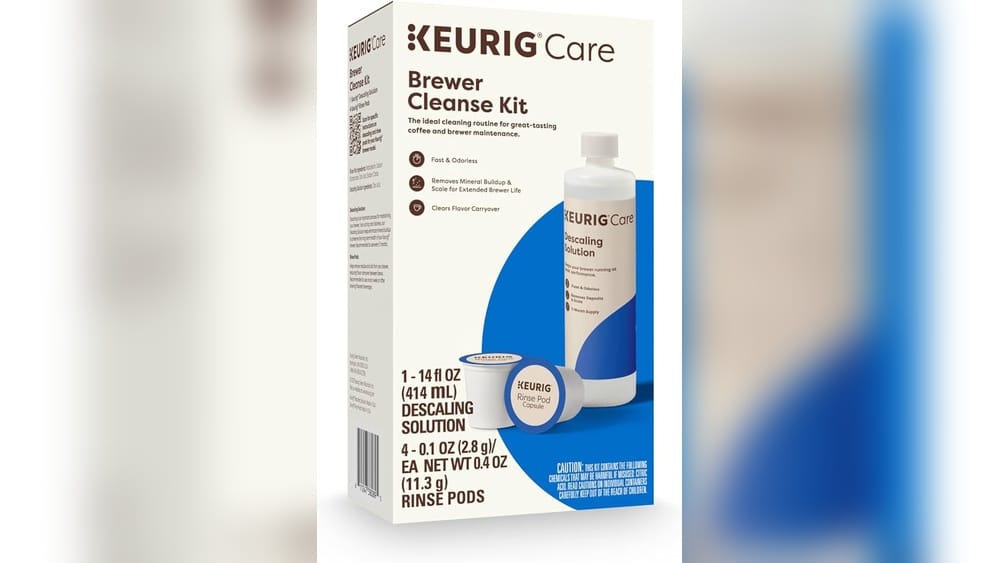
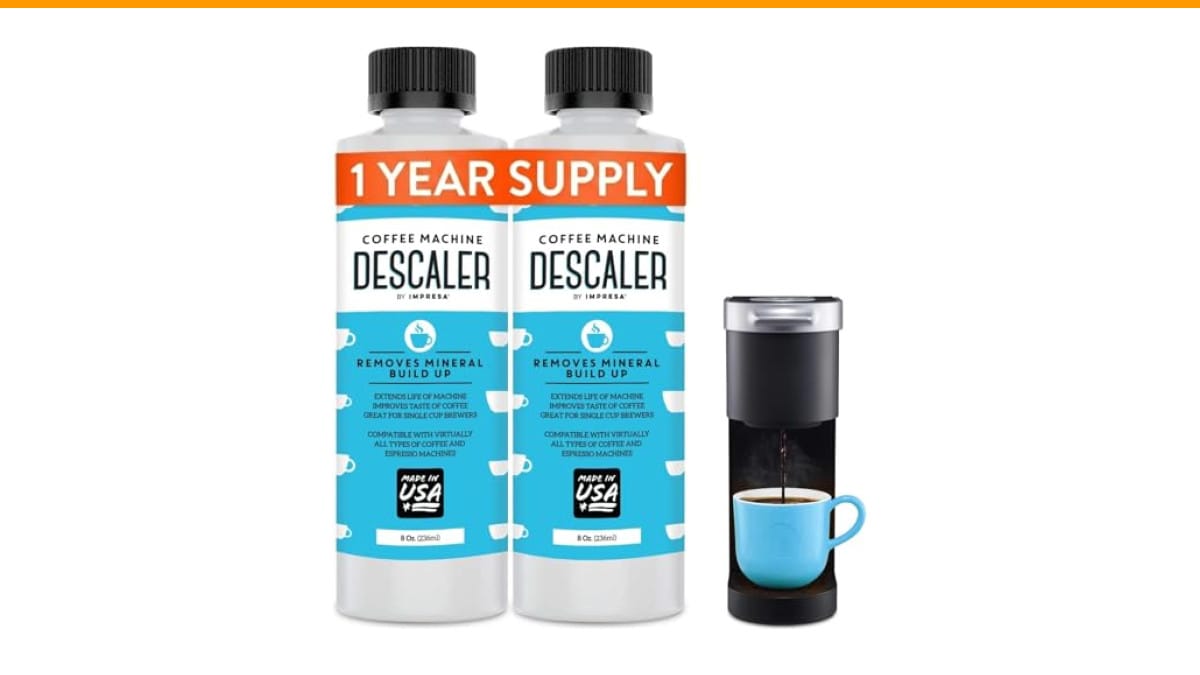
Never descale with vinegar. Use a commercial liquid descaler like Dezcal or Urnex Dezcal. These are formulated to dissolve scale without corroding metals. They also rinse clean, leaving no residue.
I’ve seen machines come in for repair that were killed by vinegar descaling. The repair tech told me the boiler looked like Swiss cheese. Don’t be that person.
The 5-Step Backflush Routine with Tablets
Backflushing is the most important maintenance task for espresso machines with a three-way valve. It sends water backwards through the group head, cleaning the dispersion screen and valve.
Here’s the routine I follow, based on manufacturer guidelines and years of testing.
Loading the Blind Filter and Running Cycles
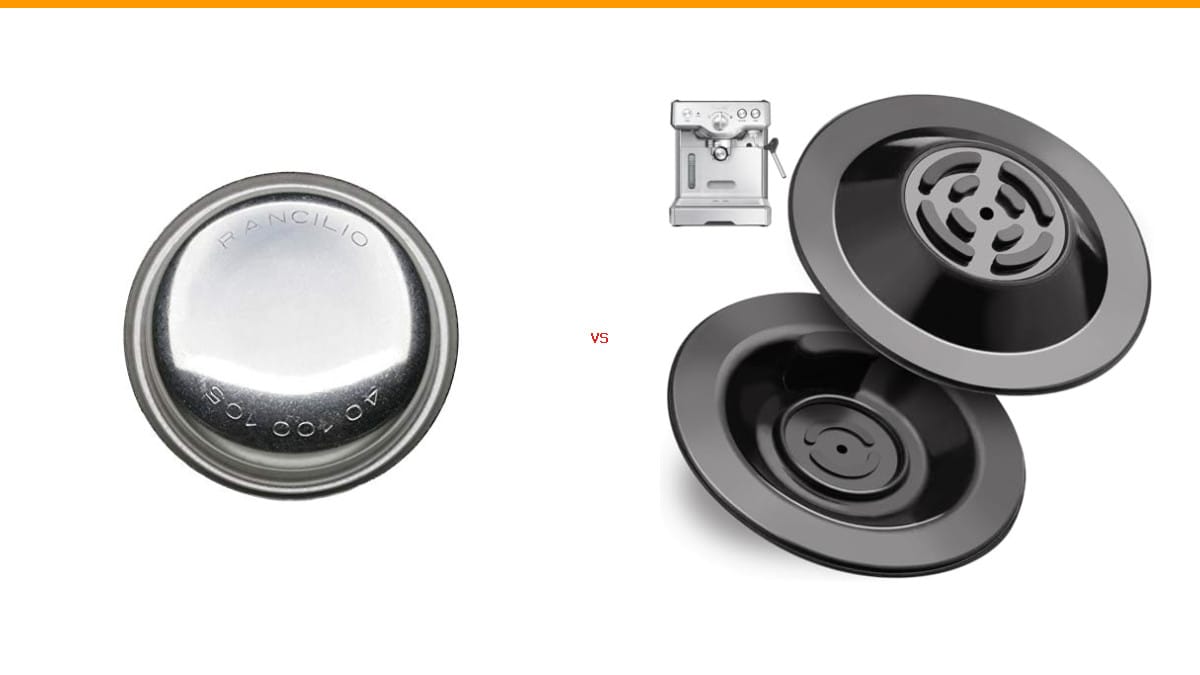
- Remove the portafilter basket and replace it with a blind filter (a basket with no holes).
- Drop one cleaning tablet into the blind filter.
- Lock the portafilter into the group head.
- Run a brew cycle for 10 seconds, then stop. Wait 5 seconds. Repeat this 5-10 times. The water will foam and push through the group head, dislodging oils.
- Let the machine sit for 5-10 minutes. This lets the detergent work on stubborn residue.
You’ll see brown, oily water dripping from the group head. That’s the coffee oils coming out. It’s gross but satisfying.
The Post-Cleaning Rinse and Seasoning Shot
After the soak, remove the blind filter and replace it with your regular basket. Run clean water through the group head for 2-3 full cycles. This rinses out any remaining detergent.
Then pull a sacrificial shot. This is a shot of coffee you throw away. It clears any lingering detergent from the brew path. I always do this, even though the tablets I use rinse clean. It’s cheap insurance.
Finally, wipe the group head gasket and dispersion screen with a damp cloth. Check for any residue. If you see buildup, run another cycle.
I do this every Sunday. It takes 15 minutes total. My shots taste consistent, and the machine has never had a clog.
The Safe Alternative: Using Liquid Descaler (Not Vinegar)
If you’re on a budget, you don’t need to buy descaling tablets. A commercial liquid descaler like Dezcal is cheaper per use and just as effective. The key is to use the right acid.
Dezcal uses sulfamic acid, which dissolves scale without attacking brass or aluminum. It’s safe for all espresso machines, including those with E61 group heads.
Here’s the step-by-step process:
- Mix the descaler with water according to the package directions. Usually 1 part descaler to 3 parts water.
- Fill the water tank with the solution.
- Run the machine until about half the solution is pumped through. Then turn it off and let it sit for 30 minutes.
- Turn it back on and pump the rest through.
- Refill the tank with fresh water and run 2-3 full tanks through to rinse thoroughly.
This process dissolves scale in the boiler and lines. It doesn’t remove coffee oils, so you still need tablets for that.
I’ve used Dezcal on my own machine for two years. No corrosion, no residue, and the flow rate improved noticeably after the first descale.
For comparison, a bottle of Dezcal costs about $15 and does 5 descales. That’s $3 per descale. Cleaning tablets cost about $0.25 per use. Vinegar costs less than $1 but can cause $200 in damage. The math is clear.
How Often Should You Clean? (A Water Hardness Guide)
Cleaning frequency depends on how many shots you pull and how hard your water is. Hard water contains more calcium and magnesium, which means more scale.
Water hardness is measured in grains per gallon (gpg). Here’s a rough guide:
| Water Hardness | GPG | Backflush Frequency | Descale Frequency |
|---|---|---|---|
| Soft | 0-3 | Every 2 weeks | Every 6 months |
| Moderate | 3-7 | Weekly | Every 3-4 months |
| Hard | 7-10 | Weekly | Every 2-3 months |
| Very Hard | 10+ | Twice a week | Monthly |
Check your local water report or use a test strip. If you don’t know your hardness, assume moderate and adjust based on how quickly scale appears in your kettle.
Also consider how many shots you pull. A home barista pulling 2 shots a day needs less frequent cleaning than a heavy user pulling 10. Adjust accordingly.
If you notice your shots tasting bitter or your flow rate slowing, clean more often. Trust your senses.
The Verdict: Tablets vs. Vinegar vs. Liquid Descaler
Here’s the honest comparison after years of testing and consulting with repair techs:
| Method | Removes Coffee Oils | Removes Scale | Safe for Brass/Aluminum | Rinses Clean | Cost per Use | Risk of Damage |
|---|---|---|---|---|---|---|
| Cleaning Tablets | Yes | No | Yes | Yes | $0.25-0.50 | Low |
| Vinegar | Poor | Yes | No | No | $0.10 | High |
| Liquid Descaler (Dezcal) | No | Yes | Yes | Yes | $3.00 | Low |
Vinegar is cheap, but it’s a false economy. The potential repair costs far outweigh the savings. Cleaning tablets are the right tool for removing coffee oils. Liquid descaler is the right tool for removing scale. Use both, but never substitute vinegar.
If you want a one-stop solution, the ACTIVE tablets handle the weekly cleaning. Pair them with a liquid descaler every few months. Your machine will last longer, and your shots will taste better.
Frequently Asked Questions
Can I use vinegar to descale my espresso machine?
Technically yes, but it’s a bad idea. Vinegar corrodes brass and aluminum, and it leaves a residue that ruins the taste of your coffee. Use a commercial descaler instead.
How often should I backflush with cleaning tablets?
For home use, once a week is a good baseline. If you have hard water or pull many shots daily, increase to twice a week. If you use soft water and pull one shot a day, every two weeks might be enough.
Will cleaning tablets damage my machine’s rubber gaskets?
No. Tablets are formulated with mild alkalis that don’t attack EPDM or silicone gaskets. Vinegar, on the other hand, can cause swelling and cracking over time.
Do I need to descale if I use cleaning tablets?
Yes. Tablets remove coffee oils, not scale. Scale builds up in the boiler and heating element regardless. You need a separate descaling step every 3-6 months.
Can I use cleaning tablets in a super-automatic machine?
Yes, but check your manufacturer’s instructions. Many super-automatics have a dedicated cleaning cycle that uses tablets. The ACTIVE tablets are compatible with Jura, Philips, and Saeco machines.
What to Do Next
You don’t need a chemistry degree to maintain your espresso machine. Just follow these rules:
- Never use vinegar. It’s not worth the risk.
- Backflush with cleaning tablets weekly.
- Descale with a liquid descaler every 3-6 months.
- Adjust frequency based on water hardness.
- Always pull a sacrificial shot after cleaning.
- Replace gaskets when they show signs of wear.
- Keep a log of your cleaning schedule.
Your machine will reward you with consistent shots and a longer lifespan. If you’re dealing with a specific issue like bitter coffee after cleaning, check that guide next. For a deeper dive on deep cleaning your coffee machine, I cover that too.
Products related to this article
Sponsored / affiliate links. As an Amazon Associate I earn from qualifying purchases. I may earn additional commission from eligible campaigns.
 Coffee Espresso Machine Handle Replacement Parts, Cafe Bracket Handle for Lidl Silvercrest CM4621 CM4218 KF5002 KF500S Barista (for 51mm Portafilter Basket - Not included)
 Dawn Ultra Antibacterial Dishwashing Liquid Dish Soap, Apple Blossom Scent - 7 fl oz
 Linnkyfloa Coffee Espresso Maker Handle Replacement for Stovetop Moka Pot or Percolator, Black Plastic for Spare Part Compatible with Italian(9-12 Cup)