You just finished descaling your espresso machine, and now you are staring at a half-used packet of cleaning tablets. The question hits you: can these go in the trash? Down the sink? Do they count as hazardous waste? Most people toss them without thinking, but these tablets are concentrated chemicals. Getting this wrong can harm your plumbing or the local water treatment process.
This guide covers the correct disposal methods for espresso cleaning tablets, what the packaging means, and how to handle expired or leftover tablets safely. You’ll also see how to avoid waste in the first place. By the end, you will know exactly what to do with that open packet sitting in your cabinet.

Cino Cleano
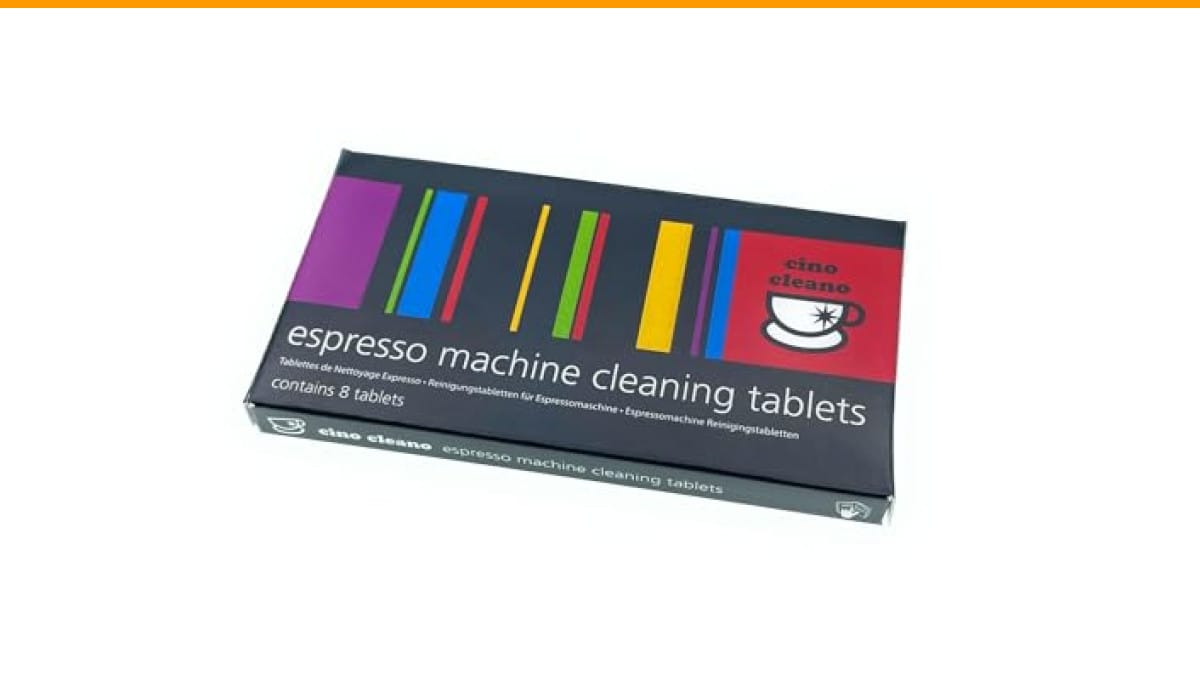
Cino Cleano Espresso Machine Cleaning Tablets (8…
- Listing is for 1 Packet which contains 8 tablets Suitable for use with all Breville Espresso machines
- Precision dissolution time to provide optimal cleaning performance
- All pharmaceutical and food grade ingredients
As an Amazon Associate I earn from qualifying purchases.
If you are still shopping for a cleaner, the Cino Cleano Espresso Machine Cleaning Tablets come in an 8-count packet. That size is practical because you use one tablet per cleaning cycle, so you won’t have half a jar going stale. These tablets work with Breville, Sage, DeLonghi, and other super-automatic machines, which makes them a solid choice for home users.
What Is Actually In These Tablets?
Most espresso cleaning tablets are a mix of alkaline salts, surfactants, and a binding agent that holds the powder together. The active ingredients break down coffee oils and residue inside the group head. The exact formula varies by brand, but the pH level is usually high enough to irritate skin or eyes if you handle the dry tablet directly.
That matters for disposal because the chemical load does not vanish when the tablet hits water. It goes somewhere. If you flush it down the drain, it ends up in your local wastewater treatment plant. Most municipal plants can handle small amounts of these chemicals, but that does not mean it is the recommended path.
The Right Way To Throw Them In The Trash
For used tablets, the simplest method is trash disposal. After your cleaning cycle finishes, the tablet has dissolved and done its job. The wastewater from the cleaning cycle can go down the sink. Run the water for a few seconds after the cycle to rinse the line. That diluted solution is not a hazard.
For unused or expired tablets, you need to be more careful. Do not just drop them loose into a bin. A child or pet could find them, and the concentrated tablet can cause irritation. Put the tablets in a sealed container first. A small plastic bag or an empty pill bottle works fine. Then place that container in your regular trash.
One thing to avoid: do not crush the tablets before disposal. Crushing releases the powder, which can become airborne and irritate your lungs if inhaled. Keep them whole, seal them, and toss them.
Can You Flush Them Down The Drain?
You can, but you probably should not. The issue is not your pipes. The tablet will dissolve and wash away without clogging anything. The real concern is the cumulative effect on the environment. Each flush adds a small chemical load to the water system. Individually it is negligible. Multiply that by millions of coffee drinkers, and it becomes a measurable problem.
If you have a septic system, the answer is a hard no. Septic systems rely on bacteria to break down waste. Alkaline cleaning chemicals can kill those bacteria, which leads to expensive tank issues. Your septic system needs those microbes alive. Do not risk it over a cleaning tablet.
What About The Foil Packaging?
The foil packets that hold individual tablets are not recyclable in most curbside programs. They are a multi-layer laminate of plastic and aluminum. Check your local recycling guidelines, but most facilities will reject them. They go in the trash. If you want to reduce waste, look for brands that sell tablets in a recyclable plastic tub instead of individual foil wrappers.
How To Store Leftover Tablets So They Last
Moisture is the enemy. A tablet that absorbs humidity can crumble or dissolve in the packet. Store the remaining tablets in a dry, cool place away from the sink and steam. A cabinet above the counter is usually fine. The bathroom is a bad spot because of shower humidity.
Keep the packet sealed with a clip or tape after opening. If the original foil packet is torn, transfer the tablets to a small glass jar with a tight lid. Label it clearly so nobody mistakes them for something else. These tablets look a bit like candy mints to a child, so keep them out of reach.
| Disposal Method | Used (Dissolved) Tablets | Unused/Expired Tablets | Best For |
|---|---|---|---|
| Trash (sealed container) | Yes, after rinsing | Yes, always seal first | Most home users |
| Drain (municipal sewer) | Acceptable in small amounts | Not recommended | Emergency situations only |
| Drain (septic system) | No | No | Avoid entirely |
| Recycling foil wrapper | N/A | No (check local rules) | Rarely accepted |
Reducing Waste From The Start
The easiest way to deal with disposal is to not have leftovers. Buy the smallest pack that matches your cleaning frequency. If you clean your machine monthly, an 8-count packet lasts eight months. That is a reasonable shelf life for most formulations.
Some brands sell loose tablets in bulk. That is a better deal per tablet, but you risk them absorbing moisture before you finish the container. Stick with what you will realistically use in six to twelve months. Also, check the expiration date before buying. A discounted pack that expires in two months is not a bargain if you clean quarterly.
You can also switch to a liquid descaler instead of tablets. Liquids are easier to measure and often come in a recyclable bottle. The downside is that liquids are messier to store. Tablets are more convenient for travel or small kitchens. It is a trade-off worth considering.
Common Disposal Mistakes People Make
The most common mistake is tossing tablets loose into an open trash can. If the trash bag tears, the tablets scatter. A dog might chew one. The taste is bitter and unpleasant, which usually stops the dog, but the chemical burn on the tongue is a real risk. Seal them.
Another mistake is putting used cleaning solution into a compost bin. The alkaline water will kill the beneficial organisms in your compost pile. That water should go down the drain or into the toilet, not into your garden. Also, do not pour the used solution into a rain barrel or storm drain. That water eventually flows into local waterways without treatment.
Frequently Asked Questions
Can I put espresso cleaning tablets in the recycling bin?
No. The tablets themselves are not recyclable. The foil wrappers are technically a laminate of plastic and metal, which most recycling facilities cannot separate. Put both in the trash. If the tablets come in a plastic tub, check the recycling number on the bottom. Many tubs are #5 plastic, which some curbside programs accept.
Is it safe to flush a cleaning tablet down the toilet?
Technically yes, it will dissolve and not clog the toilet. But it is a bad idea. The toilet goes to the same place as your sink drain. If you are on a septic system, it is actively harmful. If you are on municipal sewer, it is wasteful but not catastrophic. The trash is still the better option.
What if the tablet is already dissolved in water?
That is just cleaning solution. Pour it down the sink with running water. The concentration is low enough that it will not damage pipes or cause issues at the treatment plant. Rinse the container afterward. Do not dump it outside on the ground, as the alkaline solution can harm plants.
Are expired cleaning tablets dangerous?
Expired tablets are not more toxic. They just lose effectiveness. The binders may break down, causing the tablet to crumble, but the chemical cleaning agents remain active. Treat expired tablets the same as unused ones: seal them in a container and throw them in the trash.
Can I give unused tablets to a friend?
Yes, if the packet is sealed and not expired. This is the best way to avoid waste. Cleaning tablets have a long shelf life, so a sealed packet transfers well. Just pass along the original packaging so the friend knows what machine it is for and how to use it.
What To Remember Next Time
- Used cleaning solution goes down the sink with running water, not outside or in compost.
- Unused or expired tablets go in the trash, sealed in a bag or jar first.
- Never flush tablets if you have a septic system.
- Do not crush tablets before disposal; the powder can irritate lungs.
- Store leftover tablets in a dry, cool place away from children and pets.
- Buy smaller packs if you clean infrequently to avoid expired leftovers.
- Check if your brand offers a refill tub instead of individual foil wraps.
Disposal is a small part of the cleaning routine, but doing it right protects your home and the environment. For more on keeping your machine in good shape, check out our guide on machine maintenance. If you are dealing with hard water buildup, our descaling guide covers the full process. And if you are comparing machines before your next purchase, read our automatic vs. semi breakdown to see which fits your routine.
Products related to this article
Sponsored / affiliate links. As an Amazon Associate I earn from qualifying purchases. I may earn additional commission from eligible campaigns.
 Coffee Espresso Machine Handle Replacement Parts, Cafe Bracket Handle for Lidl Silvercrest CM4621 CM4218 KF5002 KF500S Barista (for 51mm Portafilter Basket - Not included)
 KARHDIR 15" Walk Behind Floor Scrubber Machine, 23" Squeegee
 Linnkyfloa Coffee Espresso Maker Handle Replacement for Stovetop Moka Pot or Percolator, Black Plastic for Spare Part Compatible with Italian(9-12 Cup)