You pulled a perfect shot, but now the portafilter is full of hot, wet coffee grounds. You tap it on the edge of the trash can, and half the puck explodes onto the floor. Some grounds stick to the basket. The rest leaves a brown smear on your counter. We have all been there.
This guide covers the exact mechanics of using a knock box so you can dump a spent puck in one clean motion. You will learn where to place the box, how to hold the portafilter, and how to maintain the unit so it doesn’t become a science experiment. We will also look at why the design of the box matters more than you think.

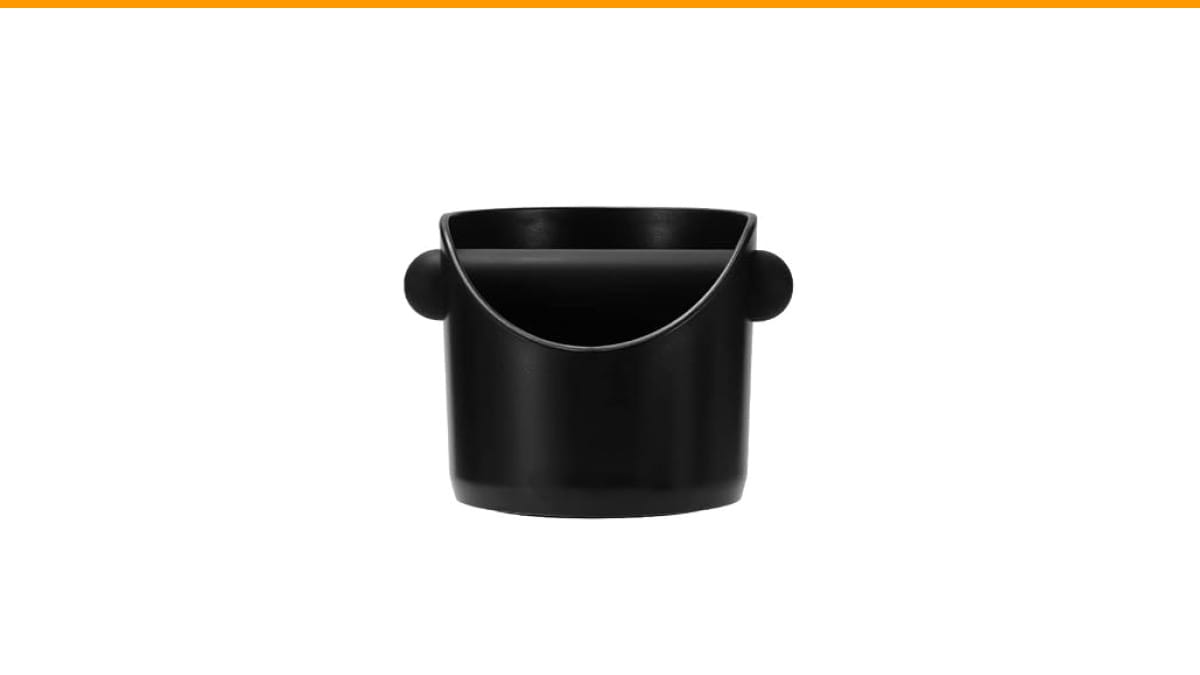
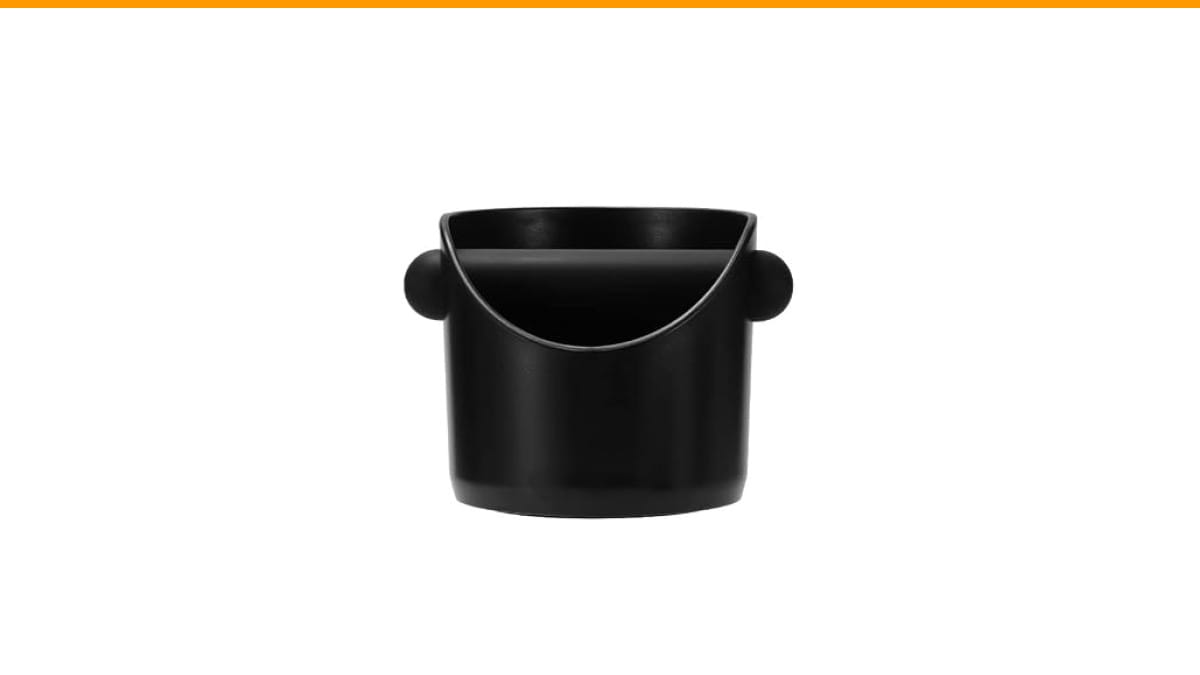
Auden Arctic
Coffee Knock Box, 4.6 in, Barista Style…
- Compact Design: This 4.6-inch barista-style knock box is perfect for collecting used espresso grounds from your espresso machine.
- Sturdy Construction: Made of heavy-duty plastic, the knock box features a non-slip base for stability.
- Removable Knock Rod: The included plastic knock rod allows for easy disposal of spent grounds.
As an Amazon Associate I earn from qualifying purchases.
If you are just getting into espresso at home, understanding this small workflow step saves you from a daily mess. It takes about two minutes to learn and it changes your routine for the better.
A solid starting point is a dedicated unit like the Auden Arctic Coffee Knock Box. It has a non-slip base and a removable plastic rod, which makes the whole process more forgiving than knocking on a cutting board.
Why a Knock Box Beats the Trash Can
Knocking a portafilter directly into a trash can is messy for a few reasons. The rim of the can is usually too wide, so the basket does not get a clean strike. The grounds also tend to stick to the side of the liner. You end up shaking the portafilter, which flings coffee dust everywhere.
A knock box confines the impact zone. The rubber rod inside the box absorbs the force and breaks the puck’s cohesion against the basket. The grounds drop straight down into a contained chamber. The box catches the debris, the mess stays in one place, and you do not have to wipe down the counter every single time.
There is also a hygiene angle. Wet coffee grounds left in a trash can start to smell sour within a few hours. A knock box with a lid contains that odor until you empty it. If you make two or three shots a day, that matters.
Setting Up Your Knock Box for Success
Placement is the first thing to get right. The box should sit on the same surface as your espresso machine, not on a lower shelf. You want the top of the box roughly level with your elbow when your arm is bent at 90 degrees. This position lets you use a natural downward swing rather than an awkward sideways flick.
Make sure the non-slip base is doing its job. The Auden Arctic box has a rubber bottom that grips the counter, but a wet counter can still cause slippage. Dry the area under the box before you start pulling shots. If the box slides when you hit it, you lose energy transfer and the puck stays in the basket.
Position the box about six to eight inches from the machine. Too close, and you risk hitting the machine with the portafilter handle. Too far, and you have to stretch, which messes up your aim. Find that sweet spot and keep the box there permanently.
The Correct Knocking Technique
Hold the portafilter by the handle with your dominant hand. Place your other hand under the basket for support—this prevents the basket from flexing and launching grounds sideways. Do not grip the handle like a hammer. A relaxed grip gives you better control over the angle.
Bring the basket down toward the rod inside the box. The key is to strike the rod with the edge of the basket, not the flat bottom. A 45-degree angle works best. This directs the force along the surface of the puck, breaking it free from the basket walls.
Use a sharp, quick motion. A slow press just smears the grounds against the rod. You want a single decisive tap. Most pucks release on the first hit. If the puck stays in, rotate the basket 90 degrees and tap again. Do not bang it repeatedly—that only drives the grounds deeper into the mesh.
One detail most people miss: let the puck cool for a few seconds after brewing. A steaming hot puck is softer and more likely to crumble. A 10-second wait makes the puck slightly firmer and it comes out as a solid disc. This is a small habit that cuts down on stray grounds significantly.
Choosing the Right Knock Rod Material
The rod inside the box is not just a metal bar. It is a tuned component. Metal rods are stiff and deliver a sharp impact. They work well for dense, freshly roasted coffee. But they can dent a thin portafilter basket over time if you hit too hard.
Plastic rods, like the one in the Auden Arctic model, are more forgiving. They absorb a bit of the shock, which is easier on your basket and your wrist. The trade-off is that very hard pucks might need a second tap. For a home user making 2-4 shots a day, plastic is the practical choice.
Rubber-coated rods sit in between. They grip the puck slightly, which helps pull it out of the basket. But they wear out faster and can leave black marks on your basket rim. If you go that route, inspect the coating regularly for cracks.
Emptying and Cleaning the Knock Box
Do not wait until the box is full to empty it. A full box means the rod is buried under old grounds, so your fresh puck hits a pile of coffee instead of the rod. That ruins the impact and makes a mess. Empty the box when it is about two-thirds full.
For a 4.6-inch box, that is roughly after 10-12 double shots. You can check the level by looking through the opening—no need to open the lid every time.
Rinse the box with warm water after each empty. Used coffee grounds are acidic and can stain plastic if left to sit. A quick rinse prevents buildup. Once a week, wash the box with mild dish soap and a soft sponge. Avoid abrasive scrubbers; they scratch the interior, and scratches become spots where grounds cling.
The removable rod makes this easier. Pop it out and rinse it separately. You can also wipe the rod with a dry cloth after each session to keep it from getting sticky.
If you notice a sour smell coming from the box, it is not the plastic—it is old coffee oil. Soak the box in a solution of hot water and white vinegar for 15 minutes. Rinse thoroughly and let it air dry. This also helps if you are dealing with a burnt espresso taste that might actually be coming from stale residue.
Comparing Knock Box Styles
Not all knock boxes work the same way. Here is a quick comparison of the common types you will see.
| Type | Impact Feel | Mess Factor | Best For | Trade-off |
|---|---|---|---|---|
| Plastic Box + Plastic Rod | Soft, forgiving | Low | Home users, light daily use | May need a second tap on hard pucks |
| Plastic Box + Metal Rod | Sharp, crisp | Low | Home users who want one-tap release | Can dent thin baskets over time |
| Stainless Steel Box + Rubber Rod | Damped, grippy | Very Low | Heavy home use, small cafes | Heavier, more expensive, rubber wears out |
| Drawer/Under-Counter Unit | Variable | Moderate | Built-in installations | Harder to clean, grounds can get stuck in tracks |
For most home setups, the plastic box with a plastic rod is the sweet spot. It is light, easy to clean, and does not damage your portafilter. The stainless steel units look great on a counter, but they cost more and they dent if you drop them.
Common Mistakes That Create Messes
Here are the frequent errors I see people make, even after they own a knock box.
- Hitting too hard. You are not trying to break a rock. A controlled tap works better than a violent smash. Hard hits cause grounds to bounce out of the box.
- Striking with the flat bottom of the basket. This compresses the puck against the rod and it sticks. Use the edge at an angle.
- Ignoring the basket edges. If grounds are baked onto the rim, they will fall off later, not during the knock. Wipe the rim with a dry towel after knocking.
- Letting the box overflow. A full box is a messy box. Set a routine to empty it every couple of days.
- Knocking while the machine is still vibrating. Wait for the pump to stop. The residual vibration makes the puck less cohesive.
If you are having trouble with the portafilter itself, like it is stuck or leaking, check our guide on espresso machine leaks to rule out a bigger issue.
Frequently Asked Questions
How often should I empty my knock box?
Empty it when it is two-thirds full. For a 4.6-inch box, that is about 10-12 double shots. If you see grounds piling up near the rod, empty it sooner. A half-empty box works better than a full one.
Can I knock a plastic portafilter basket?
Yes, but be gentle. Plastic baskets flex more than metal ones. Use a softer tap and check that your knock rod is plastic or rubber. A metal rod on a plastic basket can crack the basket over time.
Why does my puck stick to the basket after knocking?
Usually it is one of three things: the coffee is too fresh and gassy, the grind is too fine, or you are not using enough angle. Try waiting 10 seconds after brewing, and make sure you are striking the edge of the basket, not the bottom.
Is it okay to leave wet grounds in the knock box overnight?
It is not ideal. Wet grounds grow mold and smell bad within 12 hours. If you are done for the day, empty the box, rinse it, and leave the lid off so it dries. This takes one minute and saves you from a nasty cleaning session later.
Do I need a knock box if I only make one shot a day?
You can survive without one, but you will still be tapping the portafilter on something. A knock box gives you a consistent, clean target. Even for one shot, it keeps the counter clean and protects your basket from dents caused by tapping on hard surfaces.
Simple Habits for a Clean Station
- Place the box level with your elbow and six to eight inches from the machine.
- Strike the rod with the basket edge at a 45-degree angle, using a quick tap.
- Let the puck cool for 10 seconds before knocking to get a solid release.
- Empty the box at two-thirds full—roughly every 10-12 shots.
- Rinse the box after each empty and wipe the rod dry after each session.
- Wash with soap and water weekly; use a vinegar soak if you notice an odor.
- Check your knock rod for wear if you use a rubber-coated version.
Getting the technique right takes a few sessions. Once you have it, knocking becomes the fastest part of your espresso routine. You will wonder why you ever tapped on the edge of a trash can. If you are still dialing in your workflow, read our comparison of automatic vs. semi-automatic machines to see if your setup is optimized for speed.
Products related to this article
Sponsored / affiliate links. As an Amazon Associate I earn from qualifying purchases. I may earn additional commission from eligible campaigns.
 Coffee Espresso Machine Handle Replacement Parts, Cafe Bracket Handle for Lidl Silvercrest CM4621 CM4218 KF5002 KF500S Barista (for 51mm Portafilter Basket - Not included)
 Linnkyfloa Coffee Espresso Maker Handle Replacement for Stovetop Moka Pot or Percolator, Black Plastic for Spare Part Compatible with Italian(9-12 Cup)
 Wrenmor Replacement Handle For Coffee Espresso Moka Stove Pot, Black Plastic Accessory Compatible With 1/3/6/9/12 Cup Sizes For Easy Installation And Long-Lasting Use(1 Cup)