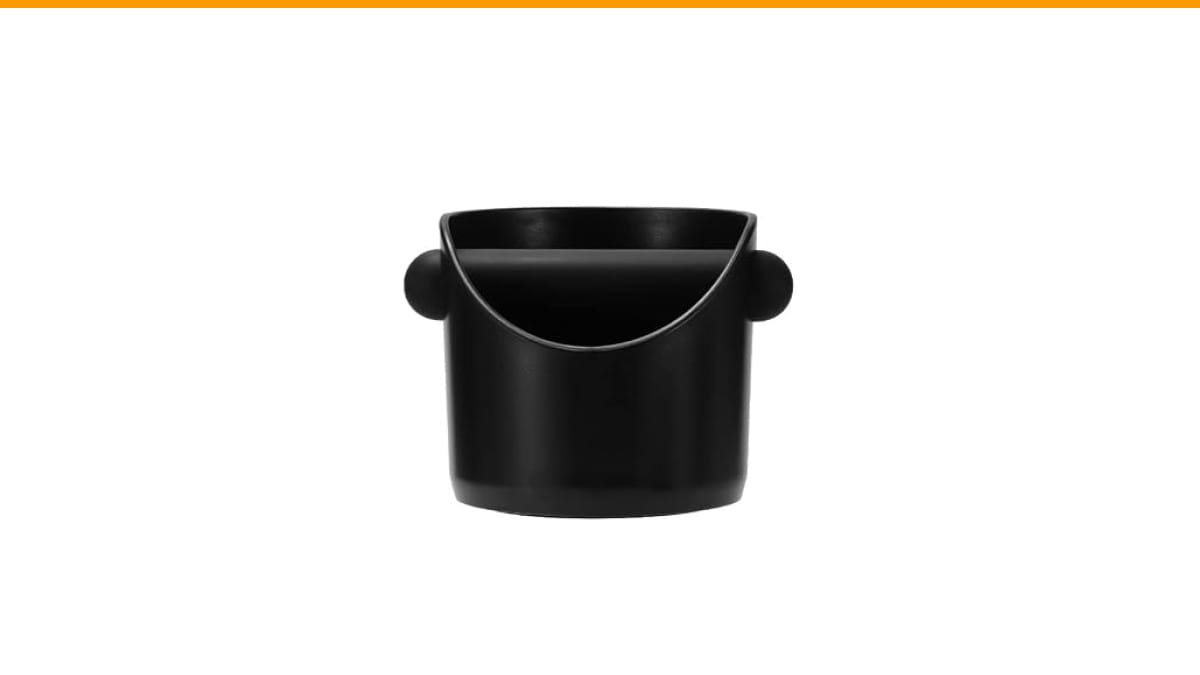
You know the moment. You pull a shot, knock the portafilter against the bar, and the spent puck lands with a wet thud. The box fills up over a day. Then the smell hits you — sour, fermented coffee that clings to the plastic. If you don’t clean it regularly, that smell migrates into your next shot.
Most home baristas treat the knock box like a trash can. It’s not. It’s a tool that needs the same care as your portafilter and basket. In this guide, I’ll walk you through the exact routine I use after testing knock boxes for months — from quick daily wipe-downs to deep cleans that remove every trace of old coffee oil.

NEUTRAL
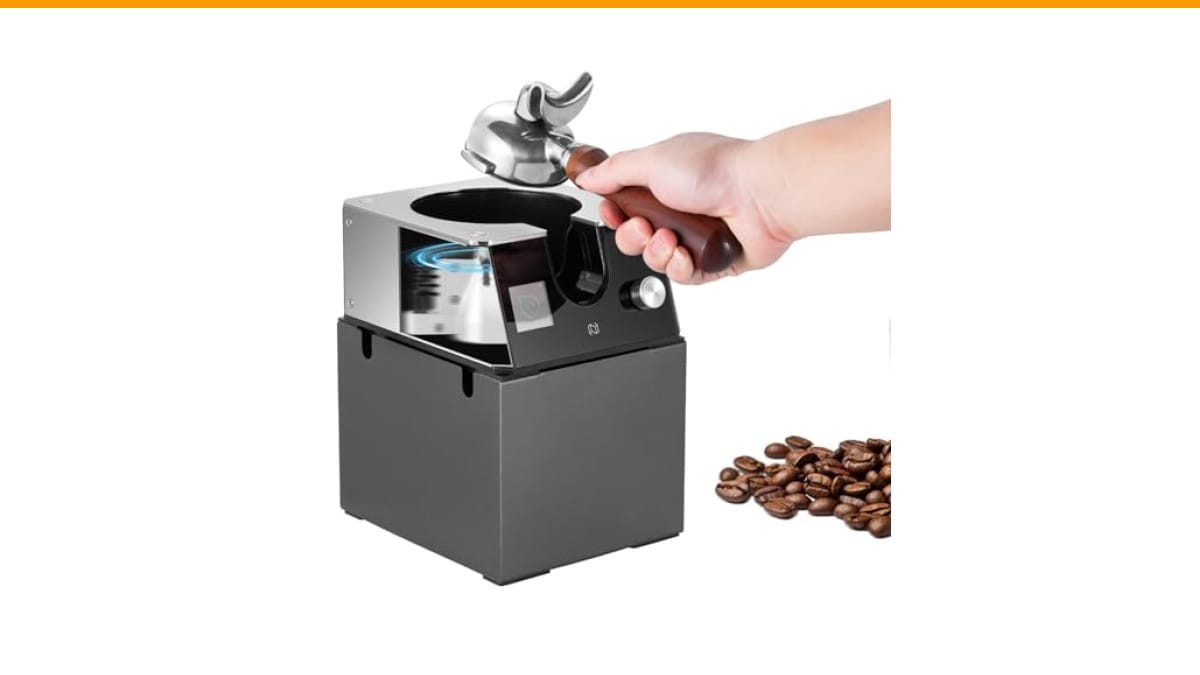
NEUTRAL NS300 Pro Electric Portafilter Cleaner-Automatic Coffee…
- 【Fast Processing】NS300Pro Automatic Portafilter Cleaner Very Simple To Operate,Just Snap The Portafilter Onto The Brush Head,The B…
- 【Innovative Design】Many Users Consider It Can Replace For The Espresso Knock Box, It Does Not Have To Hit The Knock Box Hard, Make…
- 【Using The Scene】It Has 3 Different Installation Methods, Which Can Be Used In Different Scenes Such As Kitchen, Cafe, Western Res…
As an Amazon Associate I earn from qualifying purchases.
You’ll also see why an electric portafilter cleaner like the NEUTRAL NS300 Pro changes the equation entirely, plus a side-by-side comparison of cleaning methods so you can pick what fits your workflow.
One quick note before we start. If you’re tired of the bang-and-scrape ritual, the NEUTRAL NS300 Pro electric portafilter cleaner removes the spent puck in about three seconds without hitting anything. It mounts three ways and works with 58mm portafilters, which makes it a practical replacement for a traditional knock box in a quiet home kitchen.
Why Your Knock Box Gets Gross Faster Than You Think
Wet coffee grounds are a breeding ground for mold and bacteria. A typical puck holds about 30% moisture by weight. When you knock that puck into a sealed box, you trap that moisture. At room temperature, mold spores start colonizing within 24 to 48 hours.
The oily residue from dark roasts is another culprit. Coffee oils oxidize and turn rancid, producing that stale, cardboard-like aroma. You might not taste it in a milk drink, but pull a straight espresso shot after a week of not cleaning your knock box and you’ll notice a dull, bitter edge.
There’s also the physical buildup. Old grounds cake onto the inside corners and the rim. That crust hardens over time and becomes difficult to remove. If you let it go for a month, you’re not cleaning — you’re scraping.
So how often should you clean it? If you pull two or three shots a day, empty and rinse the box every evening. Deep clean once a week. If you’re a weekend-only brewer, empty after each session and deep clean every two weeks.
The Daily Routine: What I Do After Every Shot
You don’t need harsh chemicals for daily maintenance. Here’s the routine I’ve settled on after testing several knock boxes side by side.
- Knock and inspect. After your last shot of the day, knock the portafilter one final time to dislodge any loose grounds.
- Empty the box. Dump the spent pucks into your compost bin or trash. Don’t leave them sitting overnight.
- Rinse with hot water. Run the box under hot tap water for 10–15 seconds. Hot water dissolves the surface oils better than cold.
- Wipe the interior and rim. Use a paper towel or a dedicated sponge to wipe down the inside walls and the rim where grounds accumulate. Pay special attention to the corners.
- Dry it completely. Shake off excess water and set the box upside down on a dish rack. Moisture is the enemy here — a dry box won’t grow mold.
That’s it. Two minutes, tops. If you use a knock box with a rubber insert, lift the insert out and rinse it separately. Grounds love to hide underneath.
One thing I’ve learned the hard way: don’t use dish soap every single day. Soap strips the rubber’s natural grip, and it leaves a residue that can transfer to your portafilter. Save soap for the weekly deep clean.
Deep Cleaning: The Weekly Reset
Once a week, your knock box needs more than a rinse. Here’s the method I use, and it works for plastic, stainless steel, and rubber-lined boxes.
- Disassemble everything. Remove the rubber insert, the lid, and any removable parts. If your box has a non-removable liner, skip this step.
- Soak in warm soapy water. Fill your sink with warm water and add a few drops of mild dish soap. Submerge all parts for 10 minutes. This loosens the baked-on oils.
- Scrub with a soft brush. Use a bottle brush or a soft nylon brush to scrub the interior. A toothbrush works great for the rim and the grooves where grounds hide.
- Tackle stubborn residue with baking soda. For caked-on buildup, make a paste of three parts baking soda to one part water. Apply it to the crusty areas, let it sit for five minutes, then scrub. Baking soda is mildly abrasive and won’t scratch stainless steel.
- Rinse thoroughly. Make sure every trace of soap is gone. Soap residue tastes terrible if it ends up in your next shot.
- Sanitize with vinegar once a month. Mix one part white vinegar with three parts water. Wipe down the interior and let it air dry. Vinegar kills mold spores without leaving chemical residue.
- Dry completely before reassembling. Put the rubber insert back only after everything is bone dry. This prevents mold from growing in the seams.
For stainless steel boxes, skip the vinegar soak if you have hard water — it can leave spots. Use a damp cloth instead. For plastic boxes, avoid abrasive scrubbers; they create micro-scratches where bacteria hide.
I tested a plastic knock box that developed a permanent odor after six months of neglect. No amount of cleaning removed it. That’s why deep cleaning weekly matters more than the material you choose.
Comparing Cleaning Methods: Manual vs. Electric vs. Disposable
Not everyone wants to knock grounds into a box. Some people use compostable filters, others use an electric cleaner. Here’s how the three main approaches stack up based on my testing.
| Method | Time per Use | Mess Level | Noise | Maintenance | Best For |
|---|---|---|---|---|---|
| Traditional knock box | 5–10 seconds | Medium — grounds scatter | Loud banging | Daily rinse, weekly deep clean | Budget-conscious home baristas |
| Electric portafilter cleaner (like NEUTRAL NS300 Pro) | ~3 seconds | Low — grounds drop into a container | Quiet motor | Empty container, wipe brush head | Anyone who hates the bang or has limited counter space |
| Disposable paper filters | 1 second | None | Silent | None — throw away | Travel, offices, or ultra-light cleanup |
The electric cleaner wins on consistency. It doesn’t compact the grounds against the box walls, so there’s less caked-on residue to scrub later. The trade-off is the upfront cost and the need to empty its collection container regularly. The manual box is cheaper but demands more discipline to keep clean.
If you’re torn, think about your counter space and your patience. A knock box takes up roughly the same footprint as an electric cleaner, but the electric one eliminates the physical impact that can dent a portafilter over time.
Material-Specific Care Tips
Different knock box materials need slightly different treatment. Here’s what I’ve learned from owning all three types.
Plastic boxes are the most common. They’re lightweight and cheap, but they stain easily and absorb odors. Wash them with warm soapy water only. Never put them in the dishwasher — the heat warps the plastic and ruins the rubber insert’s fit.
Stainless steel boxes look great and resist odors, but they show water spots and fingerprints. Wipe them with a microfiber cloth after rinsing. For stubborn stains, use a stainless steel cleaner on the exterior only — never inside where it contacts coffee.
Rubber-lined boxes (like the classic barista style) need the most attention. The rubber insert traps grounds underneath. Lift it out every time you empty the box. If the rubber starts to smell even after cleaning, soak it in a baking soda solution overnight.
One more tip: check the hinge on lidded boxes. Grounds accumulate in the hinge mechanism and can jam it. A quick blast of hot water from a faucet clears it out.
Signs Your Knock Box Needs Replacement
Even with perfect care, knock boxes wear out. Here are the signs I look for before recommending a replacement.
- Permanent odor that survives a vinegar soak and baking soda paste.
- Cracks or warping in plastic that create hard-to-clean crevices.
- Rust spots on stainless steel — this happens when the protective coating wears off.
- Loose rubber insert that moves around when you knock, reducing the impact-absorbing effect.
- Dents on your portafilter from repeated hard knocking — that’s a sign the box isn’t absorbing the impact anymore.
If you hit any of these, it’s time to upgrade. And if you’re already shopping, consider whether the NEUTRAL NS300 Pro fits your workflow. It sidesteps most of these problems since there’s no impact surface to wear out.
Frequently Asked Questions
Can I put my knock box in the dishwasher?
Only if the manufacturer explicitly says so. Most plastic and rubber knock boxes will warp or degrade in the dishwasher’s heat. Stainless steel boxes with no rubber parts are generally safe, but check the base — some have non-slip pads that will peel off. When in doubt, hand wash.
How do I get rid of the stale coffee smell?
Wash the box with warm soapy water, then wipe the interior with a cloth dipped in a 1:3 vinegar-water solution. Let it air dry completely. If the smell persists after two treatments, the box has absorbed the odor into its material, and it’s time to replace it.
Is it okay to leave wet pucks in the knock box overnight?
No. Wet grounds sitting for 8+ hours accelerate mold growth and produce a sour smell. Empty the box after your last shot of the day. If you forget, at least leave the lid open so moisture can escape.
What’s the difference between a knock box and an electric portafilter cleaner?
A knock box is a passive container — you provide the force to knock the puck out. An electric cleaner (like the NEUTRAL NS300 Pro) uses a spinning brush head to remove the puck automatically when you press the portafilter onto it. The electric option is quieter and gentler on your portafilter, but it costs more and needs its own power source.
How often should I replace the rubber insert in my knock box?
Every 6 to 12 months, depending on how often you use it. If the rubber feels hard, cracked, or slippery, replace it. A worn insert doesn’t absorb impact, which means more stress on your portafilter ears and more noise.
What I’d Tell a Friend Starting Out
Cleaning a knock box isn’t glamorous, but it’s one of the highest-impact habits in your espresso routine. A clean box means cleaner-tasting shots and a longer-lived portafilter. Here are the points that matter most.
- Empty and rinse your knock box after every day of use. Two minutes now saves a 20-minute scrub later.
- Deep clean weekly with warm soapy water and a soft brush. Monthly, add a vinegar wipe-down for mold prevention.
- Dry the box completely before storing. Moisture is the root cause of most knock box problems.
- If you hate the noise or the physical bang, an electric portafilter cleaner is a legitimate upgrade — it’s quieter and gentler on your gear.
- Replace the rubber insert when it hardens, and replace the whole box if it develops a permanent odor.
- Never use harsh abrasives on plastic or rubber. They create micro-scratches that harbor bacteria.
- Keep your coffee grinder clean too — stale grounds in the grinder will undo all the work you put into a clean knock box.
If you’re also dealing with a messy steam wand, check out our guide on steam wand cleaning to keep the whole station fresh. And for the bigger picture, our deep cleaning guide covers the rest of your espresso setup.
Products related to this article
Sponsored / affiliate links. As an Amazon Associate I earn from qualifying purchases. I may earn additional commission from eligible campaigns.
 Coffee Espresso Machine Handle Replacement Parts, Cafe Bracket Handle for Lidl Silvercrest CM4621 CM4218 KF5002 KF500S Barista (for 51mm Portafilter Basket - Not included)
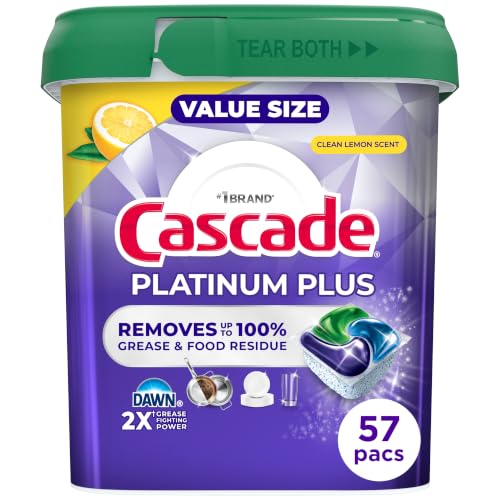 Cascade Platinum Plus Dishwasher Detergent Pods Dish Soap Lemon 57 Count
 Linnkyfloa Coffee Espresso Maker Handle Replacement for Stovetop Moka Pot or Percolator, Black Plastic for Spare Part Compatible with Italian(9-12 Cup)