You bought the machine. You watched the unboxing video. Then your first shot came out sour, the second one was bitter, and the third one sprayed coffee everywhere like a tiny brown firehose. I’ve been there. Most people give up after a week and go back to the drive-thru.
Here’s the truth: a home espresso machine is not a coffee maker. It’s a precision tool. It demands consistent grind size, correct dose, and a level tamp. Get those three things right and you’ll pull shots better than most cafes. This guide walks you through every step, from heating the group head to pouring latte art that doesn’t look like a potato.

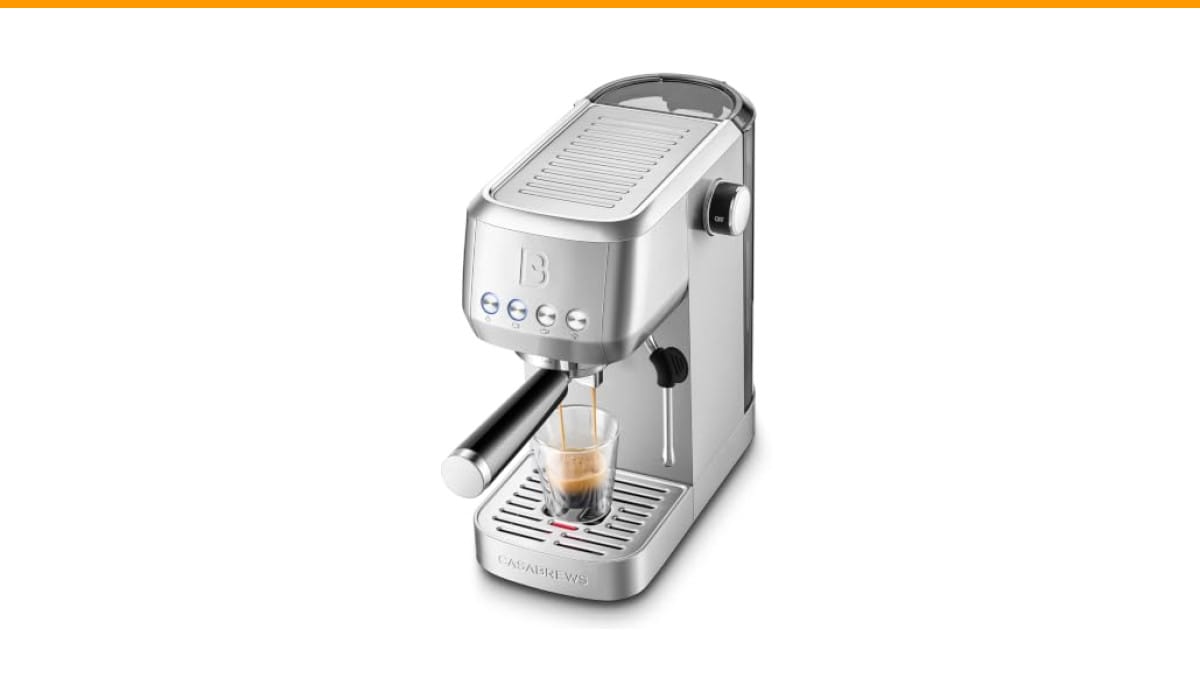
CASABREWS
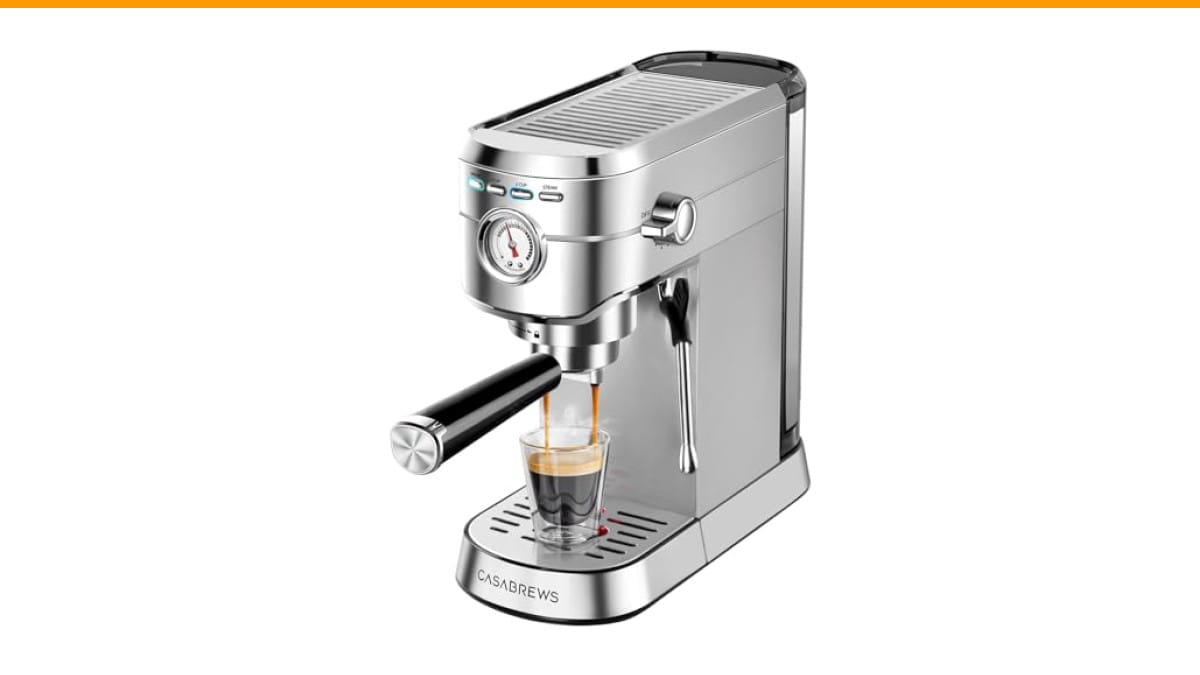
CASABREWS CM5418 Compact Espresso Machine with Milk…
- Make Your Favorite Espresso Coffee At Home: The CASABREWS coffee machine with milk frother allows you to prepare all your favorite…
- Professional 20 Bar Pressure System: Semi-Automatic 2-in-1 Espresso Maker, with 20 bar professional Italian pump and 1350 W powerf…
- Milk Frothing System: Our espresso machine with milk frother has a powerful steam wand, so you can texture creamy, rich microfoam…
As an Amazon Associate I earn from qualifying purchases.
You’ll also learn what to do when things go wrong, why your machine’s pressure gauge matters, and how to clean the thing so it lasts a decade. No fluff. Just the process.
If you’re working with a compact unit like the CASABREWS CM5418, the same rules apply. That machine’s 20-bar pump and 1350W boiler give you enough headroom to dial in proper shots, and the built-in pressure gauge takes the guesswork out of extraction. It’s a solid starting point for home use.
Start With the Right Grind Size
Espresso needs a fine grind — finer than table salt but coarser than powdered sugar. If your shot runs through in 10 seconds, the grind is too coarse. If it takes 40 seconds and drips like cold honey, it’s too fine.
You’re aiming for a 25-30 second extraction for a double shot. That window is the golden rule. A shot that finishes too fast will taste sour and thin. A shot that drags on will taste bitter and ashy.
Buy a burr grinder. Blade grinders chop coffee unevenly, which means some particles are dust and others are boulders. That inconsistency ruins extraction. A decent burr grinder gives you uniform particles, which is the single biggest upgrade you can make after the machine itself.
If you’re using pre-ground coffee, stop. It goes stale in about 15 minutes. Grind right before you brew, every time.
Dose, Distribute, and Tamp Like You Mean It
Dose is how much coffee goes in the basket. For a standard double basket, that’s 18 grams. Weigh it with a scale. Scooping with the included spoon is inconsistent — one day you’ll get 16 grams, the next day 20. That changes the whole shot.
Once the coffee is in the basket, break up any clumps with a toothpick or a distribution tool. Then tap the portafilter lightly to settle the grounds evenly. This step matters more than most people think. An uneven bed means water finds the path of least resistance and under-extracts half the puck.
Tamp with firm, even pressure. About 30 pounds of force. Keep your wrist straight and your elbow directly above the portafilter. You’re not trying to crush the coffee into a diamond — you’re just compressing it so water flows evenly through the entire puck.
After you lock the portafilter in, start the pump immediately. Don’t wait. The puck starts to swell and pre-infuse the second it touches water.
Watch the Pressure, Not the Clock
Most home machines have a pressure gauge. That’s not decoration. It tells you if your grind and dose are correct.
During extraction, the needle should sit in the espresso range — usually marked on the gauge face. If it’s too low, your grind is too coarse or your dose is too light. If it’s pegged at the top, the coffee is too fine or over-dosed. Adjust one variable at a time.
On the CASABREWS CM5418, the gauge is front and center. That’s a feature you’ll actually use, not a gimmick. It lets you see the pressure in real time and make adjustments on your next shot.
The first shot of the day is always a test shot. That’s normal. Dial in by changing the grind one step finer or coarser, not by changing the dose. Keep the dose constant and let the grind do the work.
Steam Milk With Patience, Not Panic
Milk steaming is where most home users get frustrated. The wand goes in, the milk splashes, and you end up with foam that looks like dish soap bubbles.
Start with cold milk in a cold pitcher. Fill it only a third of the way — milk doubles in volume when you aerate it. Submerge the tip of the steam wand just below the surface. Turn the steam on full blast.
You’ll hear a paper-tearing sound. That’s the air being folded into the milk. Keep the tip near the surface for the first few seconds to stretch the milk, then sink the wand deeper to create a whirlpool. That swirl breaks the big bubbles into microfoam — the silky texture you want.
Stop steaming when the pitcher is too hot to hold for more than a few seconds. That’s roughly 150°F. Going hotter scorches the milk and kills the sweetness.
Here’s a note from the CASABREWS manual that people ignore: don’t brew coffee immediately after frothing milk. The machine needs to cool down first. If you try to pull a shot right after steaming, the boiler is too hot and the machine will trip its over-heating protection. The lights will flash. Wait a minute or two before brewing.
Clean the Machine or Accept Bad Coffee
Espresso machines are sensitive to buildup. Old coffee oils go rancid and make every shot taste like an ashtray. Mineral scale from hard water clogs the boiler and reduces pressure.
You should backflush your machine weekly if you use it daily. That means putting a blind basket in the portafilter, adding a tiny bit of detergent, and running the pump for 10 seconds at a time. It scrubs the group head and internal lines.
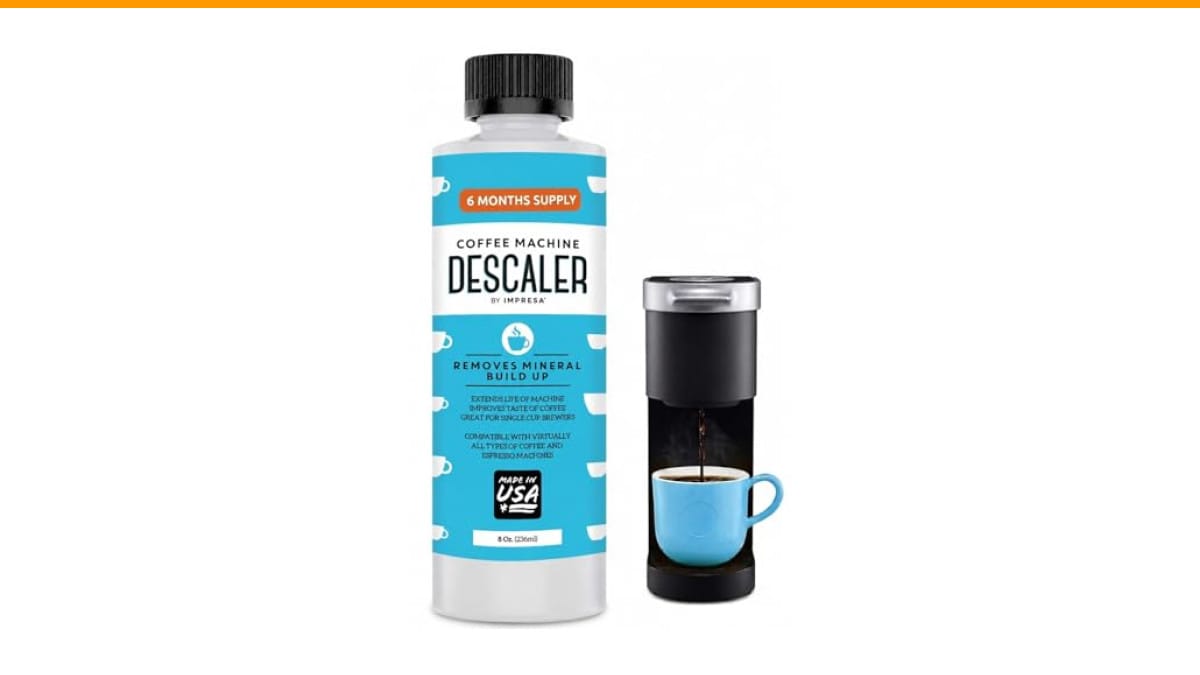
Descaling is a monthly or quarterly job, depending on your water hardness. Use a proper descaling solution, not vinegar. Vinegar leaves a residue that tastes like pickles. Follow the manufacturer’s instructions for your specific machine.
If your shots are suddenly running slow or the machine makes a loud whining noise, scale is likely the culprit. Don’t ignore it. The same goes for leaking water from the bottom — that’s often a clogged or worn gasket. You can find more details in our guide on machine leaks.
Comparing Common Home Espresso Setups
Not all home espresso routes are equal. Here’s how the main approaches stack up in real use.
| Setup Type | Effort Level | Shot Quality | Consistency | Cost to Start |
|---|---|---|---|---|
| Manual lever machine | High — every shot is a skill test | Excellent when you nail it | Low — depends on your hands | Moderate |
| Semi-automatic pump machine | Medium — you control grind and tamp | Very good | High if you weigh and time | Moderate to high |
| Automatic machine with built-in grinder | Low — press a button | Good | Very high | High |
| Pod system | Minimal | Fair | Perfect every time | Low upfront, high per cup |
For most home users, a semi-automatic machine is the sweet spot. You get enough control to learn the craft without the steep learning curve of a manual lever. If you’re torn between the two, read our breakdown of automatic vs semi-auto to see which fits your routine.
Pros and Cons of the CASABREWS CM5418
Pros:
- Compact footprint fits on a crowded counter
- 20-bar pump provides ample pressure for proper extraction
- Built-in pressure gauge is rare at this price point and genuinely useful
- Steam wand textures milk well enough for basic latte art
- 34 oz water tank is detachable, making refills painless
Cons:
- Single boiler means you can’t steam and brew at the same time
- You’ll need a separate grinder for best results — the included tamper is fine but basic
- Cool-down period after steaming adds a minute to your workflow
Frequently Asked Questions
Why is my espresso shot sour?
Sour taste means under-extraction. The water moved through the puck too fast. Grind finer, or make sure your dose is correct. A shot that finishes in 15 seconds will almost always taste sour.
Why is my espresso shot bitter?
Bitter taste means over-extraction. The water pulled too much out of the coffee. Grind coarser or reduce your dose slightly. Also check that your water temperature isn’t too high — boiling water scorches coffee.
How much coffee should I use for a double shot?
Start with 18 grams in the basket. Weigh it every time. Adjust only the grind size to control extraction time, not the dose. Once you find the right grind, the dose stays locked.
Do I really need a separate grinder?
Yes. The built-in grinders on budget machines are often weak and inconsistent. A separate burr grinder, even a modest one, will improve your shots more than upgrading the machine itself. It’s the highest-impact purchase you can make.
Why is my machine leaking water from the bottom?
This is usually a worn or misaligned gasket around the group head, or a clogged drain. Check the drip tray first — it might just be full. If the leak persists, inspect the portafilter seal. Our guide on machine maintenance covers this in detail.
What to Do Next
- Weigh your coffee dose — 18 grams for a double, every single time.
- Time your shot. 25-30 seconds is the target window.
- Adjust grind size only, not dose, when dialing in.
- Steam milk before you brew, then wait a minute for the boiler to cool.
- Backflush weekly and descale monthly to protect your investment.
- Buy a scale and a proper tamper before you buy a fancier machine.
- Keep a notebook of your settings. When you nail a shot, write it down.
One last thing: don’t chase perfection on day one. The first few weeks are about building a repeatable routine. Once your process is consistent, the results will follow. And if your machine ever acts up, check our troubleshooting guide for flashing lights — it applies to more machines than you’d think.
Products related to this article
Sponsored / affiliate links. As an Amazon Associate I earn from qualifying purchases. I may earn additional commission from eligible campaigns.
 Coffee Espresso Machine Handle Replacement Parts, Cafe Bracket Handle for Lidl Silvercrest CM4621 CM4218 KF5002 KF500S Barista (for 51mm Portafilter Basket - Not included)
 HomeBeyond Espresso Coffee Maker 12 Cups, Classic Stovetop Espresso Maker, 600ml / 20oz Coffeemaker for Gas & Ceramic Stovetops (Silver)
 Quick Heating Cup Warmer, Three Temperature Settings, Splashproof and Portable, for Coffee, Milk, Lightweight ABS Material